
REVIEW · LONDON CITY TOURS
The Old City of London – Guided Walking Tour 12 guests 2,5h
London’s timeline is written in stone.
I love how this walk connects Roman London to medieval and modern landmarks without making it feel like school. I also like the personal, story-forward style, including Temple Church and its The Da Vinci Code links. The main thing to plan for is a moderate amount of walking in all weather, plus some sights may only be seen from outside.
You’ll cover big hitters that are easy to spot on a map, but harder to understand on your own. Expect short stops for photos, brief guided context, and a steady route through the City of London’s most historic blocks. One practical heads-up: there’s no hotel pickup, and no large bags are allowed, so travel light and wear shoes you trust.
Key highlights worth your attention
- Roman wall history (220 AD) you can still see in the City
- Temple Church with Knights Templar stories and The Da Vinci Code vibes
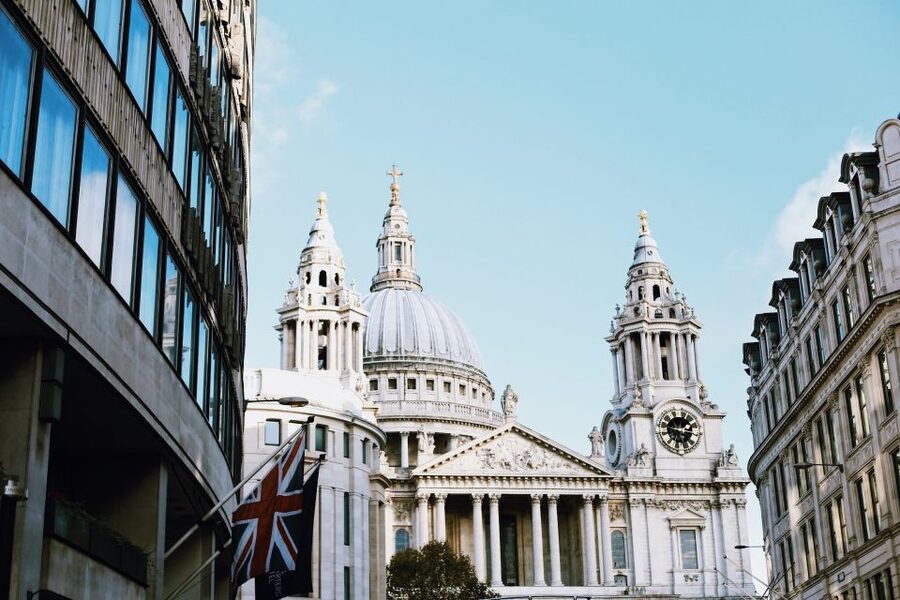
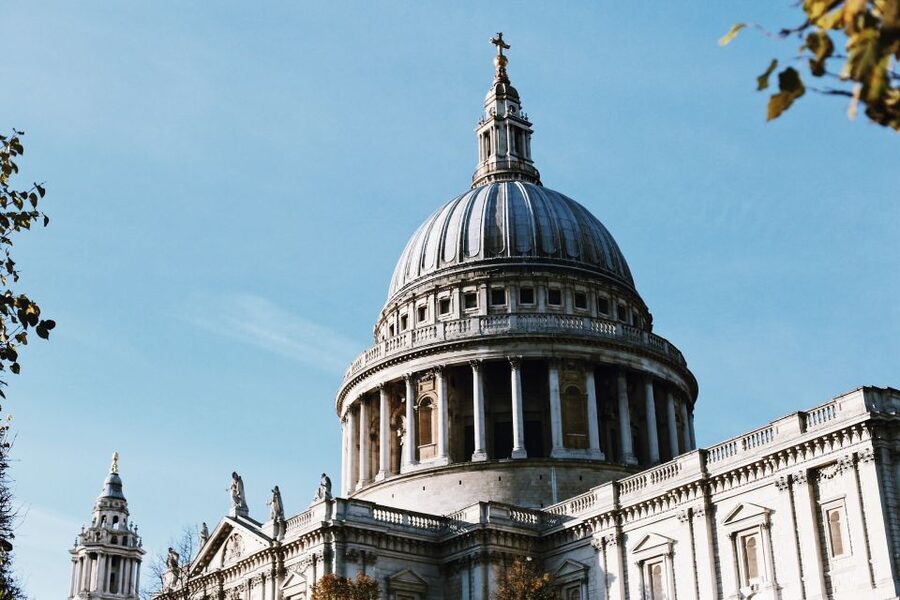
- St Paul’s Cathedral at the scale of the London you imagine from postcards
- Great Fire context at the Monument area, tied to rebuilding the city
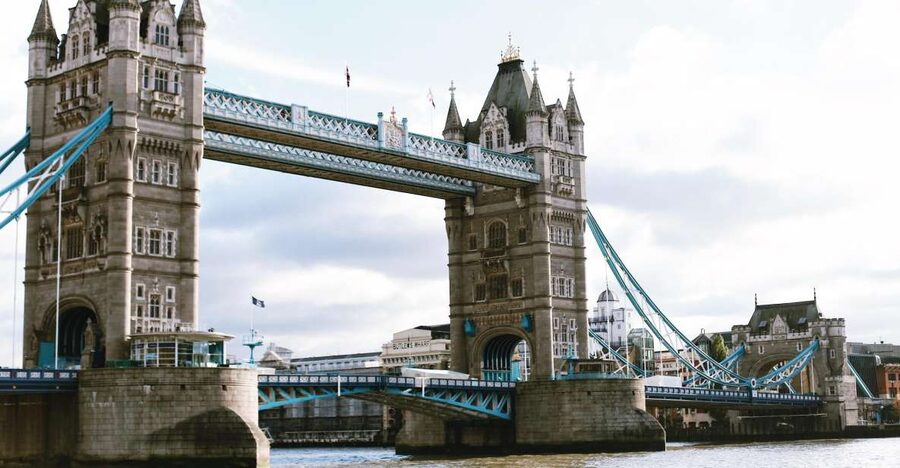
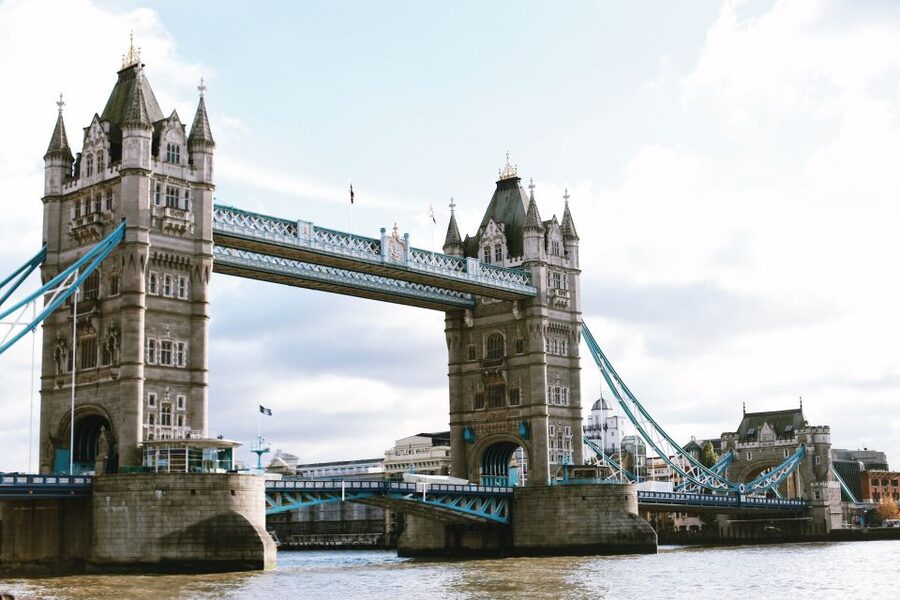
- Tower Bridge plus the Millennium Bridge comparison from the Thames
- A small-group feel with a professional local guide who tells stories clearly
Roman London to the Knights Templar, in just 2.5 hours
This is a compact Old City walking tour that helps you read London like a timeline. In a short window, you go from Roman-era defensive planning to medieval power, then onward to modern London landmarks that you likely know by name but never fully place in context.
The value is the pacing. You are not sprinting between far-flung neighborhoods. You’re moving through the City of London, where churches, civic buildings, and river views sit close enough to compare eras. And because it runs daily, it’s also easier to slot into a first-time schedule.
The guide matters here. One guide name that shows up in the experience details is Colin, praised for sharing stories from different angles. That’s the kind of guiding that turns landmarks into clues, not just photos.
You can also read our reviews of more walking tours in London



Getting oriented near Temple Church
Most departures start near the Temple area, with the meeting point varying by option. If you pick a start time that begins closer to Temple Station, you’ll be in the right pocket immediately.
In the first few minutes, you get a photo stop and a short guided introduction at Temple Church. The point is not to overwhelm you. It’s to set the lens: this part of London grew around defense, authority, and institutions, then kept reshaping itself. Once you understand that, the rest of the tour clicks.
Practical tip: this is a walking tour, so arrive ready to move. If you tend to “window shop” with your phone, you’ll still manage the route, but do it with an eye on the group.
Temple Church: The Da Vinci Code setting, plus real medieval power
Temple Church is one of the stops where London pop culture and medieval history overlap in a way that feels natural. The church is associated with The Da Vinci Code in the public imagination, but your guide focuses on what’s historically meaningful too.
You’re likely to see it up close through exterior viewing and a guided look around. That’s important because the tour notes that some attractions cannot be visited from the inside due to security measures. So you’ll get the story even if you do not go through doors.
The big theme you’ll hear is the Knights Templar. Temple Church served as a former headquarters for them, and that adds weight to what you’re looking at. Instead of treating it as a filming location, you start seeing it as a clue to how medieval groups used architecture to project power.
Why this stop is valuable: once you understand the Temple connection, the rest of the City feels more intentional. Even the later landmarks start to look like pieces of the same long-running civic puzzle.
St Bride’s Church and the church-to-cathedral shift
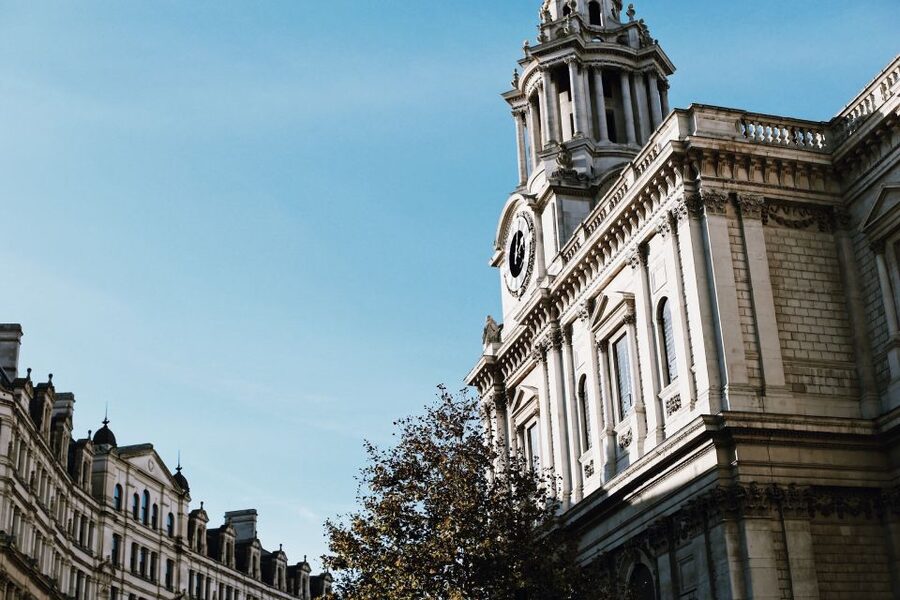
After Temple Church, you’ll work your way toward St Bride’s Church for another short photo stop and guided viewing. This kind of “smaller landmark” stop matters because it trains your eye. You start noticing how the City isn’t just one grand cathedral. It’s a web of religious and civic buildings that shaped street life.
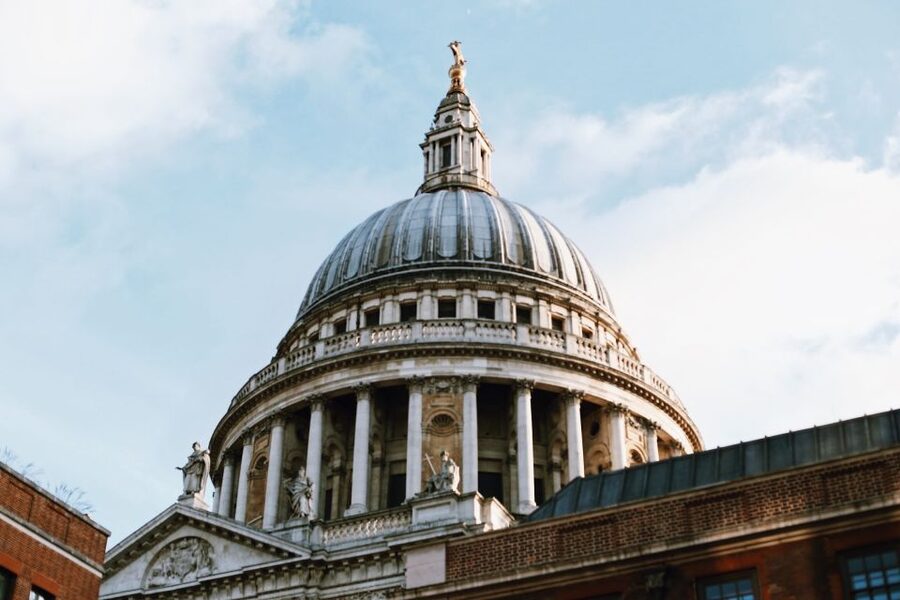
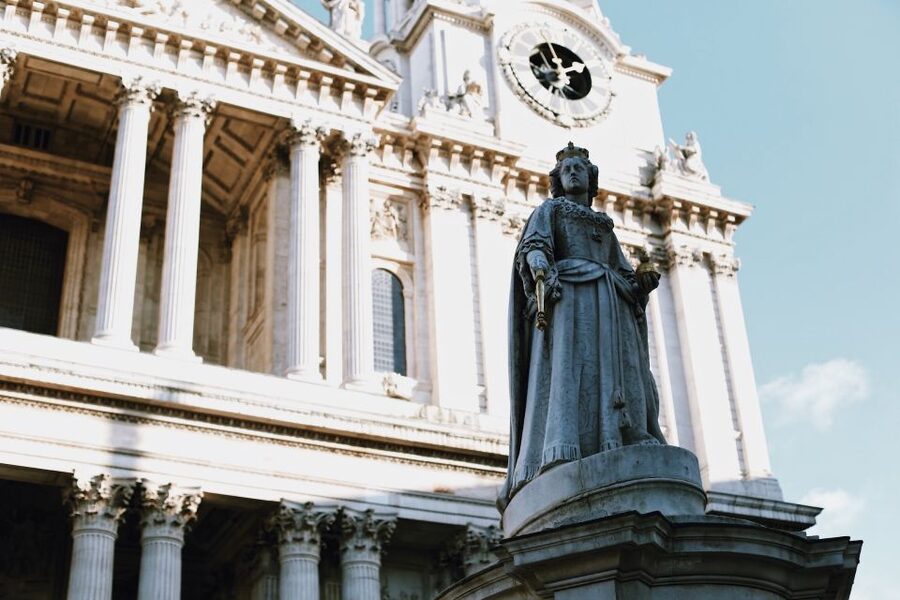
Then the tour moves to St Paul’s Cathedral. This is the skyline anchor for many travelers, but on a guided walk, it becomes more than a famous dome. You’ll get context for why it shows up in London’s modern story, including the fact that it served as the wedding hall for Charles and Princess Diana in 1981.
Even if interior access isn’t part of your day, St Paul’s still delivers. You’ll get those classic angles you can’t easily choose on your own, plus explanations that help you “read” what you’re seeing.
My advice for St Paul’s: take a photo, then step back. Look for how it sits relative to the surrounding streets. That’s when it stops feeling like a postcard and starts feeling like a real city landmark.
St Mary-le-Bow: where old-world streets meet everyday London
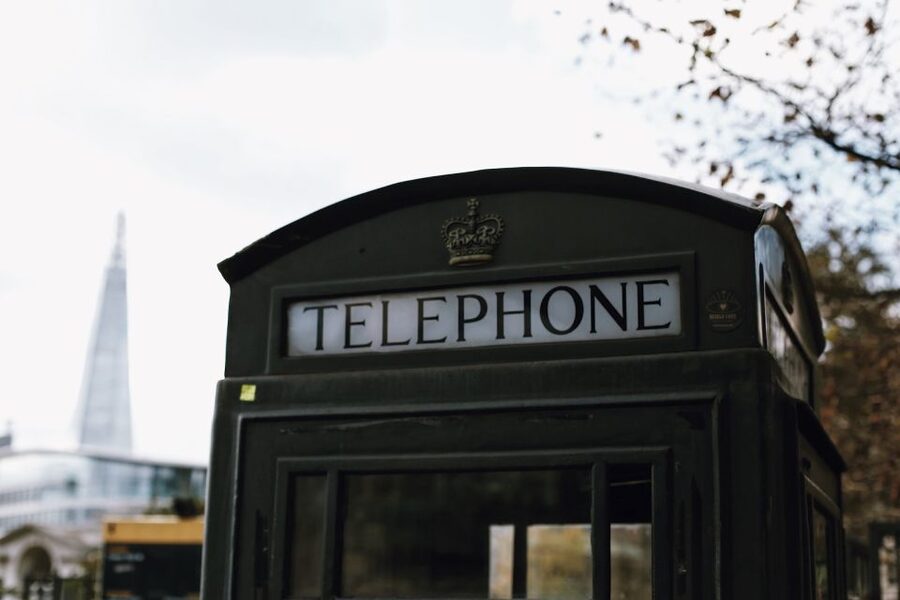
Next up is St Mary-le-Bow Church, another guided photo-and-walk stop. This is the sort of location where London’s history isn’t separated from daily routines. It’s woven into streets you could otherwise walk past without noticing.
On this tour, your guide connects these church stops to the bigger pattern: the City’s institutions kept influencing what got built, rebuilt, and preserved. So even though each church stop is brief, it’s not filler.
If you’re a first-time visitor, this helps you avoid the common mistake of thinking history only lives in a museum. In the City, it lives right in front of you, sometimes between business entrances and street signs.
You can also read our reviews of more guided tours in London




Guildhall and the Bank of England: the City’s civic backbone
At Guildhall, London, you’ll have another short photo stop and guided tour component. Guildhall is a reminder that London’s City governance was never just abstract. It was built into the physical space of the district.
Then comes Bank of England, where the contrast is the point. This is one of the strongest “now versus then” moments on the route. You go from medieval-flavored structures and church stories into the heart of modern finance, all without leaving the same walking bubble.
Why I like this segment for value: it helps you understand why the City is famous beyond tourism. This is where rules, money, and administration live. So when you later look at river views or major bridges, you’re not only seeing scenery. You’re seeing how power and trade shaped the streets around them.
The Monument to the Great Fire: rebuilding as a story you can walk into
The walk hits the Monument to the Great Fire of London. Your guide ties this stop to one of the defining events in the city’s history, and the location matters because it sits in the shadow of that memory.
This is a smart stop for travelers who like cause and effect. The Great Fire isn’t just an event in a book. It changed the city’s shape, the way people thought about rebuilding, and what kinds of streets and structures made sense afterward.
Even if you’re not focused on architecture details, the guide’s framing helps you connect the dots. You start noticing that London’s look is shaped by disasters as much as by ambition.
What to do here: slow down just a bit during the photo stop. Look around as if you’re imagining what the city was like before the fire, and how the area might have been planned differently after.
The Thames stroll: comparing Tower Bridge with Millennium Bridge
At some point, you’ll stroll along the River Thames and start thinking about your route out of the City. This is where London finally starts to feel like it’s opening up.
The tour includes a comparison between Tower Bridge and the Millennium Bridge. That detail is gold if you like seeing time change design. Tower Bridge is iconic and historic in its own right, while Millennium Bridge signals a more recent London style and engineering mindset.
From a traveler perspective, this is one of the most practical segments. You get river angles that help you orient yourself for the rest of your day. It’s also a good break from the dense cluster of churches and civic buildings.
If you’re planning your next stop after the tour, use this moment. Think about whether you want to keep walking, hop on public transport, or go for a museum visit nearby. Your guide’s route-thinking nudges you in the right direction.
Tower of London: the landmark you recognize, explained
You’ll finish with the Tower of London in the mix, with time for a photo stop and guided viewing. It’s one of those places almost everyone has heard of, but on a guided walk, it lands differently.
Instead of just thinking about the Tower as a single attraction, you’ll place it into the medieval storyline you’ve been building since the start. Your guide connects the Tower’s rise over the City to the earlier themes: defense, authority, and institutions that shaped daily life.
This stop works well even if you do not go inside, since the tour already flags that some attractions can’t be entered from the inside due to security measures. You still get meaning and context from the outside.
Guide quality, group size, and comfort tips that matter
This tour is built for a manageable group experience, with a stated maximum of 8 people per tour and a small, friendly feel. That size helps the guide keep things moving without losing the story details.
The guide experience is professional and local, and the tour runs in English with a personal touch. The descriptions emphasize entertaining, enlightening guiding, and one highlighted detail is how Colin shared stories from different angles. That approach helps if you’re the type who gets bored by one-note facts.
Here’s how you should prepare so you enjoy it instead of just surviving it:
- Wear comfortable shoes. You’ll be on your feet for about 2 to 2.5 hours with multiple stops.
- Bring a bottle of water, especially because the route continues through the City streets and river area.
- Plan for weather. The tour operates in all weather conditions, so bring an umbrella and a hat in summer.
- Bring valid photo ID, since it’s required.
- Skip large items. Luggage or large bags are not allowed, so keep your daypack small.
One more note: the tour route can be affected by national celebrations. If that happens, you’ll get an alternative route still showing the highlights, and refunds or discounts are not offered in those cases. It’s a minor risk, but it’s good to know if you’re booking on a high-attendance day.
Price and value: what $61 buys you in real terms
At $61 per person for about 2.5 hours, you’re paying for one thing: a guided narrative that connects a lot of major landmarks in a short walk. You’re not paying for museum entry or transportation. In fact, food and beverages aren’t included, and there is no hotel pickup.
So the question becomes, is the guide value worth it? For many travelers, yes, because you cover:
- Roman London context tied to the fortified wall built in 220 AD, still visible
- Temple Church and Knights Templar lore, with the added The Da Vinci Code connection
- St Paul’s Cathedral context including the 1981 wedding hall detail for Charles and Princess Diana
- Great Fire of London memory via the Monument area
- A river walk with a Tower Bridge vs Millennium Bridge comparison
- Tower of London context that connects back to medieval themes
That’s a lot of “why it matters” packed into 2.5 hours. If you’re the kind of traveler who likes your landmarks explained, $61 feels fair. If you mostly want long browsing time and don’t care about story context, you might prefer a self-guided walk. But for most people doing a first serious Old City day, a professional guide is the fastest shortcut to getting it right.
Who this tour suits best
This tour is a strong fit if you:
- Want a tight intro to the City of London without hopping neighborhoods
- Like history told as a story with clear links between eras
- Prefer short guided stops over long museum time
- Enjoy photo moments at major landmarks like St Paul’s, Tower Bridge, and the Tower of London
It’s less ideal if you:
- Struggle with a moderate walking day
- Need wheelchair access without any walking (the notes say wheelchair-friendly tours are available on request, but the general guidance also flags wheelchair users as not suitable)
Should you book this Old City walking tour?
I’d book it if you want your Old City day to feel organized and meaningful. The route makes sense, the stops are classic London anchors, and the guide style is a real selling point, with Colin highlighted for sharing stories from different angles. For $61, you get a lot of “connective tissue” between landmarks, not just a list of where to stand.
Skip it only if you dislike walking in all weather, hate being limited to exterior viewing where security restricts inside access, or you prefer to wander at your own pace with less structure. Otherwise, this is an efficient way to understand London’s layers, from Roman walls to bridge comparisons and medieval power centers.
FAQ
How long is the Old City of London guided walking tour?
It runs for about 2 to 2.5 hours, with a stated duration of 2.5 hours.
How much does the tour cost?
The price is $61 per person.
Where does the tour meet?
The meeting point may vary depending on the option booked. One of the listed starting locations is near Temple Station.
What is included in the ticket price?
You get a professional local tour guide and the guided experience for around 2 to 2.5 hours. Food and beverages are not included.
Are there restrictions on what I can bring?
Yes. Luggage or large bags are not allowed. The tour also notes a moderate amount of walking, so plan to travel with a small daypack only.
Can wheelchair users join?
Wheelchair-friendly tours are available upon request only, but the tour notes it is not suitable for wheelchair users in general. If this is a concern, ask about wheelchair-friendly arrangements before booking.
More Walking Tours in London


More Tours in London





More Tour Reviews in London


Not for you? Here's more nearby things to do in London we have reviewed










More London City Tours worth a look.
 ★ 4.6The London Eye Entry TicketTickets from $3935,875 guest reviews
 ★ 4.7From London: Harry Potter Warner Bros Studio TourTickets from $11726,588 guest reviews
Westminster to Greenwich River Thames CruiseTickets from $2222,836 guest reviews
Magical London: Harry Potter Guided Walking TourTickets from $2022,044 guest reviews
 ★ 4.6Madame Tussauds LondonTickets from $3620,915 guest reviews
 ★ 4.5Stonehenge, Windsor Castle, and Bath from LondonTickets from $11118,662 guest reviews
 ★ 4.7Warner Bros. Studio Tour with TransfersTickets from $14417,586 guest reviews
 ★ 4.7Tower Bridge Entry TicketTickets from $2115,560 guest reviews
Continue by place or experience