
REVIEW · LONDON CITY TOURS
Slave Trade Money Trail Tour in the City of London
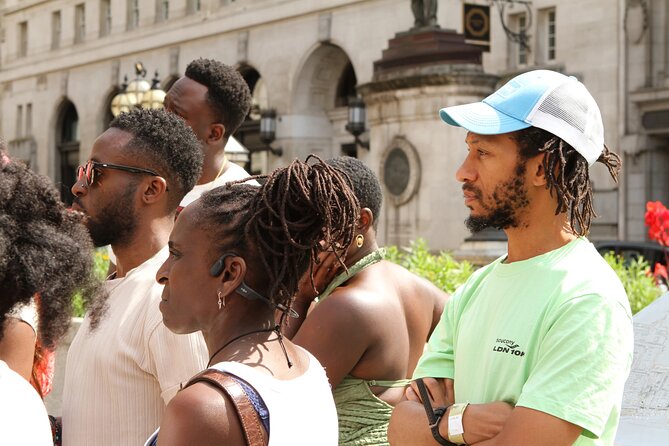
London’s finance buildings have a darker story.
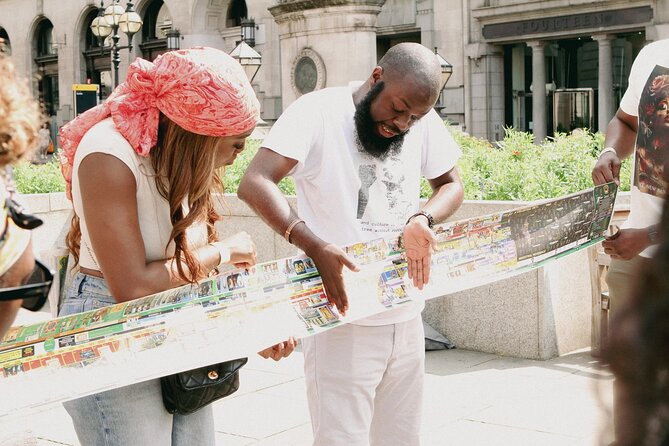
This Slave Trade Money Trail Tour is interesting because it reframes famous City landmarks as parts of a system that helped enslaved Africans generate profit for London. I especially like the tour booklet, which gives you something to work through while the guide connects the dots. One possible drawback is that the subject is heavy, so it may feel emotionally intense, even when the pace stays practical.
I also like that the route is built for clarity: you get a guided walk that stays focused on specific places in the City of London and why they mattered. Expect about 3 hours and a small group size (maximum 30), which makes it easier to ask questions and keep the conversation grounded.
Key things that make this tour worth your afternoon
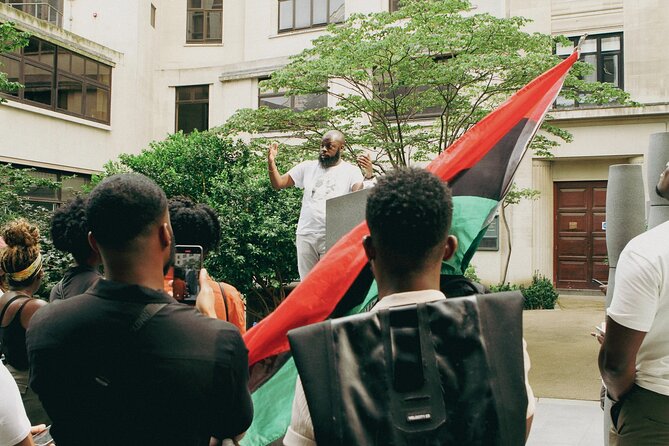
- City of London focus: you spend the time where money was made, managed, and insured during the transatlantic slave trade.
- Stop-by-stop storytelling: each location has a clear reason it connects to slavery and colonial trade profits.
- Booklet in your hands: you get printed material to help you remember names and themes after you leave.
- Guide Darrel Blake’s delivery: multiple reviews describe him as clear and passionate, with facts supported by artifacts.
- Group size stays manageable: with a cap of 30, the tour feels more like a shared lesson than a big lecture.
Why this Money Trail Tour hits harder than standard London sightseeing
London is full of statues, domes, and big-name monuments. This tour uses a different lens. Instead of asking you to admire the City’s architecture, it asks you to notice how finance, shipping, and insurance helped power the transatlantic slave trade.
That shift is the point. The walk takes you through institutions and streets where decisions about trade, risk, and money sat close to the violence overseas. If you like history that explains how everyday systems worked, this will feel more real than a museum-only approach.
And because the route is concentrated in the City of London, you do not have to spend your limited time hopping across town. You can get a focused, sobering context while still staying outdoors and moving at a human pace for about three hours.
You can also read our reviews of more city tours in London
Stop 1: City of London in the Bank area and the financial machine behind it
The first stop is in the Bank area of the City of London, where the tour points you toward the financial institutions entangled in the transatlantic slave trade. Even if you have walked near Bank Station a hundred times, this kind of start changes what you see. You stop treating the City as just modern finance and start seeing it as an engine that once processed profits tied to human exploitation.
What I like here is how the tour sets the framework early. It is easier to understand the later stops when you know what kind of institutions you are looking for: the ones that handled money and made trade possible.
A consideration: this is where the tour’s subject matter begins to feel direct. If you are sensitive to human-rights themes, brace yourself early and take breaks if you need them, especially in wet or busy street conditions.
Stop 2: The Royal Exchange, where commerce met empire
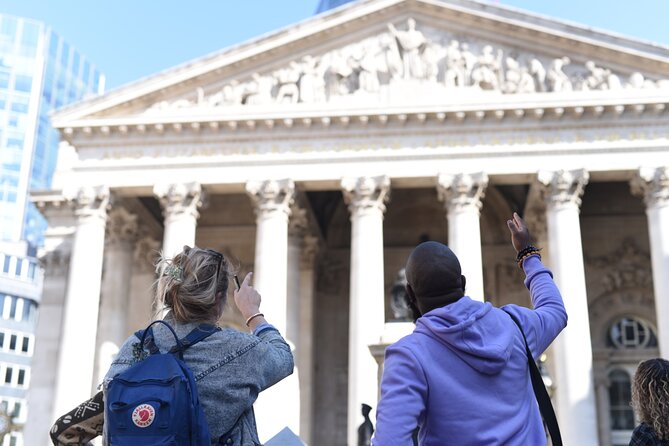
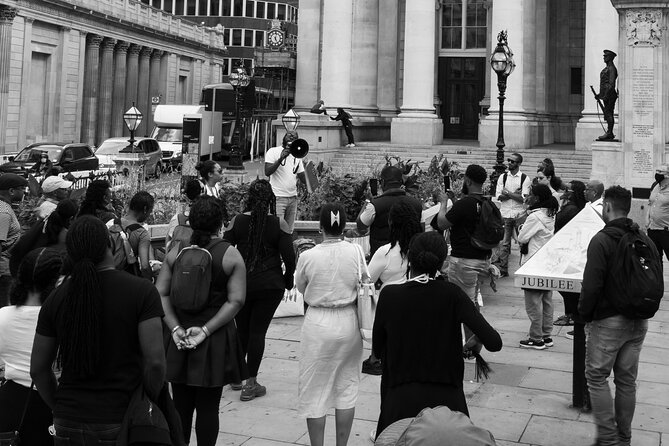
The Royal Exchange is the next major anchor. The tour explains how this grand building, once central to London’s commercial life, also played a role in facilitating the transatlantic slave trade.
This stop works because the Royal Exchange is easy to recognize. You do not need special knowledge to appreciate its old grandeur. The tour then asks you to connect that grandeur to its function: commerce on an institutional scale.
One detail worth keeping in mind: the Royal Exchange theme is not about a single person or a single transaction. It is about a system where trading activity and profit-making had links to slavery and colonial goods. That perspective helps the rest of the walk click into place.
Stop 3: 20 Fenchurch Street and the shipping ties to profit
Next up is 20 Fenchurch Street, described as part of a financial district once at the heart of Britain’s economic involvement in the transatlantic slave trade. Here the tour leans into shipping.
That matters because shipping is where distant ventures became real. Ships moved people, and they also moved the goods that came out of enslaved labor. By connecting this address and its surrounding role to the shipping industry, the tour helps you understand how London’s wealth was linked to movement and logistics, not just paperwork.
I also like that this stop encourages you to think about power structures. When you track where major companies profited and where they were headquartered, it becomes harder to reduce slavery to an abstract moral failure. Instead, you see it as an organized business ecosystem.
Practical tip: this part of the City can feel fast-moving. Wear comfortable shoes and keep your phone charged if you like to take notes and verify street-level details later.
Stop 4: Lloyd’s of London and underwriting the risky trade

Lloyd’s of London is the next stop, and it changes the tone just a bit by focusing on underwriting. In plain terms, underwriting is about pricing risk and making ventures financeable.
If the earlier stops set up money movement and shipping connections, this one explains how insurance and risk management helped make the trade work in economic terms. That is a crucial piece of the “money trail” idea, because the transatlantic slave trade depended not only on ships and buyers, but also on systems that managed risk and enabled investment.
I find this stop especially useful if you like cause-and-effect history. It helps you connect why certain industries in London had strong incentives. When you understand underwriting, you understand how investors could keep backing profitable ventures even when the underlying human reality was catastrophic.




Stop 5: Borough Market and sugar and tobacco made from enslaved labor
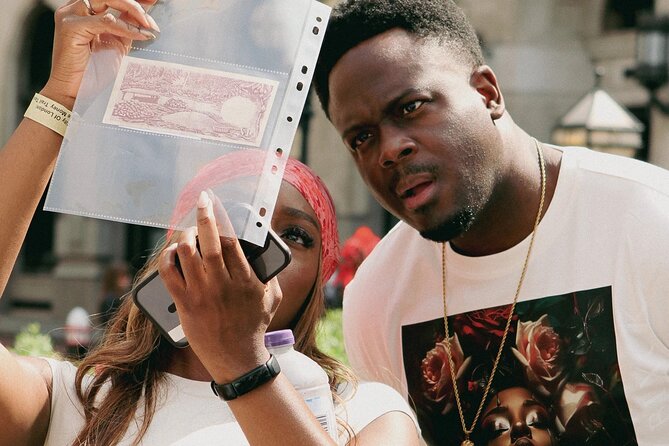
The tour ends at Borough Market in Southwark, a historic trading hub where the tour connects goods made with enslaved labor, including sugar and tobacco. This final stop gives you a different kind of closure. You move from the institutional world of finance and insurance into a place where trade goods were part of everyday consumption.
That contrast is powerful. The market setting lets you visualize how products rooted in exploitation became normal items in commerce. It also helps you connect the historical dots to the kinds of products London has always relied on through trade.
One practical note: Borough Market admission is listed as not included. So if there is any paid entry required for the specific area you visit, you may need to handle that cost separately. Bring a little extra spending flexibility if you want to browse without rushing.
Price and value: what you get for about $48.01
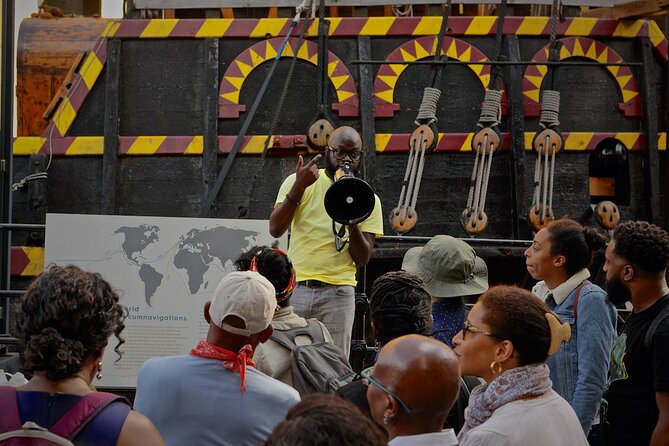
At about $48.01 per person for roughly three hours, this is one of those prices that looks modest until you consider what is included. You get a tour guide and a tour booklet, and you spend time at multiple major financial sites where access costs are not listed for most stops.
Four of the five stops note free admission tickets, and the walking route keeps everything tightly grouped geographically in the City of London and then down to Borough Market. That grouping matters. It means you are paying for an organized interpretation of specific places, not for long transit time or a generic overview.
Also, the group size cap of 30 can make the experience feel more responsive. A smaller group can mean more Q and A and more chance to ask follow-up questions when something gets complex.
The other value angle: you book a date and get a guided explanation that pulls together finance, shipping, and underwriting. If you plan to research all of that yourself, you would likely spend more time and effort than the tour gives you in one afternoon.
Pacing, timing, and how to plan your day around it
The start time is 12:00 pm, and the tour lasts about three hours. That makes it a nice fit for a London schedule where you want a serious educational block without losing the whole day.
If you like to see more than one area in a single day, this helps. You are ending at Borough Market, which is a natural spot to continue with lunch nearby. The tour does not include lunch, and bottled water is also not included, so I recommend you bring water or plan to buy it before you set off.
Since the tour requires good weather, check the forecast the day before. If it gets rained out and a new date is offered, you can usually choose what works for you without losing your money, as long as you follow the timing rules.
Darrel Blake’s approach: what to expect from the guide
The name that comes up again and again is Darrel Blake. The strongest praise in the reviews centers on how he teaches. People describe him as clear and concise, with knowledge supported by proof and the use of artifacts. More than one person highlights that he encourages interaction through questions and helps you remember by challenging you at moments during the walk.
That style matters for you because this topic is not just facts. It is a lot of dates, institutions, and connections that can blur together if the explanation is vague. A structured guide can keep the story coherent, from the financial institutions to the commercial exchange buildings to shipping and underwriting, then back to goods like sugar and tobacco.
Another common theme is emotional impact. Multiple reviews mention moments that hit hard, especially for people with Caribbean heritage or for young visitors. If you are bringing teens or kids, consider it an opportunity for an honest educational conversation, but also be ready for the reality that some parts will feel upsetting.
If you want to maximize value, show up willing to ask questions. If you are the type who likes to understand how systems work, this tour gives you plenty to think about, not just a list of sites.
Who this tour suits best
This is a great match for:
- History buffs who want the “how” behind major events, not just the headlines.
- People interested in social justice and human-rights context tied to business and trade.
- Anyone who wants a City of London experience that goes beyond architecture and famous monuments.
It may be less ideal if:
- You prefer light, entertainment-focused sightseeing.
- You want a purely neutral overview with no emotional or moral framing.
- You need a very low-stimulation pace, since the topic can feel intense even when the walk stays organized.
Should you book the Slave Trade Money Trail Tour?
If you want London history that actually explains how money systems connected to slavery and colonial trade, I think this is worth booking. The route is focused, the stops are specific, and the inclusion of a tour booklet plus a guide like Darrel Blake is exactly what you need to make the connections land.
Book it if you like learning in a way that is practical and place-based. You walk away with named locations, clearer themes, and a different mental map of the City.
Skip it only if you are looking for a casual sightseeing afternoon or if you know you will struggle with emotionally heavy content. For many people, though, the balance of structure, interaction, and real-world locations is precisely what makes this kind of tour meaningful.
FAQ
How long is the Slave Trade Money Trail Tour?
It runs for about 3 hours.
How much does the tour cost?
The price is $48.01 per person.
Where do I meet for the tour?
The meeting point is The Royal Exchange, London EC3V 3LL, UK.
Where does the tour end?
The tour ends at Borough Market, London SE1 9AL, UK.
Is a printed booklet included?
Yes. The tour includes a tour booklet to enhance your experience.
What is included and not included?
Included is the tour guide. Not included are lunch and bottled water. Admission at Borough Market is not included, while admission tickets are noted as free for the other stops.
What language is the tour offered in?
The tour is offered in English.
How big is the group?
The tour has a maximum of 30 travelers.
What if the weather is bad?
The tour requires good weather. If it is canceled due to poor weather, you will be offered a different date or a full refund.
Is there free cancellation?
Yes, you can cancel for a full refund up to 24 hours before the experience starts. If you cancel less than 24 hours before, the amount paid will not be refunded.
More City Tours in London


More Tours in London



More Tour Reviews in London
Not for you? Here's more nearby things to do in London we have reviewed







More London City Tours worth a look.
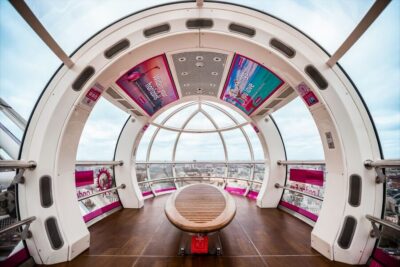 ★ 4.6The London Eye Entry TicketTickets from $3935,875 guest reviews
 ★ 4.7From London: Harry Potter Warner Bros Studio TourTickets from $11726,588 guest reviews
Westminster to Greenwich River Thames CruiseTickets from $2222,836 guest reviews
Magical London: Harry Potter Guided Walking TourTickets from $2022,044 guest reviews
 ★ 4.6Madame Tussauds LondonTickets from $3620,915 guest reviews
 ★ 4.5Stonehenge, Windsor Castle, and Bath from LondonTickets from $11118,662 guest reviews
 ★ 4.7Warner Bros. Studio Tour with TransfersTickets from $14417,586 guest reviews
 ★ 4.7Tower Bridge Entry TicketTickets from $2115,560 guest reviews
Continue by place or experience