
REVIEW · JACK THE RIPPER TOURS
London: Jack the Ripper Tour
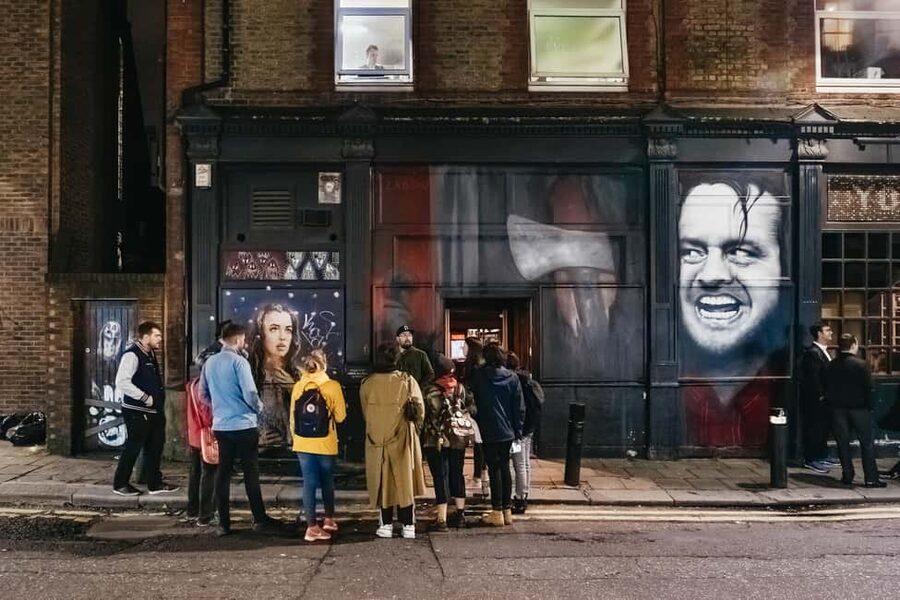
Strange footsteps in London, real-world mystery. This Jack the Ripper walking tour takes you through Whitechapel’s 1888 atmosphere, where you get suspect cards and a guide who helps you piece together theories around the unsolved murders.
I especially like the focus on actual locations you can still stand on, not just broad spooky storytelling. I also like the way the tour treats the case like a workup, with stories, alleged suspects, and discussion of evidence themes rather than one fixed answer.
One possible snag: the tour is in Italian, and if you are not comfortable with Italian, you may lose details.
Key highlights to know before you go
- Ripperologist guide with suspect cards so you actively follow the clues
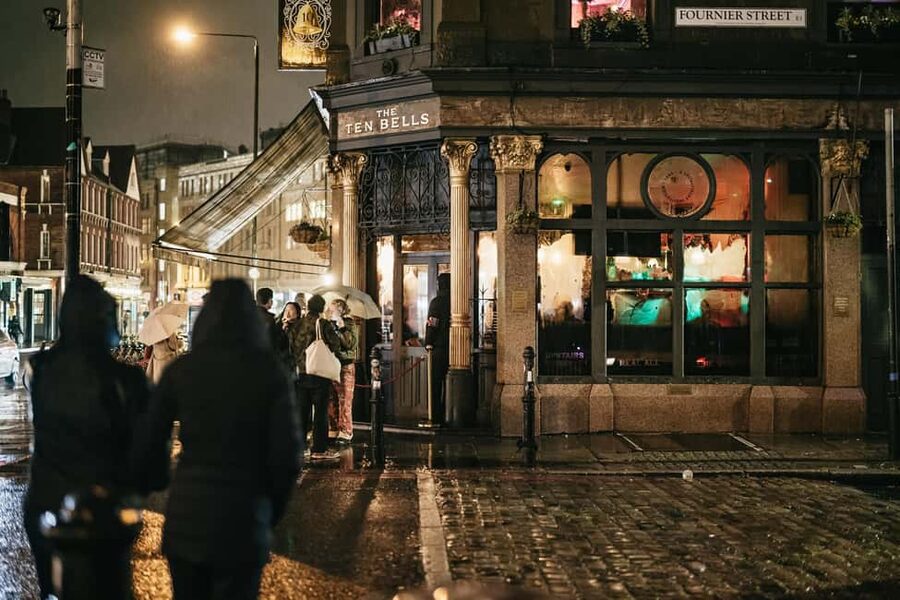
- Whitechapel street stops tied to the case, including Ten Bells
- Spitalfields Market area for a real East End feel beyond the headlines
- Victims and everyday life context so the neighborhood makes sense
- Sherlock Holmes connections to explain how crime stories shaped culture
- All outdoors, mostly level paths but weather and pavement still matter
Walking Into 1888 Whitechapel, Starting at St Marys
This is a 2-hour walking tour in East London, built around the feeling of stepping into late Victorian Whitechapel. You start at St Marys Whitechapel Church Memorial, which is a solid place to orient yourself. The tone is serious, and the guide frames what you are seeing as part of a real setting, not just a movie set.
What makes this start work is the neighborhood geography. You are not just hearing about Whitechapel. You are moving through it in a way that helps the places click together, especially the east-west flow between the Ten Bells area and the Brick Lane side of things.
If you have limited time in London, this tour is a good fit because it is short enough to slot into a day. You get a concentrated case file, then you are free to explore the surrounding area on your own afterward.
You can also read our reviews of more tours and experiences in London.
Suspect Cards and Evidence Talk, How the Tour Builds a Case
The tour gives you your own suspect cards, and that changes the whole rhythm. Instead of passively listening, you are meant to track who the guide points to, why certain people get attention, and what theories people have proposed over time. It feels like you are doing armchair detective work with guidance.
You will also hear about the investigation themes, including how evidence was discussed and what photographic evidence gets used in the storytelling. Even when the facts are unclear, the tour does not pretend you have one neat ending. That approach is valuable because it teaches you how mystery stories evolve, rather than selling you a single answer.
A nice touch for puzzle lovers: the guide frames questions for you to consider along the route. Why would the crimes connect to Whitechapel? Where would evidence have been found or noticed? How close were people thought to have gotten? You leave with a clearer sense of how the case was argued, not just what the legends say.
Perla’s Italian Storytelling, Plus a Warning on Language
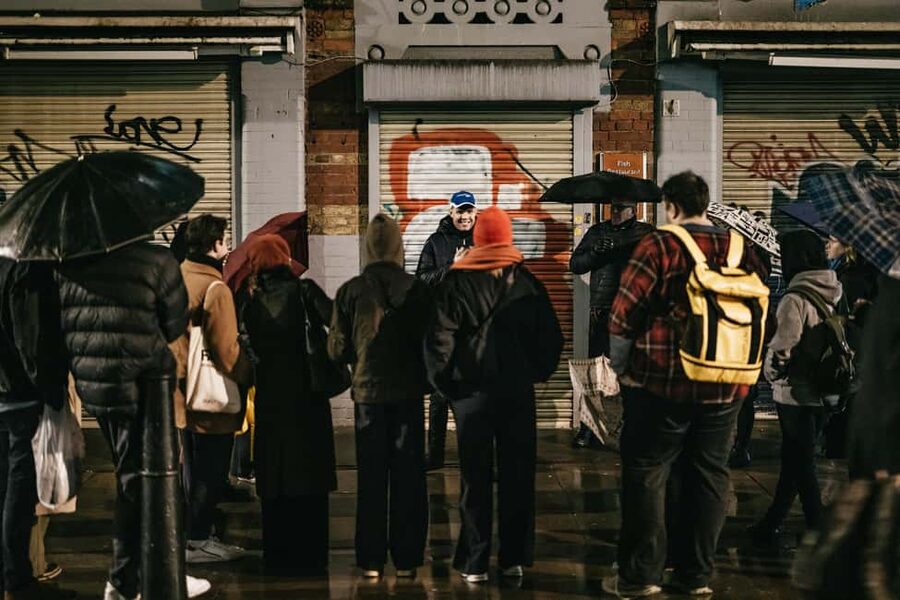
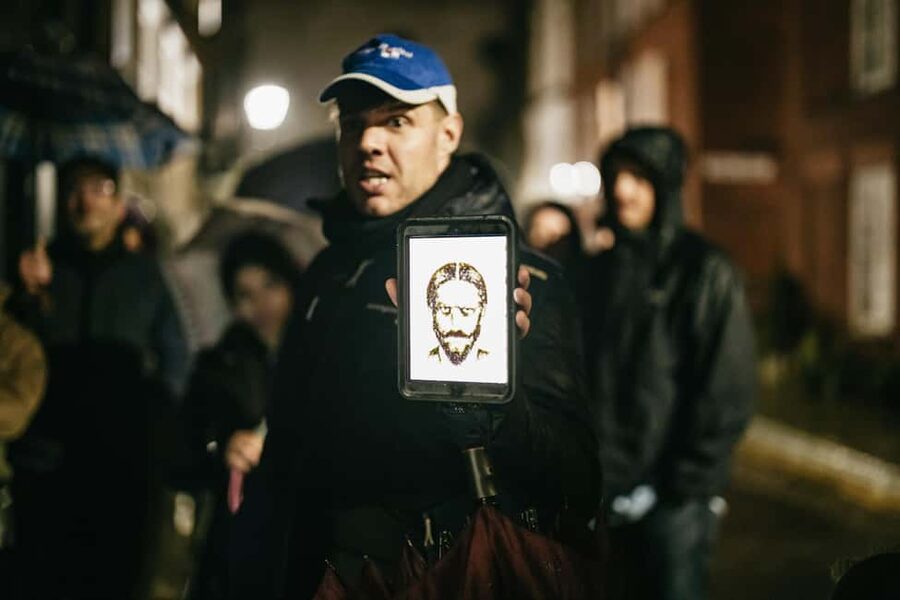
Your guide is a live Ripperologist, and the tour runs in Italian. In the best scenario, it clicks well: one guide named Perla was praised for enthusiasm and professionalism, and for guiding the group through the streets of Whitechapel with energy.
That praise matters, because the subject is complicated and the details matter. If the guide is clear and confident, you will follow the stories and enjoy the case-building exercise much more.
Still, here is the consideration: since the tour language is Italian, your experience depends heavily on communication quality. If you cannot catch Italian explanations easily, you may feel lost when the guide speeds up or switches into detail-heavy moments. If you are in that situation, you can still enjoy the street-level sights, but you might not get the full case logic.
Route Breakdown: From Ten Bells Spitalfields Back to Ten Bells

The walking route is designed to keep you in the same core pocket of East London, so the vibe stays consistent. There are a handful of named stops and several pass-by sights that connect the story beats to recognizable places.
Here is how the day generally moves, with what each spot adds.
Stop 1: St Marys Whitechapel Church Memorial
You begin at St Marys Whitechapel Church Memorial. I like this starting point because it gives the tour a grounded, local beginning. It also helps you mentally shift from general tourism mode to case mode.
Since the tour is outdoors the whole time, your first minute matters. Use this moment to get your bearings, notice the street feel, and prepare for the walk pace over the next two hours.




Stop 2: Ten Bells Pub Area (Ten Bells Spitalfields)
You pass by Ten Bells Spitalfields early, and you also finish here later. Ten Bells is one of the most famous names associated with the case, so it works as a story anchor. Even if you know the headlines, standing close to the spot helps you understand why this area became symbolic.
Because the tour ends back around Ten Bells, it is also a chance to compare your early impressions with what you think by the end. It is like seeing the same photograph twice, once at the beginning of the story and once after you have read the captions.
Stop 3: Christ Church London (Pass By)
Christ Church London is another anchor point on the route. Places like this matter for two reasons: they remind you that Whitechapel had institutions serving real people, and they add a sense of the era’s structure. In a neighborhood story, buildings like churches become part of the day-to-day setting, not just backdrops.
A fair heads up: because this is a pass-by stop, you are not going to get a long break here. Plan to keep moving and listen while the guide is talking.
Stop 4: Mitre Square (Pass By)
Mitre Square adds to the East End street pattern. Squares can feel more open than narrow streets, and that contrast helps you reset your attention. When the guide ties your movement to narrative beats, these little layout changes make it easier to follow.
If you prefer stops where you can pause for photos, Mitre Square may feel more like a quick moment than a full stop. Still, it is part of the “walking tour logic” that helps the route make sense.
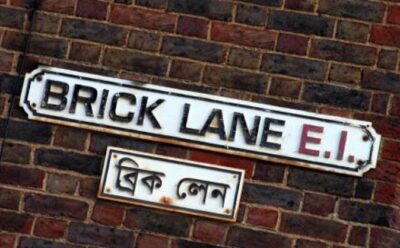
Stop 5: Brick Lane (Pass By)
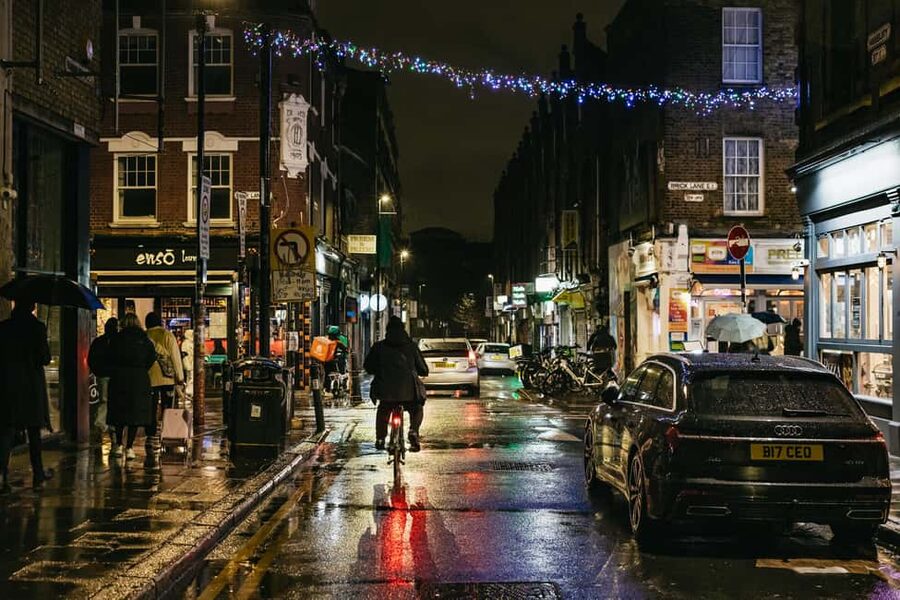
Brick Lane is the fun swing in the route. It is well known, but it still fits the story because it keeps you in the broader East End world. Even when the case focus is grim, you need contrast, and Brick Lane is a good place for that shift.
You are passing by rather than doing a long stop, so manage your expectations on photo time. Use it as a mental marker, and then keep your attention on what the guide connects Brick Lane to in the case context.
Finish: Ten Bells Spitalfields
Ending back at Ten Bells is a smart move. It gives you closure in a literal sense: you start with orientation, and you end with a return to the most iconic name on the route.
At this point, you should feel like you have walked a loop through the most story-relevant areas. If you want to keep exploring afterward, Ten Bells is a practical meetup spot and a natural jumping-off point.
Beyond the Murders: Spitalfields Market and Neighborhood Life
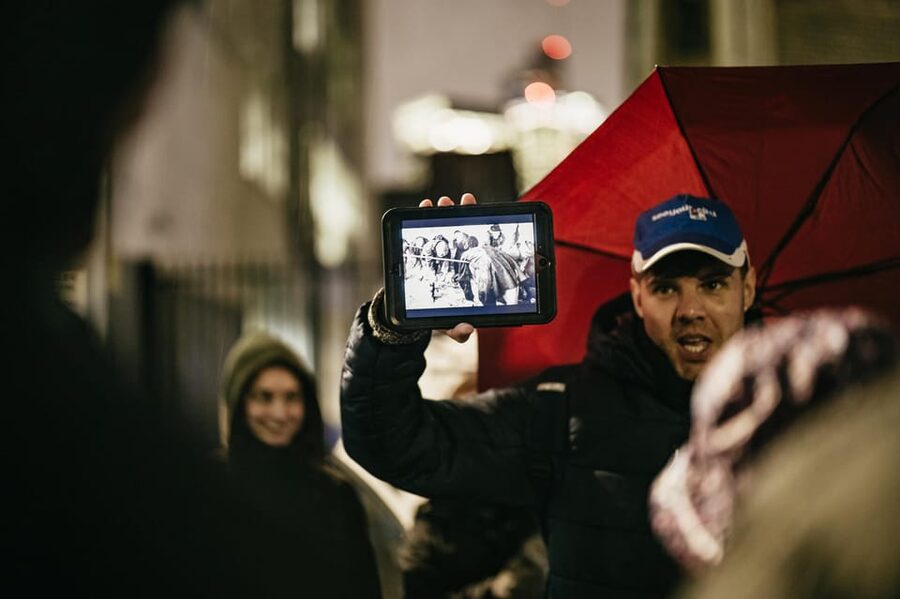
The tour is not only about the killings. It also spends time on everyday life in Whitechapel and explains how the neighborhood was impoverished at the time. That kind of context is not a distraction. It helps you understand why certain places become focal points in history.
Spitalfields Market is one of the sights highlighted along the way. I love market areas for these kinds of tours because they remind you that the neighborhood was about real commerce and routines, not just crime stories. Even if you only catch it from the route, it adds texture to what you are hearing.
One more benefit: it helps you connect the “why Whitechapel” question to something tangible. Instead of treating it like a plot twist, you start to see how social conditions can shape where authorities looked, where people lived, and where rumors spread.
Victims, Suspects, and Why the Case Still Lingers
A big part of the experience is hearing true-to-life stories of the victims and the shady suspects, then getting the theories people have built around them. The tour treats the murders as tragic and serious, and it also makes room for uncertainty.
That balance is what keeps the tour from feeling like pure horror entertainment. You are asked to weigh clues and listen to how stories are argued, including claims about suspect behavior and evidence themes.
Here is what you should take away: this is a case that never fully closes. So the tour’s value is in teaching you how a mystery stays alive in public memory, long after the original events.
Also, keep an eye on your comfort level. The tour includes graphic details and visual content. If that is not your thing, consider it carefully before booking, and plan to bring your tolerance with you.
Sherlock Holmes Connections: How Crime Stories Fed the Public

One of the highlights is learning the inspiration and cultural context behind Sherlock Holmes. This is more than trivia. It helps you understand how detective fiction and real London fear influenced each other in the Victorian era.
When you connect Whitechapel’s atmosphere to stories about detectives and evidence, you start to see the cultural feedback loop. People were surrounded by crime headlines and public anxieties, and fiction gave them a framework for thinking about order, clues, and explanation.
If you like literature as much as you like locations, this part can be a real payoff. You will walk away with a better sense of why Sherlock Holmes became such a cultural figure, and why the settings of London mattered so much to the storytelling style.
Practical Stuff You Need for an Easy 2-Hour Walk
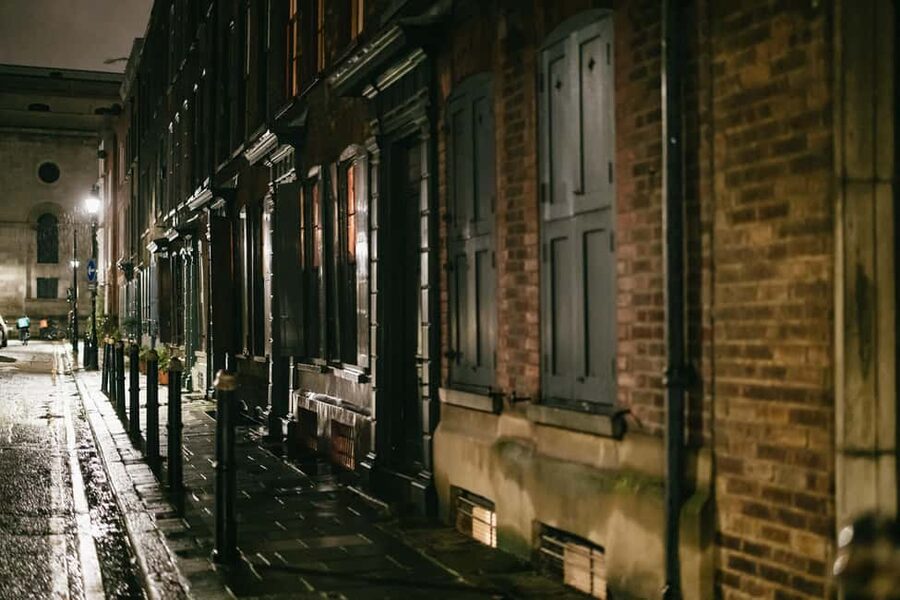
This tour takes place entirely outdoors, so dress for weather. Even in good London weather, plan for wind in open areas. You will be on public paths with varying conditions, and while it does not include stairs or many inclines, pavement unevenness can still affect comfort.
You should also expect it to be detail-heavy. Come ready to listen with attention. If you walk while scanning your phone the whole time, you will miss the clues the tour is trying to help you follow.
What you get, what you don’t
Included:
- a 2-hour Jack the Ripper walking tour
- a Ripperologist guide
Not included:
- food
- drinks
So if you are doing this before dinner, grab a snack first. The tour itself is short, but East End walking can build hunger fast.
Where to meet and how to get there
Meeting point is the west entrance to Altab Ali Park, by the large iron arch gate on the corner of White Church Lane and Whitechapel High Street. The nearest Underground station is Aldgate East Station.
This is useful if you are already on that side of the city. You can arrive, find the gate quickly, and start without stress.
Should You Book This Jack the Ripper Tour?

I think you should book if you want a focused Jack the Ripper walking experience that links the story to real Whitechapel landmarks, and if you enjoy solving mysteries with a guide rather than just hearing legends. The suspect cards and evidence-themed storytelling are the core value, and the route hits several names that matter, including Ten Bells and the Spitalfields Market area.
Skip it or reconsider if you are not comfortable with Italian, or if the idea of graphic details and visual content feels like too much. Also, manage expectations around how much Victorian London you will see, because the city has changed and parts of what you imagine are not always there to witness in full.
If you match those checkboxes, this is a solid way to spend two hours in London with a proper case file mindset.
FAQ
How long is the Jack the Ripper tour?
The tour lasts 2 hours.
What language is the live guide speaking?
The live tour guide is Italian.
Where do I meet the guide?
Please meet your guide at the west entrance to Altab Ali Park, by the large iron arch gate on the corner of White Church Lane and Whitechapel High Street.
What is the nearest Underground station?
The nearest Underground station is Aldgate East Station.
What stops are included on the route?
Stops include Brick Lane, Christ Church, Spitalfields Market, Mitre Square, Petticoat Lane, and Ten Bells Pub. The listed starting point is St Marys Whitechapel Church Memorial, and the finish is The Ten Bells Spitalfields.
Is the tour wheelchair accessible?
Yes, the tour is wheelchair accessible. It takes place outdoors and people with limited mobility should be aware of varying conditions of public paths, even though there are no stairs or many inclines.
Does the tour include food or drinks?
No. Food and drinks are not included.
Is this tour suitable for children?
Participants under 18 must be accompanied by an adult. The activity contains graphic details and visual content.
Can I get a refund if I cancel?
Yes. Free cancellation is available up to 24 hours in advance for a full refund.
More Tours in London



More Tour Reviews in London
Not for you? Here's more nearby things to do in London we have reviewed










More Jack the Ripper Tours worth a look.
 ★ 4.7The Original Jack the Ripper Walking TourTickets from $257,833 guest reviews
 ★ 4.5London Jack the Ripper Guided Tour with Ripper-VisionTickets from $274,840 guest reviews
 ★ 4.7Jack the Ripper Small Group TourTickets from $263,159 guest reviews
 ★ 5.0London Jack The Ripper Guided Walking TourTickets from $03,131 guest reviews
 ★ 4.6German Language : Original Jack the Ripper TourTickets from $241,805 guest reviews
 ★ 4.5Jack the Ripper Walking Tour – Ripper Vision ToursTickets from $261,752 guest reviews
 ★ 5.0Ultimate Jack the Ripper : Guided Tour of LondonTickets from $271,495 guest reviews
 ★ 4.9Jack the Ripper Evening Walking TourTickets from $331,449 guest reviews
Continue by place or experience