
REVIEW · JACK THE RIPPER TOURS
German Language : Original Jack the Ripper Tour
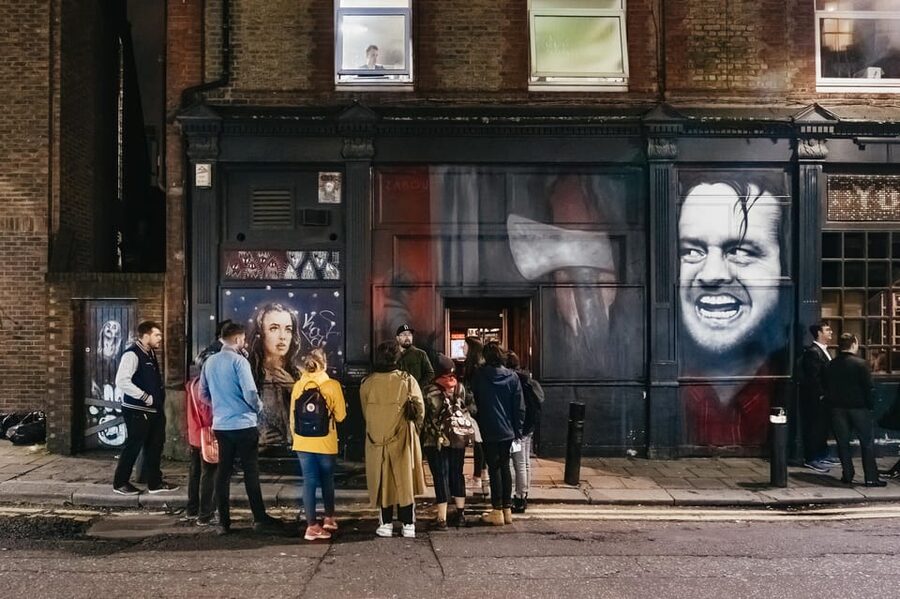
Whitechapel has a way of grabbing you. This German Jack the Ripper street walk turns 1888 London into a live case file, with a Ripperologist guiding you through real East End places and discussing theories like who might have done it. I especially like how the guide uses true-to-life stories and photographic clues, and how you actually get eyes-on locations such as Spitalfields Market and Ten Bells instead of just hearing legends. One drawback to plan for, the tour includes graphic details and visual content, so it is not the kind of outing you want to do casually.
You meet at the west entrance to Altab Ali Park by the large iron arch gate on the corner of White Church Lane and Whitechapel High Street, and your guide carries a blue flag. It runs about 2 hours, entirely outdoors, and while there aren’t lots of stairs or big climbs, the public paths can vary, so good footwear matters.
At about $24 per person, you’re paying for a guided story plus multiple stops across Whitechapel, Petticoat Lane, Brick Lane, and the Spitalfields area, all tied into the larger cultural backdrop. You won’t get food or drinks included, so bring water and plan around it, especially if the weather turns.
Key things I’d circle before you book

- German-language live guide plus other languages (English, Spanish, Italian, French)
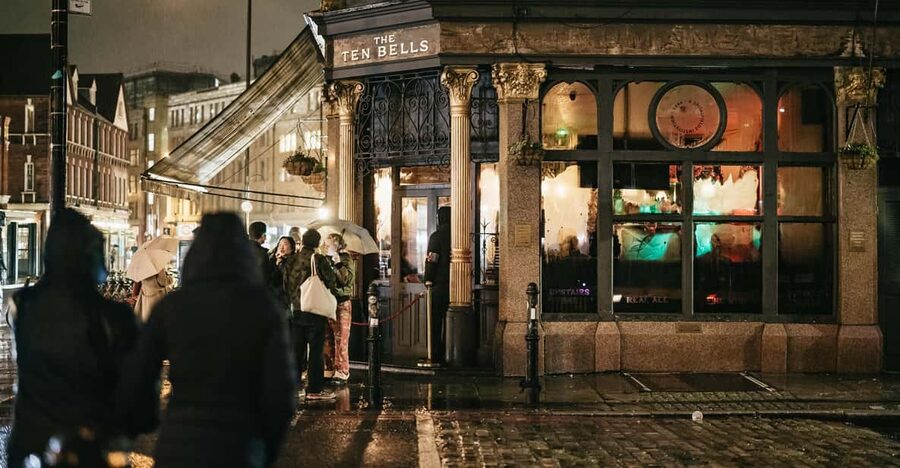
- Real Whitechapel stops, including Spitalfields Market and Ten Bells
- Photo evidence style storytelling, using alleged investigation details to weigh suspects
- Victims and everyday life context, not just the murderer myth
- Sherlock Holmes inspiration and Victorian culture connections you can spot while you walk
German-speaking Jack the Ripper guide, what that changes
Doing this kind of tour in your own language makes a difference fast. The guide is not just translating headlines, you get the case explained in a way that lets you follow the small twists, the questions about evidence, and the “who could it be” logic. That matters because Jack the Ripper stories can drift into rumor if you miss the details.
This one is led by an expert-style Ripperologist and pitched like an investigation. You’re asked to “assess” and “investigate” ideas, including the theories about suspects and the unresolved nature of the murders. I like that the tour keeps pulling you back from pure shock value and toward context, like who the victims were and what life was like in Whitechapel at the time.
You can also read our reviews of more tours and experiences in London.

Price and value: $24 for 2 hours of real locations and story work
$24 for a 2-hour walking tour in London is pretty fair when you think about what you’re actually buying. You get a live guide for the whole time, multiple East End stops tied to the case, and a way to interpret what you see rather than just checking boxes.
Also, the tour isn’t just about one pub photo-op. You’re moving through areas linked to day-to-day life and culture, then ending with a visit to Ten Bells Spitalfields. If you like stories with a structure, it feels like paying for a guided lesson, not just a walk with spooky vibes.
The “watch out” part is simple: no food or drinks included. Two hours goes quickly, but if you’re walking in heat or cold, you’ll want water. And if you’re sensitive to graphic details, make sure you’re mentally ready before you start.
Before you go: weather, outdoor time, and the under-18 note
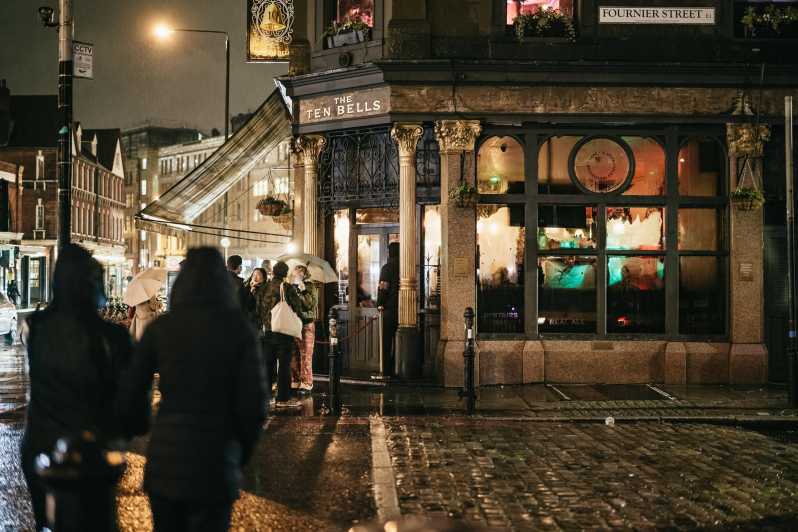
This tour is entirely outdoors, so check the weather and dress for it. Even if the route is fairly straightforward, you’ll still be standing and walking for the full 2 hours, and London weather loves to change its mind.
You also need to know this is not a family-friendly “ghost walk.” It contains graphic details and visual content. Anyone under 18 must be accompanied by an adult, and the content choice tells you the guide is planning to talk frankly, not lightly.
Meeting at Altab Ali Park, then stepping into Whitechapel

I like the clarity of the start point. You meet at the west entrance to Altab Ali Park, near the large iron arch gate at White Church Lane and Whitechapel High Street, and your guide holds a blue flag. The nearest Underground is Aldgate East, which is helpful if you’re hopping in from the rest of the city.
Once you’re there, you head into the Whitechapel area and begin connecting streets to the case. The tour’s strength is that it doesn’t keep the story abstract. You’re looking around, then hearing why this stretch of London mattered.
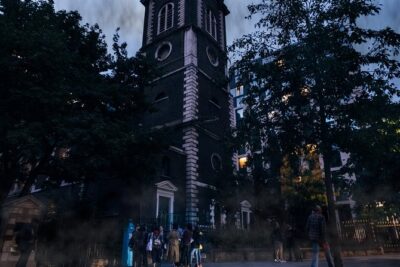
St Marys Whitechapel Church Memorial: the case begins with place
The tour starts at St Marys Whitechapel Church Memorial, which sets the tone early. Instead of launching straight into gore, the guide builds a setting. Whitechapel in the late 1800s wasn’t a movie set. It was a real working neighborhood, and that everyday-life framing becomes important later when you learn about the victims and why the area drew attention.
If you like grounding stories in physical locations, this first moment helps you get your bearings fast. Even if you’ve seen Whitechapel before, standing at a memorial puts the walking tour into a different emotional gear.



Passing through Whitechapel and the Ten Bells area
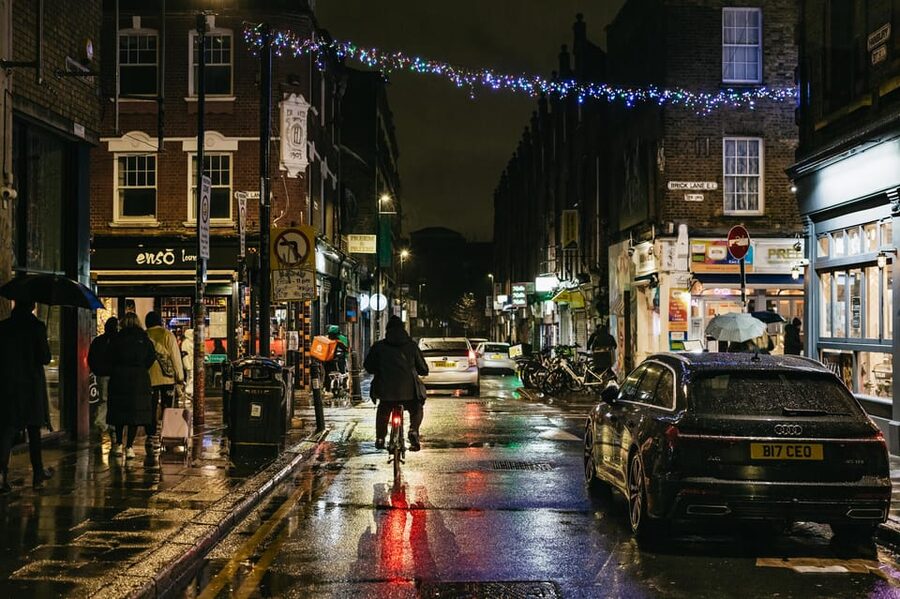
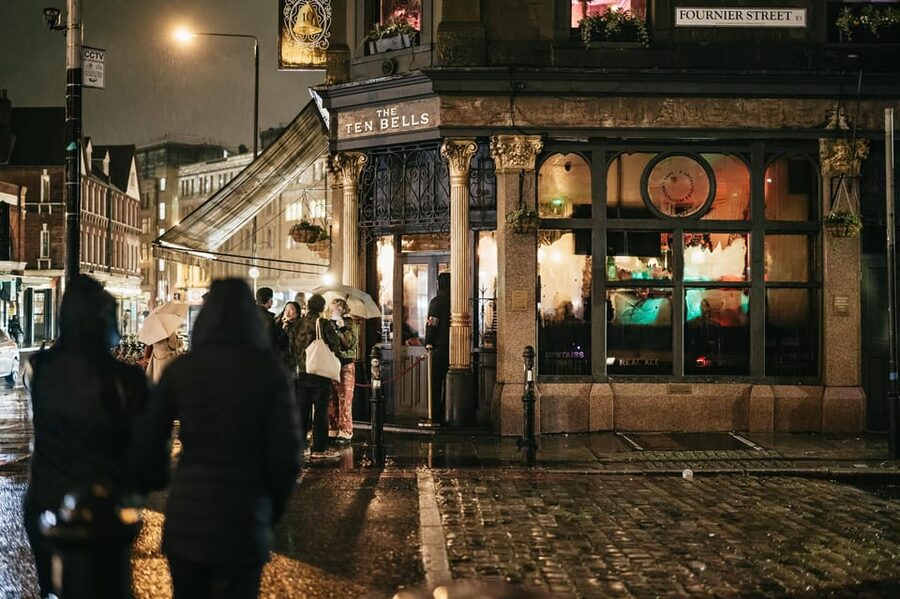
As you continue, you move through Whitechapel and come near The Ten Bells area more than once, with Ten Bells also being the finish point later. Ten Bells is one of those London places that lives in pop culture, but on this tour it’s treated like a real-world landmark in a specific time period.
This section works best if you pay attention to how the guide links people, neighborhood conditions, and the way investigations were discussed. You’ll hear why Whitechapel mattered and how the theories connect back to the streets you’re standing on. It can feel like you’re building a timeline with your feet.
Possible consideration: because this tour is outdoor and story-driven, you’ll want to keep your phone away for long moments. The best parts are when you look up at the buildings and match what you’re hearing to what’s in front of you.
Christ Church Chelsea: shifting from legends to context
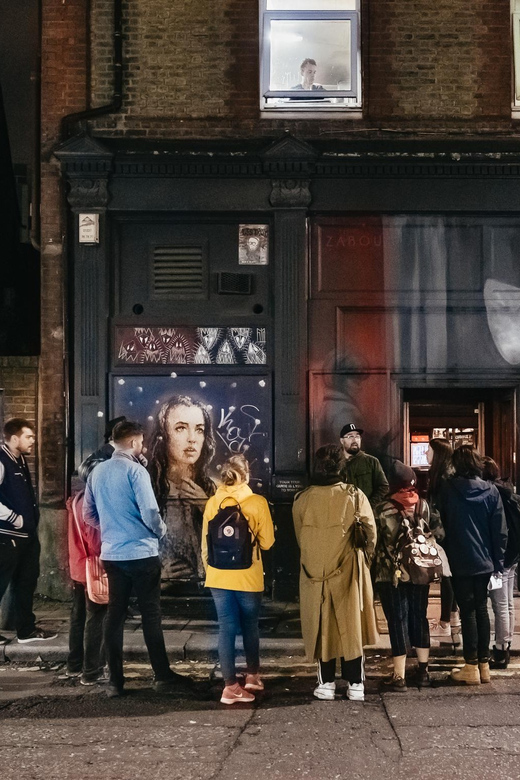
You also stop near Christ Church Chelsea. This is where the tour leans into the “why this neighborhood, why these circumstances” angle. When a guide spends time on the broader setting, the case stops feeling like a set of isolated crimes and starts feeling like part of a society.
I like this because it gives you something to carry home. You learn about day-to-day life in Whitechapel as an impoverished neighborhood, and the explanation helps you understand how the “case” sat inside real social pressures.
If you’re a Sherlock Holmes fan, this kind of framing is extra useful. You can see how later detective fiction grew out of the same Victorian concerns, not just out of clever plotting.
Mitre Square: where stories feel tangible
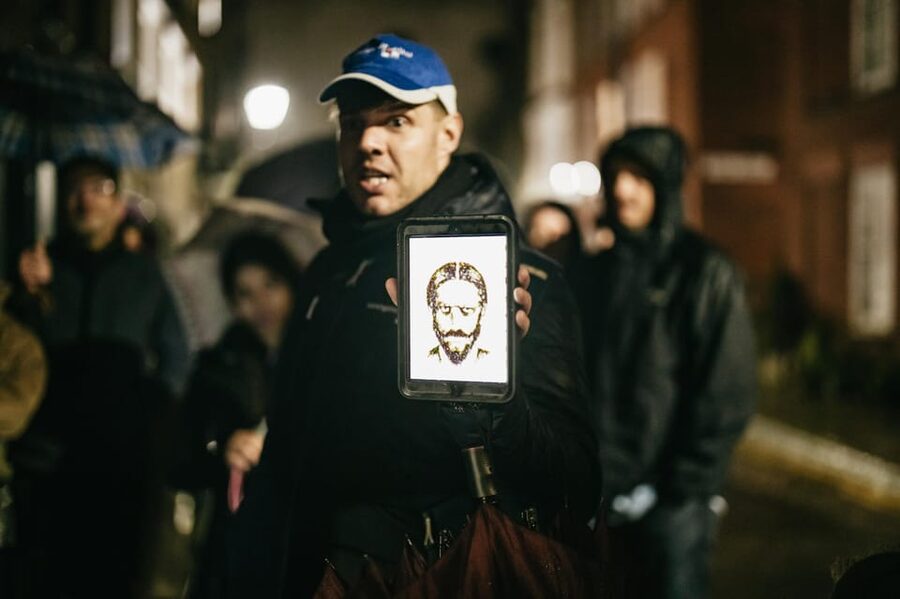
Mitre Square is one of the stops that makes the tour click. On many walking tours, the guide points and moves on. Here, the guide treats the square like a clue. You hear theories, questions about suspects, and how the alleged investigation might have worked in that era.
This stop is also a reminder that you don’t need big dramatic scenery to get a strong sense of place. Sometimes the power comes from how the story is told while you’re in the exact spot.
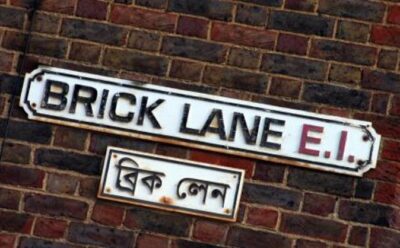
Brick Lane: the East End street texture, with a different lens
Brick Lane is included, and it’s a smart choice because it gives you a bridge between history and what you can see today. The guide’s job is to help you read the street like a time machine, even though the area has changed.
In this portion, you’re likely to connect the neighborhood’s past poverty and daily life to the broader cultural waves that later helped shape stories like Sherlock Holmes. You’re not just collecting spooky facts, you’re learning how Victorian-era culture turned real places into lasting myths.
Petticoat Lane, Spitalfields Market, and why commerce mattered
Petticoat Lane and Spitalfields Market show up as key highlights. I like including market areas because they explain the human side of the neighborhood. Markets are where you see routine, crowds, and the kind of local movement that can become important when people are trying to track events in any investigation.
Spitalfields Market in particular helps you understand why Whitechapel was not isolated. It was linked to the broader city through streets, trade, and daily flow. When the guide ties that to the “why Whitechapel” question, the answer becomes less abstract.
If you’re hungry or easily distracted, plan around this. Markets can pull your attention in two directions, so listen for the way the guide connects what you’re seeing to the case.
What the photo evidence and suspect talk actually does for you
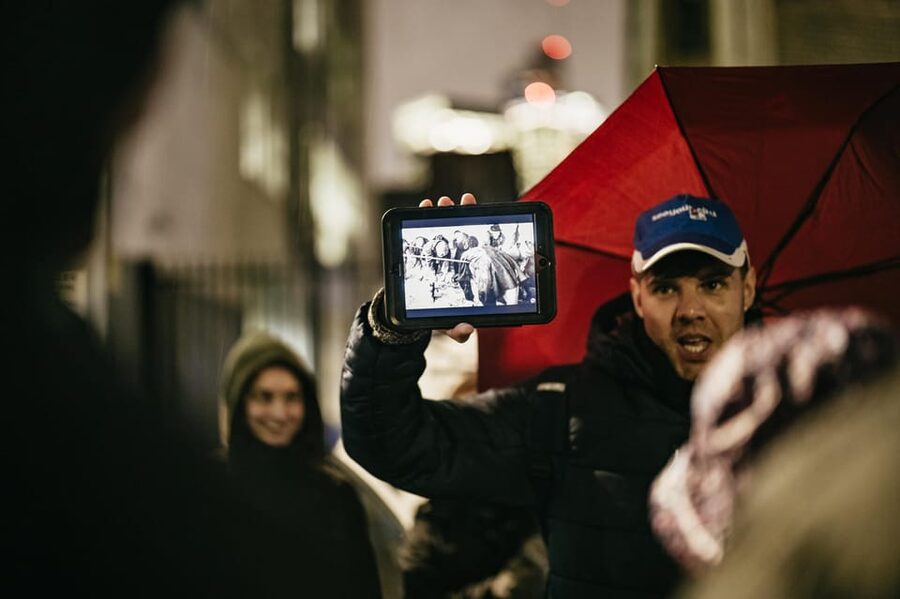
A big part of this tour is how the guide handles alleged evidence. You’re asked to consider photographic evidence, then hear true stories about the investigation to sort out possible suspects. That structure is why the tour can feel more satisfying than a simple spooky story.
This is also where language quality matters. You’ll want to catch the small explanations about how theories form, what people believed at the time, and why the case never got a clean, final answer.
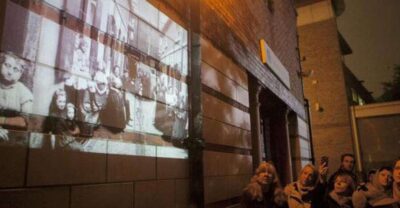
I also liked that photo comparisons show up in the storytelling. In German bookings, feedback specifically praised guides using old images to compare the former streetscape with today’s view, and names like Bettina came up for that kind of careful presentation. Another guide name you may hear praised is Sara, especially for explaining things clearly. Even if you get a different guide, it’s a sign the tour often uses visual material to help you see the past.
Sherlock Holmes context, and how to spot it while you walk
This tour brings in the inspiration and cultural context behind Sherlock Holmes. That might sound like a detour if you only want Jack the Ripper details, but it actually works because Holmes is part of how London learned to talk about crime.
You’ll hear the cultural background that made the detective figure stick, and you can connect it back to Victorian concerns about detection, evidence, and urban mystery. By the time you’re near Spitalfields and Ten Bells, you’ll likely notice how easy it would have been for real street life to feed crime stories.
If you’re doing this tour before you read or rewatch anything Holmes-related, you’ll get a cleaner sense of why the detective genre landed in the first place.
Ten Bells finish: turning a walk into a case you remember
The tour finishes at The Ten Bells Spitalfields, which gives you a satisfying closing point. It’s also a smart move because you end where the story has been anchored repeatedly. Instead of racing away at the halfway mark, you come back and let the guide wrap up the questions.
This ending is your chance to ask yourself what makes the most sense in the theories presented. The guide’s framing is built around “still-unsolved” questions, like whether Jack might have been close to caught and why Whitechapel was chosen. Even if you’ve heard a thousand Ripper facts before, ending here helps those ideas land in your brain as a coherent story tied to specific streets.
Who this tour suits best, and who should think twice
This is a great pick if you:
- Want a German-language walking tour with a live guide who explains more than just the myth
- Enjoy cases that weigh evidence and discuss suspects, not only sensational details
- Like coupling Jack the Ripper with Victorian culture, including Sherlock Holmes context
- Want to see real locations like Brick Lane, Spitalfields Market, and Ten Bells
Think twice if you:
- Don’t want graphic details or visual content
- Prefer indoor attractions on cold or rainy days, since it’s outdoors the whole time
- Have mobility concerns and worry about uneven public paths, even though the route avoids lots of stairs and steep climbs
Should you book this German Jack the Ripper tour?
I’d book it if you want your London experience to feel like an organized case. For $24, you’re getting a 2-hour walk across important East End stops, a German-speaking guide, and story explanations that include evidence talk and cultural context. That combination tends to stick with you longer than the typical “spooky walk and move along” approach.
Skip it if you’re not ready for graphic content. And if you love structure like maps or framed narratives, you might want to mentally prepare for a more conversation-led style. The tradeoff is that you’re hearing the story while you see the streets, and that’s where this tour earns its value.
FAQ
How long is the Jack the Ripper tour?
It lasts 2 hours.
Where do I meet the guide?
Meet at the west entrance to Altab Ali Park, at the large iron arch gate on the corner of White Church Lane and Whitechapel High Street. The guide will be holding a blue flag.
What languages are offered?
The live tour guide is available in German, English, Spanish, Italian, and French.
Is the tour fully outdoors?
Yes, it takes place entirely outdoors, so dress for the weather.
Does the tour include food or drinks?
No. Food and drinks are not included.
Is it suitable for children?
Participants under 18 must be accompanied by an adult, and the tour includes graphic details and visual content.
Is it wheelchair accessible?
Yes, it is wheelchair accessible. The tour does not include stairs or many inclines, but paths can vary, so people with limited mobility should be aware of changing public path conditions.
More Tours in London



More Tour Reviews in London
Not for you? Here's more nearby things to do in London we have reviewed










More Jack the Ripper Tours worth a look.
 ★ 4.7The Original Jack the Ripper Walking TourTickets from $257,833 guest reviews
 ★ 4.5London Jack the Ripper Guided Tour with Ripper-VisionTickets from $274,840 guest reviews
 ★ 4.7Jack the Ripper Small Group TourTickets from $263,159 guest reviews
 ★ 5.0London Jack The Ripper Guided Walking TourTickets from $03,131 guest reviews
 ★ 4.5Jack the Ripper Walking Tour – Ripper Vision ToursTickets from $261,752 guest reviews
 ★ 5.0Ultimate Jack the Ripper : Guided Tour of LondonTickets from $271,495 guest reviews
 ★ 4.9Jack the Ripper Evening Walking TourTickets from $331,449 guest reviews
 ★ 5.0The Original Jack the Ripper : Guided TourTickets from $221,264 guest reviews
Continue by place or experience