
REVIEW · JACK THE RIPPER TOURS
Jack the Ripper – What About the Women?
Women first, always, on this East London walk.
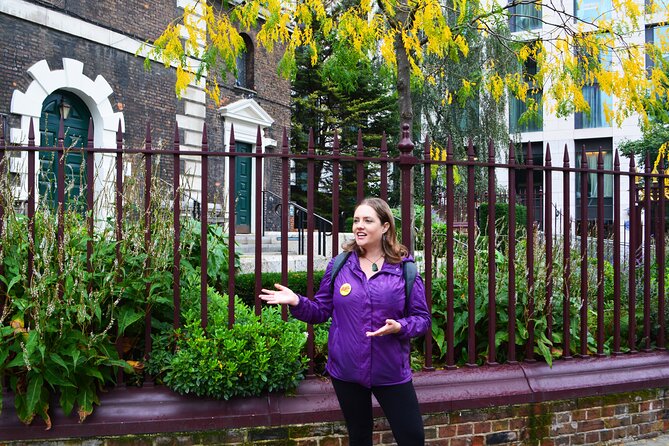
This tour turns the usual Jack the Ripper chatter on its head by focusing on the working-class lives behind the cases, using stops around Whitechapel, Brick Lane, and Spitalfields. I like that the guide quality is repeatedly praised, including names like Cecily and Ellie, with a calm, factual style that keeps the focus where it belongs.
Two things I really love: the route ties each story to specific street-level locations, so the East End feels real, not abstract, and the women’s experiences are treated as lives first, not footnotes. One possible drawback to weigh: it is a serious, history-heavy walk about real people and tragedy, and it’s less about the killer myth than you may expect if you’ve done more sensational versions.
Key things to know before you go
- Evening timing: starts at 6:30 pm and feels made for night wandering around the East End.
- Small group size: capped at 20 travelers, which helps you ask questions and hear the guide clearly.
- Women-centered storytelling: the stops highlight Martha Tabram, Polly Nichols, Annie Chapman, Elizabeth Stride, and Catherine Eddowes, among others.
- Street history + daily life: you’ll hear about workhouses, dosshouses, refuges, and the texture of Victorian East End living.
- Respectful format: it avoids grisly imagery and keeps things factual, which makes it easier for families who want a non-graphic approach.
- Easy meeting point: it starts near Aldgate High St, handy if you’re using public transport.
Women-First Focus: How This Tour Rewrites the Jack the Ripper Story
If most Jack the Ripper tours leave you with one big takeaway, it’s usually the same: the myth gets all the oxygen. This one does something smarter. It spends your time on the women, their daily circumstances, and the social pressures that shaped their lives in Victorian London.
What I like about that approach is how it changes your lens. You stop thinking of these events as a spooky headline and start thinking of them as something tied to housing, poverty, addiction, and limited choices. That shift also helps you understand why so many misconceptions spread then, and why they stick now.
The tone matters too. You’ll hear the stories in a way that is meant to be respectful and human. Guides named in past groups, including Cecily and Ellie, are repeatedly described as friendly, clear, and firm about staying factual rather than chasing lurid details.
You can also read our reviews of more tours and experiences in London.
Price, Timing, and Walking Pace Around Aldgate
At about $34.28 per person for roughly two hours, this is priced like a solid guided walk, not a museum ticket or a long day excursion. For me, the value comes from the way you’re buying a trained guide plus a planned route that uses locations you’d likely miss if you were just self-wandering.
The tour starts at 6:30 pm near Aldgate High St, London EC3N 1AH, and ends at Spitalfields Market, 65 Brushfield St, London E1 6AA. That evening window is key. East London at night has a different feel, and the route hits several of the area’s most interesting spots without you feeling like you’re fighting daylight crowds.
You should also expect a walking tour pace with frequent stops. Past groups describe it as very manageable, and they mention places to sit if needed. Still, plan for a proper evening walk, so wear comfortable shoes and bring a light layer.
Small group size is part of the practical value here. With a maximum of 20 travelers, you’re not just listening from the back row. It’s easier to keep up with where you are and why the guide is standing at each corner.
Whitechapel Road Stop: Martha Tabram and Polly Nichols, Plus What Poor Life Looked Like
The tour begins with a Victorian East End reality check at Whitechapel Road. This is where you’ll hear the stories of Martha Tabram and Polly Nichols, framed alongside what life meant for working-class residents.
The guide doesn’t treat poverty like a background detail. Instead, you’ll connect the dots between hardship and vulnerability. You’ll hear about cramped and rough accommodations such as dosshouses and workhouses, plus other types of lodging mentioned for the period. When you put those details into context, the neighborhood stops being a generic “dark area” and becomes a place shaped by limited resources and overcrowding.
You’ll also learn about charities that are still carrying out work in the area today. That modern link matters. It turns the tour from pure past-and-grim facts into something you can actually place in the present, because you’ll see that East London’s social support systems did not vanish with the Victorian era.
Time at this stop is around 20 minutes, so you get enough room to ask questions and let the context land.
Brick Lane After Dark: The Final Night of Polly Nichols and the Story at the Mosque
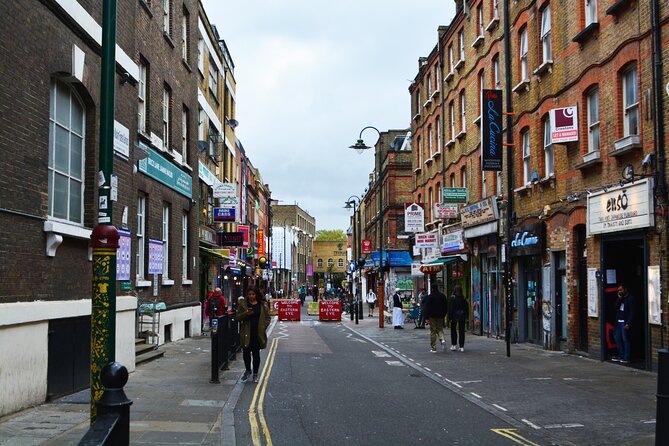
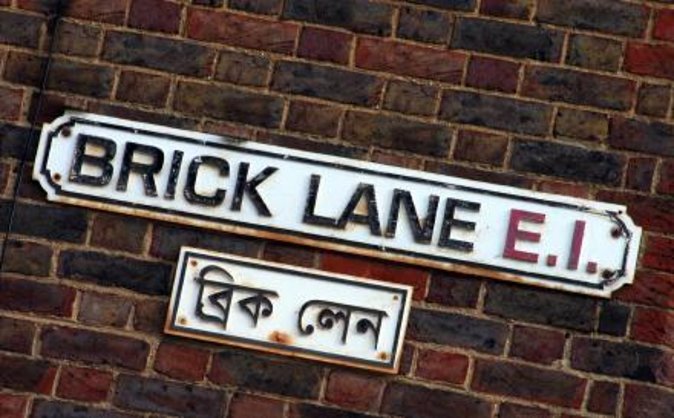
Next up is Brick Lane, where you’ll stop at the site of a pub connected to Polly Nichols’ final night. This part of the walk focuses on alcoholism and addiction in the Victorian era.
Even if you’ve read about the case before, this framing is useful. You’re not just hearing a date and a name. You’re being guided toward an understanding of why addiction was such a hard trap to escape in that time period, especially when jobs, support networks, and safe housing were limited.
The tour also stops for a short 15 minutes at the Brick Lane Mosque. Here, the story shifts outward, beyond a single case, to explain the history of immigration into the East End and the area’s cultural diversity. That’s a smart balance. It keeps the tour from turning into a single-issue narrative and reminds you that Whitechapel and Brick Lane are communities, not just crime scenes.
One practical note: Brick Lane can feel busy at night. In a group of 20, you’ll still get your turn at the key points, but it helps to stay close and follow the guide when crossing streets.
Spitalfields Sites: Truman Brewery, Annie Chapman, and Why Ten Bells Matters
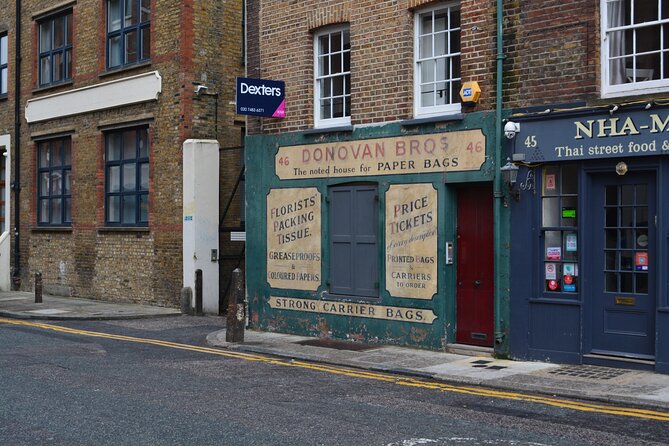
In Spitalfields, the tour leans hard into place-based storytelling. You’ll visit the site of the old Truman Brewery, once described as the largest brewery in the world. Even if you don’t remember brewery facts later, the stop is valuable because it gives you a sense of industry and employment in the same area where the murders happened.
From there, the tour moves to 29 Hanbury Street, the location where Annie Chapman was found on the morning of September 8. The guide pairs the location with her life and the heartbreak around what happened next, with an emphasis on the woman rather than sensational speculation.
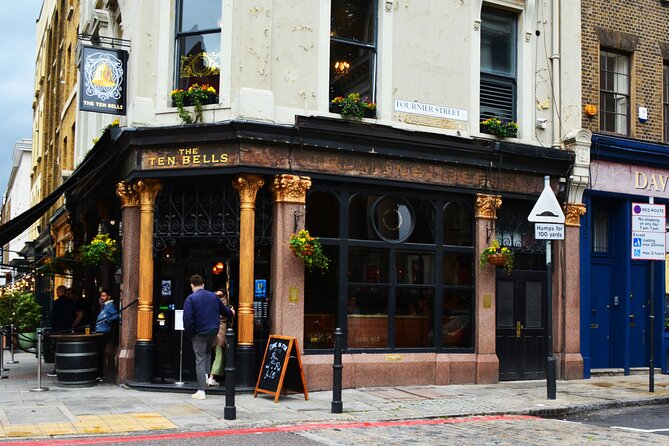
Then you’ll head toward the famous Ten Bells Pub for more about Annie’s life. One of the most interesting elements here is the modern civic push behind the pub’s name. You’ll hear how the Reclaim the Night movement helped force the pub to change its name back to Ten Bells from the Jack the Ripper-linked branding.
That story is more than trivia. It helps you understand how reputations and myths get manufactured, and how communities can push back on turning real people into branding.
This section is about 10 minutes, so it’s compact. The payoff is that you’ll see multiple layers of Spitalfields in a short time: industry, housing, and then the exact street-level places tied to the cases.




Old Spitalfields Market: Queen Victoria’s Era, Crispin Street, and Mary Jane Kelly’s Surroundings
The tour continues at Old Spitalfields Market, a market that opened in 1887. You’ll learn why that timing matters, since it sits right before the Whitechapel murders began and during major moments of the Victorian era. It’s a useful way to anchor your understanding of the city’s mood and momentum in that period.
Then, you’ll shift to Crispin Street, where you’ll see the site of a refuge for working-class people that actually worked. That phrasing matters. It helps you grasp that there were systems meant to offer support, even if they couldn’t solve everything.
Across the street is the former site of Mary Jane Kelly’s residence, described as the last victim in the murders and the most mysterious. If you’re expecting gore, you’ll be surprised by how the tour keeps things steady and restrained. Instead of leaning on graphic storytelling, it stays grounded in location and social context.
This stop is about 15 minutes, and it’s one of the best parts for me if you like to understand a neighborhood’s layout. You’re learning how people would have moved through the same streets and markets, not just reading about them.
Petticoat Lane Market and St Botolph’s Aldgate: Textiles, Sweden, and the Finish at Mitre Square
After Spitalfields, you’ll pass Petticoat Lane Market, described as the former heart of the textile industry in the East End. This is only about 5 minutes, but it adds something important: the economic engine of the area. It reinforces that these stories unfolded in a working world, where fabric, clothing, and labor were part of daily life.
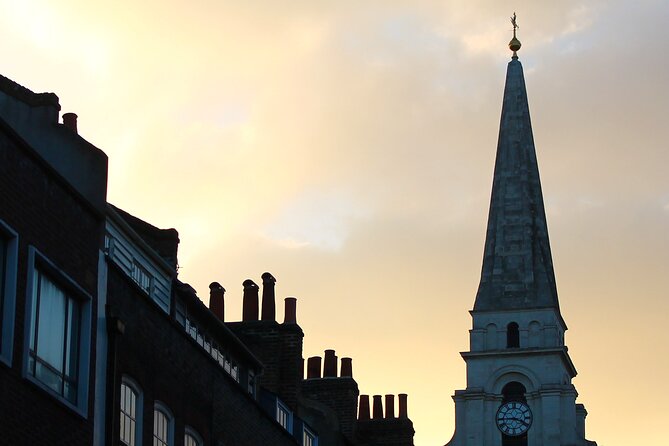
The tour then reaches St Botolph’s without Aldgate, at St Botolph’s Aldgate. Here, you’ll hear about Elizabeth Stride, originally from Sweden, and learn about her traumatic beginnings in Gothenburg before her later life in London.
This is one of those stops that adds scale. It reminds you that Victorian East End stories were not all local. People came from elsewhere, chased work, and often landed in difficult circumstances. That ties back to the tour’s main theme: vulnerability comes from systems, not just from individual weakness.
Finally, you’ll finish close to Mitre Square, where Catherine Eddowes’ body was discovered. You’ll hear about Catherine Eddowes as a feisty figure from Wolverhampton, bringing a sharper character focus to the end of the walk.
That last stretch is about 25 minutes. It’s long enough for the guide to wrap the narrative threads together, and it gives you time to ask any last questions before you leave the group.
Why This Feels Different From the Usual True Crime Walk
The best praise you’ll see for this tour is consistent: it doesn’t sensationalize. You don’t come away feeling like the women were reduced to plot points.
Instead, the structure is built around three things:
- Specific locations so the story is tied to real street-level evidence.
- Victims’ lives so you’re seeing people, families, and circumstances.
- Victorian context so you understand why these cases emerged in that era.
Past participants also mention that there are no grisly pictures and that the approach is more history than true crime. That does not mean it’s lighthearted. It means it’s handled with restraint and respect, which is exactly why it works for families and mixed-age groups who still want a meaningful experience.
Cecily and Ellie are repeatedly described as friendly and well-versed in the locality and late 19th-century life, and that matters because this tour is not just naming sites. It’s explaining what those sites meant.
What I’d Do Before and After the Tour
Because the tour is timed for evening, I recommend you plan like this:
- Eat beforehand if you can, since you’re covering about two hours on foot.
- Bring a small water bottle and wear comfortable shoes. Night walking plus multiple street crossings can add up.
- If you want photos, keep it respectful. You’ll be standing at sites that have heavy meaning.
Afterward, you’ll end at Spitalfields Market, which is convenient because you can continue your evening without a long transit scramble. If you ask your guide, they may offer suggestions for nearby restaurants, pubs, and shops, since that kind of local help is part of how they’re described in past experiences.
Who Should Book This Tour (and Who Might Prefer a Different One)
This is a great fit if you want:
- A women-centered approach that puts victims’ lives first.
- East London street-level history tied to Whitechapel, Brick Lane, and Spitalfields.
- A guided route that’s respectful and factual, with no need for gruesome imagery.
You might consider another option if you’re specifically hunting for the killer myth, or if you expect a fast, dramatic, nonstop true crime style. This tour leans into sociology and lived experience, and it moves at a history-walk pace with frequent stops.
Also, if you have mobility concerns, you’ll want to note that it is a walking tour. The good news is that groups mention frequent stops and places to sit if needed, and most people can participate. Service animals are allowed, too.
Should You Book This Jack the Ripper: What About the Women? Tour?
Yes, if you want your London history and your crime history to be grounded in real people, not sensational storytelling. For the price, you’re getting a focused route across key East End locations, a guide who clearly cares about accuracy and respect, and a narrative that changes how you understand the Whitechapel cases.
Book it when you can do an evening walk comfortably, and when you want something deeper than the usual “who did it” chatter. If that sounds like your kind of London evening, this one is an easy yes.
FAQ
Where does the tour start and end?
It starts at Aldgate High St, London EC3N 1AH, UK and ends at Spitalfields Market, 65 Brushfield St, London E1 6AA, UK.
What time does the tour begin?
The start time is 6:30 pm.
How long is the tour?
It runs for about 2 hours.
Is the tour offered in English?
Yes, it is offered in English.
How big is the group?
The tour has a maximum of 20 travelers.
Will the tour be graphic?
The tour avoids grisly pictures and is described as a history-focused approach rather than sensational true crime, which is why it is presented as a safer option for children to attend.
What if the weather is poor or I need to cancel?
The tour requires good weather, and if it is canceled due to poor weather you’ll be offered a different date or a full refund. You can also cancel for a full refund up to 24 hours in advance.
More Tour Reviews in London
Not for you? Here's more nearby things to do in London we have reviewed







More Jack the Ripper Tours worth a look.
 ★ 4.7The Original Jack the Ripper Walking TourTickets from $257,833 guest reviews
 ★ 4.5London Jack the Ripper Guided Tour with Ripper-VisionTickets from $274,840 guest reviews
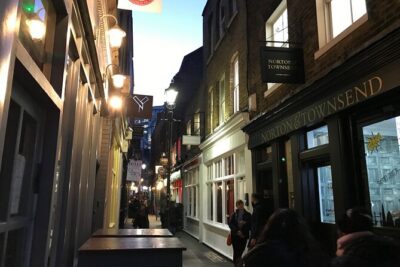 ★ 4.7Jack the Ripper Small Group TourTickets from $263,159 guest reviews
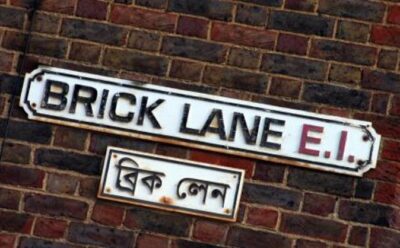 ★ 5.0London Jack The Ripper Guided Walking TourTickets from $03,131 guest reviews
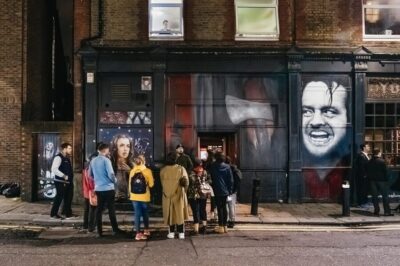 ★ 4.6German Language : Original Jack the Ripper TourTickets from $241,805 guest reviews
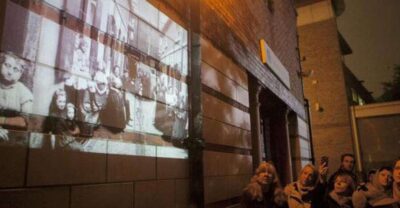 ★ 4.5Jack the Ripper Walking Tour – Ripper Vision ToursTickets from $261,752 guest reviews
 ★ 5.0Ultimate Jack the Ripper : Guided Tour of LondonTickets from $271,495 guest reviews
 ★ 4.9Jack the Ripper Evening Walking TourTickets from $331,449 guest reviews
Continue by place or experience