
REVIEW · JACK THE RIPPER TOURS
Jack the Ripper Walking Tour: Murder, Mystery, & the Women
A killer turned London’s East End into a nightmare in 1888. This 2-hour walking tour follows the case through the streets of Whitechapel, built around the five women who were killed, the police investigation, and the Victorian conditions that made escape easy. I like that it stays grounded in social history, not just spooky legend. One thing to consider: you will hear and see details of the murders, including photographs, so it is not for everyone’s comfort level.
I especially like how the tour connects each victim to real places and everyday life in Whitechapel. You stop where the crimes happened, and you also get a sense of how brutal housing and poverty shaped what the police could (and couldn’t) do. It’s also a practical length for a day in London, since you are walking the story without losing half a day to transit and detours.
For value, the price is reasonable for the time and focus, but don’t expect a marathon route. It also does not go inside buildings, and it can’t cover every single murder site because some are too far apart for a 2-hour walk.
Key Things You’ll Notice on This Whitechapel Murder Mystery Walk
- Five victims, front and center: Mary Ann Nichols, Annie Chapman, Elizabeth Stride, Catherine Eddowes, and Mary Jane Kelly are the heart of the story.
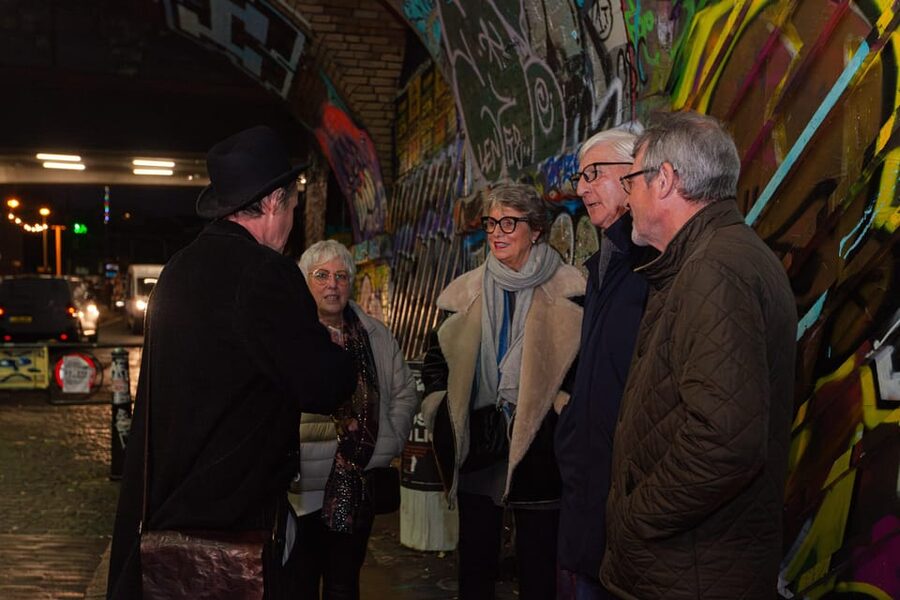
- You stand in the locations linked to the case: The tour places you at key crime sites and surviving street-level locations tied to the women’s lives.
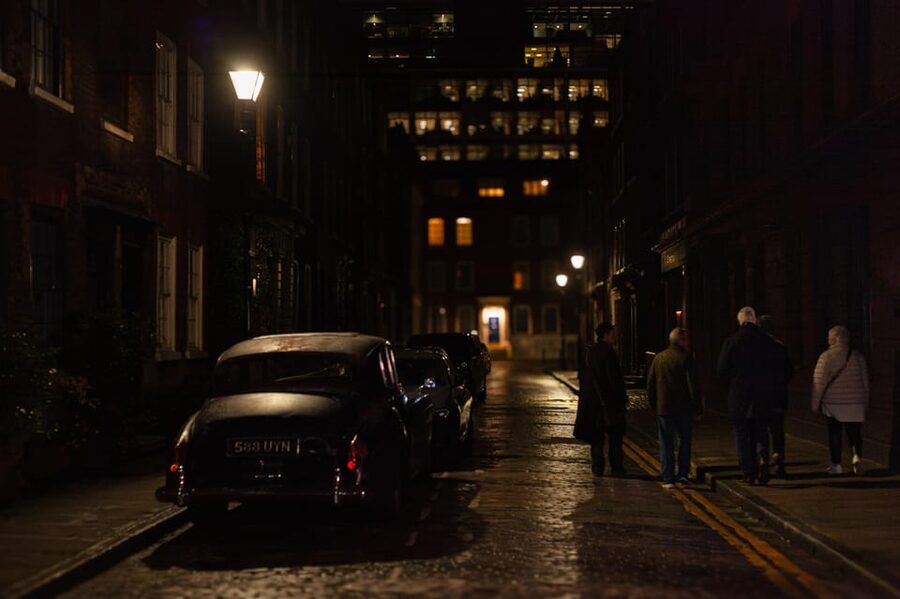
- 300-year-old street context: You see buildings from the time the area developed and the kinds of places people lived.
- Investigation and suspects are part of the walk: You get the chain of events, why it went wrong for police, and the debate over leading suspects.
- Film connection, handled carefully: You also see the pub that appeared in Johnny Depp’s movie From Hell.
- One tour length, realistic limits: You get the main storyline, but not every far-flung murder site.
Entering Whitechapel at Shoreditch High Street Overground
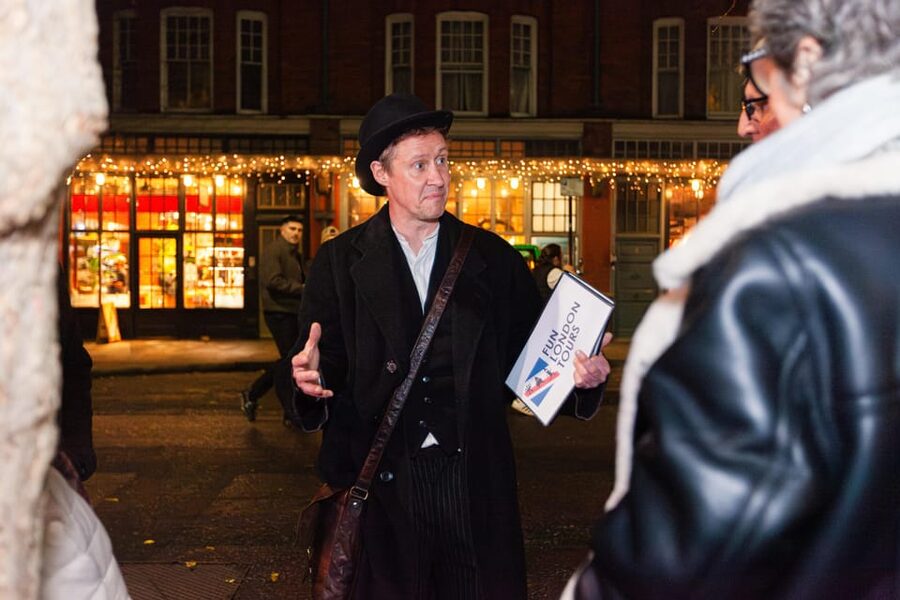
The tour starts right by Shoreditch High Street Overground Station, on Braithwaite Street. Your guide will be carrying a Fun London Tours flag, which makes it easier to find the group even if you are arriving a little frazzled from London transport.
This is a smart way to begin because you get oriented on the East End context first, then you move into the Whitechapel streets while the case is still fresh in your head. Bring comfortable shoes, because even a short two hours can feel long if you are not used to cobbles and steady walking.
If you are doing this as a first-time London visit, I’d pair it with another nearby activity that keeps you in the East End theme. If you are already tired from museums, plan this as your “watch your step” activity rather than your “push through on low energy” activity.
You can also read our reviews of more walking tours in London



Whitechapel Streets, Surviving Buildings, and the Feel of 1888
What makes this tour work is the way it uses place to explain people. You are walking in Whitechapel, and you also see street-level buildings from around 300 years ago, which helps you picture what daily life would have looked like back then. The guide’s job is not just to point and say tragedy happened, but to connect those streets to the conditions that shaped the victims’ lives.
The route is built around a simple rule: you spend time where it matters. You do not jump around randomly. You move through narrow alleys and dark streets, and the story stays tied to the geography of the murders and the investigation.
Two important expectations up front. First, the tour does not go inside buildings, so you will not get that interior “living-room replica” feeling. Second, the stops and sites are spread out enough that the tour has to prioritize the most relevant locations within a tight time window.
The Five Victims: How the Tour Keeps the Story Human
A lot of Jack the Ripper tours get trapped in theories and ignore the people. This one tries hard to do better by focusing on the women who were killed: Mary Ann Nichols, Annie Chapman, Elizabeth Stride, Catherine Eddowes, and Mary Jane Kelly.
I like that structure because it keeps the case from turning into a trivia game. When you learn a victim’s background in the context of Whitechapel life, the murders become less like a puzzle box and more like a brutal outcome of poverty, isolation, and limited protections.
You also follow the series of events that led to the murders, so the tour doesn’t feel like five separate stories. It reads more like a chain: life in Whitechapel, then the crimes, then what investigators could and could not do afterward.
One practical note: children under 16 are not suitable for this tour. That’s not just about age rules, it’s about tone and subject matter. If you are bringing a teen, I’d still think twice if they are sensitive to violent details and photographs.
Standing at the Murder Locations (Without Turning It Into Theater)
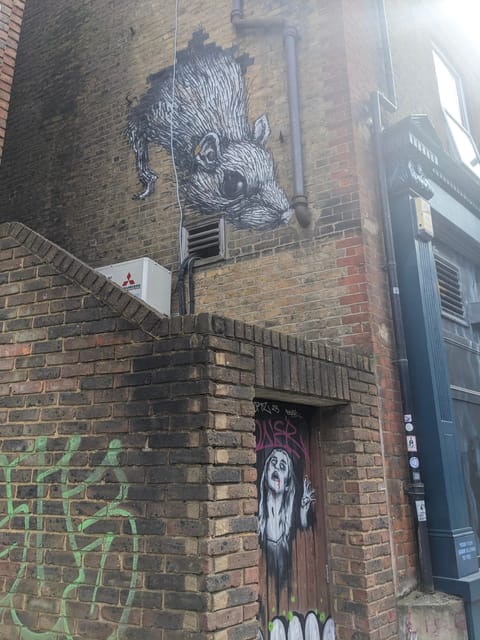
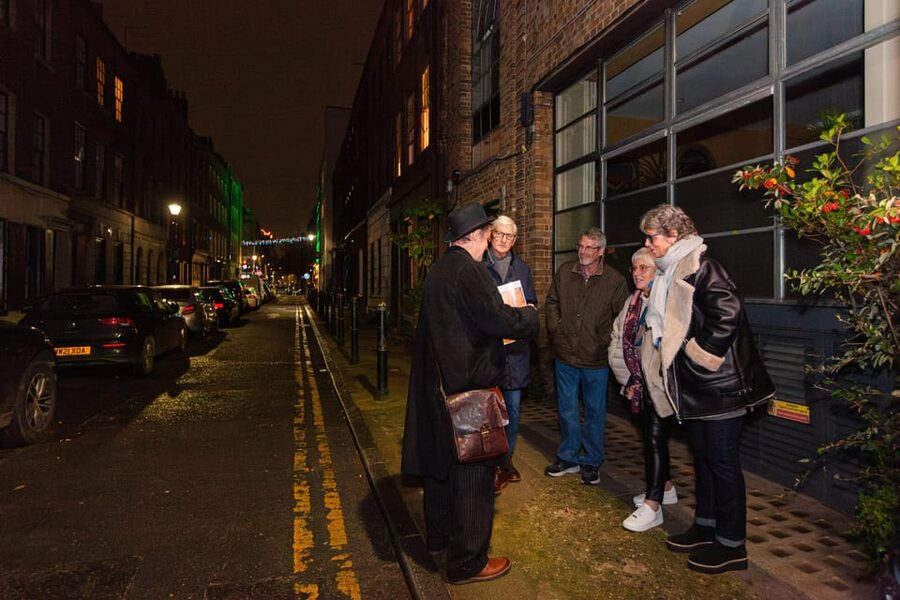
You do get to stand at locations where the murders took place. That matters because the East End is not a museum set, it is a living neighborhood. When you are on the same streets, the story lands differently than it does from a screen or a book.
At the same time, the tour is clear about sensitivity. You should expect the guide to talk about the details of the murders, and you might see photographs of the murder scenes. That combination means you are getting a more direct telling than a “light spooky walk.”
If you are the kind of person who gets queasy with graphic imagery, you’ll want to mentally prepare. Wearing weather-appropriate clothing can help too, because feeling cold or uncomfortable makes a darker story feel heavier.
The Investigation Story: Police Limits, Leading Suspects, and the Unsolved Ending
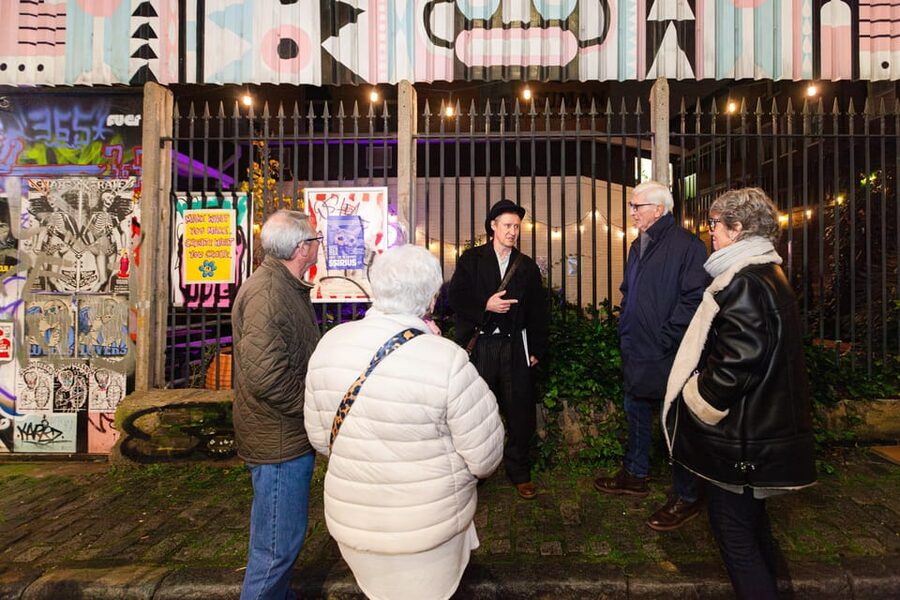
Here is where the tour tries to give you a fair picture, not just a neat conclusion. You walk through the investigation, including the chain of events and the evidence left behind, and you also hear about the leading suspects and why the case never got solved.
I like that the tour frames the “why” in realistic terms. Police failure is rarely one single mistake, and in Victorian East End conditions, it could be everything from rapid movement in an overcrowded area to limited forensic options and complicated witness situations. The tour’s emphasis on Victorian conditions is key because it helps you understand why the killer could vanish without a trace.
You also get to consider whether conspiracy or coincidence kept the truth buried. That doesn’t mean the tour claims one definitive answer. It means you are encouraged to reason with the evidence that was (and wasn’t) available.
If you love mysteries, this is the kind of ending that works well. Unsolved does not mean unexplained. It means you walk away with more context for the uncertainty.




The From Hell Pub Stop and Why Film Shows Up at All
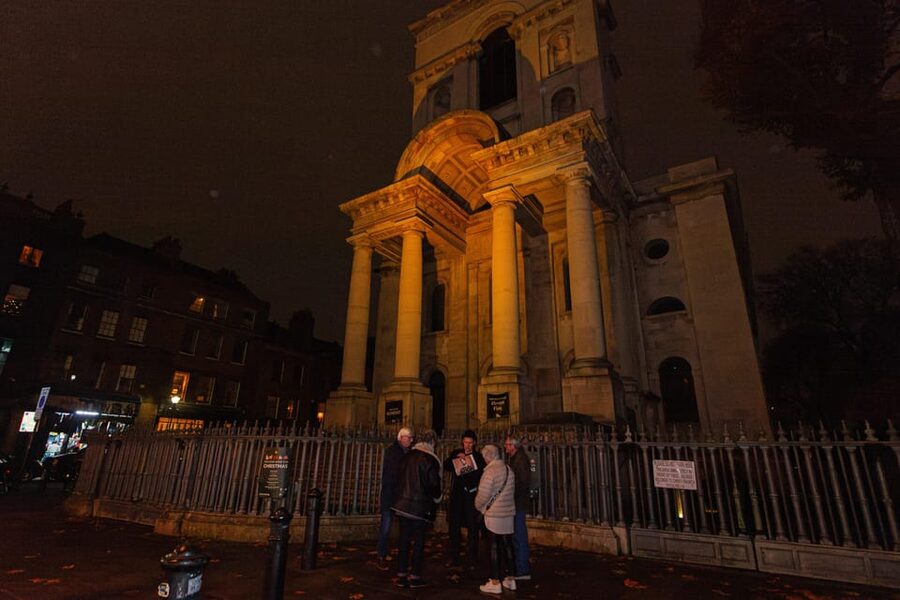
There’s a fun, practical detour on the route: you see the pub that appeared in Johnny Depp’s movie From Hell. This stop can be a mental reset because it connects the legend to modern London pop culture.
But the tour doesn’t treat film as truth. It uses that recognizable marker as a waypoint, then brings you back to the real-world setting. I like that blend because it gives you a landmark you can picture later, while the guide keeps the focus on the actual Whitechapel story.
If you are a film fan, you might find yourself noticing how stories get repackaged over time. If you are not a film fan, don’t worry. This is still a short, contextual stop inside a broader walking narrative.
Duration, Pace, and the Real Meaning of “Only Two Hours”
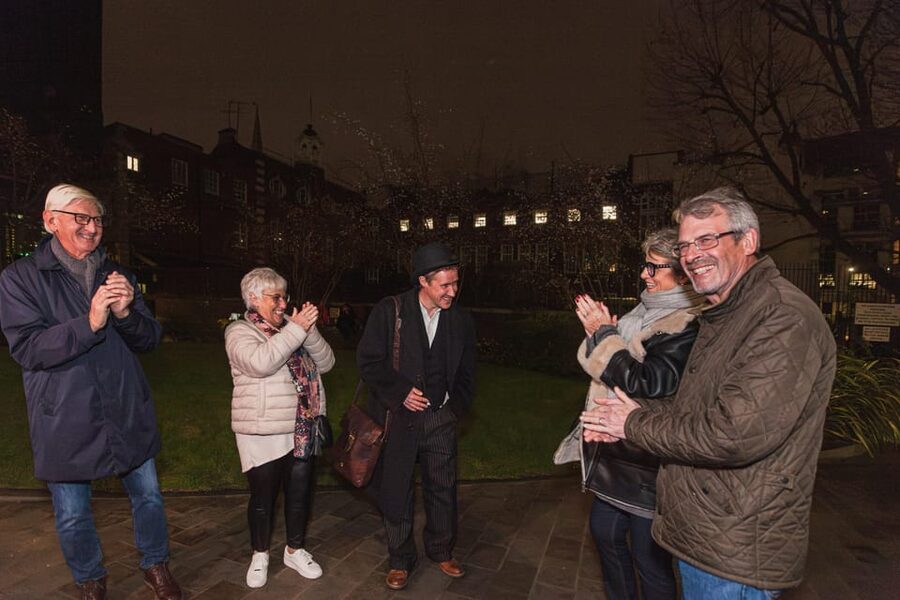
Two hours sounds short, but it is a decent length for a focused murder walk if the guide keeps momentum. You cover a sequence of key areas tied to the case, rather than trying to “check every box” across the entire city.
The trade-off is built in. The tour cannot visit all murder sites because some are too far apart. That limitation is not a failure. It’s how you protect the quality of the storytelling within a reasonable walking time.
I’d recommend doing this when you can give it your full attention. If your day is packed, try not to schedule back-to-back tours that create decision fatigue. This kind of story deserves a calm pace.
Price and Value: Is $26 Worth It?
At about $26 per person for a two-hour guided walk, the price lands in the “reasonable, not cheap, not outrageous” zone for London. You are paying for a live guide, a tight routing plan, and specific local context tied to real sites in Whitechapel.
The tour adds value in a few concrete ways. You get guided insights into the lives of the victims, you see surviving buildings linked to the time, and you get interpretation around evidence and the unsolved nature of the case. Those are the kinds of things that just do not happen if you walk with a generic map.
Where I’d be cautious is expectation setting. This is not an all-sites, all-evidence, courtroom-length experience. If you are the type who wants every possible location and theory, you may feel a little constrained. If you want a strong narrative walk that gives you context fast, it’s a good deal.
Practical Rules, Comfort Notes, and What to Bring
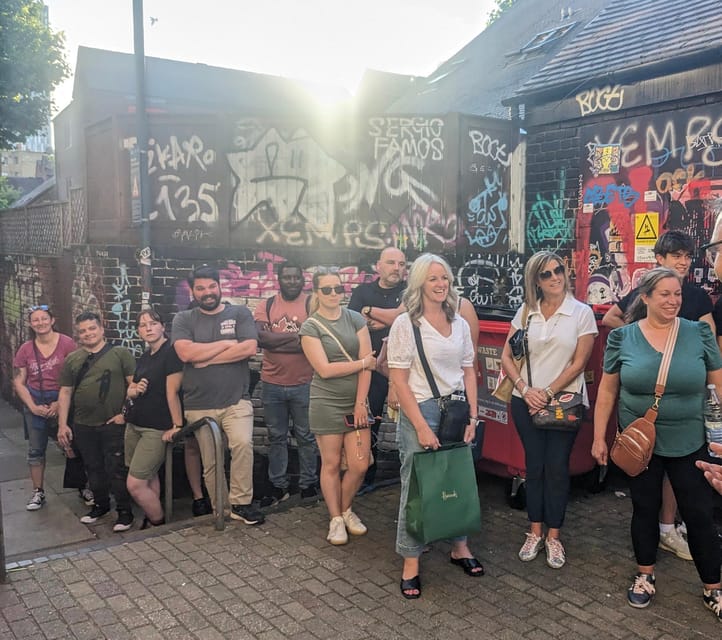
This tour has clear rules, which makes it feel respectful and controlled. Smoking is not allowed, pets are not allowed (assistance dogs are permitted), and you cannot bring tripods. Video recording and audio recording are also not allowed, and alcohol and drugs are not permitted, which helps keep the group atmosphere serious.
It’s also not suitable for people with heart problems. That likely means the pace and walking effort may be more than a relaxed stroll. The good news is that the tour is listed as wheelchair accessible, so there is at least a pathway for mobility needs, but you should still plan on street-level walking and turns.
What to bring is simple and important: comfortable shoes and weather-appropriate clothing. Two hours in London can swing from pleasant to miserable quickly, and you’ll want to stay comfortable enough to focus on the story.
What You Can Learn If You’re a First-Timer
If you only know the basics of Jack the Ripper, this tour is a solid way to upgrade your understanding. The biggest payoff is that the guide isn’t just reciting famous names. You learn who the women were, how life in Whitechapel shaped their paths, and what the investigation looked like in real conditions.
It also helps you see the difference between legend and context. The story stays tied to place, time, and constraints. That makes the mystery feel more grounded, even when it stays unsolved.
And yes, the route includes that pop culture reference point with the From Hell pub, which can help you anchor the story in memory. It’s easier to remember streets when you have a recognizable landmark.
A Quick Note on Service Reliability
I’d also pay attention to reliability signals before you go. In the feedback I reviewed, there was at least one complaint about a last-minute cancellation and a refund not arriving quickly. That doesn’t mean it’s a regular pattern, but it’s a good reason to book with your schedule in mind and double check your confirmation details.
If you’re flexible and you can reschedule, the tour’s free cancellation window helps. If your trip is tight, I’d keep an eye on day-of timing so you’re not left scrambling.
Should You Book This Jack the Ripper Walking Tour?
Book it if you want a two-hour Whitechapel walkthrough that centers the victims and explains the investigation in a way that fits real neighborhood conditions. I think it’s especially good for first-timers who want more than ghost-story vibes and prefer a narrative with real geography, real names, and clear context.
Skip it if graphic details would likely upset you. Expect murder details and photographs of the scenes. Also skip it if you need a relaxed, low-stimulation outing, because the content is serious and the walk is purposeful.
If you do book, I’d plan this as your main East End activity for the day. Get good shoes on early, bring the right layer for the weather, and let the guide’s story do what it’s built to do, make 1888 feel real on modern streets.
FAQ
How long is the Jack the Ripper walking tour?
The tour lasts 2 hours.
How much does the tour cost?
It costs $26 per person.
Where do I meet the guide?
Meet directly outside Shoreditch High Street Overground Train Station on Braithwaite Street. Your guide will carry a Fun London Tours flag.
Where does the tour finish?
The tour finishes at Mitre Square.
Does the tour go inside any buildings?
No. The tour does not go inside buildings.
Which victims are included in the story?
The tour covers Mary Ann Nichols, Annie Chapman, Elizabeth Stride, Catherine Eddowes, and Mary Jane Kelly.
Is the tour wheelchair accessible?
Yes, it is listed as wheelchair accessible.
What should I bring?
Bring comfortable shoes and weather-appropriate clothing.
Is this tour suitable for children?
No, it is not suitable for children under 16 years.
More Walking Tours in London


More Tours in London



More Tour Reviews in London
Not for you? Here's more nearby things to do in London we have reviewed









More Jack the Ripper Tours worth a look.
 ★ 4.7The Original Jack the Ripper Walking TourTickets from $257,833 guest reviews
 ★ 4.5London Jack the Ripper Guided Tour with Ripper-VisionTickets from $274,840 guest reviews
 ★ 4.7Jack the Ripper Small Group TourTickets from $263,159 guest reviews
 ★ 5.0London Jack The Ripper Guided Walking TourTickets from $03,131 guest reviews
 ★ 4.6German Language : Original Jack the Ripper TourTickets from $241,805 guest reviews
 ★ 4.5Jack the Ripper Walking Tour – Ripper Vision ToursTickets from $261,752 guest reviews
 ★ 5.0Ultimate Jack the Ripper : Guided Tour of LondonTickets from $271,495 guest reviews
 ★ 4.9Jack the Ripper Evening Walking TourTickets from $331,449 guest reviews
Continue by place or experience