

REVIEW · JACK THE RIPPER TOURS
Jack the Ripper tour in Spanish
Victorian shadows, guided in Spanish. I love how the night walk turns Whitechapel into a real place, not a postcard, and how the Guía en español keeps the story clear and human. If you get Iván, his focus on victims and context feels especially well prepared.
You should know there is a dark side here. This tour includes discussion of real historical murders, and it may not be suitable for young children or sensitive audiences, especially if graphic details and visual content are a problem for you. Also, it is an outdoor walk, so dress for the weather.
Key points at a glance
- Spanish narration that keeps the 1888 story easy to follow
- Whitechapel and Spitalfields street stops tied to the case atmosphere
- A Ripperologist guide who explains theories and the investigation in plain terms
- Paranormal and urban legend elements added to the walk
- Ten Bells Spitalfields as both a key landmark and the finishing point
- Two hours outdoors, so sensible shoes and layers matter
Entering Whitechapel After Dark With a Spanish Ripperologist Guide

If you like true crime, London’s East End works best at night. The streets feel tighter, the corners feel sharper, and suddenly the famous 1888 case does not feel like a dusty textbook topic.
What makes this tour work is the guide. You get a dedicated Ripperologist guide leading in Spanish, and that matters more than you might think. The story of Jack the Ripper is full of dates, names, places, and rumors. When it is delivered in Spanish with care, you can actually track it without needing to pause every few minutes to translate in your head.
I also like the balance the guide aims for. You are not only walking past landmarks. You are hearing how people lived in the East End, the pressure of poverty and overcrowding, and why fear spread so fast when the murders made headlines. That social context turns the mystery into something grounded, not just sensational.
The only caution I keep in mind is tone. This is not a light ghost story. There are real historical murders involved, and the tour is designed with that in mind.
You can also read our reviews of more tours and experiences in London.
Starting at St Marys Whitechapel Church Memorial, Then Moving Into the East End

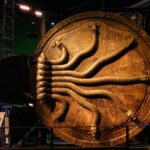
The tour begins at St Marys Whitechapel Church Memorial. Starting here gives you a strong sense of place right away, and it sets the rhythm for what follows. You are stepping into the part of London where the case became a citywide obsession.
From there, the walk heads into Whitechapel, and that is a big deal. Whitechapel is the word people throw around when they talk about the Ripper, but the walk format helps you place it spatially. You are moving through the same kind of dense, street-level environment where small changes in route, lodging, and patrols could matter.
Because it is a guided walk, you get more than the headline version. You hear about the lives of the victims, how the East End worked socially, and why the fear felt immediate. That is often what turns a themed tour into something you remember.
One drawback for some people: this is outdoors from start to finish. If weather is nasty, you will feel it, even if the walking is not described as steep or stair-heavy.
Whitechapel’s Key Stops: Ten Bells Spitalfields, Pubs, and Real-World Atmosphere
One landmark anchors a lot of the experience: The Ten Bells Spitalfields. You pass it during the route, and the tour also finishes there. That gives the evening a clear arc. You see the place early enough to understand why it is relevant, then you end where the story’s mood can settle.
The tour connects the case to locations like pubs and streets, not just broad neighborhoods. It also references former lodging houses and other spots where key events are said to have unfolded. Even when you are only passing by, the guide helps you connect the buildings to the human story inside them.
I like how this approach avoids a common trap. A lot of Jack the Ripper tours list stops, but do not connect them into a sense of movement. Here, the guide keeps the thread moving: life conditions in the East End, then the murders, then the investigation and the myths that grew afterward.
And yes, there is an urban legend and paranormal layer. The tour includes visits to sites linked to paranormal activity, and it brings in theories about the killer’s identity. If you prefer your history strict and factual, you can still enjoy it, as long as you treat the supernatural elements as part of the lore rather than proof of anything.
Passing Christ Church Chelsea: Adding Another Layer of Place

A mid-route pass brings you by Christ Church Chelsea. Even if you are not expecting that exact name in a Whitechapel-focused walk, it does something useful for your brain: it reminds you the story is not trapped in one street or one single cluster of buildings.
A church stop like this can also help you understand the era’s structure. In Victorian London, religious buildings and community spaces sat alongside the harsh realities of daily life. That contrast is part of what made the case so shocking when it broke.
The tour’s strength is how it pairs place with context. You are not just looking at a facade. You are hearing the guide frame what the area meant to people at the time, including the social conditions that shaped fear, movement, and survival.
If you have a sharp eye for architecture, you might enjoy noticing how the building’s character differs from the streets around it. If you are more focused on the story, that is fine too. The guide should keep your attention on what matters for the narrative.
Mitre Square and the Feeling of Clues in Plain Sight
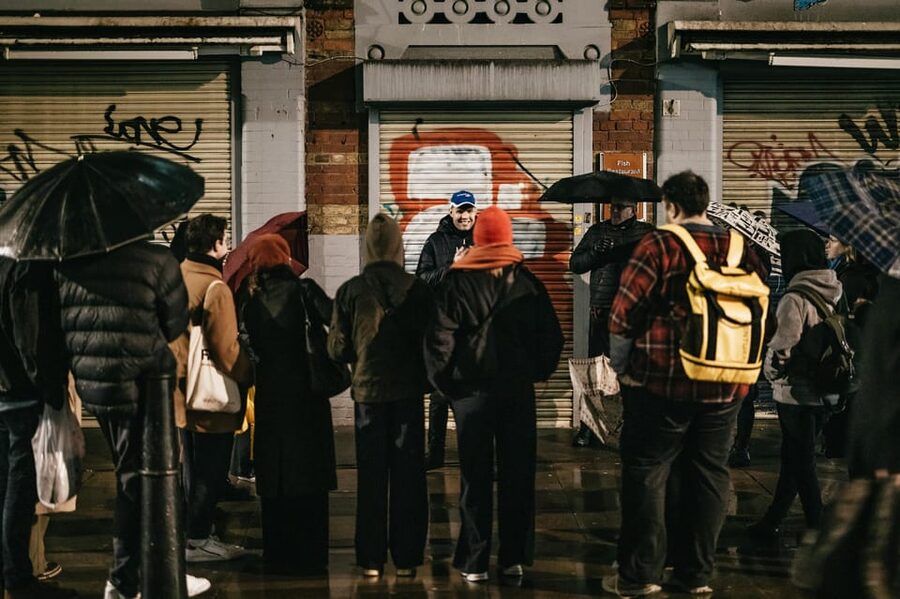
Next, you pass Mitre Square. Squares are interesting on these walks because they break up the maze feeling. A square gives you a visual reference point, and it also acts like a natural stage set for theory and investigation talk.
This is where the “why this mystery lasted” theme can land hardest. The case remains one of the greatest criminal mysteries in history, and the tour spends time on the police investigation and the suspects that have fascinated historians and true crime fans for more than a century.
What I like here is that theories are treated as theories. The guide gives gripping accounts and unsettling context, but the walking format keeps it practical. You are seeing the environment that fueled the rumors, not just hearing names in the abstract.
If you are sensitive to crime details, this is the point where you might choose your personal pacing. You can lean in for the full story, or you can focus on the setting and the human context rather than the gory specifics.




Brick Lane: Where Stories, Neighborhood Change, and Legend Collide
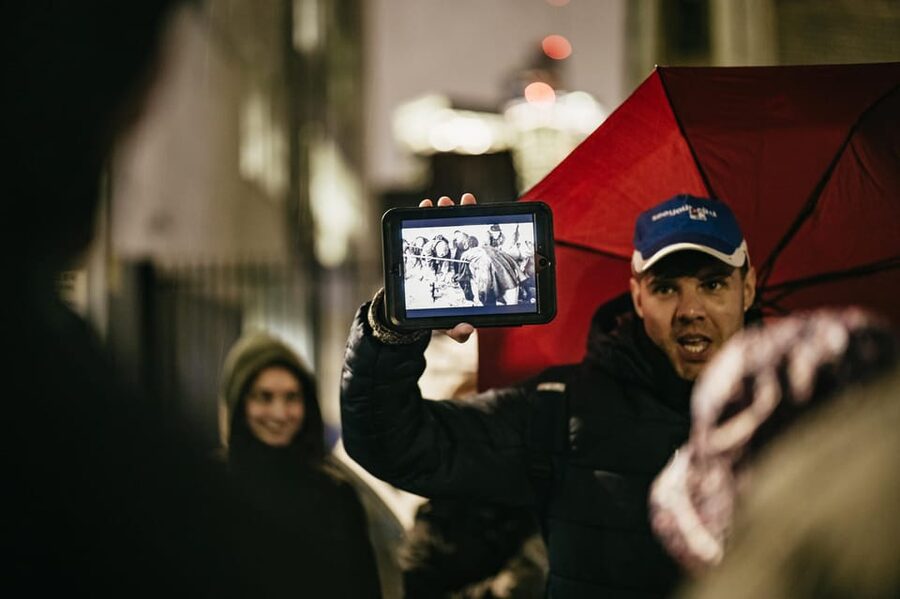
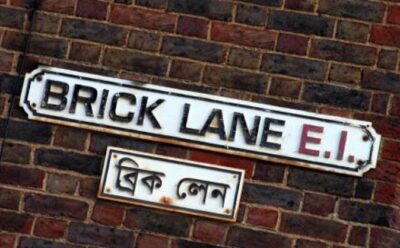
Then you reach Brick Lane on the route. Brick Lane is one of those London streets that feels layered, even today, with different waves of community and culture moving through over time. On this tour, it plays a practical role: it helps you connect the case to the broader East End geography.
The guide uses stops like Brick Lane to keep the sense of narrative alive. You are moving from one connected location to another, so the story feels less like a checklist and more like an evening walk with a point.
This is also where the urban legends and paranormal angle can feel most fun, because it is woven into places people already talk about. The East End has long carried stories, and the tour reflects that. You will hear theories and local myths alongside the real historical backdrop.
My advice: keep your expectations in the right lane. If you go looking for certainty, you may leave with questions. If you go looking for atmosphere, context, and how the mystery got built, you will probably enjoy it a lot.
The Paranormal Angle: How to Enjoy It Without Losing the Thread
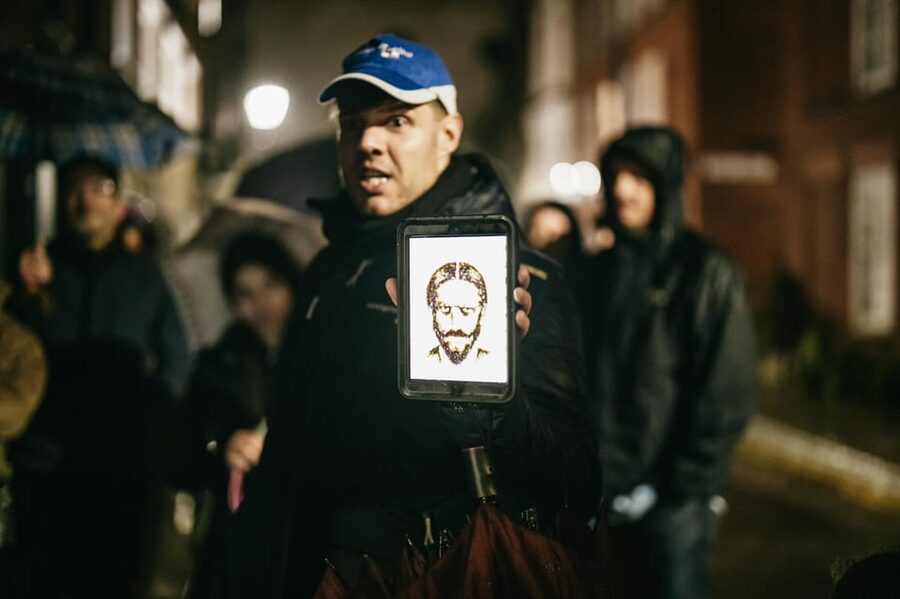
This tour does not only cover the historical case. It explicitly includes paranormal activity sites and local urban legends. That means the evening has two moods running at once: the Victorian crime story and the modern mythology that grew around it.
Here’s the trick for enjoying it: treat the supernatural elements as folklore and storytelling devices, while letting the guide ground you in social conditions and the investigation. When the guide is good, you do not get pulled into fantasy. You get a better sense of why rumors spread and why the case still grabs attention.
The guide also covers possible identities of the killer and what made the police investigation so hard. You get the suspense of uncertainty without needing to accept every theory as fact.
If you are the kind of person who likes your history straightforward, you can still appreciate the tour’s craft. You are watching how people turn real fear into lasting legend.
How Much Is $24 for a Two-Hour Jack the Ripper Tour in Spanish?

At about $24 per person for a 2-hour walking tour, the value depends on what you want out of London at night. If you want a quick hit of atmosphere with zero explanation, there are cheaper options. If you want guided storytelling that ties together victims, social conditions, the investigation, and the myths, this price makes sense.
You also get a real guide, not a generic audio track. The tour includes a Ripperologist guide and is structured around connected sites like St Marys Whitechapel Church Memorial and The Ten Bells Spitalfields. Two hours is long enough to feel you covered the essentials, but short enough to avoid turning into a slog.
I especially like that the guide speaks Spanish. Paying for a tour in a language you understand is a form of value you can feel immediately. You spend your attention on the story, not on translation.
What You Learn About the 1888 Case, Victims, and Fear
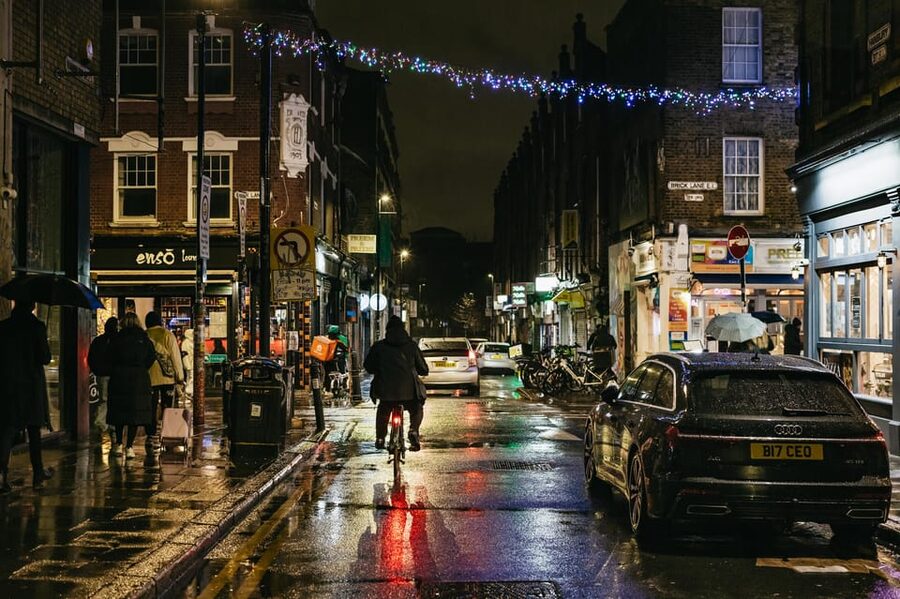
A big part of why people pick a Jack the Ripper tour is the blend of human tragedy and historical uncertainty. This one leans into both.
You learn about the victims’ lives and the social conditions in the East End, including poverty and overcrowding. That context is not filler. It explains why fear could take over so quickly and why the case captured the whole city’s imagination.
Then the tour moves into the terror of the murders, the way headlines traveled, and the questions that still hang over the case today. The guide covers theories about who the killer might have been and also talks about the police investigation and suspects that true crime fans keep returning to.
I also appreciate the clarity around the meaning of the mystery. You are not only hearing what people guessed. You are learning why it stayed unsolved in the way mysteries often do: limited information, intense fear, and a flood of speculation.
Where You End: Ten Bells Spitalfields and an Easy Letdown Into the Night
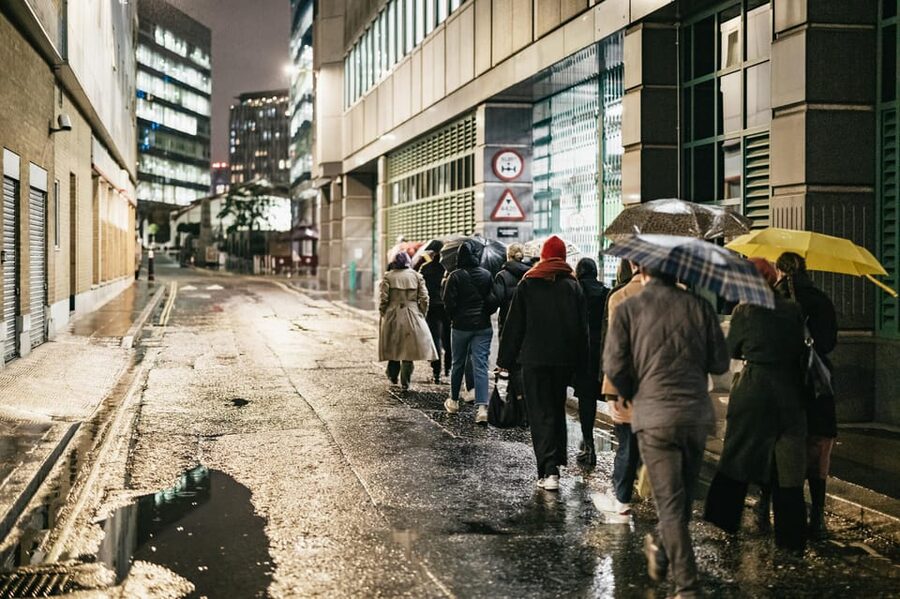
The tour finishes at The Ten Bells Spitalfields. Ending at a recognizable place helps. You are not hunting for your way out in the dark while your brain is still buzzing with theories and details.
Since food and drinks are not included, you will likely decide your own next step nearby. That can be as simple as grabbing something warm if the weather turns, or heading back to your plans with the story still fresh in your head.
The point of the finish matters too. Ten Bells is not just a random endpoint. It is a landmark the guide treats as important enough to start connecting early and wrap the walk around later.
Who Should Book This Spanish Jack the Ripper Walk?
This is a good fit if you want a Spanish-led Jack the Ripper experience that focuses on context, victims, and theories, while also adding urban legends and paranormal stops.
It is also a smart choice if you like walking tours that teach you how to read a neighborhood. You are not only ticking off sights. You are learning what the East End meant in 1888 and how that shaped the case.
It may be a less comfortable fit if you are looking for a gentle family outing. The tour includes discussion of real historical murders and may include graphic details and visual content. It is also stated that it is not suitable for young children or sensitive audiences.
Practical Tips for a Comfortable Outdoor Night Walk
Here’s how to make the most of the two hours outside.
- Wear shoes that handle uneven public paths. The info says there are no stairs or many inclines, but conditions can vary.
- Bring a layer. The whole tour is outdoors, so London weather can change your experience quickly.
- Plan for walking at night. This is a nighttime style activity, and you will be on your feet the whole time.
If you are coming by public transport, the nearest Underground station is Aldgate East Station. For the meeting point, look for the west entrance to Altab Ali Park, at the corner of White Church Lane and Whitechapel High Street, by the large iron arch gate.
If you need mobility support, the tour is described as wheelchair accessible. Still, the outdoor path conditions vary, so it is worth taking your own needs seriously before you go.
Should You Book This Jack the Ripper Tour in Spanish?
Book it if you want a structured, story-led Jack the Ripper walk through Whitechapel that you can follow in Spanish, with a guide who can handle questions and keep the historical context connected to the street-level locations.
Skip it or think twice if you are sensitive to crime details. This is real historical murder discussion, and it is explicitly flagged as not ideal for young children or sensitive audiences.
For most adults who enjoy true crime, Victorian London, and a bit of paranormal folklore, this tour looks like a strong value. Two hours, a dedicated guide, and key East End locations like St Marys Whitechapel Church Memorial and The Ten Bells Spitalfields give you an evening that feels like you are walking inside the mystery rather than just reading about it afterward.
FAQ
How long is the Jack the Ripper tour in Spanish?
The tour lasts 2 hours.
What is the price of the tour?
The price is $24 per person.
Where do I meet the guide?
Meet your guide at the west entrance to Altab Ali Park, at the corner of White Church Lane and Whitechapel High Street. The guide will be by the large iron arch gate.
Where does the tour start and where does it finish?
It starts at St Marys Whitechapel Church Memorial and finishes at The Ten Bells Spitalfields.
Is the tour guided in Spanish?
Yes, the live tour guide speaks Spanish.
Is food or drinks included?
No, food and drinks are not included.
Is the tour wheelchair accessible?
Yes, the tour is wheelchair accessible. The information also notes it does not include stairs or many inclines, though public path conditions may vary.
Is the tour completely outdoors?
Yes, the tour takes place entirely outdoors.
Is the tour suitable for children?
This activity may not be suitable for young children or sensitive audiences because it includes discussion of real historical murders and may include graphic details and visual content. Participants under 18 must be accompanied by an adult.
What is the nearest Underground station?
The nearest Underground station is Aldgate East Station.
More Tours in London



More Tour Reviews in London
Not for you? Here's more nearby things to do in London we have reviewed









More Jack the Ripper Tours worth a look.
 ★ 4.7The Original Jack the Ripper Walking TourTickets from $257,833 guest reviews
 ★ 4.5London Jack the Ripper Guided Tour with Ripper-VisionTickets from $274,840 guest reviews
 ★ 4.7Jack the Ripper Small Group TourTickets from $263,159 guest reviews
 ★ 5.0London Jack The Ripper Guided Walking TourTickets from $03,131 guest reviews
 ★ 4.6German Language : Original Jack the Ripper TourTickets from $241,805 guest reviews
 ★ 4.5Jack the Ripper Walking Tour – Ripper Vision ToursTickets from $261,752 guest reviews
 ★ 5.0Ultimate Jack the Ripper : Guided Tour of LondonTickets from $271,495 guest reviews
 ★ 4.9Jack the Ripper Evening Walking TourTickets from $331,449 guest reviews
Continue by place or experience