
REVIEW · JACK THE RIPPER TOURS
In Jack The Ripper Footsteps: Private Black Cab Tour in London
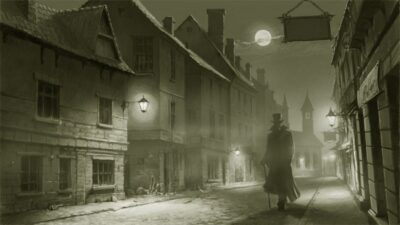
Jack the Ripper walked these streets. This private black cab tour strings together the East End in tight, guided segments, from Whitechapel in 1888 to later stops like Wapping and the Thames. Two things I really like are the one-group setting, which lets you ask questions without a crowd, and the warm, roomy black cab ride that keeps the experience comfortable when London weather turns.
The main drawback to plan around is the tone. You’ll be standing on real places tied to murder and gangland violence, so it’s not a light, jokey sightseeing loop. Also, it runs about 4 hours, with short photo stops, so you won’t get long stretches of wandering on your own.
Key things to know before you go
Private for up to 6 people, so the guide can tailor the pacing.
Hotel pickup and drop-off within 5 km of central London, or you’ll meet at Embankment Tube Station.
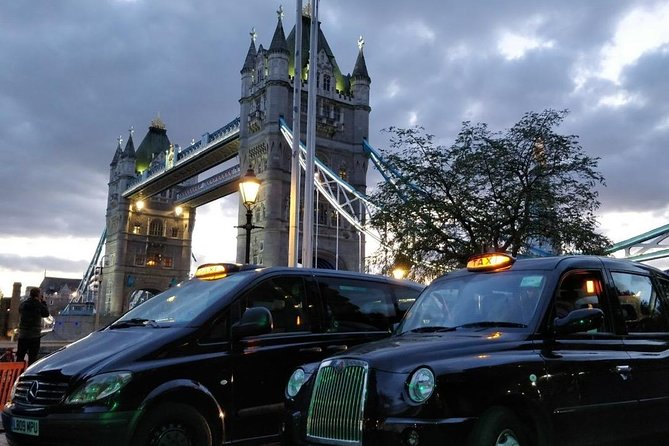
A taxi-style ride in a TXE, TX4, or Mercedes Vito London Taxi, with a private passenger compartment.
Short, focused stops tied to specific case locations and local crime-lore sites.
Strong guide energy, including named drivers like Chris Heerey, Mick Greenwood, and Bill Berry who get praised for answering questions and packing in stories.
COVID-era practicals built in, like sanitised vehicles and open-air presentation stops away from crowded hotspots.
Why a private black cab works for Jack the Ripper in London
London is huge, and the East End is where you need context. A black cab tour is helpful because it trades aimless walking for a guided route that keeps you oriented. You’re moving through neighborhoods where street patterns, old alleyways, and key landmarks still matter, even if the buildings have changed.
I especially like that this is set up as a true private tour for a group of up to six. That means you can steer the conversation. If you care about who lived where, how the police worked, or how the stories were retold over time, the guide can spend a little extra time on that instead of cutting everyone off.
One more plus: you’re not just hearing the headline names. The stops are tied to specific addresses and named locations, so the story has handles you can picture later. It makes the whole thing feel less like a generic crime documentary and more like walking a map.
You can also read our reviews of more private tours in London

Price and value: is $553.38 per group a smart buy?
This tour costs $553.38 per group for up to six people, lasting about 4 hours. If you split it across six, you’re effectively paying about $92 per person. Even at four people, it comes out to roughly $138 each. For London, that’s the kind of math that can make sense because you’re buying transportation plus a driver-guide.
What makes it better value than many “walk and talk” tours is the combination of:
- Hotel pickup and drop-off in the central area
- A black cab for getting between clustered sites
- A guided format that stays tight and timed
You’re also getting a lot of named stops in a single afternoon. Many self-guided attempts burn time bouncing between areas. Here, the schedule is built so you hit multiple locations tied to the same overarching story.
The trade-off is that you’re paying for convenience. If you enjoy long, independent wandering, you might feel the short stop lengths. But if you want structure, context, and transport, the pricing starts to look fair.
Getting to Embankment and how the timing actually feels
The tour starts at Embankment, London WC2N 6NS, and it ends back at the meeting point. If your hotel is in central London, they offer pickup within a 5 km radius. If you’re outside that range, the recommended meeting point where they pick you up is Embankment Tube Station.
This matters because Jack the Ripper sites are spread across East London, and you don’t want to waste time guessing trains or figuring out taxi stands. Starting at Embankment also gives you a clear anchor point for the day.
The pacing is built on short segments. Your longest stretch is about 40 minutes in Whitechapel, followed by around 30 minutes at Spitalfields Market. After that, you’ll be on brief looks, often in the 5 to 10 minute range at key locations. Those short stops are useful, because they force you to keep moving while the guide gives you the “why this address matters” context.
My practical advice: dress for quick transitions. You’ll be in and out of the cab, and East London evenings can be cold. Even if the route feels quick, you’ll still be standing still long enough to notice the chill.
The black cab ride: comfort, privacy, and small details that matter
A big reason people book black cab tours is comfort and control. On this one, you ride in a London taxi style vehicle such as TXE, TX4, or a Mercedes Vito London Taxi. The operator also notes that the transparent partition screen creates a private passenger compartment. Add in the fact that there’s a separately controlled air-conditioning system, and it’s a more enclosed experience than an open bus tour.
In cold or wet weather, the cab is more than a gimmick. It means you can keep listening while you travel between areas instead of stopping to catch your breath every time you cross the city.
Also, there’s a practical group comfort advantage. With up to six people in your group, you’re not squeezed into a big bus where voices compete. When the guide speaks, it stays clear, and you can actually hear follow-up answers.
Whitechapel in 1888: the core route and what each stop teaches you
Your tour leans hard into 1888 Whitechapel and adjacent streets. That’s the heart of the Jack the Ripper story, but what you want is more than a list of names. You want to understand the geography of fear, how neighborhoods connect, and why certain places became fixed points for retelling the tale.



Whitechapel: setting the scene
The experience begins in Whitechapel, with about 40 minutes for this part of the story. This is where the guide can frame the time period and the neighborhood layout so later stops make sense. I’d treat this as your “orientation phase.” If you take notes or ask clarifying questions, do it here.
A reasonable expectation is that this stop gives you context and connections, not just a quick look at a plaque.
Spitalfields Market: neighborhood life around the case locations
Next is Spitalfields Market (around 30 minutes). The key value here is moving from pure crime-site focus into daily life in the same broader area. It’s easier to understand how the streets worked when you have a sense of local movement and market geography.
One consideration: this is still part of a structured tour, so you won’t spend hours browsing. You’ll get enough time to grasp the setting and let the guide tie it back to the broader story.
Bethnal Green: a different era, the same East End edge
Then you shift to Bethnal Green (about 15 minutes), known in local lore as a gangland area connected with the Kray Twins in the 1960s. This stop is interesting because it shows how East End crime stories evolve across decades. It also prevents the tour from becoming one-note.
This part may be a hit or miss depending on what you came for. If you want only 1888, you might find it a detour. If you like the way London’s criminal folklore layers over time, you’ll probably enjoy it.
Durward Street: Mary Ann Nichols in Buck’s Row
At Durward Street, you’re at a 5 minute stop tied to the murder site of Mary Ann Nichols in Buck’s Row. This is one of those moments where the guide’s job is to make a modern street feel legible in the time period you’re imagining.
The drawback is time pressure. Five minutes is enough for a guided explanation and a few photos, but it’s not enough for lingering on your own.
Hanbury Street: Annie Chapman
Hanbury Street is also about 5 minutes, connected to the murder site of Annie Chapman. I like this sort of stop because the address-based framing is what turns names into places. You’re learning how the story maps onto real streets.
Henriques Street: Elizabeth Stride and Berners Row
At Henriques Street, the stop links to Elizabeth Stride, including Berners Row. This is one more example of why the route design works. The guide can compare how each location sits in relation to the rest, so your brain builds a route instead of memorizing isolated facts.
Mitre Square: Catherine Eddowes
The Mitre Square stop is another short 5 minute visit, tied to Catherine Eddowes. This location is often remembered because it represents a different part of the pattern. When the guide connects the dots, that’s when it stops being just a list.
Dorset Street: Mary Jane Kelly in Miller’s Court
At Dorset Street, you’ll stand at a 5 minute stop connected to Mary Jane Kelly in Miller’s Court. This is emotionally heavy content, but it’s also one of the key addresses that makes the story feel grounded.
Tip: if you find yourself overwhelmed by the grim subject matter, this is the spot to pause mentally, take the cab break, and let the ride reset you.
Beyond the named streets: police headquarters, pubs, and other East End crime anchors
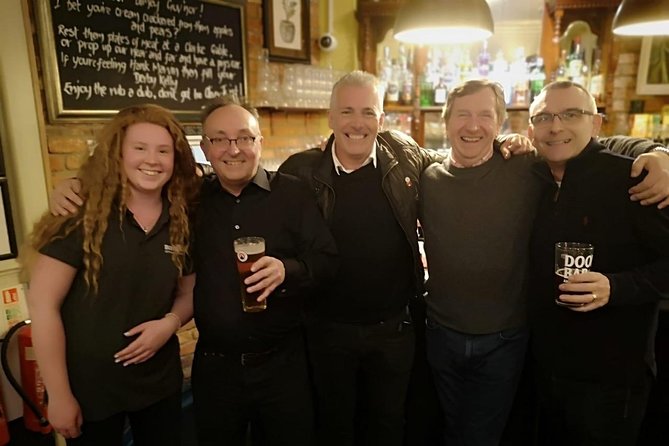
After the tight sequence of murder-site locations, the tour expands the wider setting. This is where you start seeing institutions and places that shaped the public story.
Metropolitan Police and City of London Police headquarters
The itinerary includes stops for the Headquarters of the London Metropolitan Police and the Headquarters of the City of London Police. Even a short look helps you get a sense that the story wasn’t just street level. There were organizations, jurisdictions, and systems, and the guide can point out the significance of those divisions.
I find this part helpful because it turns the story from rumor into a picture of how authority operates in a city.
A pub tied to the victims, plus the Blind Beggar Public House
There’s also a stop connected to a pub once popular with the prostitutes who were victims. A standout named stop is The Blind Beggar Public House Whitechapel, again about 5 minutes.
These stops are valuable because they point to social context. If you only focus on streets, the story can feel like it floats in space. Add in places like pubs and you get a better sense of how people moved through the neighborhood.
The Highway: the Ratcliffe Highway murderer connection
The route includes The Highway, about 5 minutes, tied to the Ratcliffe Highway murderer. This expands the theme from one famous case into a broader pattern of East End violence and fear that carried on.
Guildhall Art Gallery: art, folklore, and how stories spread
At Guildhall Art Gallery, you get about 10 minutes. The focus is a painting shrouded in Jack the Ripper folklore. This matters because it shows how a real world event becomes a cultural object over time.
A practical consideration: since the time is limited, don’t expect a deep art museum experience. Think of it as a story anchor, not a full gallery visit.
Wapping, execution history, and the Thames route points
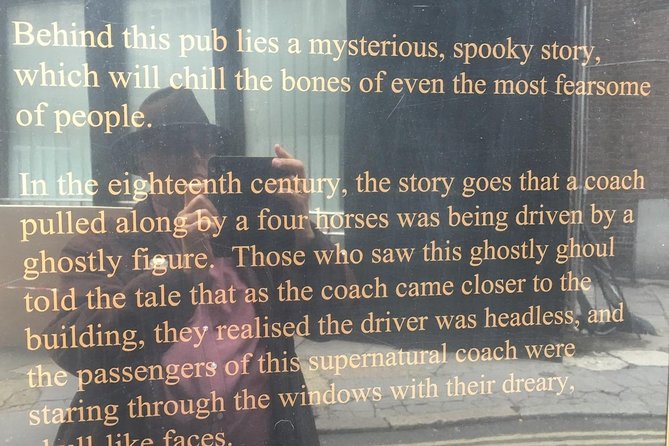
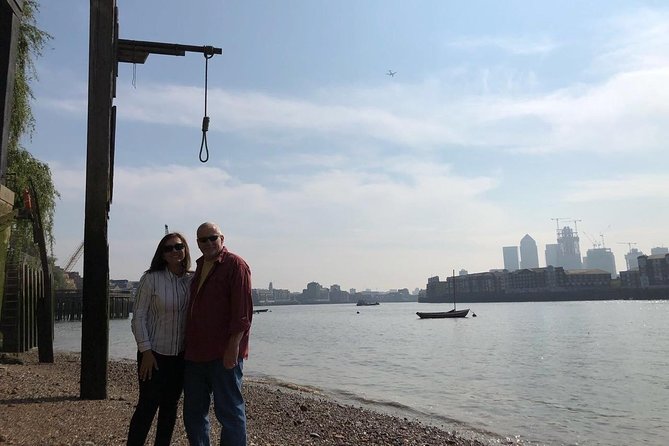
The tour then turns toward the river side with Wapping (about 10 minutes), a neighborhood once known as Sailor Town, and tied to an Execution Dock. After that, you stop at Trinity Square Gardens (about 10 minutes) for a location linked to where traitors met their end.
These parts can feel jarring, but that’s the point. London crime history isn’t only Victorian street terror. It also lives in older systems of punishment and spectacle.
Then comes the iconic London views and landmarks. The route includes stops described as:
- One of London’s most iconic landmarks
- A stop for what’s described as perhaps the world’s most iconic bridge
- A viewpoint for the River Thames
- A location where the first ever crossing over the Thames is said to have been
- A former residence connected to Victorian entertainer folklore around the Elephant Man, made famous in a Hollywood film
- A stop tied to the Demon Barber of Fleet Street Sweeney Todd
- The firm described as striking the bell known as Big Ben
Because these are landmark style stops, expect brief photo breaks and quick context. This is where the guide helps you spot the modern skyline elements that frame the old stories.
Guides make it work: what to listen for during your ride
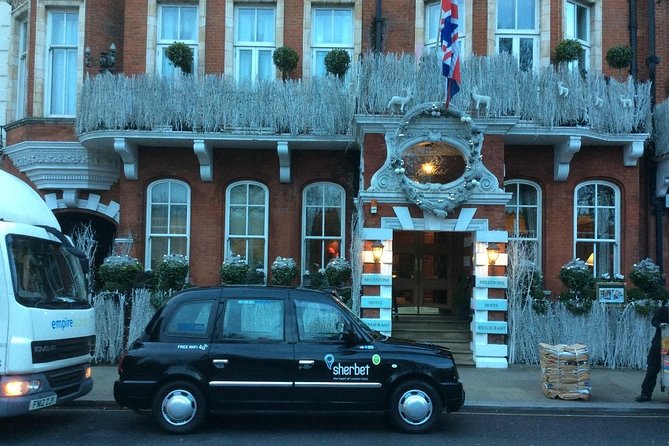
The strongest praise tied to this tour is about the driver-guide. If you’re booking for storytelling, that’s your main betting line.
Names that come up include Chris Heerey, Mick Greenwood, and Bill Berry (also referenced as William on a Sunday). What they share in the feedback is a few clear strengths: they answer questions, they keep the tone engaging, and they can pack in a lot of information while still driving through busy East End roads.
One practical takeaway for you: bring questions. This kind of tour performs best when you treat it like a conversation. If you want the guide to slow down on a certain street name, or explain why a location became important, ask early, and the group size gives you room to do it.
What to expect around the cold, crowds, and safety practices
This is an East End route, and weather is real. The tour notes extra COVID-era safety measures, including sanitising the vehicles with disinfectant between services and keeping presentation stops in quiet open-air locations away from crowded hotspots. Hand sanitiser is available, and the guide is described as sanitising hands frequently.
There’s also a mentioned safety spacing of more than 2 metres between guests and guide hosts, plus ventilation control via the separately controlled air-conditioning system.
Even if you ignore the health measures part of the pitch, the practical effect is still useful: it’s designed so you spend less time in packed areas.
Who this tour fits best, and who might skip it
This tour is a great match if you:
- Want a private guided route instead of piecing together train stops
- Like crime lore with street-level specificity
- Prefer short, structured stops and a comfortable cab ride
- Care about context beyond a basic guidebook
It might be less ideal if you:
- Want a long, self-paced walking tour with lots of free time
- Get sensitive around violent subject matter
- Are expecting a full lunch stop, because lunch and food are not included
If you’re coming with mixed interests, the Kray-era Bethnal Green stop and the landmark elements around the Thames can help broaden appeal.
Should you book the Jack the Ripper footsteps black cab tour?
Yes, if you want a guided Jack the Ripper London experience that is organized, comfortable, and built around specific places. The private setup, the hotel pickup, and the black cab transport are the big value drivers. The stops are short but targeted, which is ideal for a half-day trip where you want maximum story payoff without getting lost.
I’d book it if your group includes people who want answers, not just vibes. The best part of the tour format is that you can ask questions and keep the pace aligned to your interests.
I’d think twice if you’re hoping for an all-day, leisurely walk with plenty of independent exploration, or if the subject matter feels too heavy for your group. In that case, you might prefer something lighter and more focused on general East End landmarks.
If you decide to go, plan a snack for yourself, dress warmly, and come ready to think of the East End as a map you’re learning, not just a set of famous names.
FAQ
How long is the Jack the Ripper private black cab tour?
It runs for about 4 hours.
What is the price, and how many people can join?
The price is $553.38 per group for up to 6 people.
Is the tour private?
Yes. It is a private tour/activity, and only your group participates.
Do you pick up from my hotel?
Yes, they offer hotel pickup from any Central London location within a 5 km radius.
Where is the meeting point?
The start meeting point is Embankment, London WC2N 6NS, UK, and the tour ends back at the meeting point.
Are meals included?
No. Lunch and any food or drink during the tour are not included.
Is the tour offered in English?
Yes. The tour is offered in English, and the driver-guide speaks English.
More Private Tours in London


More Tours in London


More Tour Reviews in London
Not for you? Here's more nearby things to do in London we have reviewed



More Jack the Ripper Tours worth a look.
 ★ 4.7The Original Jack the Ripper Walking TourTickets from $257,833 guest reviews
 ★ 4.5London Jack the Ripper Guided Tour with Ripper-VisionTickets from $274,840 guest reviews
 ★ 4.7Jack the Ripper Small Group TourTickets from $263,159 guest reviews
 ★ 5.0London Jack The Ripper Guided Walking TourTickets from $03,131 guest reviews
 ★ 4.6German Language : Original Jack the Ripper TourTickets from $241,805 guest reviews
 ★ 4.5Jack the Ripper Walking Tour – Ripper Vision ToursTickets from $261,752 guest reviews
 ★ 5.0Ultimate Jack the Ripper : Guided Tour of LondonTickets from $271,495 guest reviews
 ★ 4.9Jack the Ripper Evening Walking TourTickets from $331,449 guest reviews
Continue by place or experience