
REVIEW · LONDON CITY TOURS
Devon and Cornwall: 5-Day Tour from London
Cornwall feels like another world in five days. You get it in a 16-seat Mercedes minicoach with a small group, plus real time in places like Stonehenge, Tintagel and St Michael’s Mount. I like that the route balances big ticket sights with time to wander, shop and snack on your own. One consideration: you’ll stay in small B&Bs and guesthouses, often a 20-30 minute walk from dinner, and not every property matches the same standard.
This is a strong choice if you want a guided backbone with breathing room. Your driver-guide handles the route and the stories, then drops you where you can enjoy views at your own pace. It is also a fairly active week: expect short walks, steps at coastal sites, and plenty of time outdoors.
Key Points You Should Care About

- 16-seat Mercedes minicoach keeps the group feel friendly and the logistics simpler than big-bus touring
- Stonehenge and Tintagel admissions are included, so you spend less time queuing for tickets
- Dartmoor day pairs Postbridge’s clapper bridge with Tavistock and then gets you back to Exeter
- North Cornish coast hits include Boscastle’s witch museum and Port Isaac with its Doc Martin vibe
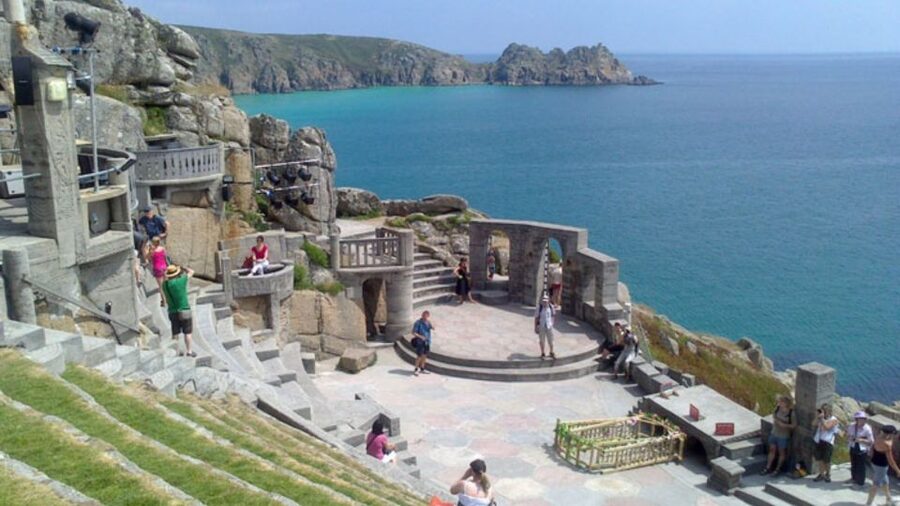
- Minack Theatre and Porthcurno bring dramatic Atlantic cliff views, plus National Trust beach time
- Day 5 shifts to moorland and myth via Bodmin Moor and Glastonbury Tor over the last stretch
Why This Small-Group Minicoach Works for Devon and Cornwall
The South West can eat time and energy if you try to do it all by yourself. This tour fixes that by using a top-of-the-range 16-seat Mercedes minicoach and a group capped at 16. That smaller size matters in practice: fewer people means quicker check-ins at meeting points and a more personal vibe on the road.
I also like the way the day plans are built. You get background while you travel, then you do the walking and looking on the ground. Some guided tours trap you inside a schedule where you barely blink. Here, you’re usually free to linger for photos, wander side lanes, or pause for a cream tea when the mood strikes.
The pace is not slow travel. If you hate getting in and out of the vehicle, or you want fully guided walks from start to finish at every stop, this might feel like too much. But if you can handle a brisk, sightseeing-heavy week, you’ll likely enjoy the variety.
More London tours and experiences for the shortlist



London to Wessex Traditions: Winchester and Stonehenge
Most people think of this trip as Devon and Cornwall. But the first day sets the tone by moving through the old kingdom of Wessex, with Winchester as your warm-up.
Winchester is a smart opener because it is historic without being overwhelming. You’ll see the magnificent Winchester Cathedral, along with the Norman Great Hall. The cathedral visit gives you the sense of layered England, Anglo-Saxon roots and later Norman power, all in one compact area. You also get the real-life city feel of Winchester first, so when you shift to the standing stones later, it feels like a change of scene instead of a random stop.
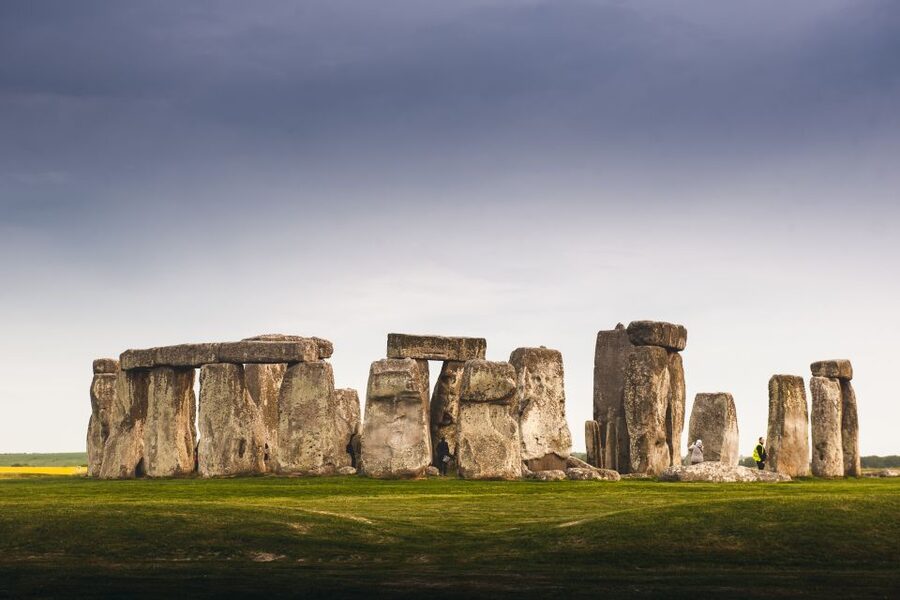
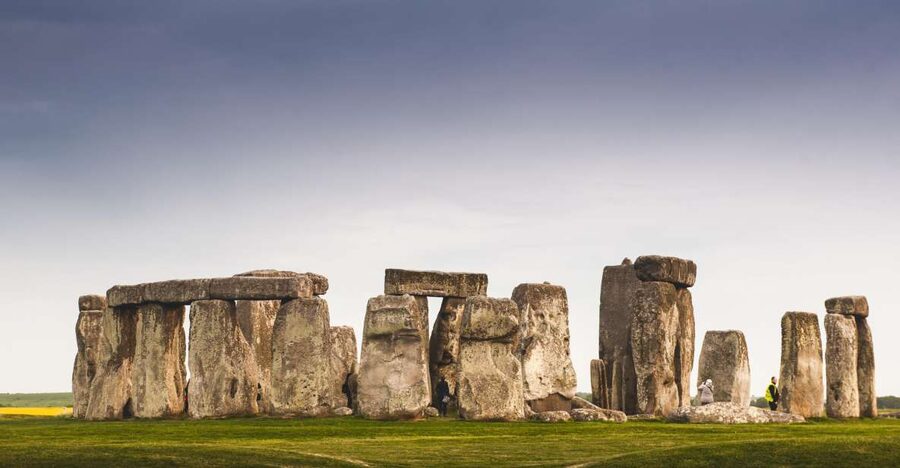
Then comes Stonehenge. Your admission is included, which is a big practical win. You can focus on experiencing the site rather than budgeting energy for ticket steps. Stonehenge has that mix of awe and curiosity, and your guide’s context helps you read what you’re looking at instead of just staring.
Possible drawback on Day 1: it is a lot of momentum in one go. If you’re sensitive to long travel days, take a light approach with your evening plans near your first overnight base.
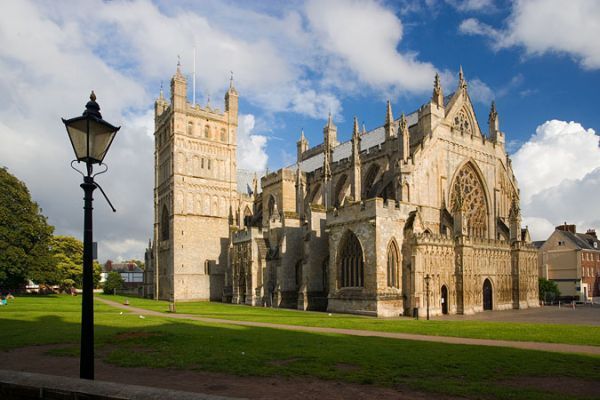
Exeter as a Base: Roman Walls, Underground Passages, and a Cathedral Day
Exeter is where the tour starts to feel like a real home base. Two nights here gives you enough time to see the city properly instead of rushing through. It is also a useful pivot point. From Exeter, Devon and Cornwall are close enough that you can keep the driving efficient while still reaching coastal highlights.
On your Exeter day, you’ll explore the Roman city elements, including underground passages and ancient walls. That combo is a great way to make the past feel tangible, because it’s not just plaques and photos. Then you move into museums and big church architecture, with the Royal Albert Memorial Museum and a famous 12th-century Norman cathedral.
This is also a day where you’ll likely appreciate the guide style. The best driver-guides here tend to balance facts with a sense of humor, and that matters when you’re looking at sites that could otherwise feel dry.
Practical tip: Exeter can include some walking and time inside, so bring layers. Even when the light feels mild, old stone buildings and underground areas can be cooler than you expect.
Dartmoor and Tavistock: Postbridge Clapper Bridge and Drake Territory
Dartmoor is the antidote to city time. The morning takes you into the kind of wilderness that makes you understand why this corner of England shows up in so many novels and TV stories.
You’ll visit Postbridge, including the ancient clapper bridge, a landmark type that feels simple but important once you see it. The bridge is small enough to miss if you rush. Don’t. It’s one of those details that makes Dartmoor feel specific, not generic scenery.
From there, the route includes Tavistock, known for its market-town character and its Francis Drake connection. Then you return to Exeter in the early afternoon, which is a nice pacing trick. You get your moorland morning, but you are not stuck in transit all night.
If you love short hikes and outdoor pauses, this is one of the strongest parts of the week. If you dislike uneven ground or getting out in cold wind, you’ll want good footwear and a windproof layer. Dartmoor weather can change quickly, and the tour does not slow down just because the sky does.
North Cornwall Coast: Boscastle, Witchcraft Museum, and Arthur at Tintagel
Day 3 shifts into North Cornwall, where the coast does most of the work for you. You’ll start in Boscastle, an Elizabethan fishing village with dramatic surroundings. You’ll have time for a cream tea, plus a stroll out toward the headland.
One of the more characterful options here is the Museum of Witchcraft, where you can learn a bit more and yes, get caught up in the playful side of the region’s folklore. Even if you’re not a “witch museum” person, it’s a fun break from the usual pattern of churches and castles.
Next comes Tintagel and the ruins of its headland castle. Tintagel is famed as a romantic cliff-top setting linked to the Arthur legend. The dramatic setting is the star here, even if you come for the Arthur connection. The admission to Tintagel Castle is included, so again you get the benefit of a ticket already handled.
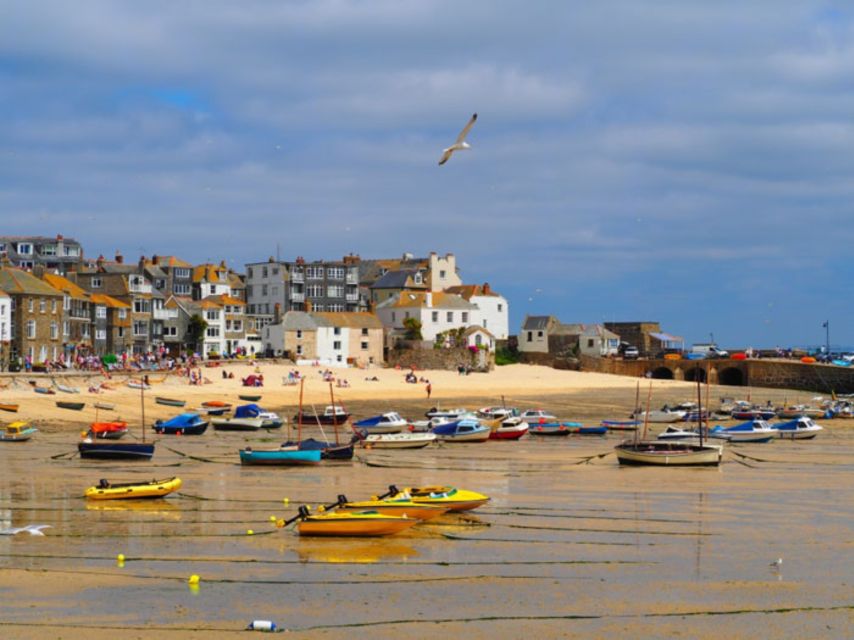
After lunch, you head to Port Isaac, where you can get your Doc Martin fix. Port Isaac works because it is small, walkable, and photogenic in a real way. You can browse, pause and do the kind of slow-coast wandering that makes Cornwall feel like it belongs to you for a few hours.
Potential drawback: this day can feel like a string of highlights, which is great, but it also means you’ll want to manage energy. If you’re prone to fatigue, pick one or two “linger spots” and don’t try to race through everything.





Falmouth Base Day: St Michael’s Mount, Minack Theatre, Land’s End Signals

Falmouth is your next two-night base, which helps you spread out the Cornwall highlights. It’s the right setup for a day full of west-country icons.
You’ll start with St Michael’s Mount, one of the most striking tidal island sights in England. Even if you just want the views, it has that wow-factor that feels earned when you reach it.
Then comes the Minack Theatre, built into the cliffs overlooking the Atlantic Ocean. This is one of those places where the setting matters as much as the building. Standing above the water gives you perspective fast, and you get that sense of Cornwall as a coastal stage rather than just a point on a map.
The day also includes time at the National Trust beach at Porthcurno. It is a good pairing because Minack can be a bit intense, view-heavy and windy. A beach stop gives your body and eyes a reset.
After that, you’ll visit Land’s End. The region’s tin mining heritage enters here too, and it’s a nice reminder that these dramatic coastlines are not just postcard backdrops. They were shaped by work, trade, and industry. You may also recognize the area as a filming location for Poldark, which adds another layer if you watch the show.
Finally, St Ives comes in as a closing act, with narrow streets and a lot of artist galleries clustered around the harbor. It’s an easy place to do gift browsing and take your time, and it’s a satisfying end to a day that has been all about scale and spectacle.
Bodmin Moor and Glastonbury Tor: Moorland Wildness and Myth Views
Day 5 is a big send-off. You leave Cornwall via Bodmin Moor, a designated Area of Outstanding Natural Beauty. This is the day for open views and wide breathing space.
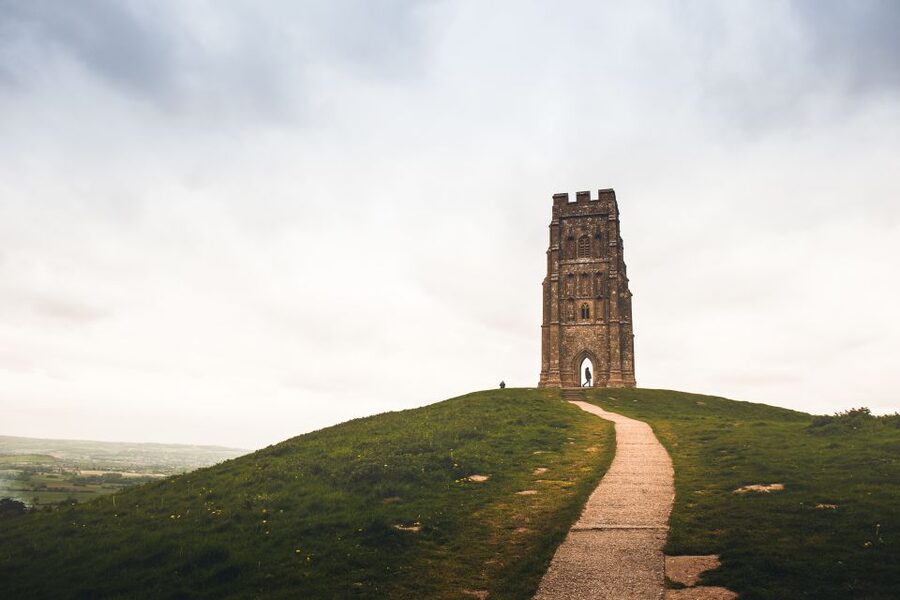
You’ll also stop along the way for a break, which helps because the final push includes the journey to Glastonbury. If you want a simple “why Glastonbury” answer, it is the blend of ruins, spiritual vibe, and a view that stretches across five counties.
At Glastonbury, you can visit the ruins of the 7th-century Abbey, enjoy lunch, and scale Glastonbury Tor if you want the payoff of big panoramic views. Even if you skip the climb, the town and the setting give you a sense that people return here for the atmosphere as much as the sights.
Then you travel back to London. This last leg is the one that can feel like a long haul, and if you’re already tired from the coastal walking earlier, take the final day seriously. Hydrate, keep your walking shoes handy, and don’t plan anything ambitious after the tour unless you like jet-lagged spontaneity.
Price and Logistics: What $1,180 Buys (and What You Still Need to Budget)
At about $1,180 per person for a five-day tour, you’re paying for four nights of accommodation, minicoach transport, daily breakfast, a driver-guide, and key admissions like Stonehenge and Tintagel. That’s a fair bundle if you’re comparing it to the cost of independent train and car hire plus entrance fees plus the stress of scheduling.
What isn’t included is also clear: lunches, dinners, and refreshments. You’ll want to build a realistic daily food budget. The good news is that many stops are in towns where eating out is part of the fun, not an obstacle.
Also note how meals work in practice. Your B&B rooms are en suite, but the properties tend to be on town edges. That means you might have a 20-30 minute walk to pubs and restaurants. If you plan dinners like you would in a city center hotel, you’ll be surprised. Pack comfortable walking shoes and plan for evenings that involve a stroll, not just an elevator.
One more logistics point: this kind of small-group day works best when you treat meeting times as sacred. Your guide typically drops you off with instructions on where and when to meet the minicoach. Follow those cues and you’ll avoid the stressful scramble that ruins a good afternoon.
Where You’ll Stay: En-Suite B&Bs, Walkable Days, and Quality Variation
Accommodation is 4 nights, and it is in small, locally owned guesthouses and B&Bs. Rooms are en suite, which is a big plus compared to older style travel lodging. The tradeoff is location and variability. Several places may be on the outskirts of towns, so you’ll often walk to find dinner and evening drinks.
There is also a note worth taking seriously: lifts are not available in these types of properties. If stairs are an issue, tell the operator ahead of time so they can advise on the best match.
Quality can be strong in some stays and less consistent in others, so I’d treat this tour like you’re booking the experience first, not a luxury hotel room. If you’re the kind of traveler who needs a reliable standard every night, read the accommodation details carefully and keep expectations grounded.
Who This Tour Fits Best (and Who Might Prefer Something Else)
This tour fits best if you want three things at once:
- Iconic sights with local flavor, from Stonehenge to Port Isaac
- A small group on a comfortable vehicle, with room to wander
- Enough structure to avoid planning chaos, but not so much that every minute is controlled
You’ll probably love it if you like outdoor walking on moorland and coast, and you enjoy guided storytelling while still having time to explore.
It may not suit you if you want long, slow museum days in one place, or if you strongly dislike stairs and walking to dinner. It is also not ideal if you’re sensitive to an intense pace. This is a compact route, packed with places.
Should You Book This Devon and Cornwall Tour?
I think you should book it if your dream is a fast, high-impact tour of the South West with real variety. The combination of Stonehenge and Tintagel admissions, the Dartmoor morning, Cornwall’s coast highlights like Minack Theatre and Porthcurno, plus the final myth-soaked stop at Glastonbury Tor is a smart mix of England’s big names and the kind of views that stick.
If you hate walking between lodging and dinner, or you need consistent hotel-style comfort every night, you might feel disappointed by the B&B style setup. In that case, consider a tour with fewer lodging changes or more centrally located hotels.
If you want a memorable week that feels curated by the route itself, this one is a strong match.
More 5-Day Experiences in London

More Tours in London



More Tour Reviews in London
Not for you? Here's more nearby things to do in London we have reviewed










More London City Tours worth a look.
 ★ 4.6The London Eye Entry TicketTickets from $3935,875 guest reviews
 ★ 4.7From London: Harry Potter Warner Bros Studio TourTickets from $11726,588 guest reviews
Westminster to Greenwich River Thames CruiseTickets from $2222,836 guest reviews
Magical London: Harry Potter Guided Walking TourTickets from $2022,044 guest reviews
★ 4.7From London: Harry Potter Warner Bros Studio TourTickets from $11726,588 guest reviews
Westminster to Greenwich River Thames CruiseTickets from $2222,836 guest reviews
Magical London: Harry Potter Guided Walking TourTickets from $2022,044 guest reviews
 ★ 4.6Madame Tussauds LondonTickets from $3620,915 guest reviews
 ★ 4.5Stonehenge, Windsor Castle, and Bath from LondonTickets from $11118,662 guest reviews
 ★ 4.7Warner Bros. Studio Tour with TransfersTickets from $14417,586 guest reviews
 ★ 4.7Tower Bridge Entry TicketTickets from $2115,560 guest reviews