
REVIEW · JACK THE RIPPER TOURS
London: Jack the Ripper Museum Tickets
Six floors, one brutal case. The Jack the Ripper Museum turns the 1888 London murders into walk-through scenes, starting with Mitre Square and ending in the morgue. You get recreations that feel specific, not generic, plus original-style artifacts and evidence displays that keep the story anchored in place.
I especially like the museum’s focus on the victims, not just the killer. The layout gives you time to read, and the audio in multiple rooms adds mood without stopping you from moving at your own pace.
One consideration: the morgue room includes actual autopsy photos and graphic descriptions, so this is not the museum to treat like a light walk.
Key highlights worth aiming for
- Mitre Square recreation tied to the discovery of Catherine Eddowes, with a realistic waxwork scene
- Jack the Ripper’s sitting room featuring Victorian medical items, letters, maps, and memorabilia
- Walter Sickert’s original drawing displayed as a centerpiece prime-suspect artifact
- Whitechapel Police Station evidence boards showing items linked to the case, including the From Hell and Dear Boss letters
- P. C. Watkins’ display items including the whistle, notebook, handcuffs, and truncheon
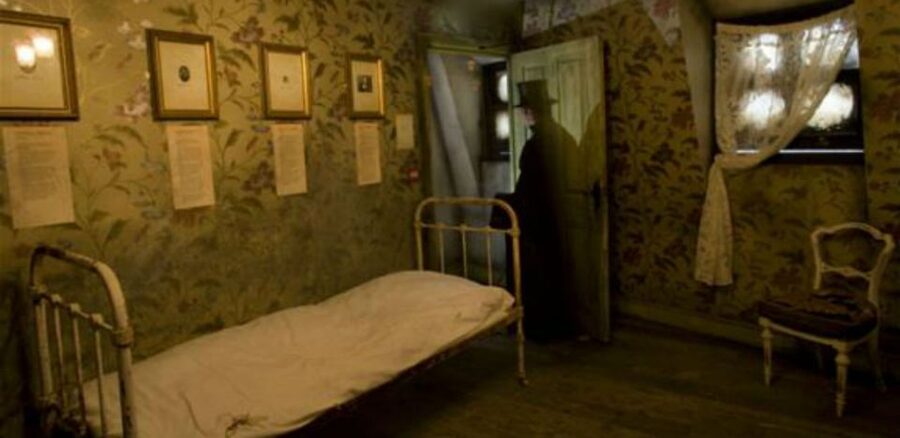
- Mary Jane Kelly’s attic bedroom setup with period domestic details and victim life stories
Your first steps in the Jack the Ripper Museum in Whitechapel
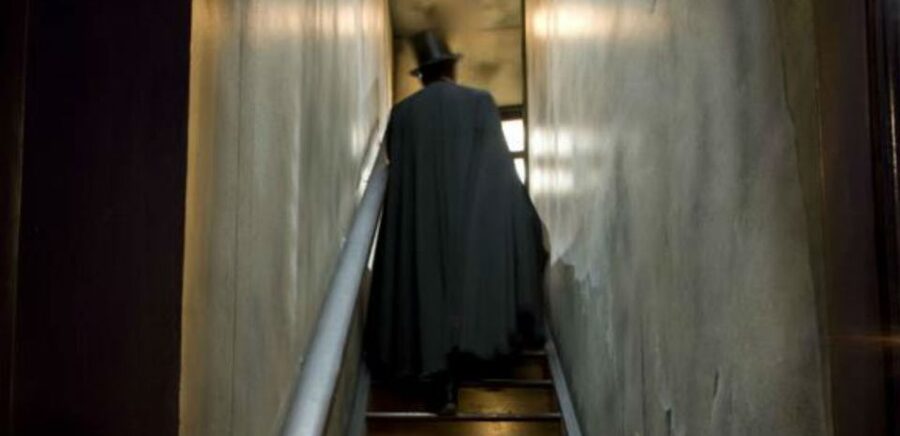
If you like your London history with atmosphere, this is a strong stop. The museum is located at 12 Cable Street in the Whitechapel area, and it’s designed so you naturally move from one scene to the next like you’re tracing the case across the neighborhood. The building itself is part of the effect, since it feels like you’re stepping into rooms rather than looking at flat exhibits.
What makes it work is the way the museum uses each floor to answer a different question. One floor asks what was discovered and where. Another floor focuses on the evidence that investigators gathered. Later rooms shift toward the people at the center of the tragedy, not just the mystery.
You’ll see a lot of dark detail, so I recommend mentally setting the tone before you enter. This is a true-crime experience with period drama added to real-world documentation, so the goal is unsettling realism, not scare tactics.
More London tours and experiences for the shortlist


Mitre Square, waxworks, and the moment the case turns
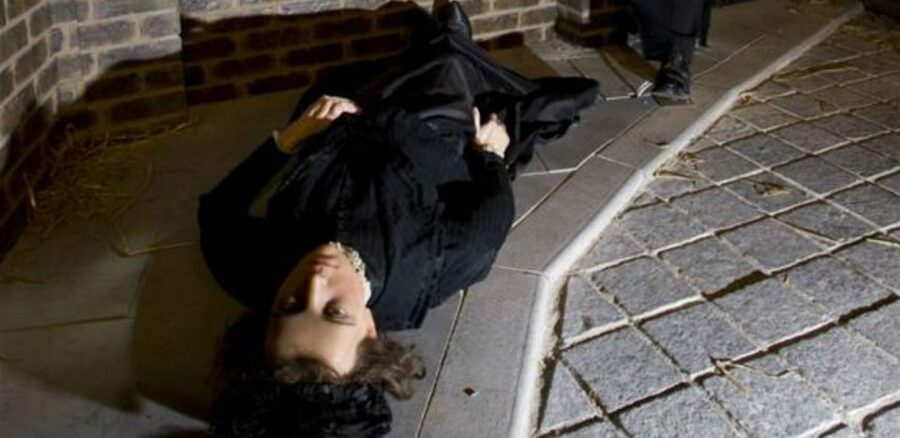
The museum starts you off with the Mitre Square storyline, and it does so with a lifelike recreation. You get a particularly striking waxwork scene tied to P. C. Watkins discovering the body of Catherine Eddowes. It’s the kind of exhibit that grabs your attention fast, because it’s staged like a historical moment you can walk around.
I like how the museum doesn’t just say the name and move on. It gives the scene a physical context, so you can picture the setting and the urgency around the discovery. That matters because the Ripper story is hard to follow when you only see headlines or timelines. Here, you’re given locations and visual anchors.
A practical note: take an extra minute here. This first scene sets the emotional speed of the whole museum. If you rush, later rooms can start to feel repetitive instead of cumulative.
Jack the Ripper’s sitting room: objects, letters, and Victorian props
Next, you’ll find Jack’s sitting room, and this is where the museum leans into the detective-work vibe. It’s not only about the killer as a silhouette. The room is staged with medical instruments, books, maps, letters, and a collection of Victorian Ripper memorabilia.
One detail that stands out is that the room includes an original drawing connected to Walter Sickert, presented as a prime suspect centerpiece. The museum also emphasizes the display’s provenance with a careful, presentation-like focus. That makes it feel less like decoration and more like a curated case file turned into a room.
This is also a good floor for readers who like the investigative angle. You’ll spend time absorbing text, looking at map-style items, and scanning for clues in the way a period investigator might have. If you enjoy true-crime but want something more tangible than a TV reenactment, this is one of the best stops in the building.
Whitechapel Police Station evidence boards and the case letters
Then comes the Whitechapel Police Station recreation, presented as the epicenter of the investigation. This floor is all about evidence presented on crime-scene boards. You can study the material rather than just pass by it.
Two letter displays get direct attention: From Hell and Dear Boss. Alongside those, you’ll find original newspapers and police artifacts. That mix matters because it shows the case in two layers at once. You get the investigator’s view, with evidence boards and procedural objects. You also get the public-facing layer, where newspapers shaped how people understood what was happening.
I also appreciate that the museum includes physical police-related items like a whistle and equipment associated with P. C. Watkins. The museum specifically calls out that the whistle he blew to call for help, plus his notebook, handcuffs, and truncheon are on display for the public for the first time. Even if you’re not a collector type, it makes the story feel more grounded, like you’re looking at tools tied to a human moment.
This is a floor where you should slow down and read. The value here is in comparison: how different pieces of evidence are displayed, how they relate to each other, and how the story shifts when you’re looking at the material rather than the legend.
The attic bedroom for Mary Jane Kelly and the human scale
Up on the attic level, the museum shifts into something more poignant. You’ll see a recreation of Mary Jane Kelly’s bedroom, presented as the scene of the most horrific murder. The museum’s approach here is not loud. It’s detailed in a domestic way.
You’ll notice period details like boots, bonnets, a metal-framed bed with a straw mattress, and the meager possessions of poor Victorian East End women. Domestic photographs and family-related visuals are also part of the display, and that is the key reason this floor lands emotionally.
I like that the museum frames victims as people with lives, not just case names. That focus is reinforced with life stories for the women who were murdered. The tone becomes more human and less forensic, which helps the museum avoid feeling like a one-note horror attraction.
If you’re sensitive to heavy subject matter, this is still a lot. But it can be the most respectful room, because it’s trying to restore dignity through context and personal detail.
You can also read our reviews of more museum experiences in London






The morgue room and real autopsy photos: go prepared
At the end of the walk, you’ll reach the morgue. This is where the museum makes its strongest promise: you can study actual autopsy photos and read reports describing the mutilation and murder of the nine women linked to the case.
This is the floor to think about before you enter. If you know you’re not comfortable with graphic medical imagery, consider skipping it or going through very briefly and focusing on reading only what you can handle. The museum presents this material as part of the case documentation, so it’s not softened or sanitized.
I found it helps to set a personal boundary for how long you’ll stay. The morgue room is the kind of experience that sticks in your mind after you leave. If you plan to do dinner or a late walk afterward, you might want to schedule something calm after your visit.
How long to plan and what $18.86 buys you
Tickets cost $18.86 per person, and value here is about match, not about size. The museum is described as relatively small by many visitors, but it packs multiple floors with recreations, evidence boards, period artifacts, and interactive room elements like audio.
In practical terms, I’d plan about 45 minutes to 90 minutes. If you read carefully and take time with the evidence areas, you’ll lean toward the longer end. If you scan more quickly, you can still see everything without feeling trapped.
So is it worth it? For many people, yes, because you’re buying atmosphere plus information plus room-by-room structure. For others, the ticket might feel steep if you expect a large museum campus. My advice is to decide first what you want: a short, focused true-crime walk-through, or a long-form museum day with lots of breathing space.
Where to start, nearby stations, and the easiest approach
You start at Jack the Ripper Museum, 12 Cable Street, London E1 8JG. The nearest underground and train stations listed are Tower Gateway, Tower Hill, and Aldgate East.
I like arriving with a clear plan. This museum works best when you treat it as a focused hour plus, not a filler stop between big sightseeing blocks. If you’re also doing the Tower area, you can pair it nicely by taking the commute time into account, then staying flexible for your mood after the morgue room.
The activity ends back at the meeting point, so you’re not dealing with a long route across the city. That makes it easy to wedge into a day without babysitting transit changes.
Who this museum is best for (and who should think twice)
This experience is best for you if you enjoy true-crime history told with objects, staged scenes, and evidence visuals. It’s also a good fit if you like audio ambiance and room-level storytelling, since multiple rooms include sound elements that help you stay in the mood while still reading.
It’s not ideal for you if you want light, family-friendly entertainment, because the museum includes actual autopsy photos and graphic descriptions. Even if you can handle the history, your comfort level matters more than your curiosity.
If you’re traveling solo, it can feel especially personal because you control your pace floor by floor. If you’re with a partner or small group, it’s also easier than many city attractions because the walk is contained and you can agree on how much time to spend in evidence-heavy rooms.
Should you book the Jack the Ripper Museum tickets?
Yes, you should book if you want a compact London stop that mixes historical detail with a strong sense of place. At $18.86, the price makes sense for what you get: six floors with recreations tied to specific parts of the investigation, plus a morgue room that goes beyond rumor into documented material.
Skip the booking if you need a large museum day or if graphic medical images are a hard no for you. In that case, there are other London history options that keep a safer emotional tone.
FAQ
How long is the ticket valid?
The ticket is valid for 1 day. You’ll want to check availability to see starting times.
Where is the Jack the Ripper Museum located?
It’s at 12 Cable Street, London E1 8JG.
What are the nearest underground or train stations?
The nearest listed stations are Tower Gateway, Tower Hill, and Aldgate East.
What is included with the ticket?
The ticket includes museum admission.
What will I see at Mitre Square?
You can see a realistic waxwork recreation of P. C. Watkins discovering the body of Catherine Eddowes, along with the Mitre Square area story.
Is there a recreated Whitechapel Police Station?
Yes. The museum has a recreation of Whitechapel Police Station with evidence presentation boards, including the From Hell and Dear Boss letters, original newspapers, and police artifacts.
Does the museum include autopsy photos?
Yes. In the morgue room, you can study actual autopsy photos and read reports describing the murders of nine women.
Is the museum open on Christmas Day?
No, the museum is closed on Christmas Day.
More Museum Experiences in London
More Tickets in London


More Tour Reviews in London



Not for you? Here's more nearby things to do in London we have reviewed









More Jack the Ripper Tours worth a look.
 ★ 4.7The Original Jack the Ripper Walking TourTickets from $257,833 guest reviews
 ★ 4.5London Jack the Ripper Guided Tour with Ripper-VisionTickets from $274,840 guest reviews
 ★ 4.7Jack the Ripper Small Group TourTickets from $263,159 guest reviews
 ★ 5.0London Jack The Ripper Guided Walking TourTickets from $03,131 guest reviews
 ★ 4.6German Language : Original Jack the Ripper TourTickets from $241,805 guest reviews
 ★ 4.5Jack the Ripper Walking Tour – Ripper Vision ToursTickets from $261,752 guest reviews
 ★ 5.0Ultimate Jack the Ripper : Guided Tour of LondonTickets from $271,495 guest reviews
 ★ 4.9Jack the Ripper Evening Walking TourTickets from $331,449 guest reviews
Continue by place or experience