
London tells its best stories on foot. This tour strings together City of London landmarks and East End street life, with a local guide who adds context you usually miss. I like the small-group size (up to 15), and I like that the stops are mostly free to view, so you pay for the walk and commentary, not a pile of entrances. One thing to plan for: you finish in Brick Lane, so you’ll want a clear plan for getting home, and the route uses public paths with some uneven ground.
It runs about 2 to 2.5 hours and uses a mobile ticket, which makes the start feel fuss-free. If you like asking questions, you’ll get time to do it, and feedback on guides such as Senne highlights how accommodating he is while answering questions clearly.
The walk mixes grand buildings, a WWII-preserved ruin, covered markets, and street culture. Entrance into the Monument itself and into the Gherkin are not part of the tour, so treat this as a see-from-the-street experience.
Quick hits worth knowing
- Small group up to 15 people, so you can hear the guide and ask questions
- Mostly free viewing stops, with Monument and Gherkin entrances not included
- City of London to Spitalfields to Brick Lane, without a bus ride in between
- Markets plus architecture, including Leadenhall Market and Old Spitalfields Market
- Service animals allowed, and the walk avoids many stairs and steep inclines
Why This London Walking Tour Fits the Way You Actually See the City
London can feel like a collection of far-apart sights. This tour keeps you moving through a tight loop, so you see the City’s power centers, then slide into the older market lanes and East End energy without the “now what” feeling.
The timing also helps. At roughly 2 to 2.5 hours, it’s long enough for real stories, but short enough that you can still plug in your own plans after you get to Brick Lane. And because it’s a maximum of 15 travelers, it stays conversational instead of turning into a lecture you can’t pause.
You can also read our reviews of more walking tours in London



Start at Cornhill, Then Walk From the Royal Exchange Clockwork
You begin near the London Troops War Memorial on Cornhill, which puts you right inside the financial heart of London. That matters because a lot of visitors arrive only for big-name landmarks, then miss how this area used to run trade and global finance day by day.
The first stop is the Royal Exchange Building. Once the hub of London’s financial district, it’s now home to shops, restaurants, and offices. Even if you don’t go inside, the building’s grand look and central setting give you a feel for why the City’s institutions have always been about more than paperwork.
Right after that, you shift to the Monument area. The Monument to the Great Fire of London is a tall column on Monument Street, close to the spot where the Great Fire started in 1666. The tour keeps it to an exterior visit, and the note is clear that entrance to the Monument itself is not included.
That exterior approach is a good match for this kind of walking tour. You’re not waiting in ticket lines. You’re getting the “why this place matters” story while the city is still happening around you.
Royal Exchange Courtyard to the Monument Site: Why These Two Stops Work
Putting the Royal Exchange and the Monument close together is smart. They represent two different kinds of turning points: one about wealth and commerce shaping the city, and the other about disaster forcing London to rebuild.
At the Royal Exchange, you get architectural grandeur that still reflects London’s commercial DNA today. At the Monument, you get a clear anchor point for the Great Fire era, the kind of event that changed how the city was designed and rebuilt afterward.
If you’re the kind of traveler who likes your history with a location, these two stops are efficient. They give you place and context without forcing extra museum time.
St Dunstan-in-the-East: A WWII-Preserved Church Ruin That Feels Calm
Next comes St. Dunstan-in-the-East, a historic church site with an unusual outcome. Originally built in the 12th century, it was heavily damaged during the Blitz in World War II. Instead of fully rebuilding the church, the remains were preserved and converted into a tranquil public garden.
This is one of those stops where the setting does part of the job for you. You’re not just hearing about the past, you’re standing in a space shaped by it. The pace is also brief, around 5 minutes, so it doesn’t swallow the rest of the day.
Also note the practical angle. Because this is a preserved ruin turned garden, it can feel like a pause in a fast-moving day. That’s ideal if you want stories that are heavy in meaning but light in how they’re presented.
Leadenhall Market and the Gherkin: Architecture Meets Trade
From the wartime garden, the walk moves into the trade-and-design side of London. Leadenhall Market is a historic covered market in the City, originally tied to the trading of meat, poultry, and provisions. Today it’s a mix of specialty shops, restaurants, and bars.
What you’ll notice is the physical charm. The market has cobbled walkways and a beautiful roof, so it feels like a self-contained pocket even while you’re in the middle of modern London. It’s also been used in film, including Harry Potter and the Philosopher’s Stone, where it stood in for Diagon Alley.
Then you get a quick look at 30 St Mary Axe, also known as the Gherkin. Completed in 2003 and designed by Norman Foster, it’s famous for its rounded shape and glass façade that resembles a gherkin or pickle. Entrance to the Gherkin is not part of the tour, so you’ll be taking it in from outside.
This pairing is worth it because it compares two London styles in a few minutes. Leadenhall Market reflects older street-level commerce and craft spaces. The Gherkin represents a newer wave of architectural attitude and corporate presence.
One small practical note: Leadenhall’s cobbled walkways mean you’ll want to wear shoes that are steady. This isn’t a “stare at your feet” tour, but good footing keeps the pace comfortable.
You can also read our reviews of more guided tours in London


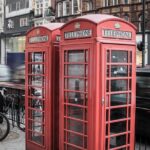


Ten Bells in Spitalfields: Jack the Ripper Lore Without the Shock Value
The tour then heads into Spitalfields territory for a stop at The Ten Bells. This is a historic pub with Victorian décor, and it’s strongly associated with Jack the Ripper murders in the late 19th century. Several victims, including Mary Jane Kelly, were known to have frequented the pub.
A pub stop can go in two directions: you either end up doing a drink-first visit, or you use it as a story checkpoint. Here, it’s the story checkpoint. You’re there briefly, around 5 minutes, and the point is the location-based context.
Because the subject is dark, it helps to have a guide to frame it. A good guide helps you separate the place’s reputation from what you can actually verify, and keeps it from turning into shock tourism.
If you enjoy London’s darker chapters as part of the bigger city picture, this stop fits. If you prefer upbeat-only sightseeing, you can still appreciate the historical setting without needing to linger.
Old Spitalfields Market and Brick Lane Finish: Take the Walk Into Your Own Hour
After Ten Bells, the tour moves to Old Spitalfields Market, near Liverpool Street. It started in the 17th century and evolved from a wholesale market into a mix of independent retail and food. Today it’s known for independent stalls, boutiques, and eateries, plus categories like fashion, antiques, street food, and artisanal products.
The stop is about 15 minutes, so it’s long enough to orient yourself and spot what you’d come back for if you had extra time. It also gives you a sense of how East London blends old structures with modern shopping and eating.
From there, the tour ends in Brick Lane, specifically Brick Lane in Shoreditch. This is where you get your time buffer. The finish location is designed so you can spend the rest of your visit doing street food, admiring street art, or shopping for vintage clothing.
Brick Lane is also described as known for a mix of cultures and cuisines, plus markets and an active art scene. And because the tour ends right in the middle of it, you’re not forced to cross town afterward just to use the energy you worked up.
Price and Time Value: Is $34.41 Worth It?
At $34.41 per person, you’re paying for three things: a local guide, a paced route that links several major zones, and guidance that turns “I saw a building” into “I understand what it meant.”
The structure leans into value. Stops are listed as admission ticket free, and the tour includes only the experienced guide. Snacks and dinner are not included, and that’s normal for a 2 to 2.5 hour walk, but it does mean you should plan your own food around it.
So how do you judge value? You get a guide for the duration, plus you avoid buying entry tickets for most stops. The only clear exceptions are entrances to Monument and the Gherkin, which are explicitly not included.
One more detail that helps with planning: the tour is commonly booked about 79 days in advance on average. That doesn’t mean you must book that far out, but it does suggest prime slots go quickly. If your trip dates are fixed, it’s a good idea to lock it in early.
What You Actually Need to Know Before You Go
This is a guided walking tour with a clear small-group cap, so the main “prep” is about comfort and expectations.
You’ll be using public transportation nearby, which is helpful in London where getting between neighborhoods can eat time. The tour also provides a mobile ticket, which simplifies show-up logistics.
Accessibility is handled in a practical way. The tour notes that it does not include stairs or many inclines, but conditions on public paths vary. If you use a mobility aid or your balance is sensitive, you’ll want to think in terms of uneven sidewalks and real-world street conditions, not a perfectly smooth indoor route.
Also, service animals are welcome. If you travel with one, this is a plus that’s explicitly stated.
Who Should Book This Tour, and Who Might Want Another Option
This works best if you want a guided London walk that connects major themes. You’ll get the City of London with the Great Fire Monument area, a preserved WWII church ruin, a classic covered market, a flagship modern skyscraper exterior, then markets and street culture in Spitalfields and Brick Lane.
It’s especially good for:
- First-time London visitors who want a grounded orientation
- People who like architecture and markets more than big museum hours
- Travelers who enjoy asking questions and getting answers in real time
It may not be the right fit if you want lots of inside access. The Monument and Gherkin entrances are not part of the tour, so you won’t get that inside experience here. If that’s a must for you, plan separate time for those.
Should You Book Guided Walking Tour in London: Secrets of the City?
I’d book it if you want an efficient, story-driven walk that moves across London’s layers. It’s priced like a thoughtful guided experience rather than a collection of paid attractions, and the route ends in Brick Lane, which gives you an easy next step instead of leaving you stranded at a random spot.
Skip it only if you’re specifically hunting for interior entry tickets at the Monument or the Gherkin. This tour is built around exterior viewing and local context, then turning you loose in the market and street-art zones.
If you do book, bring comfortable shoes and plan a food moment before or after. And if you’re the type who likes details, ask your guide questions early. Feedback on guides like Senne points to how well he handles questions and keeps the information flowing.
FAQ
How long is the Secrets of the City walking tour?
It runs about 2 hours to 2 hours 30 minutes.
How much does the tour cost?
The price is $34.41 per person.
How many people are in the group?
The tour has a maximum of 15 travelers.
Where does the tour start?
It starts at London Troops War Memorial, 1 Cornhill, London EC3V 3LN, UK.
Where does the tour end?
The tour finishes in Brick Lane, Brick Ln, London, UK.
What’s included in the tour price?
The tour includes an experienced guide. Snacks and dinner are not included.
Are the Monument and the Gherkin entrances included?
No. Entrance to Monument is not part of the tour, and entrance to the Gherkin is not part of the tour.
Do I need a paper ticket?
No. You get a mobile ticket.
Are service animals allowed on this tour?
Yes, service animals are welcome.
What is the cancellation policy?
You can cancel for free up to 24 hours in advance for a full refund. If you cancel less than 24 hours before the start time, you do not get a refund. If the tour is canceled because the minimum number of travelers was not met, you’ll be offered a different date or a full refund.
More Walking Tours in London


More Tours in London





More Tour Reviews in London


Not for you? Here's more nearby things to do in London we have reviewed










More London City Tours worth a look.
 ★ 4.6The London Eye Entry TicketTickets from $3935,875 guest reviews
 ★ 4.7From London: Harry Potter Warner Bros Studio TourTickets from $11726,588 guest reviews
Westminster to Greenwich River Thames CruiseTickets from $2222,836 guest reviews
Magical London: Harry Potter Guided Walking TourTickets from $2022,044 guest reviews
 ★ 4.6Madame Tussauds LondonTickets from $3620,915 guest reviews
 ★ 4.5Stonehenge, Windsor Castle, and Bath from LondonTickets from $11118,662 guest reviews
 ★ 4.7Warner Bros. Studio Tour with TransfersTickets from $14417,586 guest reviews
 ★ 4.7Tower Bridge Entry TicketTickets from $2115,560 guest reviews
Continue by place or experience