
REVIEW · JACK THE RIPPER TOURS
London Jack The Ripper Small-Group Walking Tour
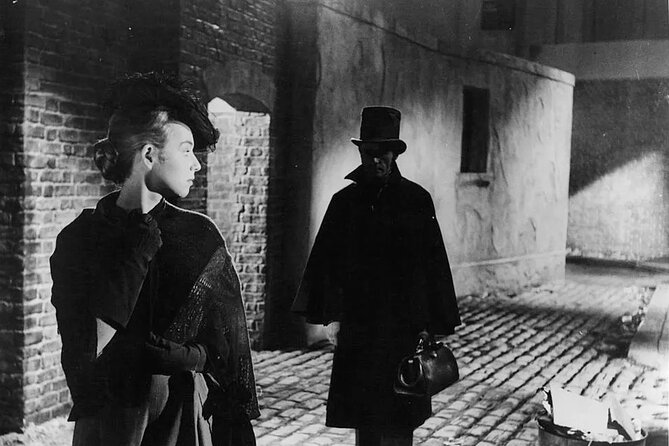
Jack the Ripper has good street shoes. This London Jack the Ripper small-group walking tour takes you through the neighborhoods where the crimes turned into legend, with a guide who keeps the story anchored to real streets and places. I especially liked the guide-led, interactive style some named guides like Cova use to make the Victorian era feel close, not like a dusty lecture. The route also gives you solid Whitechapel-at-night energy, the kind that makes you look up at facades and down at the pavement like you are reading clues.
My second big favorite is the ending. The tour finishes near 13 Miller’s Court in the Spitalfields area, about 1 km from where you start, so the walk feels like it has a point of arrival, not just a loop with no finish line. Along the way, you pass through classic East London stops such as Spitalfields Market and Ten Bells, then end with a stronger sense of how these areas used to function.
One thing to consider: the experience is very talk-forward, and pace varies by guide. If you are sensitive to fast speaking or street noise, it can be harder to catch every detail, and one past guest noted the tour ran longer than expected due to tangents and delivery speed.
Key things to know before you go
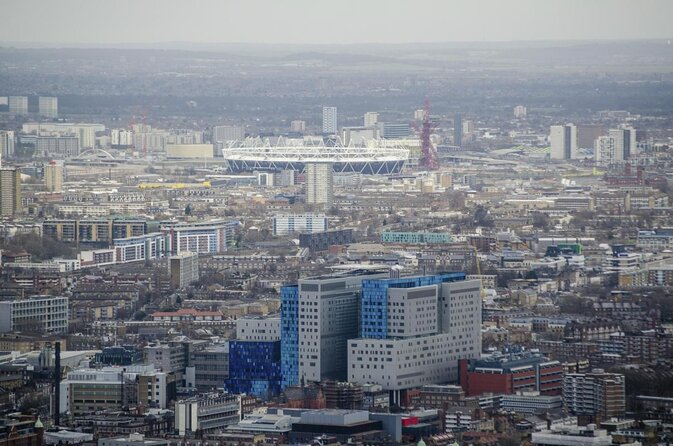
- Whitechapel streets first: you start right in the epicenter area around Whitechapel High Street and Whitechapel Road
- Spitalfields Market stop: you get a break in an area known for its market energy and old-world feel
- Ten Bells Pub visit: you can go in after the tour to buy a beverage (alcohol not included)
- Brick Lane walking stretch: you see how the neighborhood has changed while still feeling gritty at street level
- Aldgate East tie-in: you continue to a station-area stop that helps explain why key mysteries linger
- Weather matters: it requires good weather, so plan for a proper jacket
A Jack the Ripper walk that works because it is street-level, not screen-level
London is full of history, but a murder-story tour hits different when you are on the actual sidewalks. This one is built around East London blocks where the names still sound familiar even if you do not know the details. You get a guided story that tries to connect the crimes with the places, and you spend your time walking, not sitting.
What I like about this format is how it forces your brain to map the story. You naturally start linking distance, direction, and neighborhood layout to what might have happened. It is not just spooky for the sake of spooky. It is a practical way to understand why certain areas became known as part of the mystery.
And yes, the atmosphere leans dark. The wording you will hear is Victorian-era, and the details can get graphic. If you want a light night out with no heavy subject matter, this is not that. If you like crime history and you can handle grim topics, you will likely enjoy the direct, no-nonsense street approach.
You can also read our reviews of more walking tours in London



Price and logistics for a 2-hour walking tour in East London
This tour costs $151 for about 2 hours (approx.). That is not bargain-bin pricing, but it is also not a huge splurge for a London guided walking experience focused on one tight geographic story. You are paying for a live guide plus all fees and taxes, not for museum entry or extra transport.
Logistics are straightforward, but pay attention to the small rules because they affect your experience. You receive a mobile ticket, and you need to show up 10 minutes before the start time since groups leave promptly. It is near public transportation, which matters because this part of London can feel busy and you do not want to arrive sweaty and stressed.
Also note the group size ceiling: the maximum is 200 travelers. That does not mean your group will be huge, but it does tell you the company can run multiple departures. If you are the type who hates crowd energy, show up early, find your preferred spot near the front, and keep your expectations anchored to a walking story, not a whisper-led performance.
Finally, the tour requires good weather. If rain ruins the evening, you are offered a different date or a full refund. In practice, that is a big deal for a walking tour, so check the forecast the day before and again right before you go out.
Stop 1: Whitechapel, where the story begins at street level
You start at 65A Whitechapel High St (London E1 7PL), right in the Whitechapel area. From there, you walk along the local corridor associated with the murders, including Whitechapel Road, where several victims met their fate.
This first stop matters because it sets your mental baseline. Whitechapel is not a single street, it is a whole neighborhood of street patterns, crowd flow, and working-city context. When the guide frames the area this early, you are better able to follow the later connections to Spitalfields, Brick Lane, and the station-area stop.
A practical tip: take a moment at the start to orient yourself. The area is active and you will be walking and listening at the same time. If you struggle with navigation while hearing a story, do not let that be your problem for the whole night. Get your bearings in the first few minutes and then settle in.
Stop 2: Spitalfields Market, a contrast that makes the mystery feel real
Next comes Spitalfields Market (E1), and this is where the tour shifts from grim premise to neighborhood reality. You get time in the market area, which is a useful contrast to the story’s darker side.
Why this stop works: a market neighborhood is full of everyday movement. It helps you imagine the regular rhythm of people passing through, workers heading in, visitors looking around. Even when you are hearing about violence, the surrounding context reminds you that this was not some empty ghost town. It was a working part of London.
The potential drawback is also obvious. Market areas can be noisy and full of distractions. If you want to catch every detail, stand where you can hear your guide clearly, and do not wander off to look at stalls or signage for too long. Think of this stop as story time, not shopping time.
Stop 3: Ten Bells Pub, the legend’s most famous meeting point
You then visit The Ten Bells, a pub tied to the Jack the Ripper story. Several victims were said to have frequented the pub, and that link is a major reason this stop is always in the conversation.
There is also a practical benefit here. The tour sets you up for a real-world break in the middle of a night walk. You are invited to enter and buy a beverage after the tour, and alcohol is available for purchase, but it is not included. So you can take it easy, grab a drink if you want, and then keep going with less fatigue.
A note on expectations: pubs are lively. Even if it is not packed, you are inside a space with its own sound. If you are hard of hearing or you tend to lose audio in crowded places, you may need to position yourself so you can still hear the guide when they talk near the entrance and street.



Stop 4: Brick Lane, how the neighborhood changed and why that matters
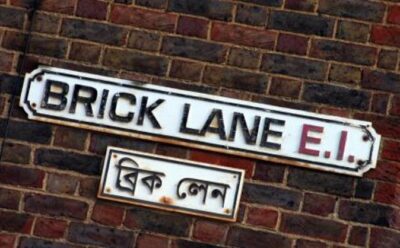
After Ten Bells, you walk down Brick Lane. This part of the tour uses Brick Lane as an example of how East London evolves while still keeping traces of its older grit. You will hear about street art and the changing food scene.
This stop is more than a visual change of scenery. It helps you understand why Ripper stories stick in the public imagination even when the buildings look different. Neighborhoods shift, names change, and commerce moves around, but the bones of the street grid often remain. Walking it gives you a feeling for continuity.
If you are expecting a purely historical photo tour, you might find this part more modern in tone. But that is the point. The Ripper story is now part of London identity, and Brick Lane shows you how old and new sit side by side in the same blocks.
Stop 5: Aldgate East Station area, where questions linger
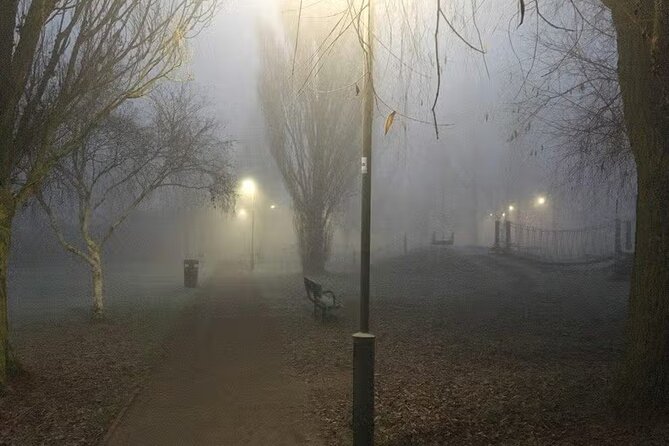
Next you reach Aldgate East Station (Stop J). This is the tour’s closer-to-the-end chapter, and it focuses on ties to the investigation and the mysteries that still hang in the air.
Even if you already know the famous names, this is where the guide’s approach can shape your takeaway. Because the historical record is not fully conclusive, a guide has to interpret. You are not just collecting dates and locations, you are learning how people connect dots when facts are missing.
One reason this stop can be a highlight is that station areas are easier to picture in terms of movement. Transit changes crowd flow today, but you can still use the space to imagine how people might have traveled in the era the guide is describing.
The ending at 13 Miller’s Court, and why a clear finish helps
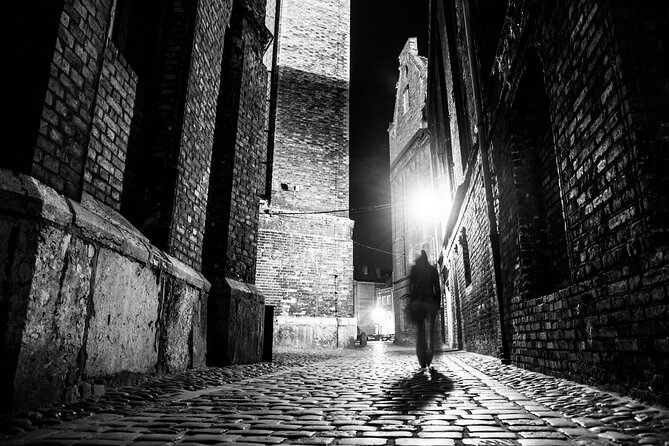
The tour ends near 13 Miller’s Court in the notorious place tied to the last victim, about 1 km from where you start. That kind of specific ending matters on a story walk. It gives you closure, even if the mystery never fully closes in real life.
Also, ending in this area is helpful for your after-tour plan. You are still in a neighborhood where you can grab a bite or wind down somewhere nearby. The key is that you are not stuck back at the starting point with no idea what to do next.
I like this because it keeps the emotional arc clean. You begin in Whitechapel, you move through other key districts, and you finish with the final destination. The story feels like it lands.
Guides, pacing, and why delivery matters on this kind of tour
The tour experience can rise or fall based on how your guide tells the story. That is not a criticism of the subject, it is how storytelling works when you are walking and listening outdoors.
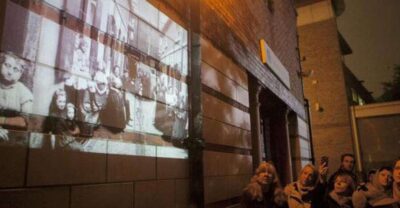
In the past, guides such as Cova, Antonio, and Yassine have been singled out for being engaging and for mixing entertainment with information. Some guides also use visual aids and photos, which is useful because you can hold onto what you are hearing better when you can also see references.
The main downside to watch for is speed. One guest pointed out that a guide spoke very fast and that it was difficult to keep up, especially when street noise increased. Another mentioned a tendency toward longer tangents. None of that means you should avoid the tour. It means you should go in with a practical mindset: bring your focus, stand close enough to hear, and if you need a slower pace, be ready to adjust your position during stops.
If you are visiting from abroad and English is not your first language, consider choosing the English tour only if you feel comfortable with fast spoken accents. The company offers English or Spanish, so check language availability when you book.
What you actually do during the walk, in plain terms
You will be outdoors for the full stretch, moving from stop to stop in the Whitechapel, Spitalfields, Ten Bells, Brick Lane, and Aldgate East orbit. The structure is simple: the guide gives context at each location, then you walk to the next place while the story keeps flowing.
Your experience is basically three parts:
- Listening to the guide connect people and events to street locations
- Looking around while the guide frames what you are seeing
- Getting periodic context breaks, especially with time at Spitalfields Market and around Ten Bells
It helps to treat it like a guided history walk with a crime twist. If you treat it like a passive lecture, you may feel restless. If you treat it like a moving story puzzle, you will probably enjoy the ride.
Value for money: what $151 buys you in London
For $151, you are buying a guided walk with all fees and taxes included. That matters in London, where the hidden add-ons often show up later. Here, the pricing is set, and the core product is the guide and the route.
Also, your tour includes a lot of high-visibility destinations in this specific London micro-region: Whitechapel, Spitalfields, Ten Bells, Brick Lane, and Aldgate East area. You are not just getting one landmark. You are getting multiple linked stops.
The non-included part is simple: alcoholic beverages are available to purchase, but they are not included. So you can keep costs predictable if you do not order a drink.
Where the value can go either way is in how strongly you enjoy the guide’s style. If you love interactive, story-driven guiding, you are in the sweet spot. If you dislike talk-heavy tours or you want strictly verifiable historical facts only, you might find the interpretive nature of the story less satisfying.
Who this tour suits best
This works best for you if:
- You like London’s crime history and you enjoy learning how stories attach to real places
- You want a night activity that feels more like walking a case file than taking a bus ride
- You enjoy guides who bring energy and do more than recite dates
It may be less ideal if:
- You need a quieter, low-story-content walk
- You are uncomfortable with graphic details
- You are very sensitive to fast speaking and outdoor street noise
If you are traveling with friends who want something different from the usual London hits, this offers a clear theme and a focused geographic arc.
Should you book the London Jack the Ripper walking tour?
If you want an East London night walk built around real street locations, this is a strong pick. The route is tight, the story is guide-led, and the ending near 13 Miller’s Court gives you a real finish.
I would book it if you are okay with grim subject matter and you think you will enjoy the guide’s storytelling style. Bring warm layers if the weather turns bad, and show up early so you can start relaxed. If you are picky about pacing and you do not handle fast talk well, choose your language option carefully and position yourself so you can hear.
FAQ
How long is the London Jack the Ripper small-group walking tour?
It runs for about 2 hours.
What is the price of the tour?
The price is $151.
Where does the tour start?
The meeting point is 65A Whitechapel High St, London E1 7PL, UK.
Where does the tour end?
It ends at 13 Miller’s Court in the Spitalfields area, about 1 km from the start.
Is the tour offered in multiple languages?
Yes, tours are available in English or Spanish.
Is there a mobile ticket?
Yes, the tour uses a mobile ticket.
What is included in the price?
All fees and taxes are included, along with a guide.
Are alcoholic beverages included?
No. Alcoholic beverages are available for purchase, but they are not included.
What time should I arrive?
You must arrive 10 minutes before the tour start time because groups leave promptly.
What happens if the weather is poor?
The experience requires good weather. If it is canceled due to poor weather, you will be offered a different date or a full refund.
More Walking Tours in London


More Tours in London



More Tour Reviews in London
Not for you? Here's more nearby things to do in London we have reviewed









More Jack the Ripper Tours worth a look.
 ★ 4.7The Original Jack the Ripper Walking TourTickets from $257,833 guest reviews
 ★ 4.5London Jack the Ripper Guided Tour with Ripper-VisionTickets from $274,840 guest reviews
 ★ 4.7Jack the Ripper Small Group TourTickets from $263,159 guest reviews
 ★ 5.0London Jack The Ripper Guided Walking TourTickets from $03,131 guest reviews
 ★ 4.6German Language : Original Jack the Ripper TourTickets from $241,805 guest reviews
 ★ 4.5Jack the Ripper Walking Tour – Ripper Vision ToursTickets from $261,752 guest reviews
 ★ 5.0Ultimate Jack the Ripper : Guided Tour of LondonTickets from $271,495 guest reviews
 ★ 4.9Jack the Ripper Evening Walking TourTickets from $331,449 guest reviews
Continue by place or experience