
REVIEW · MUSEUMS
Women in art – National Gallery
Women in Art is a focused way to see the National Gallery. I like that this guided tour keeps the theme tight, with five major paintings used like stepping stones through art history. You get a simple framework for noticing how women are shown, idealized, feared, honored, and used as symbols.
Two things I’d highlight right away. First, the line-up of works is strong, from Leonardo to Van Gogh, so you are not stuck in one era. Second, the guide experience seems to matter a lot, with Katya standing out in the feedback for clear, engaging explanations and thoughtful answers.
One thing to consider is pacing. With a 1.5-hour format in a big museum, you will want to listen, not wander off, because the tour ends back where you start.
Key points to know before you go
- A private group up to 6 means more question time and less rushing.
- Theme-led viewing ties the paintings together around women’s roles and representation.
- Big-name masterpieces anchor the tour: Leonardo, Michelangelo, Raphael, Rubens, Van Gogh.
- English or Russian live guide helps you choose what feels easiest to follow.
- Wheelchair accessible, and the tour is designed to end where it begins.
- Punctuality matters, and the guide can adjust timing to keep the experience on schedule.
Women in Art at the National Gallery, and what you will actually learn
If you have ever looked at famous paintings and thought, Wait, where are the women in all this, this tour gives you an answer. Not a generic one. It uses specific artworks to show how women appear in different ways, depending on the time period, the artist’s goals, and the culture watching the painting.
The National Gallery is huge, even when you think you know it. A theme like women in art is practical because it gives your eyes a job. Instead of drifting from painting to painting, you are set up to compare. You start noticing patterns, like how women can be shown as saints and mothers, as mourners, as mythic figures, and even as symbols that pop up in still-life art.
You will also get better at reading art in plain language. You do not need to memorize art history terms. The guide helps you connect what you see with why it was made, who it was made for, and what it was trying to do.
You can also read our reviews of more museum experiences in London



The 1.5-hour private format, meeting in front, and how pacing stays sane
This is a private group experience, with a group size of up to 6. That matters in London, where museum crowds can make a self-guided visit feel like a slow obstacle course. Here, you have a guide steering you toward the most relevant details, so you spend your energy looking, not searching.
The tour lasts 1.5 hours, and it starts and ends back at the meeting point in front of the National Gallery. A short tour can feel limiting, but in this case it is a good match for the theme. You get focused attention on a handful of standout works, plus the explanations that make them click.
Punctuality is part of the deal. If someone is taking longer than planned at a stop, the guide can adjust the itinerary so the tour still finishes on time. That is why you should arrive a few minutes early, settle in, and be ready to move when the group does.
Practical note on contact: the details you provided do not list a specific phone number for the guide. If you want a number in case you need to reach them, use the contact telephone number included in your confirmation from BestTours, or the one shown in your booking details. That is the only way to be sure it is current.
Leonardo da Vinci’s Madonna of the Rocks, women as sacred center stage
One of the first anchor paintings is Leonardo da Vinci’s Madonna of the Rocks. Even if you have seen it in photos, a guided look is different. At close range, you start noticing how the composition keeps pulling you back to the women in the scene, especially the Virgin Mary as the emotional and symbolic center.
This is where the tour’s theme becomes concrete. Women in Renaissance art are often treated with a special kind of gravity, not just as characters, but as carriers of meaning. The guide’s job here is to help you see what makes the representation feel almost layered, like faith and storytelling are wrapped into one image.
What I like about this stop is that it gives you something to compare later. You can ask yourself: Does the painting make the woman feel like an individual person, or more like an ideal? Does the mood feel gentle, protective, mysterious, or formal? Those questions become your toolkit for the next works.
A possible drawback, depending on your style, is that Leonardo can be a magnet for people who want to study brushwork. If you love slow, close looking, plan to balance your urge to zoom in with the guide’s timing. The tour is designed for learning, not for unlimited staring.
Michelangelo’s The Entombment, grief and presence in a woman-centered scene
Next up is Michelangelo’s The Entombment. This painting is a heavy one. The women in the scene are not background decoration. They help carry the emotional weight, and their expressions and body language shape how you read the moment.
A guided tour shines here because you are not just told what is happening. You learn how the painting communicates mourning and witness. You start noticing how the women’s faces and gestures anchor your attention and make the scene feel both public and intimate.
This is also a good place to think about representation across time. Renaissance art often frames women through themes like purity, suffering, or divine connection. But Michelangelo’s emotional intensity can make those roles feel less like labels and more like lived experience. The guide helps you separate the idea of womanhood from the specific human emotion in the painting.
If you are short on attention span, that is okay. The tour format keeps pulling you forward, with the guide providing context at the right moments so you do not get lost.
Raphael’s St Catherine, saintly power and how stories travel
Raphael’s St Catherine brings the tour into a different mode. Instead of focusing on a sacred family moment or a dramatic public scene, this is about a saint and a recognizable narrative of belief. St Catherine is not simply a figure, she is a story with cultural weight.
You will likely focus on how the painting presents authority and virtue. Saint portraits often become a way to talk about ideal conduct, education, and spiritual strength, and they can also reflect what viewers wanted to see in women, at least on the surface.
I like this stop because it broadens the tour beyond motherhood and mourning. Women in art are not only shown in domestic or tragic roles. They can be intellectual, symbolic, and strong, even when the culture around them limits what real women could do.
What you may want to do during this stop is watch for the guide’s connections between the saint’s imagery and modern stereotypes. The theme of women’s representation is not meant to stay in the past. It is meant to help you recognize how images still influence perceptions.





Rubens’ The Judgement of Paris, myth and the power games behind female figures
Rubens’ The Judgement of Paris is a smart turning point in a women-in-art themed tour because it uses myth. Myth is not just entertainment here. It is a way to stage desire, status, and competition using female figures that represent competing forces.
This stop is where you can think about women in art as objects of narrative power. The women in the painting are central, yet the story framework is about who gets chosen and why, with Paris acting like the decision-maker. You can feel how the composition and emotion guide your judgment, even if you started out thinking the topic was simply romance or beauty.
A guided explanation helps you see the bigger question: when women are represented through myth, are they given agency, or are they treated as symbols? Different artists and eras can tilt the answer. That is the kind of comparison this tour is built for.
Also, if you like lively Baroque drama, this is likely to be a fun moment. Rubens tends to deliver strong visual storytelling, and the guide can help you read it without needing a textbook.
Van Gogh’s Sunflowers, feminine symbolism in still life
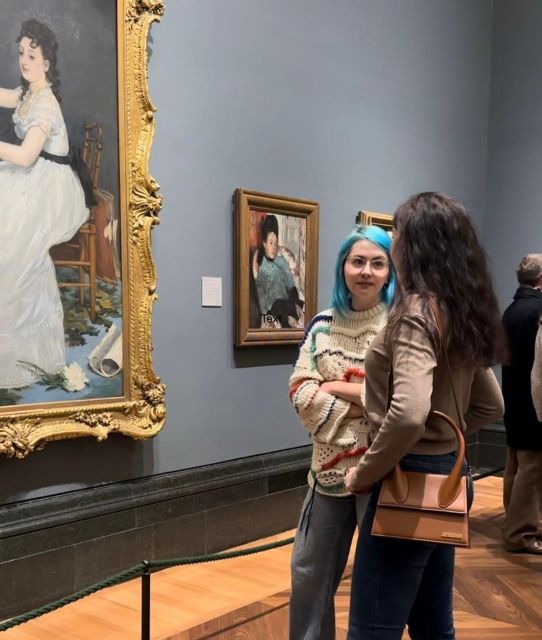
Then comes Van Gogh’s Sunflowers, which may sound like a left turn until you remember how symbolism works. Sunflowers are not women, but they can carry meanings that people associate with femininity, warmth, home, and idealized beauty.
This is a useful stop for the theme because it shows that women’s representation in art is not always literal. Sometimes it is indirect. Sometimes it is the kind of symbolism a viewer projects onto objects, settings, and color moods that are treated as gendered.
You will likely get a conversation that connects how art gets read through cultural expectations. For example, why certain images get treated as charming or comforting, and how those expectations can shape what people assume about women and the role of art in domestic life.
If you prefer strictly narrative scenes with characters, you might find this stop slower on action. But if you are open to interpretation, it is a great way to see the tour theme widen, from depictions of women to representations of ideas about women.
Why the guide quality is the real differentiator (Katya’s impact)
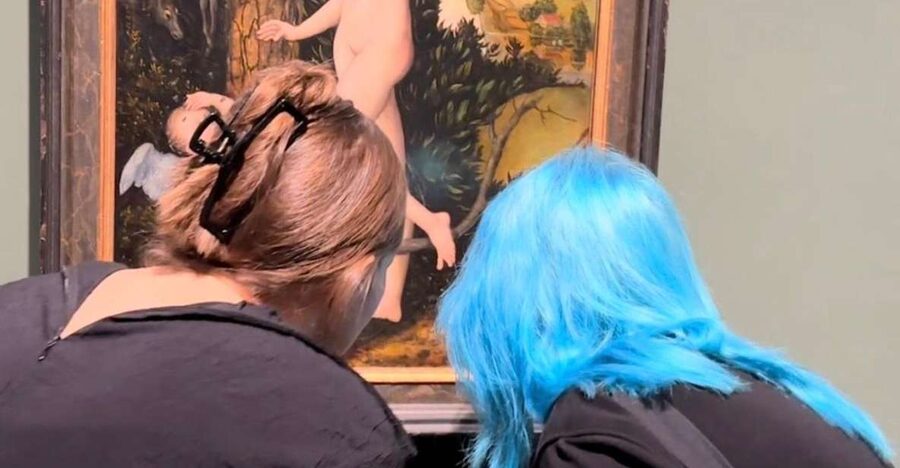
In a short museum tour, the guide is everything. The feedback strongly highlights Katya as a standout, with an ability to captivate listeners and keep the explanations engaging. That matters because these artworks are famous enough that you can easily skim the surface on your own.
What I like about the guide style described in the feedback is the balance between art facts and real-life relevance. Katya is credited with connecting historical context to modern realities, and that is a powerful way to make the tour feel like more than museum homework.
This tour also benefits from a guide who can handle questions in a thorough, clear way. In a private group, you can actually use that. You can ask, Why is this figure shown this way? What might the artist be signaling? How should I read this part of the composition?
If you want the most value from the tour, come with a couple questions you genuinely care about. If women’s representation feels complicated to you, that is a good sign. The guide can help turn confusion into clear observations.
Price and value: what $404.10 for up to 6 really means
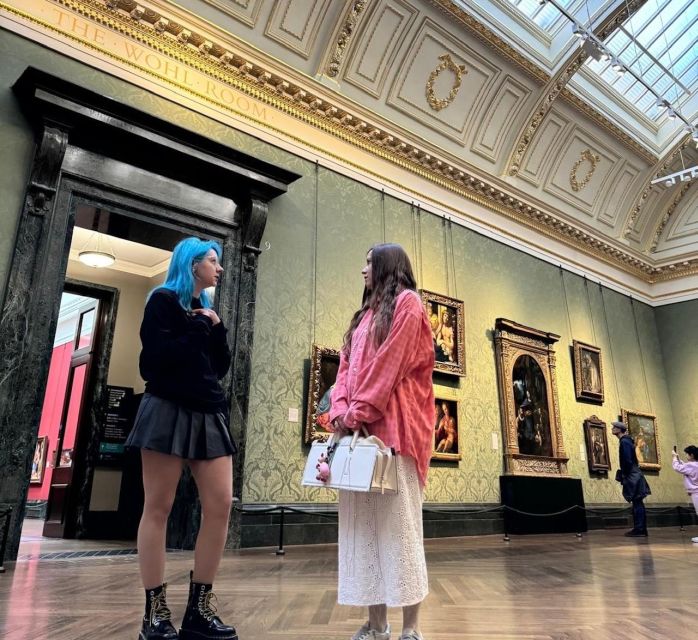
The tour price is listed as $404.10 per group up to 6, for 1.5 hours. On the face of it, that looks like a big number. But it works differently than an individual ticket, because you are paying for a guide and a private group experience.
If you fill all 6 spots, the per-person cost is about $67. That can be good value in London, especially for a guided experience that focuses on five major artworks and gives context that you would struggle to reproduce on your own in the same time.
If you are only two people, your per-person cost rises to around $202. In that case, you should ask yourself what you want most: do you want a quick look with minimal guidance, or do you want a structured, expert-led way to understand the women in art theme?
For most couples or small groups who like learning while they walk, the pricing makes sense. For solo travelers, you may prefer a cheaper group format or self-guided plan, unless you really want the private attention.
Who this Women in Art tour suits best
This tour is a strong fit if you want art history with a point of view. You will like it if you enjoy comparing how themes shift from Renaissance to Baroque to Post-Impressionist art, and you care about how images shape ideas about women.
It also fits small groups who want discussion, not just silent staring. The private up-to-6 setup helps you actually ask questions and get answers rather than listening from far away.
It is not set up for kids under 6. If you have younger children, you will likely need a different kind of activity. And because it is a museum walking experience with set stops, it suits adults and teens who are comfortable staying with a guided pace.
Wheelchair accessible is a good sign, and it can make a big difference for planning. If you use a wheelchair, this kind of guided structure can be easier than trying to improvise your own route in a crowded museum.
Should you book this Women in Art National Gallery tour?
Book it if you want a focused, theme-driven way to see the National Gallery, with a guide who can connect what you see to why it matters. The strongest reason to go is the combination of major artworks and a guide-led explanation style, with Katya specifically praised for keeping things clear, lively, and relevant.
Skip it if you want a slow, self-directed museum day with lots of extra stops. This is designed for structure, not wandering. If that sounds like you, you might prefer a longer, flexible visit.
If you do go, come ready to look closely, ask questions, and use the women-in-art theme as your lens. You will leave with more than images in your head. You will have a set of ways to read art that travels with you after you walk out of the gallery.
FAQ
How long is the Women in Art guided tour?
It runs for 1.5 hours.
What is the group size and is it private?
It is a private group, up to 6 people.
What languages are available for the live guide?
The tour offers live guiding in English and Russian.
Where do we meet, and where does it end?
Meet in front of the National Gallery, and the tour ends back at the same meeting point.
Is the tour wheelchair accessible?
Yes, it is wheelchair accessible.
What is the age guidance for this activity?
It is not suitable for children under 6 years.
Should you book this Women in Art National Gallery tour?
Yes, if your goal is a short, high-impact way to understand how women are represented across major masterpieces. The private format and strong guide focus make it a smart choice for small groups who want more meaning than just a quick gallery pass.
More Museum Experiences in London


More Tour Reviews in London
Not for you? Here's more nearby things to do in London we have reviewed










More Museums worth a look.
 ★ 4.5Tower of London and Crown Jewels Exhibition TicketTickets from $496,677 guest reviews
 ★ 4.8Chelsea Football Club Stadium and Museum TourTickets from $434,576 guest reviews
 ★ 5.0Chelsea FC Stadium Tours and MuseumTickets from $441,908 guest reviews
 ★ 4.5London Transport Museum Entrance TicketTickets from $331,323 guest reviews
 ★ 4.3British Museum Guided TourTickets from $231,182 guest reviews
 ★ 4.5Official tickets: Moco Modern & Contemporary Art MuseumTickets from $361,157 guest reviews
 ★ 5.0British Museum London Guided Tour Semi-Private 8ppl MaxTickets from $108984 guest reviews
 ★ 4.2Jack the Ripper Museum TicketsTickets from $18894 guest reviews
Continue by place or experience