
REVIEW · LONDON CITY TOURS
Turmoil, Templars & Oliver Twist London’s Squalor and Splendour
One street can hold centuries, if you know where to look. This Holborn walking tour ties together Oliver Twist locations, medieval power, and the machinery of law in a way that feels practical, not dusty.
I love that it’s a small-group format with real time for questions, plus the mix of places you would not naturally string together on your own. My only watch-out is the walking: it is not recommended if you cannot manage about two miles at a reasonable pace.
Key things to notice before you go
- Holborn, crime, and justice in one walk: you move from Bow Street crime justice history to modern court buildings.
- Temple Church and the Knights Templar: medieval ideas show up right in the middle of today’s city.
- Dickens connections to Oliver Twist: the guide threads literary context through the route.
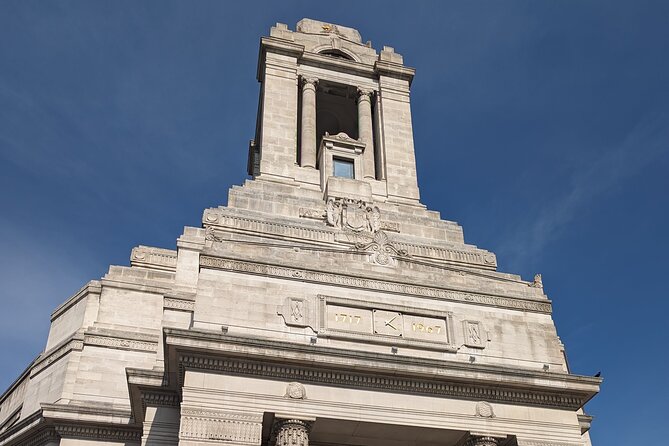
- Freemasons’ Hall: a separate power structure from the courts, presented in plain terms.
- Staple Inn and the Inns of Chancery: you get architectural survival, not just big-name landmarks.
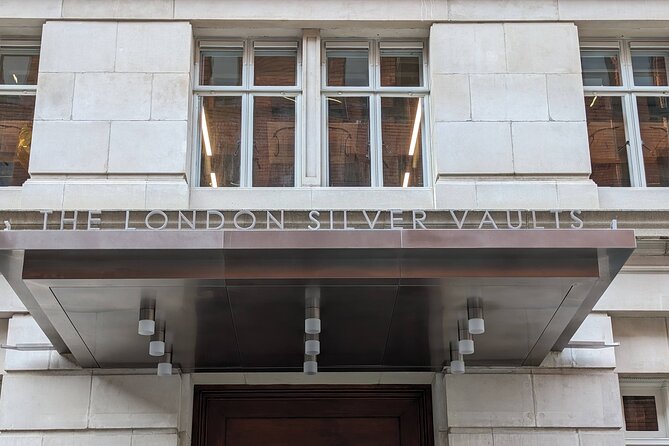
- London Silver Vaults: yes, there is a very practical retail stop, plus it breaks up the heavier themes.
A Holborn walk where Oliver Twist meets medieval London
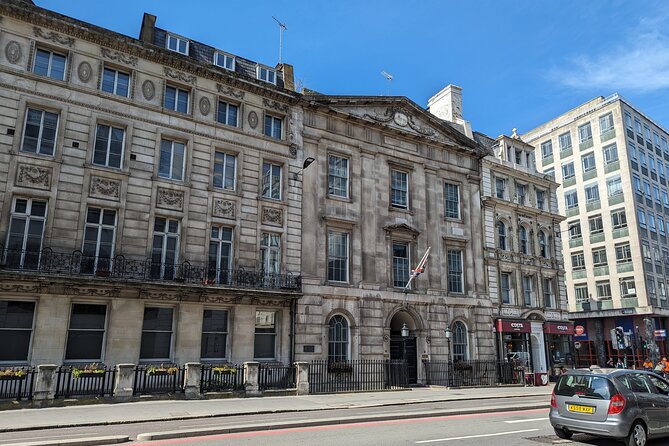
This is the kind of London tour I like best: you get out of the usual headline stops and walk through a working neighborhood where history is still part of the street plan. Holborn sits close enough to major sights that it feels central, but it also keeps the city’s layers close together, which is exactly what this route is built for.
The big idea is “squalor and splendour,” but in a believable way. You are not just looking at monuments, you’re learning how different institutions shaped daily life and even the stories people told. The guide uses the area’s story to make sense of everything from medieval groups to the legal system, and it all lands in the same few blocks.
One reason it works is pacing: it is about two hours, not half a day of museum hopping. You cover multiple stops, each one short, so you stay alert and still get enough context to connect the dots. And because the group is capped at 15, you do not spend the whole time craning your neck or waiting for the guide to finish a monologue.
You can also read our reviews of more tours and experiences in London.

Bow Street Runners, Freemasons’ Hall, and Royal Courts of Justice
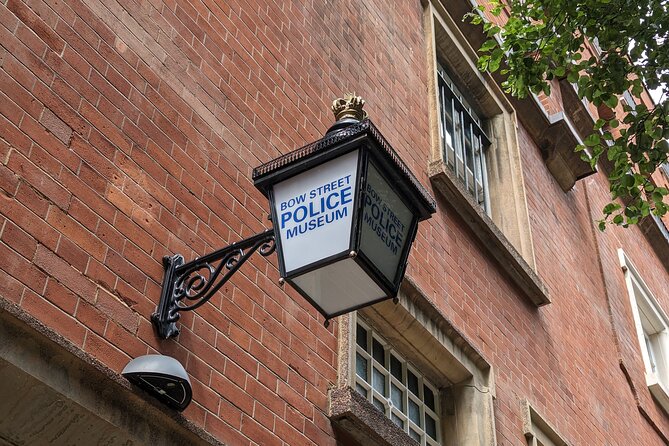
The tour starts with justice in its earliest, more human form: the Bow Street Museum of Crime and Justice and the history of the Bow Street Runners. Even if you already know the broad idea of policing, you’ll appreciate how early systems formed and how they were tied to specific places. This stop sets the tone. You begin with a sense of how order got enforced locally, then you build from there.
Next comes Freemasons’ Hall. This is not just a pretty facade moment. The point here is contrast. Courts and policing represent the state, while freemasonry represents an organized network with its own history. The guide’s job is to connect those dots for you, so you come away with a more rounded sense of how authority worked in Britain, not only who had the power, but how that power was socially structured.
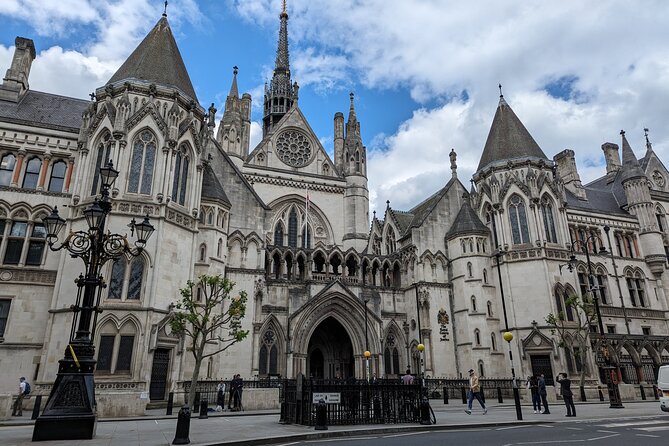
After that, you’re at the Royal Courts of Justice. This is where the story shifts from earlier forms of enforcement to the institutions that define modern legal life. The stop is short, but it gives you a framework for what you’re looking at. If you like learning how systems function, not just who built what, this part will click.
Practical note: these stops are listed as admission ticket free, so you can focus on the walk and the explanations rather than budgeting time for ticket lines.
Temple Church and the Knights Templar in plain sight
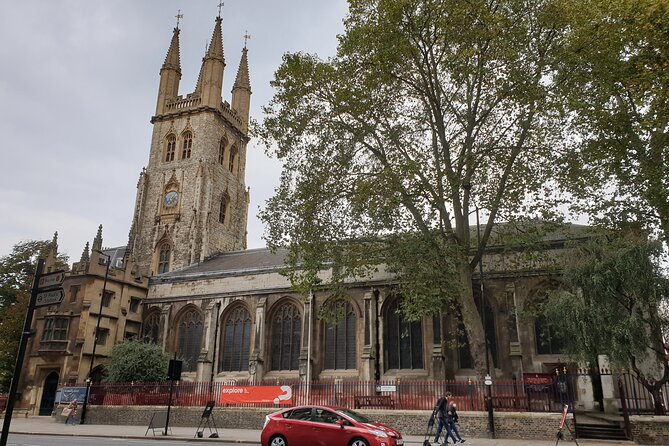
Temple Church is the stop that tends to pull people in fast. You’re in a part of London tied to the Knights Templar, and the guide brings that connection into sharper focus without turning it into a scavenger hunt for trivia.
Here’s what I think makes this segment valuable for you: it gives medieval history a physical location. A lot of London’s past can feel abstract until you stand somewhere and realize the city kept moving, yet these sites stayed in the landscape. Temple Church helps you see how medieval power and belief left marks that are still readable today.
Also, this is the kind of place where questions naturally pop up. The tour format makes it easier to ask. If you’ve ever had that moment where you can tell you’re missing context, this is the part where the guide can help you fill the gaps. From the way the guide works on these walks, it is clear the goal is not just to talk, but to make the stops make sense for the people standing right there.
If you enjoy history that has characters and institutions instead of dates only, Temple Church is one of the strongest reasons to take this tour.
The Old Bailey site, Newgate prison, and how crime shaped the city
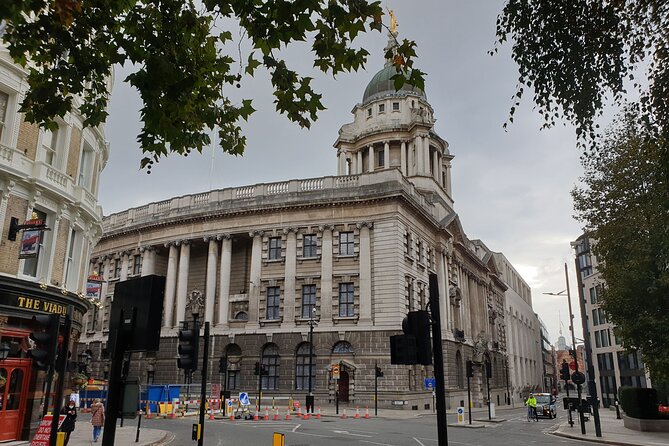
After Temple Church, the route moves toward the Old Bailey area, the site of the Central Criminal Court, and it also connects to the story of Newgate Prison. This is where the tour’s “crime and justice” thread tightens.
What I like about putting this stop mid-route is that you’ve already built context. You’ve seen the early crime and justice angle at Bow Street, you’ve considered other structures like Freemasons’ Hall, and now you see the legal system at scale, at least as far as the geography lets you.
This is also a good part of the walk to think about how a city develops around its institutions. Courts and prisons change the streets around them. They affect who passes through, what businesses survive nearby, and what kinds of stories show up in the public imagination. The guide connects those themes while you’re walking, so it does not feel like a lecture you have to tolerate. It feels like the city is explaining itself.
Because the stop time is short, you’ll want to stay mentally present. This is not the part of the tour for multitasking, unless your multitasking is actively looking around and noticing patterns.
Silver Vaults and Staple Inn, two stops that add balance
Not every stop is grim or purely political, and that matters. London Silver Vaults is listed as the world’s largest collection of retail silver. That is a wild claim on paper, but the practical takeaway for you is this: the tour deliberately adds a commercial, everyday angle.
This stop can refresh your brain after the legal and medieval themes. Even if you have no interest in shopping, walking past a place that specialized like this tells you something about London as a city that traded, crafted, and marketed objects. It’s one of the ways the tour avoids feeling one-note.
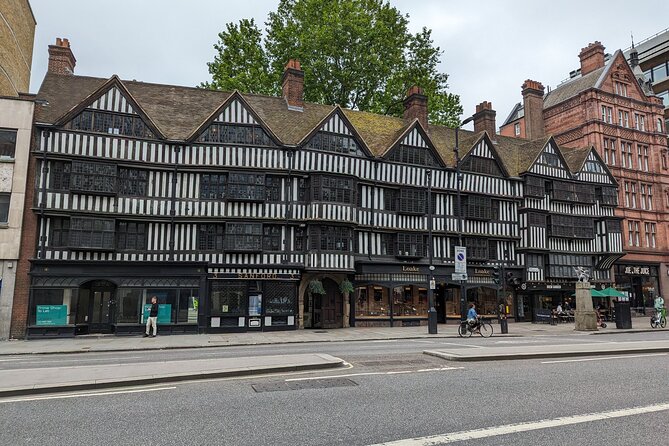
Then you reach Staple Inn, described as the last remaining of the Inns of Chancery buildings. This is the architectural relief point, and it’s also a clue about how law shaped the neighborhood. Inns of Chancery connect to legal practice and education, and Staple Inn acts like a physical fragment of that world. You get to see how specific functions can leave behind long-lasting street-level traces.
If you like architecture but do not want to spend your day reading building histories, these two stops do a nice job. They keep the theme moving while still giving you variety.




How the pacing, route length, and small group size work
This tour runs about two hours, and the route is designed as a steady walking loop rather than long museum time. The total walk should be manageable for most people, but you’ll want to take the warning seriously: it is not recommended if you cannot walk two miles at a reasonable pace.
The time at each stop is short, around five minutes, so you’re constantly moving. That’s not a problem if you pack light, wear comfortable shoes, and accept that you are collecting impressions and context, not lingering.
The group cap of 15 is a big deal for the vibe. It means your guide can answer questions without rushing. Based on how the guide approaches the walk, you should expect room for interaction. People also come away with extra ideas for other nearby historic spots, which is a nice perk because it extends your day without adding cost.
The tour language is English, and the format includes a mobile ticket. That makes the day smoother, especially if you are balancing multiple plans.
Meeting at Covent Garden and ending near Blackfriars
The start point is near Covent Garden Underground, at Long Acre, London WC2E 9JT. The finish is near Blackfriars Station on the northern bank of the River Thames, ending at a Superdrug Health Clinic at 36 to 37 New Bridge St, London EC4V 6BJ.
This is a helpful setup if your London day includes river areas. It means you do not finish back at the starting point. You can keep wandering toward other river-adjacent neighborhoods afterward.
One more value point here: each listed stop is shown as admission ticket free. So your cost stays focused on the guide experience itself, not a chain of paid entries that shrink your time budget.
Price, value, and why this 2-hour format is worth it
At $27.42 per person for about two hours, this is not a budget deal in the sense of “free,” but it is good value for what you get. You’re paying for interpretation, not just access. The itinerary threads together multiple themes that would be hard to assemble yourself without turning your walk into a research project.
Here is the practical calculation I’d use. You are getting a guided explanation at several key points tied to crime and justice, medieval institutions, and Dickens-era connections. The route also includes both serious and lighter stops, so the tour doesn’t trap you in one mood.
The fact that it’s typically booked around 31 days in advance also tells me demand is real. If you’re traveling in a busy season or you want a specific day, booking sooner helps.
Small group, English guide, mobile ticket, and short stops that keep momentum, for $27.42, is a fair trade if you like learning as you walk.
Who should take this walk, and who might not love it
You’ll likely enjoy this tour if you like London with context. If you prefer understanding how the city’s institutions worked, and you want Oliver Twist tied to real places in Holborn, this route fits.
It also suits people who enjoy asking questions during the walk. The small size means you are not fighting for attention, and the guide’s style is described as clear and informative, with time for answers.
You might want to skip it if:
- you struggle with walking two miles at a reasonable pace
- you want mostly famous exterior landmarks with minimal explanation
- you prefer long indoor museum time over frequent short stops
Should you book Turmoil, Templars & Oliver Twist London’s Squalor and Splendour?
If you’re the kind of traveler who likes London to make sense, I think this is a strong yes. It’s a focused two-hour walk that blends Oliver Twist locations, medieval Temple Church connections, and crime and justice sites in a way that stays readable and practical.
Book it if you want to see Holborn as a connected story, not a checklist. Skip it only if you know your walking stamina is limited or you want a less structured pace.
FAQ
How long is the walking tour?
The tour is listed as approximately 2 hours.
What is the cost per person?
The price is $27.42 per person.
Where does the tour start and where does it end?
The start is near Covent Garden Underground Ltd on Long Acre, London WC2E 9JT. The tour ends near Blackfriars Station at a Superdrug Health Clinic, 36 to 37 New Bridge St, London EC4V 6BJ.
Is the tour offered in English?
Yes, the tour is offered in English.
Is it a small group tour?
Yes, the maximum group size is 15 travelers.
Do I need to buy tickets to enter the stops?
The listed stops are shown as admission ticket free.
Is the tour suitable if I cannot walk two miles?
It is not recommended if you are unable to walk two miles at a reasonable pace.
Can I cancel for a full refund?
Yes. You can cancel for a full refund up to 24 hours before the experience start time.
More Tour Reviews in London
Not for you? Here's more nearby things to do in London we have reviewed










More London City Tours worth a look.
 ★ 4.6The London Eye Entry TicketTickets from $3935,875 guest reviews
 ★ 4.7From London: Harry Potter Warner Bros Studio TourTickets from $11726,588 guest reviews
Westminster to Greenwich River Thames CruiseTickets from $2222,836 guest reviews
Magical London: Harry Potter Guided Walking TourTickets from $2022,044 guest reviews
★ 4.7From London: Harry Potter Warner Bros Studio TourTickets from $11726,588 guest reviews
Westminster to Greenwich River Thames CruiseTickets from $2222,836 guest reviews
Magical London: Harry Potter Guided Walking TourTickets from $2022,044 guest reviews
 ★ 4.6Madame Tussauds LondonTickets from $3620,915 guest reviews
 ★ 4.5Stonehenge, Windsor Castle, and Bath from LondonTickets from $11118,662 guest reviews
 ★ 4.7Warner Bros. Studio Tour with TransfersTickets from $14417,586 guest reviews
 ★ 4.7Tower Bridge Entry TicketTickets from $2115,560 guest reviews