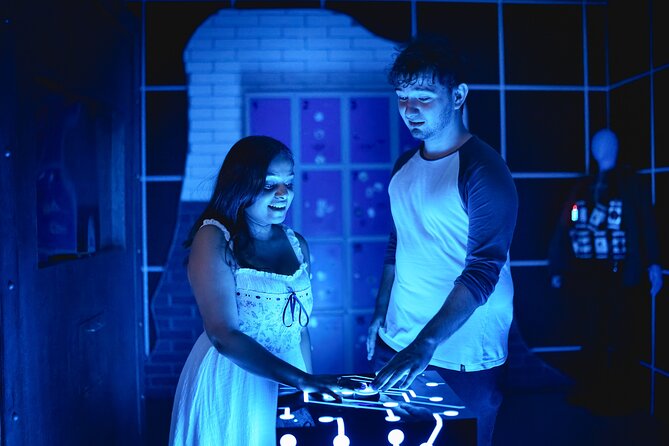
REVIEW · LONDON
The Mind of Moriarty: Live Escape Experience
Moriarty is the problem, and you are the solution. This BBC Sherlock themed live escape experience turns classic show moments into puzzle rooms powered by digital media and cast-recorded help. You go in as your group, take on the covert mission theme, and try to outthink the Napoleon of Crime before time runs out.
I especially like the cast-recorded guidance woven into the experience. It means you are not stuck staring at a locked box, you are nudged back toward the story as you solve. I also like that it is a private group setup, so you can work at your own pace and rely on your own wits rather than watching strangers bumble through your clues.
One thing to consider is that some puzzles can feel cryptic, so if you prefer very straightforward clues, you may want to ask for help early rather than burning minutes.
Key things that make The Mind of Moriarty worth your time

- Sherlock TV theming that aims to put you into Moriarty’s memories, not just generic escape room decor
- Original cast-recorded content used as in-experience guidance when you hit a wall
- Private experience for your group, which often makes the teamwork feel sharper
- Well-designed rooms and clever puzzles that create a true “work the problem” vibe
- A post-game Mind Palace speakeasy drink, with real-world feedback on value and service speed
A Sherlock-style mission with Moriarty inside it
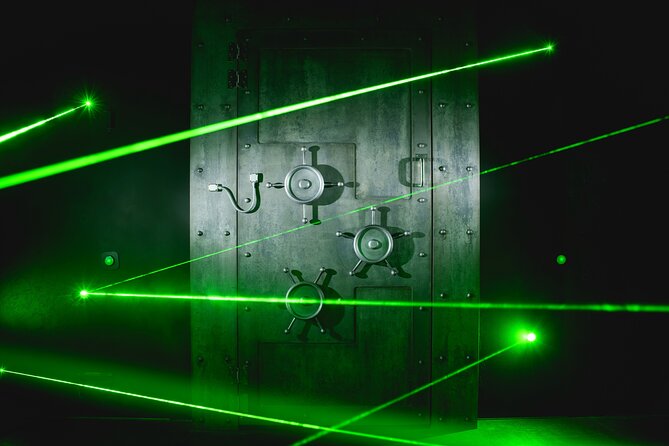
This is not the kind of escape room where you mostly hunt for keys. The Mind of Moriarty pitches you into a story: you have completed a covert assignment for The Network, but celebration is cut short when Moriarty sets one last trap. Then you step into his mind, specifically through a digital reality format that connects to memorable beats from the BBC Sherlock world.
What I like about this framing is that it helps the puzzles feel purposeful. You are not just doing room mechanics. You are trying to take Moriarty down from the inside, and that story logic gives you something to hold onto while you solve. When a clue links to a scene you recognize, you naturally start thinking like Sherlock, which is the whole point.
The experience is also built around help, not just pressure. You face a series of perilous puzzles, but you are given support through original content recorded by the cast. That changes the feel of the session from purely “escape or fail” to “solve your way out with targeted assistance.” It keeps the experience fun even when your group hits a tricky step.
There is also a design shift some fans will notice. If you loved an earlier Sherlock Holmes escape room concept, you may find the updated direction, including an AI-centered redesign, changes the flavor. That is not automatically bad, but it can affect what you expect from the theme.
You can also read our reviews of more tours and experiences in London.

Getting to the start: W12 Shopping and an easy return
Plan on meeting in West London at W12 Shopping Shepherd’s Bush Grn, London W12 8PP. The good news is the session ends back at the meeting point, so you are not dealing with an awkward “now go find your own way” finish.
You should also know the core timing upfront. The experience runs about 1 hour 40 minutes. Escape rooms live or die by time management, so this length is long enough for a real challenge, but not so long that you feel like you can drift.
You can use a mobile ticket, which makes it simple on the day. It is also listed as near public transportation, so you can treat it like a legit London activity rather than a car-only detour. And yes, service animals are allowed.
One practical tip: wear shoes you can move in. Even if you are not crawling around, you will likely be leaning, walking between puzzle stations, and swapping roles quickly when the team hits a new clue.
What happens once the timer starts in the Moriarty digital reality

The big promise here is that you will travel through Moriarty’s memories using digital media. In practice, that means you are dealing with puzzles that are tied to the story and supported by in-experience content rather than printed clue sheets alone.
Your mission is clear: solve puzzles well enough to escape. The game is designed around multiple stages, so it is not one long “find everything” hunt. Instead, you move step-by-step, with each successful solve pushing you deeper into Moriarty’s thought process.
A key part of the experience is the original cast-recorded material. This is not just background audio. The design goal is to provide help when you need it, so the narrative stays intact while the puzzles keep moving. I think that is valuable because it supports different group styles. Some groups love to brute-force logic. Others prefer pattern recognition or teamwork with quick role swaps. When help is built into the experience, you spend less time stuck and more time solving with momentum.
There is also a staff component that matters. In real feedback, the hosts are described as engaging and funny, and the stage setup is praised for being well handled. When an escape room has good hosting, you do not feel like you are trapped in silence. You feel like you are being guided through a challenge.
Puzzles: clever, story-linked, and sometimes a bit cryptic
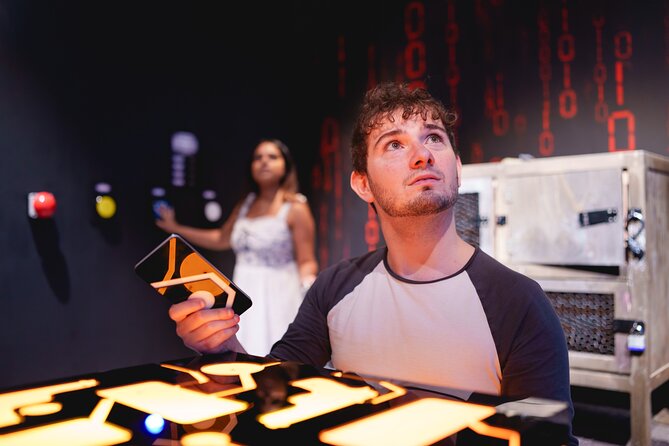
The core activity is solving puzzles. That sounds simple, but it is the difference between a fun diversion and a genuinely memorable escape. Here, the puzzles are praised for being clever and for fitting the theme, especially in the earlier rooms where the stage design gets particular attention.
That said, there is one consistent practical consideration: not every clue will feel obvious to every group. One strong piece of feedback is that some clues can be too cryptic, making it hard to solve without assistance. Another comment notes the group needed help to get out of at least one room, which lines up with the idea that this game offers support, but you still have to do the thinking.
So how do you get the best experience?
- Assign roles fast. One person watches for narrative hints, one handles logic and possible combinations, and one keeps time awareness.
- If you are stuck on a single clue for too long, use the help offered. You will often get back to the story logic quickly instead of spending the rest of the session spinning.
- Pay attention to what the cast-recorded content seems to emphasize. In a story-driven escape, the hint is usually aimed at the next puzzle’s method, not just the final answer.
The good news is the team aims to tailor clues to each group. That matters because it suggests you are not locked into a single “one size fits none” pathway. Even if the game can feel cryptic at times, there is a built-in attempt to keep it playable.
Pacing for 1 hour 40 minutes: how to avoid a late scramble

At about 1 hour 40 minutes, you should expect a pace that requires steady progress. You cannot treat this like a casual sightseeing stop where you wander back and forth. Once you start, you want your group synchronized.
In feedback, one group made it out a minute before time was up, which tells me the experience can deliver the satisfying last-stage push. At the same time, finishing late is not where you want to be emotionally. The best session is the one where you feel like you are solving, not guessing at the clock.
My recommendation is to build a rhythm in your group:
- Early phase: focus on understanding puzzle rules and how the digital or physical elements connect.
- Middle phase: move through the hardest step with help rather than stubborn silence.
- Final phase: prioritize what unblocks the exit rather than fixing every small detail you notice.
If you keep the team moving, the story beats will feel more satisfying. You will recognize how each solved piece pushes you toward the next memory.




The Mind Palace speakeasy drink after your escape
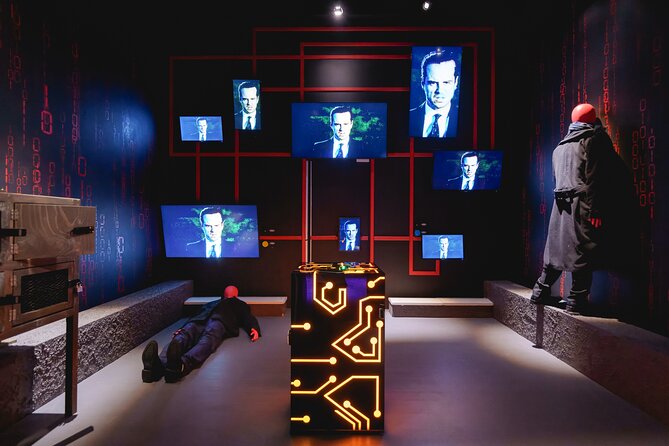
One of the stated highlights is that you can relax with a drink after the experience at the Mind Palace speakeasy bar. That is smart. Escape rooms can end abruptly, and a planned decompression spot makes the whole day feel like an outing instead of a single urgent burst of problem-solving.
However, value can vary. Some feedback calls out bar service delays, even when the bar seemed empty, and mentions that drinks were on the pricey side. Another comment suggests they had a smoother, enjoyable experience overall, but the takeaway for you is this: treat the drink stop as part of the fun, not as a guaranteed fast or cheap add-on.
What you can do to make this work for you:
- If you are hungry, eat before you go. You will avoid the “expensive drink as dinner” feeling.
- Assume you may need patience at the bar. You are still coming off a timed event, and service pace may not match your adrenaline level.
- If you are budget conscious, plan your drink ahead or keep it simple.
Even with that caution, the idea of a speakeasy-style moment after solving fits the Sherlock vibe. It gives you a little closure, a place to decompress, and a setting that matches the theme.
Price and booking timing: $48.15 with private-group value
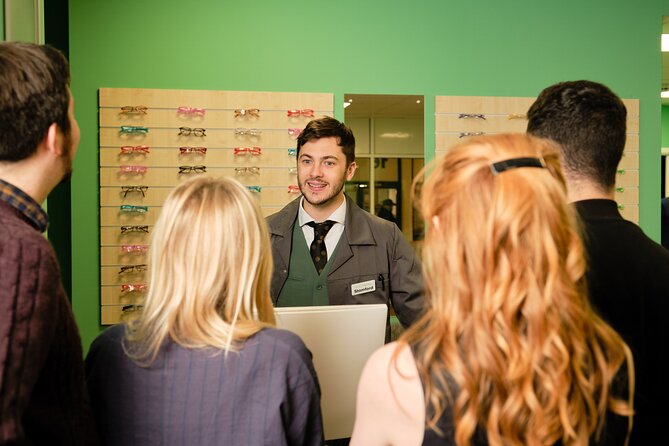
The price is listed at $48.15 per person. That is not the cheapest activity in London, but it sits in a range where you are paying for more than a basic attraction. You are buying time, storytelling, puzzle design, and staff hosting.
The value improves if you are traveling with a group that will actually work together. This is described as a private tour/activity, meaning only your group participates. In practical terms, that can make the experience feel less chaotic. You are more likely to coordinate roles and solve faster without waiting for strangers to catch up.
There is also mention of group discounts. If you are traveling as a cluster of friends, you should price it both ways, individual vs group, to see where the best deal lands.
Finally, the average booking window is about 57 days in advance. That suggests demand is steady enough that planning ahead is smart. If you are visiting during a busy season, I would treat that as your clue to book sooner rather than gambling on last-minute availability.
Who should book this Moriarty escape, and who might want to rethink it
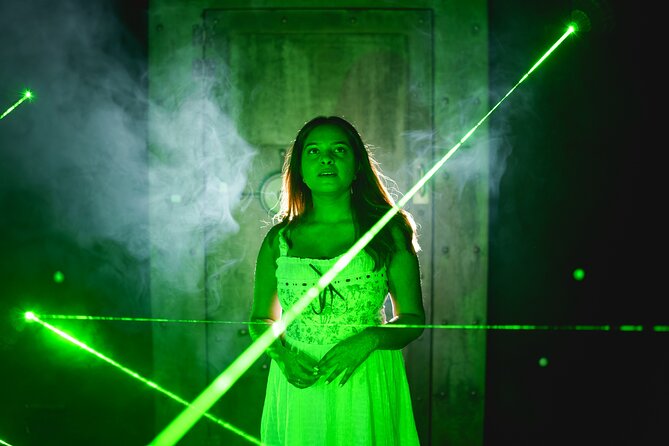
This experience is ideal if you are a BBC Sherlock fan and you like puzzle rooms that connect to story moments. The cast-recorded help is a strong match for people who want assistance that feels part of the narrative rather than a random out-of-band hint.
It is also a good fit if you enjoy teamwork. The game leans on group problem-solving, and the private format helps you build a real working unit instead of splitting attention.
You might rethink it if:
- You dislike puzzle games where clues can feel cryptic.
- You are the type who wants every hint to be straightforward and obvious without any mid-game guidance.
- You strongly prefer the earlier Sherlock escape room version and are hoping for the same feel, since the new design direction may not match your expectations.
If that sounds like you, the upside is you can still enjoy the stagecraft and general fun, but you may want to mentally prepare for a different vibe than older iterations.
Should you book The Mind of Moriarty?
If you want a Sherlock-themed puzzle session in London that uses digital storytelling and cast-recorded help, this is a solid choice. I would especially recommend it if you like escape rooms that feel story-driven, and if you want a private group experience where your team can focus.
The main risk is clue clarity. If your group hates cryptic steps or would rather move through a puzzle with minimal friction, plan to ask for help and keep roles clear. Also, if you care a lot about after-activity bar service speed or cost, go in with patience and a simple drink plan.
Overall, I think this works best as a planned activity, not a last-minute filler. Book ahead, gather your smartest teammate, and treat it like a game where the story guide is part of the solution.
FAQ
Where is the meeting point for The Mind of Moriarty?
The meeting point is W12 Shopping, Shepherd’s Bush Grn, London W12 8PP, UK. The activity ends back at the same meeting point.
How long is the escape experience?
The duration is approximately 1 hour 40 minutes.
How much does it cost?
It costs $48.15 per person.
Is this a private experience?
Yes. Only your group will participate.
Do I need a mobile ticket?
Yes, mobile ticket is listed as a feature.
Are service animals allowed?
Yes. Service animals are allowed.