
REVIEW · LONDON CITY TOURS
Secrets of Underground Walking Tour with London Transport Museum
London’s Tube has secrets you can walk to. This half-day route strings together major interchanges and lesser-known stops, with audio headsets so you catch every bit of narration while you move through the city. I love the way the guide turns ordinary station exteriors into a story you can actually follow, and I also like that London Transport Museum entry is included at the end. One drawback to watch for: the museum time is at leisure, and a few booking issues have shown up at the museum counter, so keep your confirmation handy.
You start at Baker Street at 1:00 pm, then finish near Westminster around 3:30 pm, with stops built around how the Underground grew, shifted lines, and sometimes closed stations that no longer worked. I especially like the pacing, 30 minutes per stop, because it gives you time to listen, look, and then move on without feeling rushed. If you get a guide like John (known for being entertaining and fun to listen to), you are likely to enjoy it even more.
Key things to know before you go
- Audio headsets are included, which helps a lot on loud street corners and busy station fronts.
- You will not be promised full entry into disused platforms, but you do get stories tied to closed or declining stations.
- The walk ends at Westminster, while the London Transport Museum is separate and at your own pace afterward.
- Small group size (max 25) means the guide can keep the explanation flowing.
- Zone 1 access matters, since the tour notes require an Oyster card, Travelcard, or contactless payment for Zone 1.
Why this Underground walking tour feels different
If you only see London Underground as a way to get from A to B, you miss the character. This tour is built to make you notice the physical clues. You learn what was built, what was planned, and what got abandoned, by standing in front of the real places where decisions happened.
The headset setup is a big part of why this works. You are outside a lot, and London stations can be noisy and visually distracting. With the audio, you can keep your attention on the guide instead of trying to lip-read from ten feet away.
Value is also part of the appeal. For $32, you are paying for a guided walk plus included London Transport Museum entry, all in about 5.5 hours. Just be aware the museum portion is self-directed, so the tour is not a guided museum lecture.
You can also read our reviews of more walking tours in London



Baker Street start at 1:00 pm, guided from the Sherlock Holmes statue
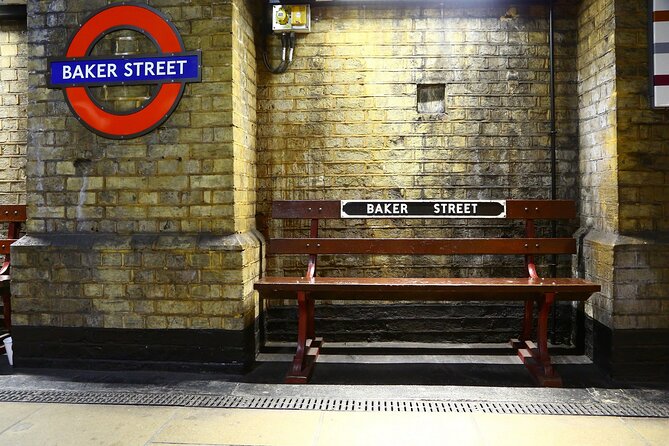
Your day begins at Baker Street Station at 1:00 pm, at the Underground Ltd meeting point, with the tour starting outside by the Sherlock Holmes statue. This matters because it is an easy landmark to find, and it helps you avoid the common first-day problem of arriving late and scrambling.
Stop 1 centers on Baker Street’s place in the Underground story, starting with the Metropolitan Railway and its status as the world’s first underground railway. Even if you have never studied transport history, the guide’s job is to connect big terms to what you can actually see at street level: entrances, alignments, and why certain locations became hubs.
Timing is tight here at about 30 minutes. That is enough time to get the key narrative, but not enough to linger for photos forever. If you are the type who always stops for a perfect shot, I suggest setting a quick photo limit in your head before you begin.
Oxford Circus: how construction plans shaped the Victoria line
Next you move to Oxford Circus Station area. The story focuses on construction that began in 1962 for the initial Walthamstow to Victoria section, including plans for cross-platform interchange. Then you get the milestone date, the Victoria line platforms opening on 7 March 1969.
This stop is useful because it explains why interchanges in London do not just happen by accident. You learn that platforms and flows are engineered, and that the city’s transit map is the result of long planning cycles. If you regularly take the Tube, this will make you understand why certain corridors and platform layouts feel the way they do.
The drawback at Oxford Circus is also obvious: it is a high-traffic station area. Even with headsets, you may notice how quickly foot traffic can steal your attention. Stay close to the guide and listen first, then take photos after the main explanation.
Green Park and Down Street: the station that closed in 1932
This part of the tour shifts from the busiest interchange energy to a quieter slice of Tube history. At Green Park, the focus is Down Street Station, opened in 1907 by the Great Northern, Piccadilly and Brompton Railway. Later it was served by the Piccadilly line, but it closed in 1932 due to lack of patronage and its proximity to other stations.
I like this stop because it corrects a common assumption. London Underground is not just about growth. It is also about real-world usage, and sometimes the system prunes itself when stations do not earn their keep.
One practical consideration: the tour highlights disused stations and closed sites, but access can be limited. So come with the mindset that you are learning and viewing from public areas, not expecting a movie-style tour inside places that are shut off to everyone.
Piccadilly Circus Station: a timeline you can see in the platforms
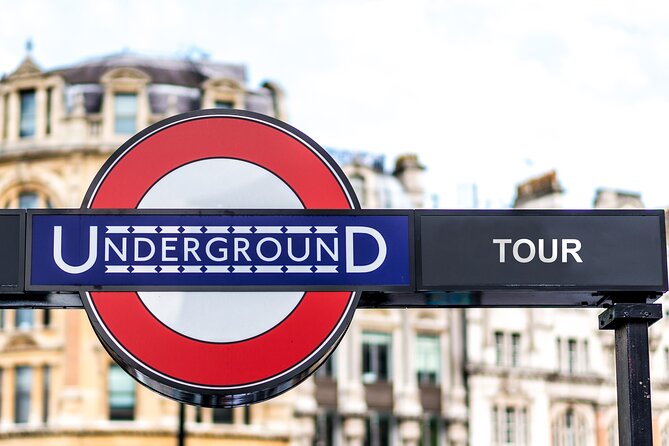
At Piccadilly Circus, the guide walks you through a two-railway timeline. The station opened on 10 March 1906 with the Baker Street and Waterloo Railway, now part of the Bakerloo line. The Piccadilly line platforms then opened later, on 15 December 1906, connected to the Great Northern, Piccadilly and Brompton Railway.
This stop gives you a satisfying kind of history, the sort where dates matter because they explain layering. You start to notice that major stations can be built in stages, with different lines entering the picture at different times. It is an easy story to remember once you anchor it to those opening dates.
Piccadilly Circus is another crowded location. Plan to keep your space, listen with your headset, and only step away from the group briefly. The tour keeps a steady rhythm, so falling behind here can ripple into your later museum timing.
You can also read our reviews of more museum experiences in London






Embankment Station and Westminster: the city’s engineering behind the Underground
After Piccadilly Circus, you head to Victoria Embankment, where the explanation connects Tube growth to Thames-side urban planning. Embankment runs along the north bank of the River Thames, reclaiming marshy land developed in the 19th century. That framing helps you understand Underground lines as part of a bigger construction story, not as a standalone marvel.
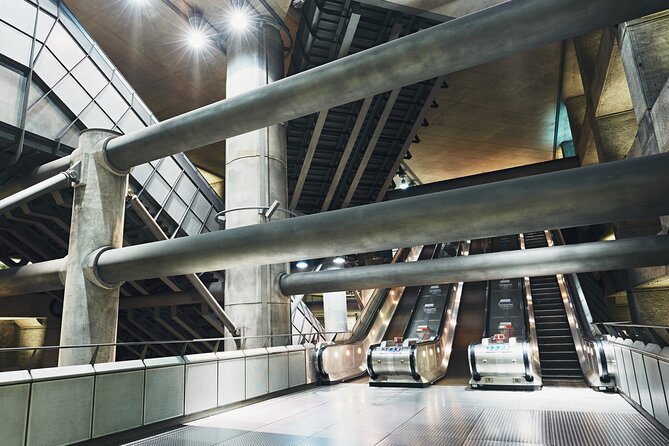
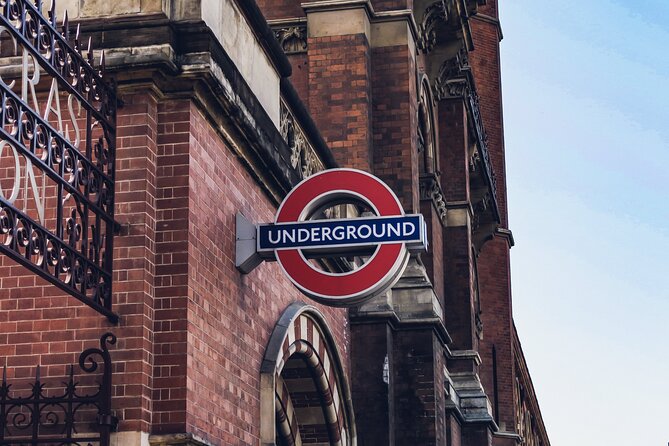
Then you finish the walk with Westminster Tube Station. This stop’s history starts with the station opening as Westminster Bridge on 24 December 1868, built by the steam-operated District Railway, now the District line. Access is also part of the story, via a passageway from Bridge Street and a pedestrian subway under the road.
I like the Westminster angle because it brings the road and river network into the picture. Underground stations do not exist in a vacuum. They are built where streets, bridges, and land decisions already shaped where people needed to go.
By this point, you have likely been standing, listening, and walking for a while. If you need a quick reset, keep water in your day bag and use the station lobbies or nearby sidewalks during the 30-minute window to cool off and regroup.
London Transport Museum (included): how to make 1.5 hours work
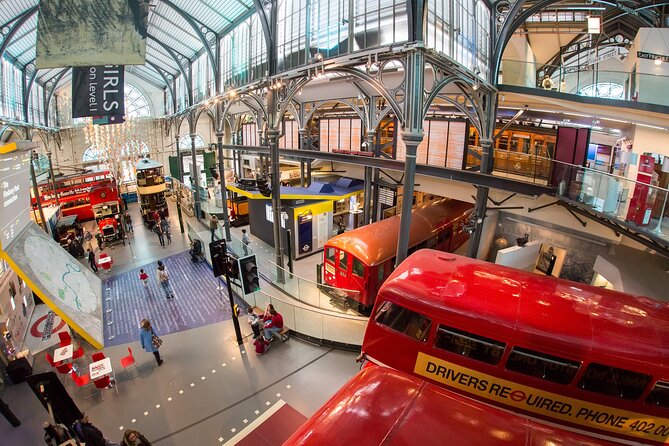
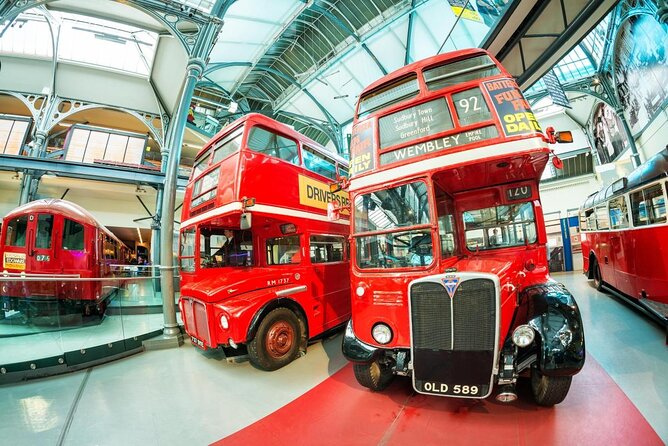
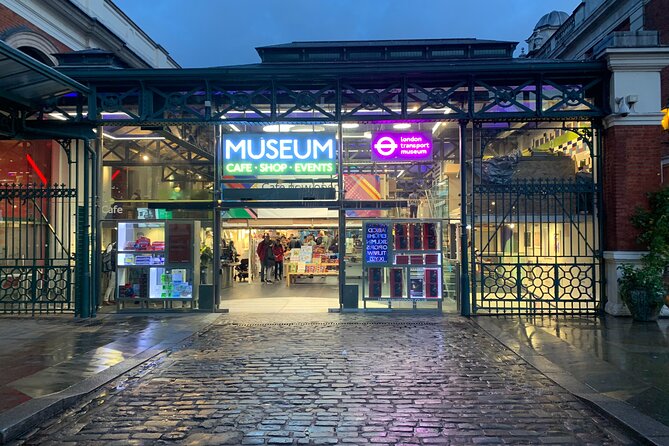
Your final stop is the London Transport Museum at Covent Garden Piazza, with about 1 hour 30 minutes to explore on your own. The tour notes make it clear there is no guide for the museum visit, so you are basically checking in, then choosing what to see.
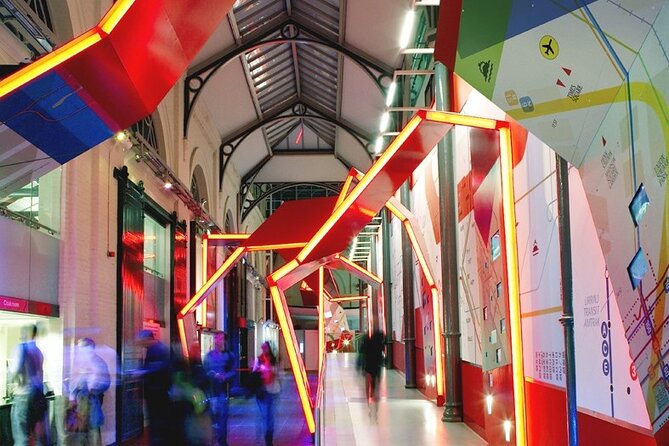
What you can expect is a broad overview of London’s transport, including stories of people who traveled and worked over the last 200 years, plus a peek at how future technologies might impact London. This is a good end to the tour because you can compare what you heard outside with what you see inside.
Because the museum visit is independent, your success depends on your plan. Pick a couple areas you care about in advance, so you are not wandering for 60 minutes and then feeling time pressure. If you are most interested in the Tube’s engineering side, focus on exhibits that connect to lines, stations, maps, and how the system evolved.
Important caution based on real-world booking issues: some people reported problems with the included museum admission, including being asked to pay extra at the counter or confusion about ticket validity. I cannot predict what you will experience, but I can tell you what to do. Bring your booking confirmation, double-check the museum entry terms, and be ready to show any voucher details quickly at check-in.
The tour ends around 3:30 pm at Westminster Station. To get to Covent Garden, you will need to travel independently, and the closest Underground station is Covent Garden.
Price, pacing, and real value of the 5.5-hour format
At about $32, this is priced like a budget-friendly history outing, not a premium guided expedition. The biggest reason it can still be good value is the inclusion of museum entry plus audio headsets, which reduce friction during the walk.
The tradeoff is also built in. The walk is only half-day, so you are getting snapshots rather than a full underground deep cut. You also do not get a guided museum experience, so you do not have a second chance to ask questions after the walk ends.
If you are deciding between this and a more general Tube tour, pick this one if you like station-by-station storytelling and want the museum as a second act. Pick something else if you want long interior access to closed stations, because the format is set up for viewing and explanation during the walk, then self-guided learning at the museum.
Who should book this tour, and who should choose differently
This suits you if you:
- Want a structured way to learn Underground history without getting stuck in a museum-only day.
- Like explanations tied to specific locations, especially interchanges and stations with clear timeline stories.
- Appreciate audio support for outdoor narration.
It might not suit you as well if you:
- Expect full access to disused or closed platforms as part of the tour experience.
- Want a guided museum walkthrough with ongoing commentary.
- Are sensitive to crowds at busy stations like Oxford Circus and Piccadilly Circus.
Group size is max 25, and the tour notes call for moderate physical fitness. So it is not extreme, but it is still a walking and standing experience across multiple stops.
Should you book?
Yes, I think you should book if you want a smart, low-cost way to see more London Tube history than you get from simply riding the trains, and if you are happy to handle the museum on your own afterward.
Before you buy, do two small checks. First, plan for Zone 1 payment needs (Oyster card, Travelcard, or contactless). Second, bring your booking confirmation to the museum counter to avoid any ticket misunderstandings.
If those boxes are easy for you, this is a fun half-day plan that turns “normal stations” into a story you can follow street by street.
FAQ
What time does the Underground walking tour start?
It starts at 1:00 pm. The meeting point is Baker Street Underground Station, and the tour begins outside by the Sherlock Holmes statue.
How long is the tour?
The tour is about 5 hours 30 minutes total. It finishes around 3:30 pm at Westminster Station.
Where does the tour end?
The tour finishes at Westminster Underground Station, Bridge St, London SW1A 2JR.
Is entry to the London Transport Museum included?
Yes, entry to the London Transport Museum is included. You have about 1 hour 30 minutes to explore it independently.
Is there a guide to visit the London Transport Museum?
No. The museum visit is independent at leisure, so you will not have a guide with you inside.
Are audio headsets provided?
Yes, personal audio headsets are provided for the Underground tour so you can hear your guide clearly.
Do I need an Oyster card or Travelcard?
Yes. The tour requires Zone 1 access, so you need an Oyster card, Travelcard, or contactless payment card for Zone 1. (This is not included.)
Is lunch included?
No, lunch is not included.
How big is the group?
The tour has a maximum of 25 travelers.
What is the cancellation window for a full refund?
You can cancel up to 24 hours in advance for a full refund. Changes made less than 24 hours before the start time are not accepted.
More Walking Tours in London


More Tours in London



More Tour Reviews in London


Not for you? Here's more nearby things to do in London we have reviewed









More London City Tours worth a look.
 ★ 4.6The London Eye Entry TicketTickets from $3935,875 guest reviews
 ★ 4.7From London: Harry Potter Warner Bros Studio TourTickets from $11726,588 guest reviews
Westminster to Greenwich River Thames CruiseTickets from $2222,836 guest reviews
Magical London: Harry Potter Guided Walking TourTickets from $2022,044 guest reviews
★ 4.7From London: Harry Potter Warner Bros Studio TourTickets from $11726,588 guest reviews
Westminster to Greenwich River Thames CruiseTickets from $2222,836 guest reviews
Magical London: Harry Potter Guided Walking TourTickets from $2022,044 guest reviews
 ★ 4.6Madame Tussauds LondonTickets from $3620,915 guest reviews
 ★ 4.5Stonehenge, Windsor Castle, and Bath from LondonTickets from $11118,662 guest reviews
 ★ 4.7Warner Bros. Studio Tour with TransfersTickets from $14417,586 guest reviews
 ★ 4.7Tower Bridge Entry TicketTickets from $2115,560 guest reviews
Continue by place or experience