
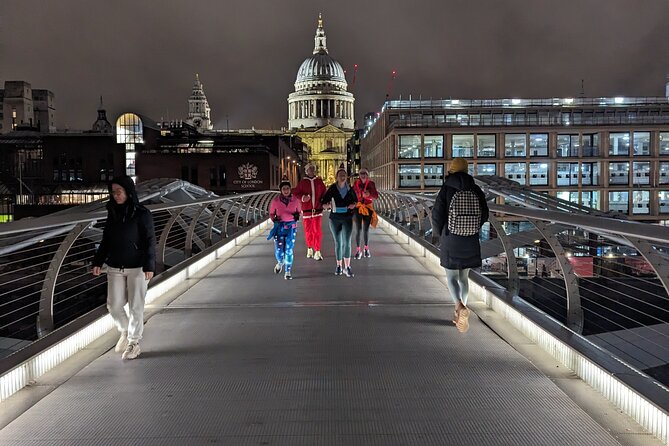
REVIEW · THAMES RIVER CRUISES
Run the Thames Bridges
Bridges, history, and a jog you control. This GPS-triggered audio tour walks you through London by land and by legend, with prompts that follow you at your pace and keep you pointed at the next big sight. I love that the audio is timed and clear, so you can focus on the run instead of map panic. I also love how the route is planned so you get the Thames highlights in a logical sweep, not a random hopscotch. One thing to consider: you still need a basic runner mindset, because you’re responsible for your own pacing and navigation.
This is a private, self-guided experience, so your group does it your way. You can cover it in one go (about 2 to 3 hours) or spread it across several days, with your schedule calling the shots. You’ll start at the Sundial at Tower Hill and finish right outside Putney Station on Putney High Street, with the audio in English and the route running daily from 5:00 AM to 10:00 PM.
Key points to know before you go
- GPS audio that triggers as you move so you do not have to constantly check your phone
- A route that includes both London Bridge and Tower Bridge plus the Westminster skyline
- GPS re-routing if you stray off path so you can recover without stopping for a full reset
- Free sightseeing stops along the way, including major riverfront landmarks
- A you-go-at-your-pace setup you can split across multiple days if needed
- Private format meaning only your group participates
GPS Audio That Re-Routes You Across London Bridges
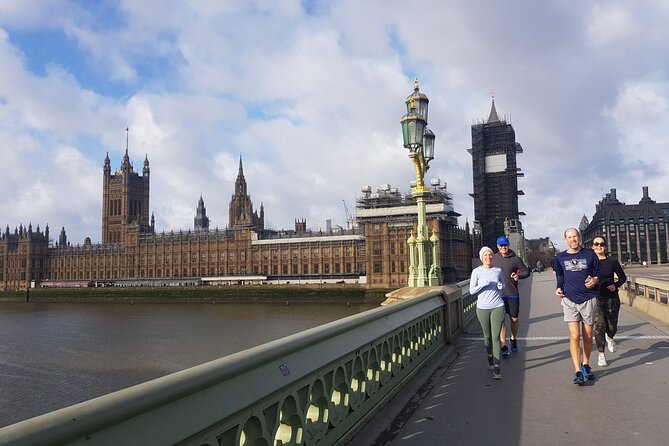
The heart of this experience is the GPS-driven audio. Instead of a rigid group tour where you wait for strangers and pretend you love being herded, you move at your pace while the story keeps time with your steps. The best part is that you do not have to stare at a map. The prompts are designed to be triggered by your location, with very clear timing.
Another plus is the safety net. If you drift off-route, the GPS is meant to guide you back. In practice, that matters because London routes can be confusing even on foot, especially around busy crossings and riverfront paths. Here, you get a built-in correction instead of a dead-end moment where you have to figure it out alone.
The audio content also comes across as structured rather than random facts. You get route cues and historical or factual material, and that split helps you stay oriented while still learning. Based on runners’ comments on this kind of London Bridges GPS format, you should expect the guidance to be easy to follow enough that you rarely need to pause and troubleshoot your phone.
One last practical thought: because it is self-guided, you control whether you jog steadily, walk and jog, or stop to take photos. That flexibility is great for mixing abilities in the same group, like one friend who wants a steady run and another who wants more photo stops.
Tower Hill Start, London Bridge, and Tower Bridge as Your Early Anchors
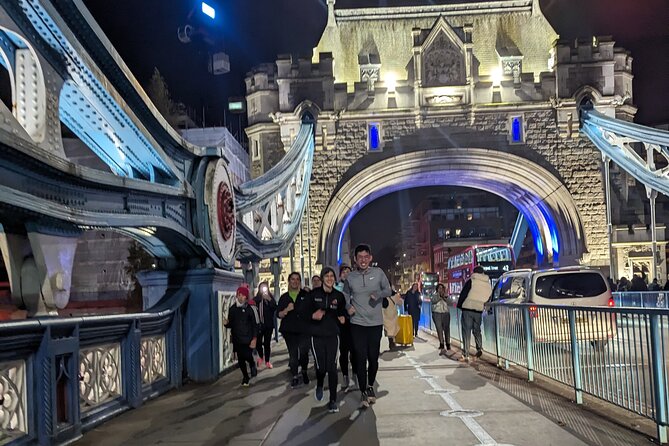
You begin at the Sundial at Tower Hill (London EC3N 2LY). That’s a solid starting point because it puts you close to the historic core of the Thames story. From there, the route brings you to London Bridge, where you run over the river and learn about what’s around you.
London Bridge is the kind of stop that works well for a GPS run. You get sweeping Thames views, and it becomes a natural “checkpoint” in the experience. You can settle into your rhythm, let the audio set the scene, and then keep moving without needing extra tickets or complicated logistics.
Next, you hit Tower Bridge. This is where the route really flexes. You not only see the bridge that people recognize instantly, you also get the context of the Tower of London nearby. Even if you have seen Tower Bridge in photos, running over it is different. The scale feels bigger and the river looks wider at street level than it does in a postcard.
The time blocks are fairly short at these anchor points, which is good if you want motion. You are not asked to linger through long museum-style stops. Instead, it’s more like a running tour with history sprinkled at the best moments.
Potential drawback here: if you’re expecting a fully guided tour with a person keeping everyone together, this will feel different. There is no leader calling out the next turn, because the GPS and audio are doing that job. If you like independence, great. If you like being managed, you might find yourself wishing for more human pacing.
You can also read our reviews of more tours and experiences in London.
Shakespeare’s Globe, Big Ben, and the Westminster Bridge View
As the route shifts west toward Westminster, it turns into a “greatest hits” stretch. You run past Shakespeare’s Globe theatre and learn about the surrounding area. This is one of those moments where the audio can do real work for you. Instead of guessing what you are looking at, you get a quick lesson that makes the streets and riverbanks feel less random.
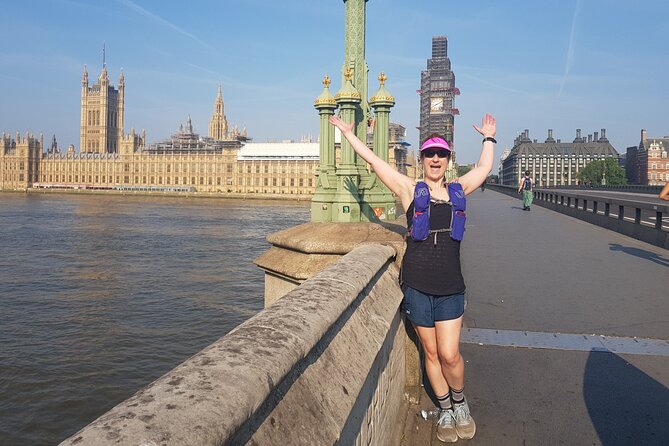
Then you reach Westminster Bridge, and that’s where the skyline really grabs you. The route has you cross while running past Big Ben. You are close enough to recognize what you’re seeing, but you also get the motion of crossing the Thames as the view changes from second to second.
Next, you get the Houses of Parliament as you run across the South Bank. Seeing those buildings while you are actually moving gives you a different sense of size and layout than standing still. You also get the practical benefit of staying on a walking-friendly river route while the audio keeps your attention and your timing.
Two things to keep in mind for this whole Westminster segment. First, this part of London can feel busier than the stretches near parks and redeveloped riverfront areas. Second, because you are moving through a high-profile zone, you might find yourself slowing down just for photos or to share space with pedestrians.
If you want to keep it a true run, treat Westminster as a “story stretch” where you set your own rules. Jog through the middle, walk for a minute at the photo-worthy moment, then get back into stride.
South Bank to Waterloo Bridge, Staying in the Thames Flow
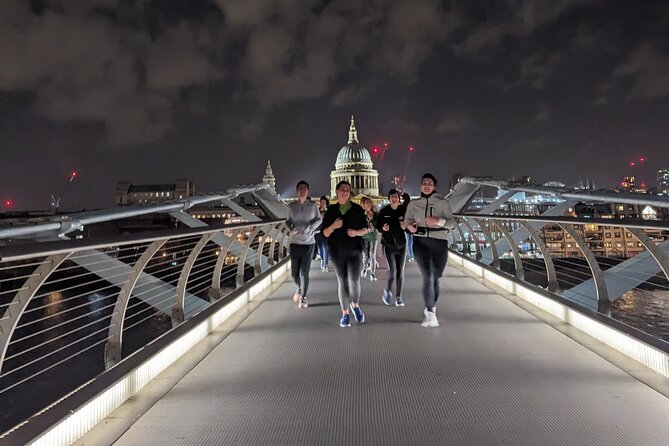
After Westminster, the route continues to Waterloo Bridge. You run over it and move through the nearby Southbank area. This part of the course is valuable because it gives you a break in pace without turning the experience into a stop-and-start grind.
Waterloo Bridge works like a transition point. Before it, you’re in landmark-heavy territory. After it, you shift toward the more modern redevelopment and park views around Battersea. That change in scenery is helpful, especially if you are doing this in multiple days. It keeps the story from turning into one long blur of bridges.
You also get another useful rhythm: these are short audio segments with travel time built into the overall estimate. That means you can plan your effort like a sequence rather than a mystery. If you’re the type who likes knowing what comes next, this route structure is a big win.
As you move through the Southbank, the key is to stay calm and keep your eyes up. The GPS is meant to bring you back if you drift, but you still want to enjoy the Thames instead of fighting crowds or sidewalks. If you are doing this at an early start time, like near the first hours of the day, you may find the river air feels cooler and the light can make the bridges look extra dramatic.
Battersea Power Station, Battersea Park, and the Art Stops Along the River
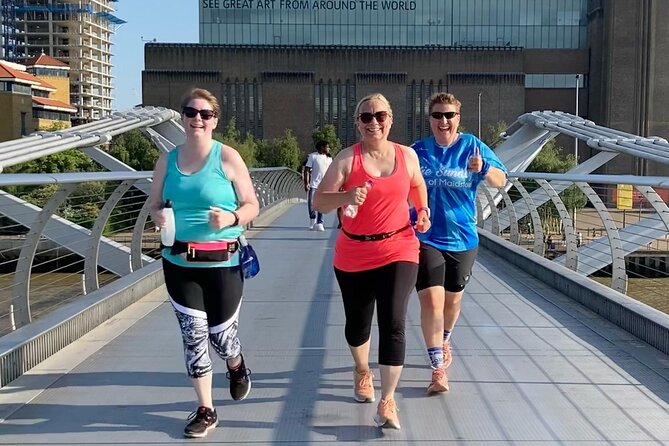
Once the route heads toward Battersea, it feels like London shifts gears. You explore the new Battersea Power Station development on the way, then you pick up views of Battersea Park from across the Thames. This is a nice contrast to the older, heavier historical landmarks.
Battersea Power Station is a place where you can read the city as it changes. The audio helps connect what you’re seeing with the story of the river and its neighborhoods. Even if you do not plan to go inside buildings, the outside views are worth it because the architecture creates a strong visual anchor.
Battersea Park is another “bridge-view” moment. Running along the North bank route, the park is visible from across the river. That means you get a little breathing space visually, and it can be a mental reset when the earlier parts of the route felt too dense with monuments.
The route also passes major galleries: you run past Tate Modern and later Tate Britain. These stops are brief, but they add a different kind of London texture. You get art institutions without needing ticket lines or timed-entry headaches. It keeps the run feeling like a real city jog, not just a bridge slideshow.
A practical tip for these stretches: because these are popular cultural areas, the sidewalks can have clusters of people. Use the audio cues to your advantage. Let the narration tell you when you’re moving into a more scenic or photo-friendly stretch, then adjust your effort accordingly.
How Long It Takes, Where Time Really Goes, and Pacing Tips
The duration is listed as about 2 to 3 hours. Importantly, travel time is added to the total time estimate, so your overall window is not just running. Plan your day with some buffer, especially if you want photos or if you are walking part of the route.
Also, the route is designed for travelers with moderate physical fitness. That likely means you should be comfortable doing a steady effort for a couple of hours, whether that’s a light jog or a run-walk blend. If you are coming from a long break or recovering from an injury, consider doing this in smaller chunks. The good news is that you can break up the run across several days if needed.
Timing matters too. The route is available daily from 5:00 AM to 10:00 PM, and that range makes it easier to choose a time that fits your body. Early morning can mean fewer crowds and calmer riverfront movement. Later in the evening might bring more foot traffic but also nicer light for photos.
One more pacing reality: river routes often have sections that feel more exposed, meaning you may notice wind coming off the Thames. You might not feel it much on a light breeze day, but on warmer or hotter days it can affect how you perceive effort. The good strategy is to keep your first stretch controlled and let the bridges act like pace anchors. Each major crossing is a natural moment to adjust.



Price and Value: Why $23.31 Works for a Private GPS Run
The price is $23.31 per person. For London, that is fairly low when you consider what you get: a private format, GPS-triggered audio, and a route that strings together major sights across the Thames.
A big part of value is the free-admission design at multiple stops. London Bridge, Tower Bridge, Waterloo Bridge, and several other sights on the route are listed with free admission ticket notes. That matters because you avoid paying separate entry fees just to justify the experience.
You also avoid one of the biggest hidden costs in sightseeing, time. Many tours force you to hit attractions at set times. Here, you control pace and scheduling. You can do the run in one session or split it. That flexibility is especially useful if you are traveling with friends who move at different speeds, or if you want to do something active during a day that also includes museums.
There’s also a mental value. You’re getting to see the city’s best river moments, but you do it through movement. That makes the route feel like a lived-in walk, not a check-the-box itinerary.
Potential drawback on value: because it is self-guided, you are responsible for your own phone comfort and attention. If you hate using your phone for navigation or audio, this might feel less fun than a classic guided tour. If you enjoy independence, it’s a strong deal.
Who Should Do the Run the Thames Bridges Route?
This is a great fit if you want London at a steady pace, with history folded into the walk. If you like running or run-walks, you’ll probably love how the bridges set up natural landmarks along the way. If you’re traveling with a group and you do not want to be stuck in someone else’s schedule, the private setup helps.
It also suits people who like to learn while moving. The audio format is meant to be clear and well timed, with a split between route guidance and factual content. That style works well if you get distracted easily, because the narration helps you stay oriented without pulling you into constant map checking.
Who might struggle? If you want someone to manage timing, crowd navigation, and pacing, you’ll likely find this format too hands-off. Also, if you have limited mobility or you are not comfortable with a couple of hours of moderate activity, you might want a different kind of London tour.
For everyone else, it’s a fun way to see the Thames without the stress. You get a clean, repeatable route that makes the city feel connected, one bridge at a time.
Should You Book the Run the Thames Bridges GPS Tour?
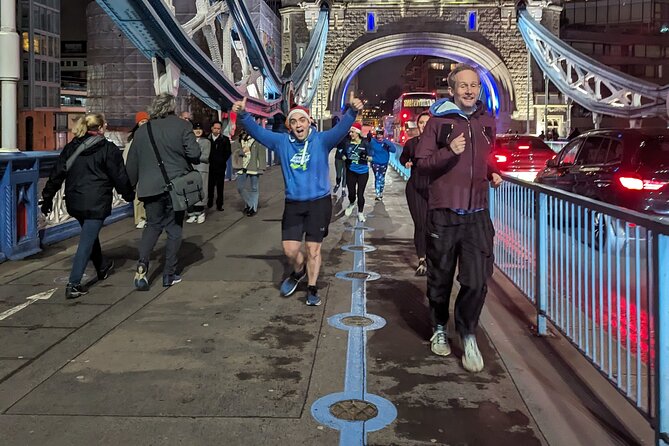
I would book it if you want a structured route with big payoff, but without rigid tour pressure. The blend of GPS-triggered audio, major Thames landmarks, and free-admission stops at key points makes it good value, especially for people who enjoy moving outdoors.
I would think twice if you dislike self-guided navigation or you need a leader to keep you on track and pacing. This tour gives you freedom, which is amazing when you want control, and annoying when you want hand-holding.
If you’re open to a moderate effort and you can manage a phone-based audio experience, you’re likely to feel satisfied at the finish. The route ends right by Putney Station, which makes it easy to keep your day going instead of planning another transport puzzle.
FAQ
How long does Run the Thames Bridges take?
The tour duration is about 2 to 3 hours. Travel time is included in the total time estimate.
Where do I start and where does it end?
You start at the Sundial at Tower Hill, London EC3N 2LY. You end immediately outside Putney Station on Putney High Street, London SW15 1RT.
Is there an admission ticket fee for the sights on the route?
The route lists free admission ticket notes for several stops, including London Bridge, Tower Bridge, Waterloo Bridge, Battersea Power Station, and other points on the route.
Is this tour self guided?
Yes. It is a private activity with GPS-triggered audio that follows you at your pace.
What language is the audio tour offered in?
The audio tour is offered in English.
What happens if I go off the route?
If you go off-route, your GPS will guide you back.
What fitness level do I need?
The experience recommends a moderate physical fitness level.
Is the experience refundable if I cancel?
No. It is non-refundable and cannot be changed for any reason.
More Tour Reviews in London
Not for you? Here's more nearby things to do in London we have reviewed









More Thames River Cruises worth a look.
 ★ 3.5London Big Bus Hop-On Hop-Off Tour with Optional River CruiseTickets from $3910,803 guest reviews
 ★ 4.5Westminster to Tower Bridge River Thames CruiseTickets from $186,127 guest reviews
 ★ 4.4London Eye, River Cruise, & Hop-on Hop-off Bus TourTickets from $745,332 guest reviews
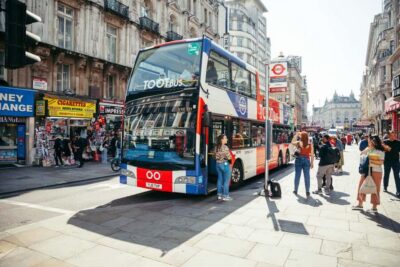 ★ 3.9Tootbus Hop-on Hop-off with optional River CruiseTickets from $414,327 guest reviews
 ★ 5.0High-Speed Thames River Speedboat in LondonTickets from $903,971 guest reviews
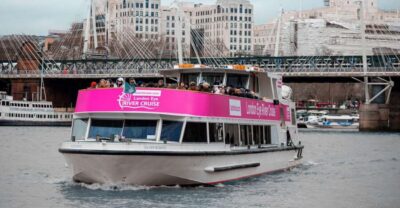 ★ 4.5Thames River Cruise with Optional London Eye TicketTickets from $203,900 guest reviews
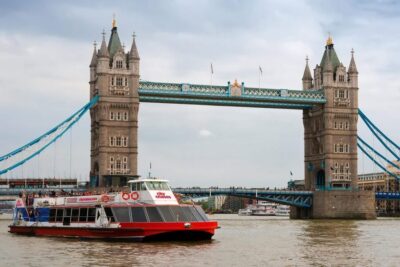 ★ 4.1Big Bus Hop-on, Hop-off with Optional River CruiseTickets from $353,875 guest reviews
Continue by place or experience