
REVIEW · WESTMINSTER TOURS
Royal London Westminster Tour
London turns history into a street-level show. This Royal London Westminster Tour strings together royal sites and government landmarks in one compact 2.5-hour walk, with Changing of the Guard viewing built in. I especially like how the guide works the crowds and sets you up for solid photo angles, and you get a human, conversational style that can make places you have seen in photos suddenly make sense.
Two things I really like: first, the small group size (max 20) keeps it personal enough for questions and smoother pacing. Second, this tour hits big-name stops plus the quieter power buildings in Whitehall, so you get more than a postcard loop. People also highlight guides like Sinead, who brings the story to life in a practical, talk-with-a-local way.
One possible drawback to plan around: the Changing of the Guard schedule is not guaranteed. It runs on Mondays, Wednesdays, Fridays, and Sundays, and it can still change due to weather, London events, or official Royal Family activity.
Key moments you will actually care about
- A 2.5-hour walk that covers royal palaces, major squares, and government offices without feeling like a full day
- Guided photo positioning at Buckingham Palace and Big Ben, with the guide coaching exactly where to stand
- Small group experience capped at 20 travelers, which helps you move and see more
- Royal Horse Guards at Whitehall, plus a front-row angle if the Horse Guards changing is happening
- Westminster Abbey and Westminster Hall context, so you understand what you are looking at, not just that it is famous
- Mobile ticket for a simpler day, plus a walking route that still fits moderate fitness levels
The 10:00 am start, Diana’s Fountain meetup, and how the pacing feels
This tour is timed for a classic London morning. It starts at 10:00 am and meets at the Constance Fund fountain of Diana, London SW1A 1RD. That matters because you will be walking through some of the city’s busiest royal and government zones. A set start time helps you avoid the worst crush that builds later in the day.
The tour runs about 2 hours 30 minutes (approx.), and the physical demand is listed as moderate. In plain terms, expect a solid walk on city sidewalks, with short stops built in. You do not need to be an athlete, but you should be comfortable doing a couple hours of walking total.
Group size is up to 20 travelers, which usually means less waiting around and fewer people trying to see the same view at once. Also, you get a mobile ticket, so you are not hunting for paper tickets or trying to decode a barcode screen at the last second.
One more practical point: the experience requires good weather. If conditions are poor, the tour can be canceled and you will be offered a different date or a full refund. In London, that is not just fine print, it is a real factor for outdoor viewing at changing-guard ceremonies.
You can also read our reviews of more tours and experiences in London.
Buckingham Palace setup: getting the right angles fast
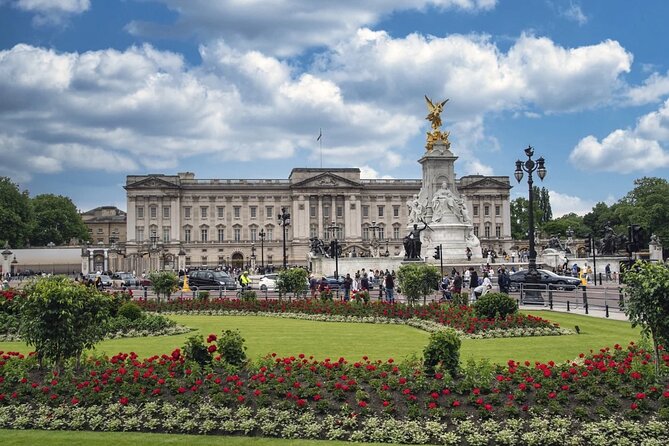
The tour begins at Buckingham Palace, and the key word here is positioning. You are guided to a spot designed for photographs of the most famous royal palace in the world, a residence of the British Monarchy for nearly 200 years.
In real life, Buckingham Palace can feel like you are always standing behind a wall of bodies. The value of a tour at this stop is not that you are seeing Buckingham Palace (you will), it is that you are getting a planned vantage point instead of wandering and guessing.
Also note the timing. Stop time is short (about 10 minutes), so this is not a slow photo session. Think of it as quick setup, quick context, then moving on so the rest of the walk stays on schedule.
Admission is not included for this and the other stops. That is normal for walking tours, but it affects your planning if you were hoping to go inside. Here, the promise is more about sights, storytelling, and viewing the ceremonies when they are happening.
Changing of the Guard: the best-case view and what to do if it shifts
This tour’s headline moment is the Changing of the Guard. When it runs, your guide takes you to a tried-and-tested viewpoint for a front-row feel.
Here is what you need to know so you are not disappointed on the day:
- The schedule is Mondays, Wednesdays, Fridays, and Sundays.
- The ceremony can be disrupted by adverse weather, London events, or official Royal Family activity.
- Your chance to see it depends on that day’s reality, not just your booking.
This is the one part of the tour where flexibility matters. If you visit on an off-schedule day, the tour does not stop being worthwhile, but it will shift away from that specific ceremony moment. That said, the tour is built around multiple royal stops, so you are not left with nothing.
Practical tip: dress for London weather and bring a light layer. The difference between a comfortable 10 minutes outdoors and a miserable one can be a big deal when you are waiting for a ceremonial timetable.
Clarence House and St James’s Palace: royal residences that feel quieter
Next up are two royal buildings that many first-time visitors overlook because they are not as instantly recognizable as Buckingham Palace.
At Clarence House, you peek through the gates to see where the current monarch’s household lives, described here as the former residence of the Queen Mother, and now a residence of King Charles III and Queen Camilla. The appeal is that Clarence House feels less like a tourist stage and more like an everyday royal address, even from a distance.
Then you move to St James’s Palace, built by Henry VIII. It is less famous than some other palaces, but it is presented as a key center for the Royal Court of the United Kingdom. The value of this stop is context. You start to see that the monarchy is not just about one palace or one parade, it is a network of institutions across the city.
Each stop is brief (about 10 minutes), so you will not linger like you might at an indoor museum. But that short duration fits the tour’s overall goal: give you orientation and meaning quickly, then keep the walking momentum going.
St James’s Park birds and Trafalgar Square’s loud London
One of the nicest pacing breaks comes at St James’s Park. You stroll through leafy paths and get a chance to see birds, including swans and pelicans that belong to the King. Even in a city known for its grandeur, the park offers a different feel: calmer, greener, and a bit more “London life” than “royal spectacle.”
From there, you hit Trafalgar Square. This is described as London’s common room, and that description rings true when you are standing in the open space. You are surrounded by the iconic four lions at the base of Nelson’s columns, and you get a sense of how Londoners use this place for celebration, protest, and general gathering.
Trafalgar Square also works as a tonal reset. After palaces and ceremonial routes, it is a more civic scene, and it helps you connect royal history to the city’s everyday energy.



Whitehall at close range: Royal Horse Guards and the Churchill War Rooms
If you like the idea of the monarchy as politics and pageantry, Whitehall is where that clicks.
You visit Royal Horse Guards at Horse Guards Parade. This open space is home to the King’s Life Guard and their horses, and it is also noted as a backdrop for Trooping the Colour, the monarch’s annual birthday celebration. The main practical benefit of being guided here is that you get a better viewing plan than you would wandering through the area.
There is also a helpful conditional note: if the Changing of the Horse Guards is taking place, you get a front-row view. Again, not guaranteed like a museum ticket, but the tour is designed so that when the ceremony aligns with your day, you benefit from it immediately.
Then you walk toward the Churchill War Rooms. One key clarification here: you cannot see the War Rooms itself on this walk. Instead, you are told you are walking on top of the most important wartime structures in the county as you pass through Whitehall. The rooms are purpose-built spaces underneath, where Winston Churchill led British forces during World War Two, and the museum is open to the public.
For your planning, think of this as a “meaning stop.” You learn what is underfoot and why the location matters, which can make a later visit to the museum feel more grounded.
Westminster Abbey and the Palace of Westminster: where ceremonies become real
This part of the tour is built for people who want their London to feel legendary but also understandable.
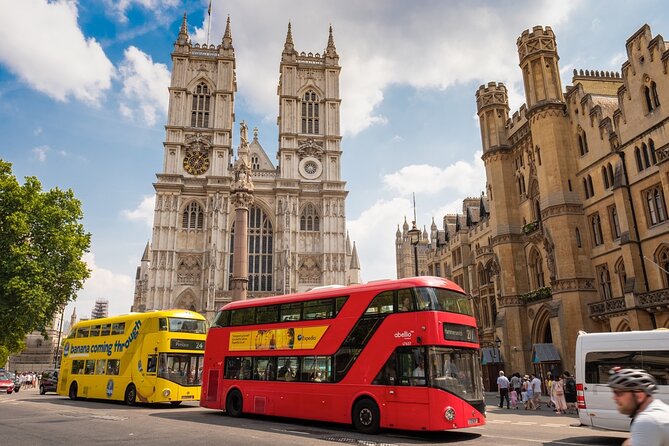
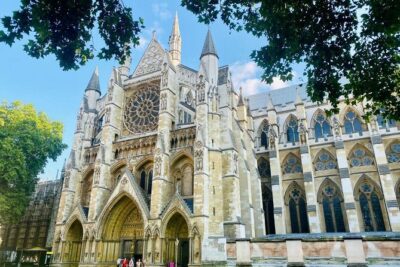
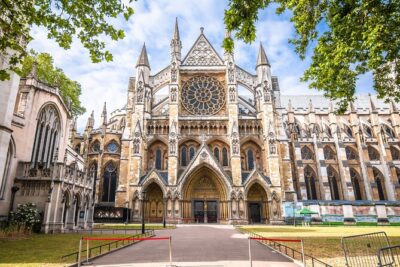
At Westminster Abbey, you stand in the shadow of one of the most famous churches in the world. The tour frames it clearly: it was originally built over 1,000 years ago, it is the resting place of kings and queens, and it is tied to royal ceremonies like royal weddings, coronations, and state funerals. It also specifically calls out where King Charles III was crowned, connecting the building to a recent, real-life moment.
Your stop time is about 10 minutes, so you will not take in every detail. But you will likely leave with a clearer mental map of what the abbey represents and why it keeps showing up in headlines.
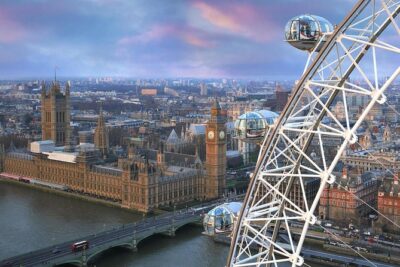
Next comes the Palace of Westminster, described as a two-for-one with the Houses of Parliament. You are standing in the center of the UK’s legislature, the House of Commons and the House of Lords. The building is largely Victorian, but the highlight for context is Westminster Hall. You are told that Westminster Hall has existed since 1097 and has seen major moments like trials, coronation banquets, laying-in-state, and executions.
You can treat this as a crash course in British governance through architecture. When you know what has happened in a space like Westminster Hall, it stops feeling like random stone and starts feeling like a stage for how the country built its rules.
Big Ben viewing: the best photo spot comes with a lesson
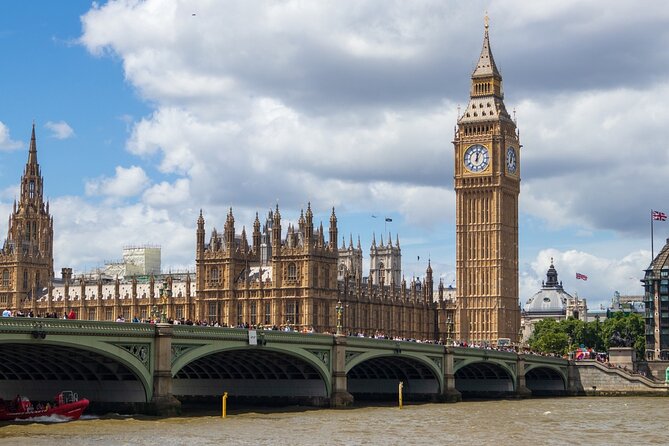
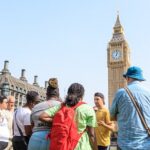
Finally, you reach Big Ben. The guide sets you up in prime position for photos, then you get an explanation for why you are not technically taking photos of Big Ben.
That phrasing is a clue that the guide will clarify details that most people miss when they treat Big Ben like a single object. You do not need to know the answer ahead of time. The value is that you are likely to notice the nuance by the time the guide finishes the quick explanation.
This is one last short stop (around 10 minutes) designed to give you that iconic view before the walking loop ends.
Price and value: does $49 buy you enough?
At $49.00 per person, this tour lands in the “good value if you plan well” category. You are paying for a local guide, a dense route, and curated viewing spots at high-demand landmarks.
A big factor is what is not included. The tour notes that admission tickets are not included for the stops. That is expected for a walking route, but it changes how you measure value:
- If you only want outside views and ceremonies, you are getting exactly what you paid for.
- If you are hoping to go inside palaces or museums, you will still need separate tickets and time.
Where the price feels especially fair is the mix of stops. You are not just doing one royal icon. You get Buckingham Palace, royal residences, parks, Trafalgar Square, Whitehall’s Horse Guards area, Churchill War Rooms context, Westminster Abbey, the Palace of Westminster, and Big Ben viewing. Doing all of that well on your own takes time, and it is easy to arrive at the wrong spot at the wrong time for the best ceremony sightlines.
One more value detail: on average, this tour is booked about 35 days in advance. That is a useful signal. If you are traveling in peak season or on a day when the Changing of the Guard is scheduled, booking earlier helps you lock in your spot.
Who should book this Westminster walk, and who might skip it
This tour is a great fit if:
- You want a first-time London overview that still feels tied to real institutions, not just a sightseeing list.
- You care about the British monarchy and how it connects to government.
- You like short, efficient stops with a guide doing the heavy lifting on timing and viewpoints.
It is also a good family option in the sense that the route is structured and stays concentrated in central London. The key is your group’s comfort with a moderate walking pace and short outdoor waiting periods.
Consider skipping or adding your own plan if:
- You are visiting on a day when the Changing of the Guard is not scheduled and you specifically want that exact ceremony.
- You need lots of long indoor time, since this is built for a walking sequence with brief viewing moments.
- Weather is a big unknown for your dates, since the tour requires good conditions for the outdoor viewing experience.
Should you book the Royal London Westminster Tour?
Yes, if you want a smart, guided way to see the heart of royal London in a limited amount of time. The strongest reason to book is the guided photo and ceremony positioning at places like Buckingham Palace and Big Ben, plus the context that ties Westminster Abbey and the Palace of Westminster to what actually happened there.
If your main goal is a guaranteed ceremony, keep expectations flexible because the Changing of the Guard and other changing displays can shift. Still, even on a less ceremonial day, you are getting a focused walk through the main characters of British public life, from Whitehall to Westminster.
If you like your London organized, short, and story-driven, this one is a good bet.
More Tours in London



More Tour Reviews in London
Not for you? Here's more nearby things to do in London we have reviewed







More Westminster Tours worth a look.
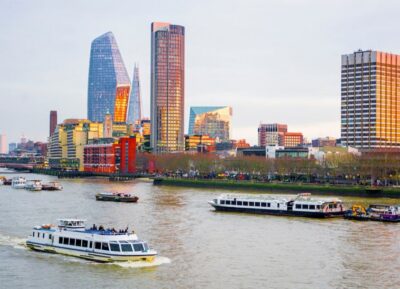 ★ 4.5Westminster to Tower Bridge River Thames CruiseTickets from $186,127 guest reviews
 ★ 4.5Westminster to Greenwich Sightseeing Thames Cruise in LondonTickets from $222,969 guest reviews
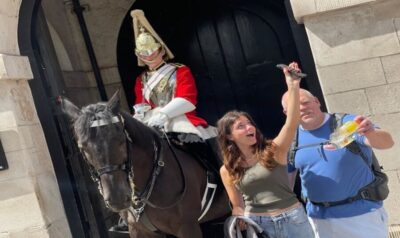 ★ 4.5Westminster and Changing of the Guard TourTickets from $242,171 guest reviews
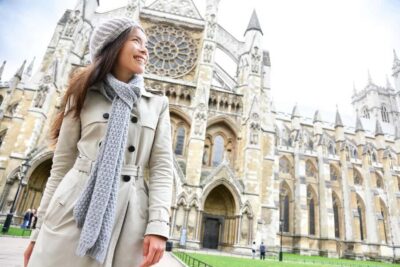 ★ 4.8Westminster Abbey, Big Ben & Buckingham Guided TourTickets from $1012,170 guest reviews
 ★ 5.0Westminster Guided Walking Tour with Abbey EntryTickets from $1221,282 guest reviews
 ★ 4.5Walking Tour of London Westminster Abbey, Big Ben, BuckinghamTickets from $951,213 guest reviews
 ★ 5.0Westminster 3 Hour Walking Tour and Visit of Churchill War RoomsTickets from $135967 guest reviews
Continue by place or experience