
REVIEW · LONDON CITY TOURS
Roman Ruins to Blitz Bombings: London’s Fiery History
London’s past is never far away.
This tour strings together Roman remains, medieval power, and the scars of major city disasters into one easy, feet-on-stone walk through the City of London. I like that you get the practical map of where to look for history in today’s streets, plus the story connections people actually remember, like how Queen Boudica gets woven into pop culture chatter. One thing to consider: it is a nonstop walking tour, about 2.5 miles total, so comfortable shoes really matter.
What I like most is the feel of a small group and a guide who can handle questions without turning the whole thing into a lecture. The best-rated experiences highlight Tom’s clear delivery and balance of trivia with harder history, with good humor along the way. The only drawback I’d flag up front is that some stops go into dark, violent chapters, so if you prefer lighter sightseeing, you might need a mental break.
Key highlights you should care about
- Small group limit of 15 keeps the tour interactive and easy to follow
- Roman Wall of Londinium plus other surviving bits you can spot today
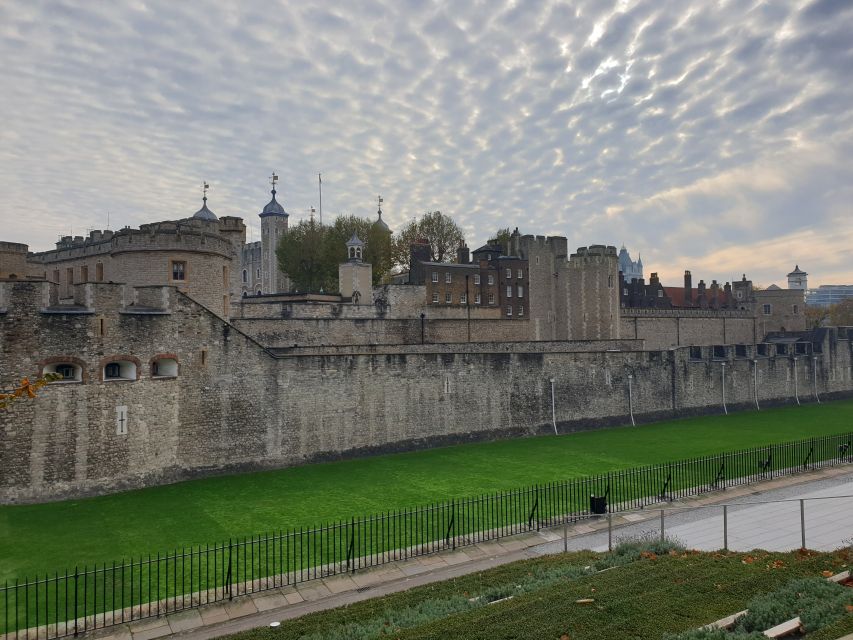
- Tower of London stories about power, blood, and consequence
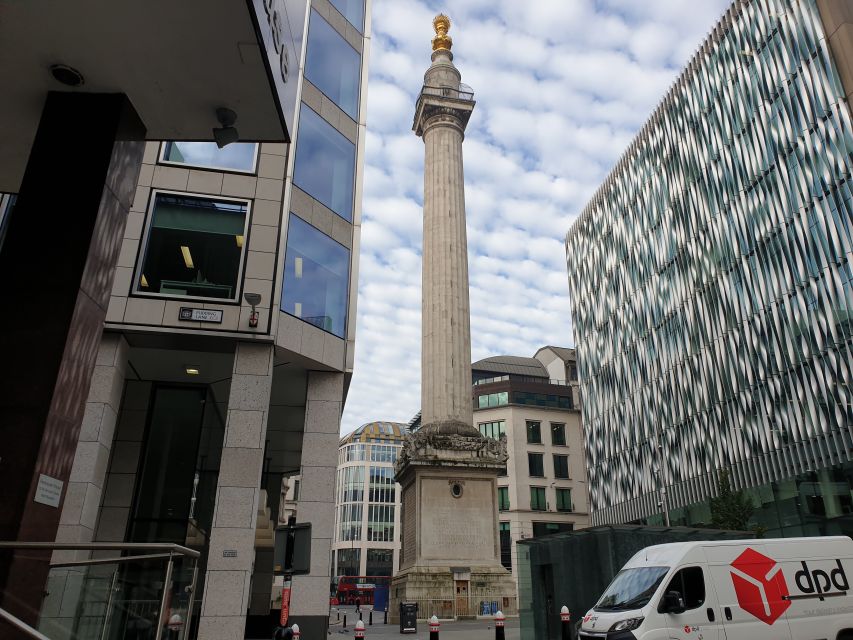
- Great Fire of London Monument and the street-level clues nearby
- Bank of England vault lore, told as a story you can actually picture
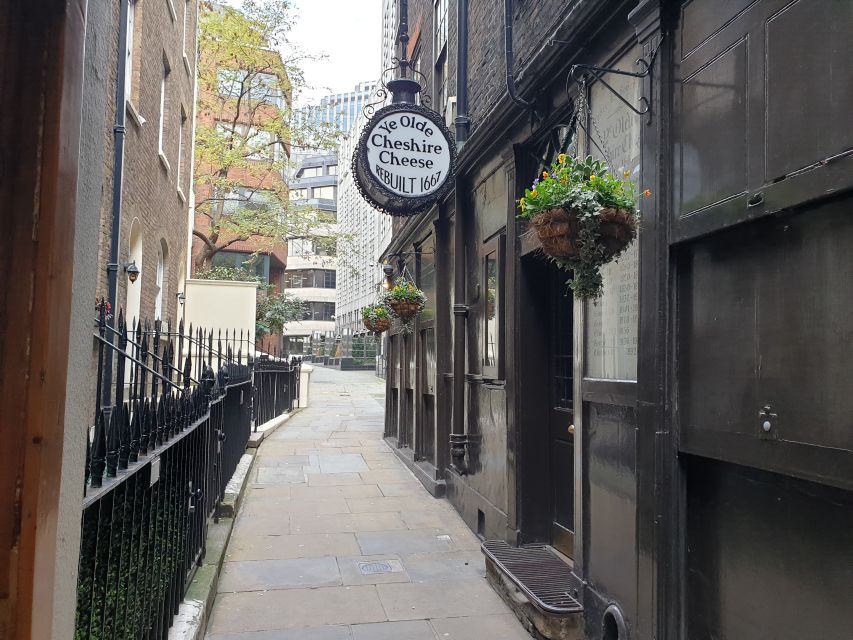
- Finish at Ye Olde Cheshire Cheese, a classic, convenient end point
Roman Ruins to the Tower of London, why this walk is worth your time
This is the kind of London tour that makes the city feel readable. You start in the shadow zone of major landmarks and then, step by step, you learn how the City of London kept rebuilding after destruction. That survival theme matters. London did not just “have history,” it repeatedly got hit, burned, and reshaped, and you can still trace those layers if you know where to look.
I also like that the pacing fits a real half of a day. Two hours, about 2.5 miles. That is short enough to stay energetic, long enough to connect the dots from Roman beginnings to later power centers. And because the tickets are limited to a small group, you are not squeezed in with people who cannot hear or ask questions.
You can also read our reviews of more historical tours in London


Where you start at Tower Hill Station, and how the meeting point works
I’d plan to arrive a few minutes early at the exit of Tower Hill Station. Your guide is at the base of the steps leading up to the sundial, holding an Historic London Tours sign. That detail sounds minor, but it prevents the usual “where is everyone” stress, especially around busy stations.
The tour also ends near Blackfriars Station, at Ye Olde Cheshire Cheese. Having a finish that is close to transit is a smart way to keep your day flexible afterward. You can duck into a pub, grab a drink, or hop on to your next stop without feeling stuck.
The City’s Roman starting line: Roman Wall of Londinium
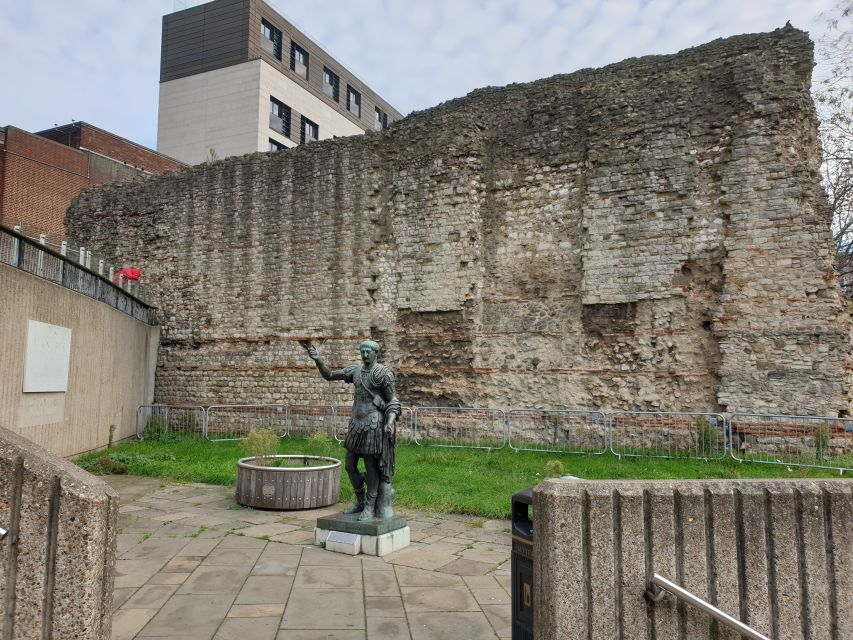
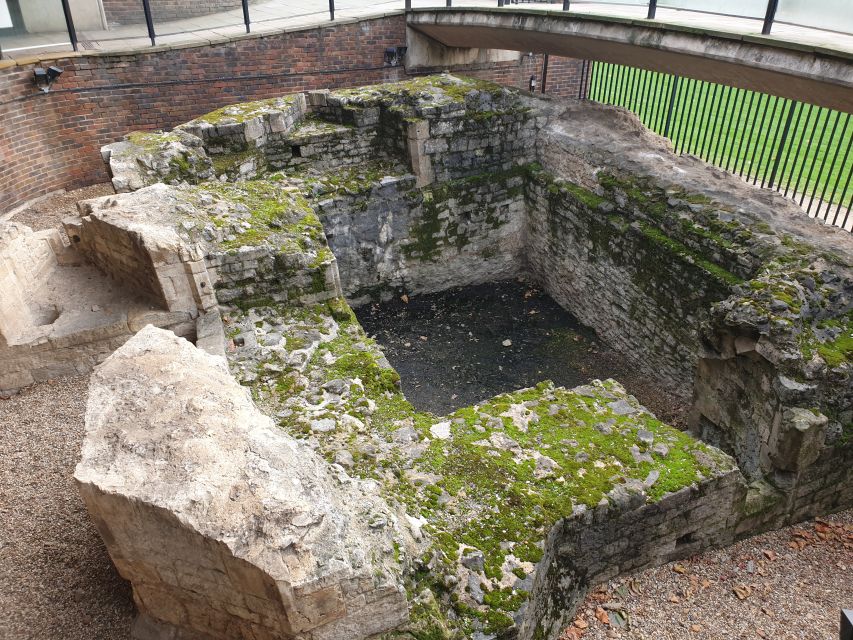
The tour kicks off with a stop focused on the Roman era, specifically the Roman Wall of Londinium. This is the most satisfying kind of site for me, because you are not just hearing about Romans, you are looking at what survived into the present street pattern.
Why it’s valuable: London can feel like a blur of medieval churches and modern towers. A Roman anchor gives you a timeline you can hold in your head. You start to recognize that the City’s layout, and the importance of the area, goes back further than most people expect.
What to watch for on your feet: if you are the type who rushes from photo to photo, slow down here. Roman remnants are often easy to miss because they do not look like postcard ruins. Let the guide point out the exact features so you know what you are looking at instead of guessing.
Tower Hill to the Tower of London: power, blood, and cautionary stories
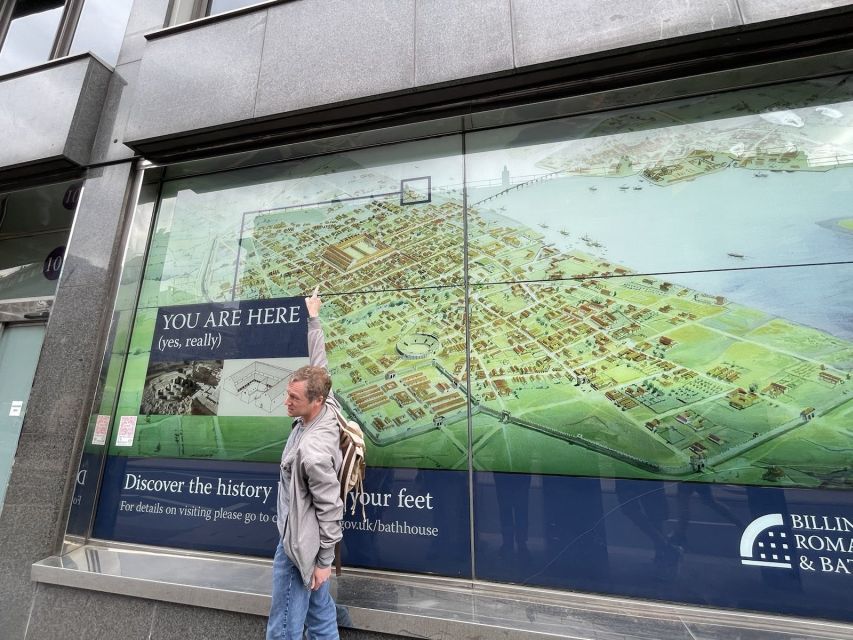
Next comes the Tower of London, and the tone shifts. The tour does not shy away from the sinister and bloody side of the Tower’s past, and that is part of the point. The Tower was not a museum building. It was a political machine, a prison, and a symbol. You walk away understanding how fear and authority were built into the city.
This stop also ties into the larger theme of persistence. London repeatedly survived fire and war, but the human side of history was survival too, and the Tower is where that shows.
A small consideration: because the subject matter can be dark, you might want a quick pause mindset. If you come in expecting breezy stories only, you might feel the emotional weight. If you enjoy real history, this is one of the most memorable parts of the walk.
Saint Dunstan in the East Church Garden: quieter corners, real continuity
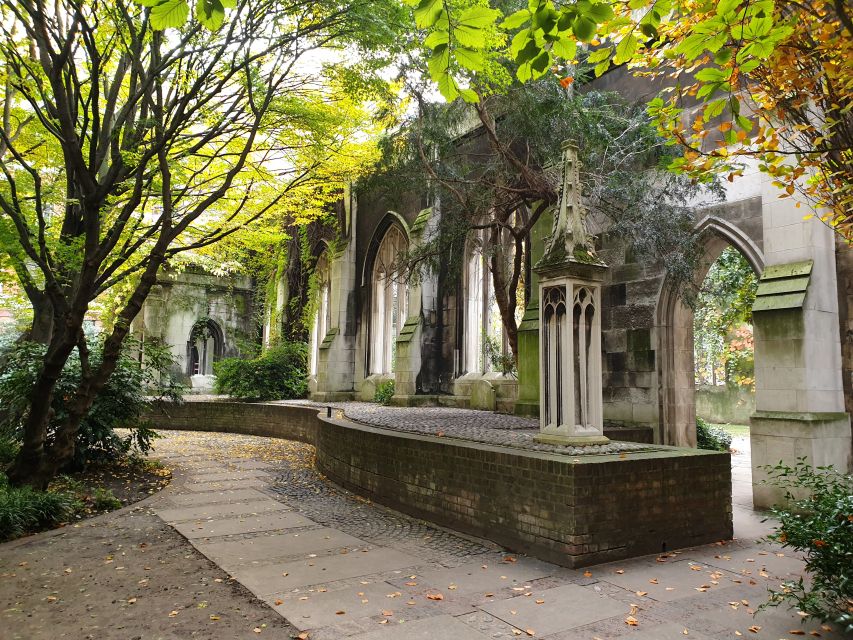
Then you shift from headline landmarks to a more grounded, lived-in feeling at Saint Dunstan in the East Church Garden. Gardens like this are often where London reveals its smaller scale. You get a sense of how the city holds onto older spaces even as it keeps adding new layers around them.
This stop is useful because it slows the pace. After the Tower’s intensity, the garden setting helps you reset your attention. The tour uses these in-between moments to keep your understanding from becoming just a list of famous names.




The Great Fire Monument: learning how disasters shape a city
After that, you hit the Monument to the Great Fire of London. This is where the tour connects “history” to “cause and effect.” Fire did not just destroy buildings, it changed building practices, street patterns, and how people thought about urban risk.
What I like here is the mix of scale and street reality. A monument gives you the big story, then the tour keeps you thinking about what that means for the streets you are walking on now. It makes London feel like a city of consequences, not just a city of dates.
London Stone: the street-level clue you can actually spot
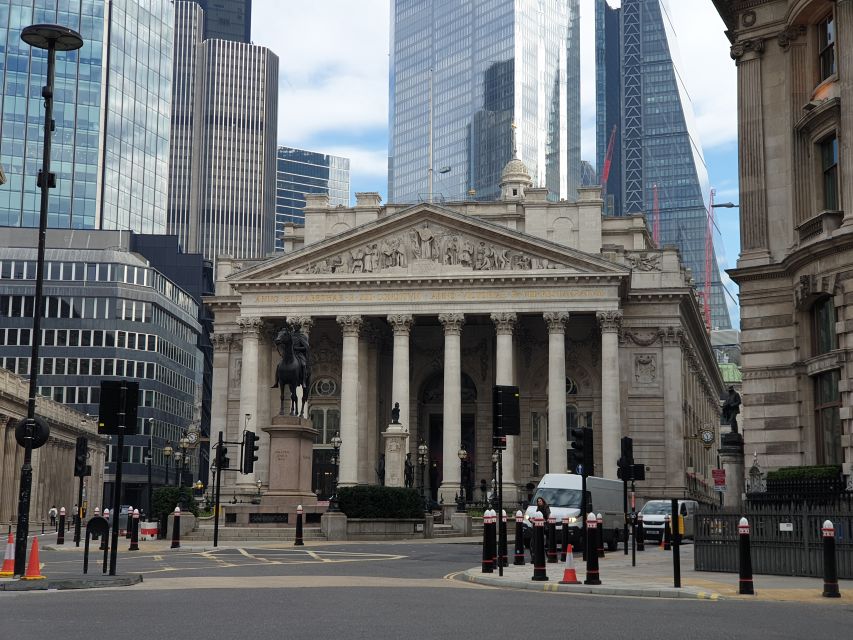
Right after the Great Fire reminder, the tour points you toward London Stone, including the remaining part. London Stone is one of those spots that can feel almost too small to be important, but it is exactly the kind of anchor object that keeps you from turning London into abstract sightseeing.
Why it matters: it gives you a sense of continuity in civic life. When a tour helps you notice these small survivals, you start looking at the city differently after you leave. You stop treating the streets as backdrop.
The Bank of England stop: vault lore and how to picture power
Then it’s off to the Bank of England. The highlight here is the story-based clue about the easiest way to tunnel into the Bank of England’s vaults. Obviously, you should take that as a fun, narrative way of pointing you toward the idea of hidden systems, security, and wealth.
For me, the best value of this stop is how it blends the practical and the theatrical. You see how financial power sits right inside the same streets that once held kings, prisons, and crowds. It gives you a real map of what kind of authority has mattered in London over time.
Guildhall and the City’s civic heartbeat
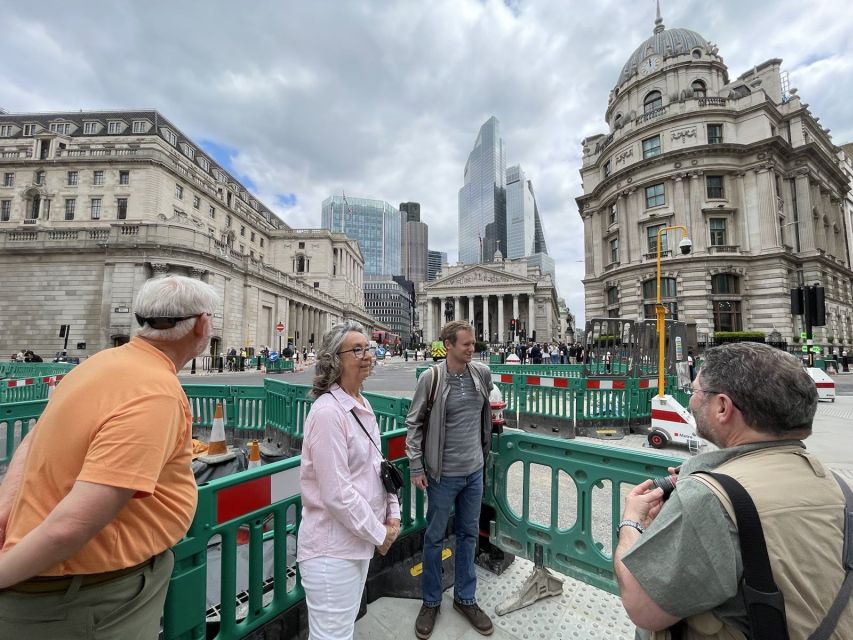
Next, you reach Guildhall, London, another stop that helps you understand why the City of London historically operated like its own world. A city’s civic buildings matter, but only if you know what they were for. This tour uses the Guildhall moment to connect local governance to the wider story of who held power and how decisions were made.
This is also where the guide’s style shows. A top-rated strength is the ability to keep things flowing without turning it into a straight timeline. You get the feeling of how events and institutions connected, not just what happened.
St Paul’s Cathedral: Christopher Wren, and why the silhouette matters
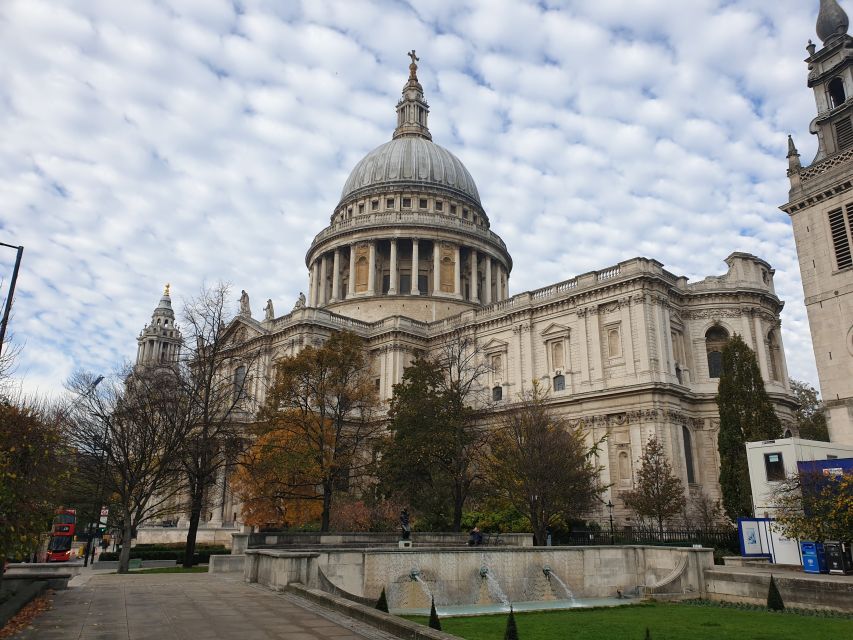
After Guildhall, the tour heads to St Paul’s Cathedral. This stop brings Christopher Wren into the story in a way that makes sense. Even if you are not a church architecture fanatic, St Paul’s reads like a London symbol for rebuilding and authority.
Here is the practical angle: you learn to notice how the cathedral sits in relation to what came before. It makes the city feel less random. You begin to see a skyline with chapters.
If you are short on time in London, this stop is also efficient. You get a major landmark without needing an all-day museum commitment. (And remember, museum entrances are not included, so you are not paying for something you are not getting.)
Ye Olde Cheshire Cheese: a fitting, convenient end
The walk finishes at Ye Olde Cheshire Cheese. I like ending a history tour somewhere you can immediately decompress, because it turns the stories from something you heard into something you can chew on.
Also, it’s a good logistics choice. The tour ends near Blackfriars Station, which helps you avoid the classic end-of-tour scramble. You can keep the day going, grab food, or simply sit with a drink and replay the connections you just made.
Price and pace: is $26 good value for a 2-hour walk?
At $26 per person for a 2-hour guided walking tour, the value depends on one thing: your interest in learning how to read the city. If you want highlights only, you might feel it is not enough time. If you want context and a guided lens, it is a strong deal.
Why the price feels fair here:
- You get a live local guide, not a self-paced audio version
- The group is limited to 15 attendees, which supports real interaction
- The walk hits multiple major story anchors without charging museum entry fees
- You cover about 2.5 miles, a manageable distance for most visitors
The main consideration is stamina. Two and a half miles in two hours means steady walking, not lingering. If you tend to stop often for photos, plan to use the guide’s timing and keep your photos selective.
The guide matters, and Tom’s approach is a big reason people love it
One of the most repeated strengths in the experience is the guide’s delivery. In particular, the name Tom comes up with high praise for how he explains things clearly and without overload. He balances trivia and hard history in a way that keeps you following, even when the topics get heavy.
I also like the practical friendliness. The best tours do not just talk at you. They answer questions, even the strange ones. And they keep diction crisp so you do not spend the tour half-reading lips.
If you care about getting a human guide who can handle a group, this is the kind of tour where that shows up fast.
Who should book this walking history tour?
This works well if you:
- Like your sightseeing with context, not just landmarks
- Want Roman, medieval, and disaster-era stories in one outing
- Prefer a small-group feel with room for questions
- Are okay with a bit of grim history at the Tower of London
It may not be your best match if you:
- Want a mostly light, upbeat tour with minimal darker topics
- Get tired quickly on outdoor walking for about 2.5 miles
- Expect museum entry tickets bundled in
Should you book Roman Ruins to London’s fiery past?
If your goal is to understand the City of London as a living timeline, I think this is an easy yes. You get a smart route, a small group size, and a guide style that keeps the history clear and human. The stops cover Roman survival, medieval power, and the way major fires and wars reshape a city, all without demanding museum time.
My advice: wear comfortable shoes, bring your curiosity, and go in ready to look at small details you would normally walk past. If you do that, you will leave with London feeling less like a list and more like a story you can trace.
FAQ
How long is the tour?
The tour lasts about 2 hours.
How much does it cost?
The price is listed as $26 per person.
What is the total walking distance?
The total walking distance is about 2.5 miles.
How many people are on the tour?
Ticket sales are limited to fifteen attendees.
Where do I meet the guide?
Meet at the exit of Tower Hill Station. Look for your guide at the base of the steps leading up to the sundial, holding an Historic London Tours sign.
Where does the tour end?
The tour ends near Blackfriars Station at Ye Olde Cheshire Cheese.
What is included in the ticket price?
The tour includes a guided walking tour and a local guide.
Are museum entrances included?
No. Entrance to museums is not included.
What language is the tour guide?
The live tour guide speaks English.
What should I bring?
Bring comfortable shoes, since it is a walking tour.
More Historical Tours in London


More Tour Reviews in London
Not for you? Here's more nearby things to do in London we have reviewed










More London City Tours worth a look.
 ★ 4.6The London Eye Entry TicketTickets from $3935,875 guest reviews
 ★ 4.7From London: Harry Potter Warner Bros Studio TourTickets from $11726,588 guest reviews
Westminster to Greenwich River Thames CruiseTickets from $2222,836 guest reviews
Magical London: Harry Potter Guided Walking TourTickets from $2022,044 guest reviews
★ 4.7From London: Harry Potter Warner Bros Studio TourTickets from $11726,588 guest reviews
Westminster to Greenwich River Thames CruiseTickets from $2222,836 guest reviews
Magical London: Harry Potter Guided Walking TourTickets from $2022,044 guest reviews
 ★ 4.6Madame Tussauds LondonTickets from $3620,915 guest reviews
 ★ 4.5Stonehenge, Windsor Castle, and Bath from LondonTickets from $11118,662 guest reviews
 ★ 4.7Warner Bros. Studio Tour with TransfersTickets from $14417,586 guest reviews
 ★ 4.7Tower Bridge Entry TicketTickets from $2115,560 guest reviews
Continue by place or experience