REVIEW · LONDON
Rich people behaving badly
A lot of London is polite, until you look closer. This walking tour uses royal misbehavior as a way to understand real London places, not just famous landmarks. You’ll move through Mayfair-adjacent streets and quieter corners while the stories connect lust, greed, vanity, and power.
I really like the private guide attention. It makes it easy to ask questions, and the pace stays friendly even when the subject matter gets dark. I also like that the tour is built around on-foot details, so you notice architecture, street layouts, and the setting of each anecdote instead of staring out a window.
The only real drawback: the theme is intentionally moral and adult. If you prefer gentle sightseeing or strictly sanitized history, some moments about affairs, lying, and scandal may feel a bit intense.
Key highlights you should know first
- A private setup with undivided guide time, so you are not mixed into a huge group shuffle
- Royal Academy of Arts + St. James’s Park stops that tie place to story fast
- Royal gossip framed as human nature, not just costume drama
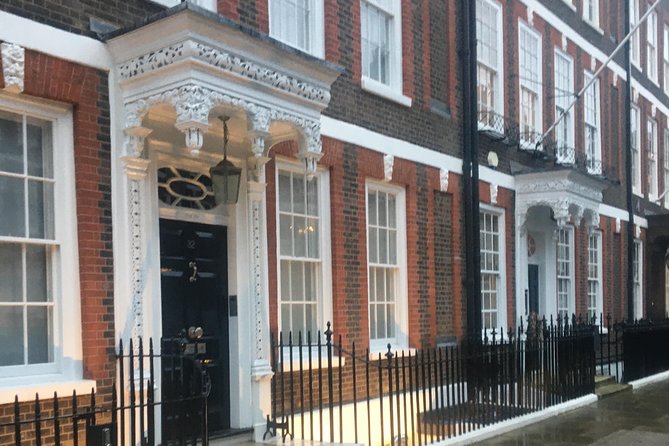
- Walk-focused format, which helps you catch street details you would miss on a bus
- Free admission listed for the main stops, so your money goes mostly to the guide experience
- English language tour, with mobile ticket convenience for last-minute logistics
Why a scandal walk beats the usual London route
London is famous for grand buildings. But grand buildings can feel distant, like museum props. This kind of tour works because it treats the city as a stage where real people did real damage, then left their fingerprints on streets, institutions, and nearby neighborhoods.
I like that the theme is clear from the start. You are not chasing ten random plaques. Instead, you get a focused story line about wealthy people misbehaving, and how that behavior shaped what you see today. When the guide connects a scandal to a physical location, it stops being gossip and becomes a way to read the city.
Also, the energy matters. The guide, Terry, comes through as witty and upbeat, not smug. That blend is important, because the material can turn uncomfortable if the tone gets preachy. Here, you get humor and pacing, with enough context to keep you oriented.
You can also read our reviews of more tours and experiences in London.

Price and timing, plus what makes it good value
At $41.34 per person for about 2 hours, this isn’t priced like a big, ticket-heavy attraction. You are paying for a walking experience that is private to your group, delivered in English, with a mobile ticket you can use for the day.
You’ll also see a pattern in the stops: admission is listed as free at the main points. That means your cost stays mostly about guide time and storytelling rather than paying again at every location. If you want a London activity that is active, social, and mostly foot-powered, this fits the bill.
One more value point: it’s scheduled at 2:00 pm and ends near a major central hub. That makes it easy to slot in after lunch and still have time for a pub meal, a museum, or an evening stroll without feeling rushed.
Meeting in central London, ending near Westminster
The start is at 5A Burlington Gardens, London W1S 3EP, in an area that’s easy to reach by public transportation. The meeting point is near Parliament Square and Westminster Tube Station, which helps if you want to combine this with other Westminster-area plans.
You’ll finish at the Queen Elizabeth II Centre, Broad Sanctuary (London SW1P 3EE). Ending here is practical. You are close to the big sights, transit links, and places to eat, so the tour doesn’t strand you on the far side of town with no plan.
If you like to travel with a light schedule, this kind of timing is a plus. It’s also a smart option when you don’t want to commit to an all-day excursion.
Walking on foot: the real payoff of this format
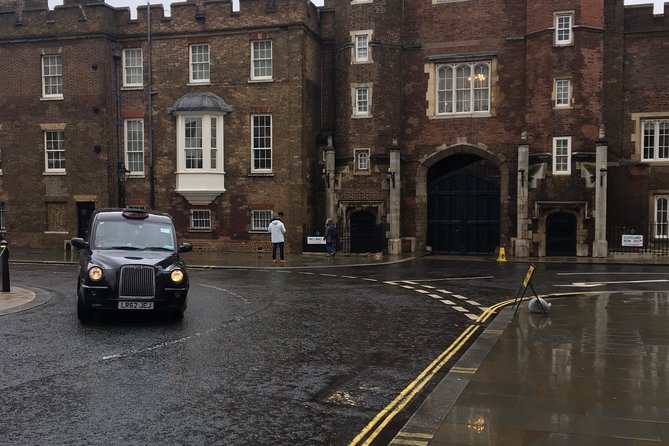
A bigger tour vehicle can cover distance, but it can also blur the details. This experience uses the opposite approach: it’s a walk that rewards attention.
When you move on foot, you can actually notice things like:
- street shapes and sight lines that make certain places feel connected
- how institutional buildings sit within surrounding streets, not just as isolated icons
- how narrow side streets can feel like backstage areas for the city’s famous public face
The guide leans into those observations. That’s where the “rich people behaving badly” concept turns useful. The stories aren’t floating above the streets. They land on corners, façades, and nearby parks, so you leave with a mental map that feels personal instead of generic.
Royal Academy of Arts: Lucifer, idle wealth, and why this tour starts here
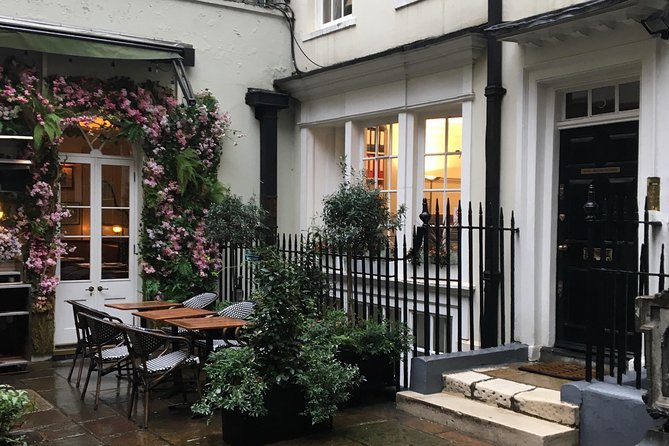
The first stop is the Royal Academy of Arts. The tour begins with a striking image tied to indulgence and self-indulgence, plus the idea that some wealthy people used their money to improve others, while other wealthy figures used it for ego and exploitation. The point is not to say all rich people are the same, but to set expectations: this walk will focus on the darker side.
You should expect a storytelling-heavy start, about lust, greed, and vanity from centuries past. The material is clearly selected to get you thinking about power, reputation, and how wealth can protect bad behavior for longer than it should.
Practical note: the stop is short, around 10 minutes, and admission is listed as free. That means you’re not spending your entire visit trapped inside a ticketed attraction. You’re absorbing the setup so the rest of the route makes sense.






Burlington Arcade: London’s first high-end shopping mall, and a moral question
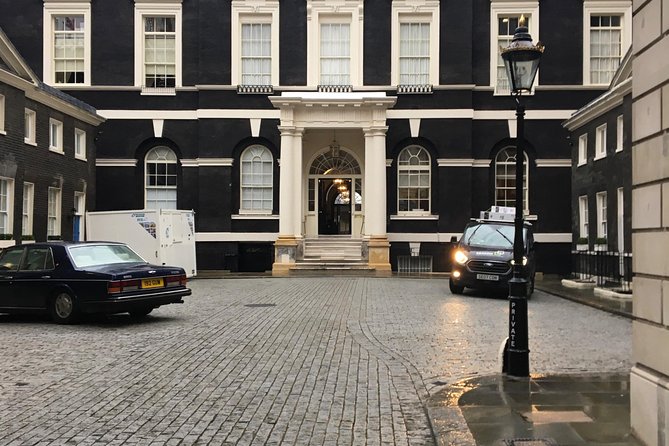
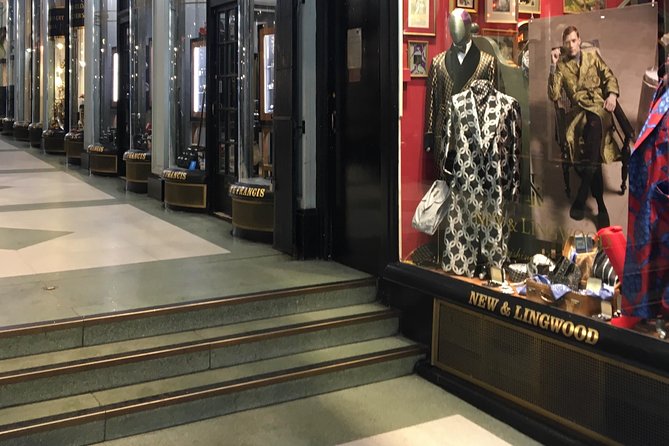
Next comes Burlington Arcade. The tour frames it as London’s first shopping mall and as a symbol of high-end taste. That matters, because the story uses luxury retail as a prompt: if money is no object, what does that do to morals?
This stop is less about browsing and more about thinking. You’ll connect architecture and exclusivity to the social behavior around it. In other words, it’s not shopping culture as an abstract concept. It’s shopping culture as a mirror for status anxiety and power.
The guide keeps it lively and interactive, and again, this is a short stop with free admission listed. So you get an important “theme reinforcement” moment early on without dragging out the schedule.
Scandals near an exclusive auction house: Nell Gwyn and the power of money
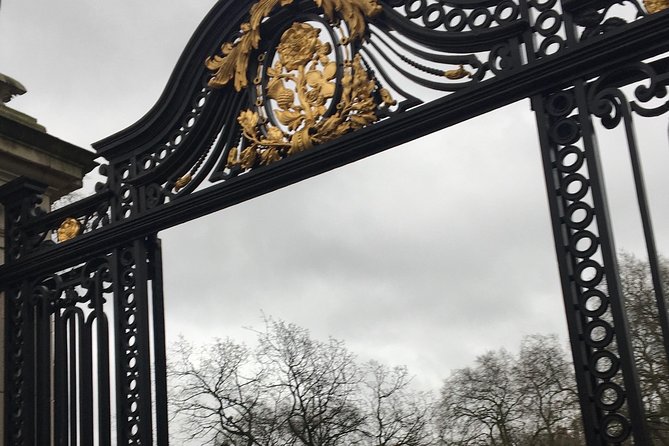
After Burlington Arcade, the walk moves into a neighborhood tied to one of the world’s most exclusive auction houses. This is where the tour’s contrast gets sharper: art, value, and money are supposed to be refined, but scandals have always lived in the same rooms.
The story centers on Nell Gwyn, one of the famous mistresses of King Charles II. You’ll hear the idea that Nell had a particular talent for money-grabbing around the king. It’s a provocative angle, especially if you’ve never heard this side of the period emphasized in a walking tour context.
You’ll also get a guided prompt that works well for most people: admire the ambition and survival instincts, or dislike the morals. Either way, you leave with a better sense of how wealthy connections worked. In this area, social standing and financial influence were not separate systems. They were braided together.
The stop length is kept tight (roughly 10 minutes), so it works best if you’re comfortable soaking up story quickly and then moving on.
Tudor love and political games: Henry VIII and Anne Boleyn
Another stop focuses on Love games between Henry VIII and his second wife, Anne Boleyn, with the note that centuries of scandal continued from there. Even if you already know the basic Tudor outline, the tour uses this as a lens for how personal relationships and political outcomes got fused.
This part of the walk is not about turning Tudor history into a soap opera. Instead, it keeps circling back to the core theme: when someone has power, they can treat other people as leverage. Then the city ends up carrying the evidence.
One thing I appreciate is the way the guide blends humor with seriousness. You can laugh at the brazenness of the stories, and you can also recognize the real human cost behind the headlines. That balance makes it easier to handle the material without tuning out.
St. James’s Park: Charles I’s execution and the moral mess of power
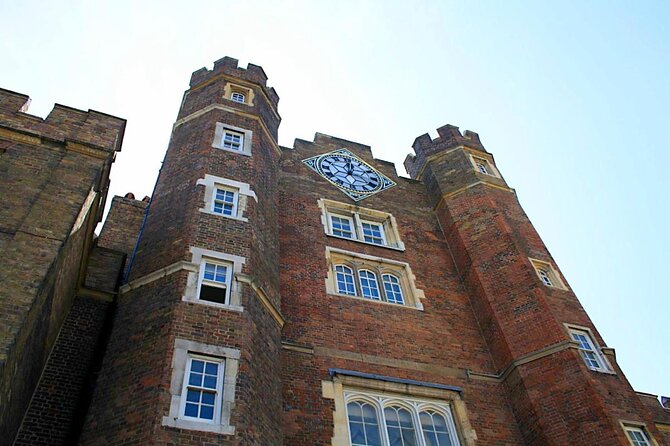
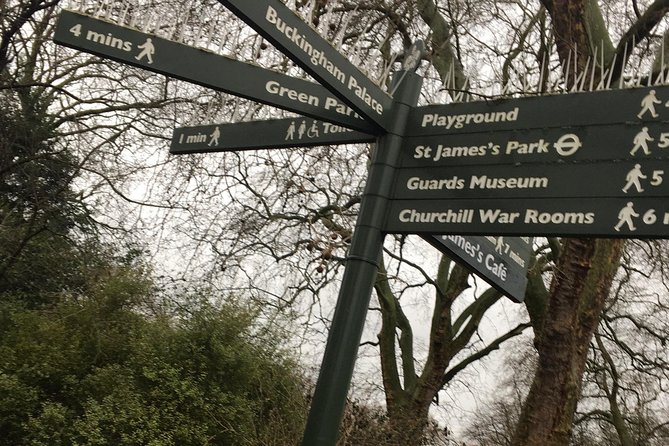
Now you hit the emotional center of the tour: St. James’s Park. The guide explains that Charles I walked here to his execution on a cold January morning in 1649.
This is the stop where the theme shifts from personal vice to public consequence. The tour frames Charles I in two ways that you might feel right away in your own discussion style. Some people remember him as a martyr saint. The tour challenges that view with the question of whether sainthood fits when someone knowingly lies. That kind of moral debate is the point. The city is not neutral, and neither are the stories we tell about who deserved what.
The stop is listed around 10 minutes and admission is free. So you’re not waiting in lines or paying to sit in a building. You’re standing in the park, absorbing history in an outdoor setting, which tends to make heavy moments feel more real and less theatrical.
If you’re sensitive to politically charged violence, this is the stop to take at your own pace. The material is direct, but it’s also grounded in place.
Old Queen Street and The Favourite: why gossip keeps returning
The tour ends with Old Queen Street and its connection to Anne from about three hundred years ago, plus a nod to how she was brought back to life in The Favourite. This is where the walking tour becomes a bridge between old London and modern storytelling.
You’ll get a question that’s fun but also worth sitting with: are we just discussing gossip history for a bit of fun, or is there something real to learn about human nature? The guide steers you to the second answer. Gossip is not just noise. It is a social tool people use to manage reputations, justify actions, and signal alliances.
This stop ties neatly back to the tour’s title. Wealth, beauty, sexuality, and influence keep reappearing in different costumes. The streets stay, even when the players change.
As before, the stop is short, around 10 minutes, with free admission listed. It’s a good closing note, because you finish feeling like you understood not only what happened, but why people still care.
What to expect from Terry’s guiding style
Terry’s name shows up again and again in the way people describe the tour: funny, friendly, engaging, and quick to connect details to the bigger point. In practice, that means you can expect:
- fast storytelling that stays understandable
- comparisons between earlier characters and more modern behavior
- a lot of place-based context, not just a lecture
- room for questions, since it’s a private group format
In short, the guide helps you follow the thread without making you memorize dates. If you enjoy history as a living argument about behavior and consequences, this approach will feel satisfying.
Who this tour is best for
This is a strong choice if you want London with a point of view. You’ll likely enjoy it if:
- you already know a few major sights and want something more side-street focused
- you like royal scandals, court intrigue, and the human side of politics
- you want a walk that feels like a conversation
- you prefer active sightseeing over museum-only afternoons
It can be less ideal if you dislike adult themes or heavy moral debate. The tour is built to talk about lust, greed, vanity, lies, and scandal. You don’t have to be scandal-obsessed, but you should be comfortable with the concept.
How long it takes and how to pace your afternoon
The experience is about 2 hours. Since the stops are around 10 minutes each (plus walking between), you won’t feel stuck standing still. You will likely do best if you dress for a real walk and keep water handy, especially in warmer months.
Also, starting at 2:00 pm helps. By then you’ve got a good chunk of daylight, and you can still plan dinner right after you finish at Broad Sanctuary.
If you’re building a day around Westminster, this slot works nicely. If you’re trying to cram in multiple London activities, keep it realistic. This tour moves with you, and you’ll want to stay present for the details.
Should you book Rich People Behaving Badly?
Yes, if you want a private, story-driven walking tour that teaches you how to read London through scandal and power. The value feels strong for the price because it’s guided time for about two hours, with free admission listed at the major stops and a format that actually gets you looking at the city.
Book it if you like humor mixed with historical context, and if you’re curious about places like the Royal Academy of Arts, Burlington Arcade, St. James’s Park, and Old Queen Street beyond their postcard version.
Skip it if you prefer strictly uplifting history or you don’t want adult moral themes. You’ll get a lot more entertainment from this tour if you’re okay thinking about what money and status do to people, and what they leave behind in the streets.
FAQ
What is the duration of Rich People Behaving Badly in London?
It lasts about 2 hours.
Where does the tour start and where does it end?
It starts at 5A Burlington Gardens, London W1S 3EP and ends at Queen Elizabeth II Centre, Broad Sanctuary, London SW1P 3EE.
What time does the tour begin?
The listed start time is 2:00 pm.
Is this tour in English?
Yes, it is offered in English.
Is there a mobile ticket?
Yes, the tour includes a mobile ticket.
Is this a private tour?
It is a private tour/activity, meaning only your group will participate.
Does the weather affect whether the tour runs?
Yes. The experience requires good weather. If it is canceled due to poor weather, you will be offered a different date or a full refund.