
REVIEW · WINDSOR CASTLE DAY TRIPS
Private Windsor Walking Tour with Local Guide
Windsor works best when you know where to look. This private 90-minute walk is a fast, friendly way to orient yourself in royal Windsor while learning why each street corner matters. I like how the guide turns landmarks into stories, and how you get big-sight views without needing a full-day schedule. One consideration: Windsor Castle is not part of the walk as an inside visit, and castle fees are not included, so you will need a separate plan if you want to go in.
This tour is built for small groups, up to 6, which makes it feel personal rather than scripted. You start at Windsor Guildhall, then flow through a compact route that mixes royal symbolism, local quirks (yes, there is a leaning-house moment), and scenic river breaks. By the end, you are standing near St George’s Chapel, so you finish with the kind of sight that frames the whole day.
Key things I’d plan for before you go
- Small private group, up to 6, so you can ask questions and set your own pace within the 1 hour 30 minute flow.
- Outside views only for Windsor Castle, with no inside tickets included, so time your castle visit separately if it’s a priority.
- A local guide who adds fun facts, including quick, street-level context that makes the town click faster.
- River Thames and Eton viewpoints, perfect if you like seeing how Windsor and Eton sit across the water.
- A tight itinerary of 12 stops, which is ideal if you only have a short window in Windsor.
Why this Windsor walk feels worth it (even without the castle entry)
Windsor can be charming and confusing at the same time. The streets are compact, the history is layered, and it helps to have someone show you what to notice, not just what to photograph. This tour is designed around that reality: short stops, smart explanations, and a route that keeps you moving while still giving you moments to look up and around.
The price is $185.11 per group, up to 6. If you split it across a small party, it can make sense versus paying for separate individual guides or piecing together multiple ticketed experiences. You are also not paying for a long, full-day commitment. You are paying for a focused guided walk that sets you up to explore on your own right after.
The other reason it works is pacing. Each stop is short, about 5 minutes, so you cover a lot of ground in 1 hour 30 minutes without feeling trapped in a lecture. The “mobile ticket” detail also helps you start smoothly once you find the meeting spot.
You can also read our reviews of more walking tours in Windsor and Eton

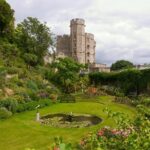
Start at Windsor Guildhall: getting the town’s “map in your head”
You meet outside Windsor Guildhall on High Street. This is a strong opener because it gives you the big picture first, before you start bouncing between statues, odd street names, and royal architecture. The guide’s job at this first stop is to help you understand why Windsor feels like a royal stage set, while still being a real town with everyday streets.
This is also where I’d pay attention to what the guide emphasizes. If you catch the themes early, you’ll read the rest of the walk differently. The Guildhall area sets the tone for the royal connections, the town’s character, and the rhythm of where you’ll go next.
Practical note: you will be outside, so dress for weather. The tour is short, but Windsor can turn gray fast, especially in autumn and winter.
The Crooked House moment: Windsor’s version of a famous lean
Next up is The Crooked House of Windsor. Even if you have seen leaning buildings elsewhere, this stop tends to land as memorable because it is unusual, playful, and very “look at that” in real life.
It also gives the guide an opening to talk about how Windsor’s quirks sit alongside its royal seriousness. You get a break from the solemn tone of guards and castles, and you see how the town can be both traditional and unexpectedly humorous.
This is not a ticket stop, and it is quick by design. Treat it like a visual reset, then keep walking.
Irish Guardsman Statue: the regiment story behind the honor
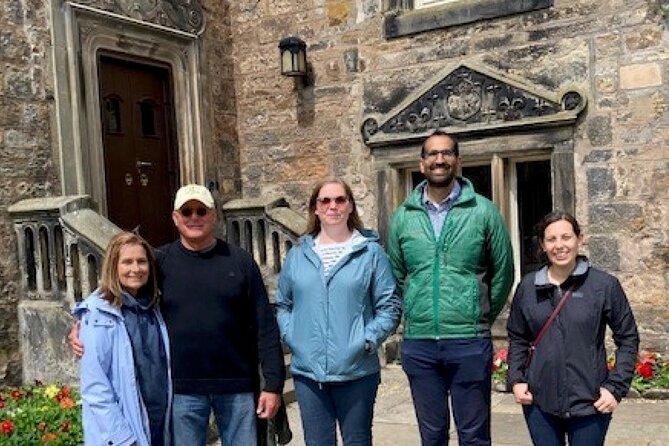
Then you’ll see the Irish Guardsman Statue. The key here is not the statue itself, but what it represents. The guide points out that this regiment is fundamental to Windsor, which helps explain why certain symbols show up in public spaces around the town.
This is the kind of stop that becomes more meaningful later when you notice how often the town acknowledges the monarchy and its armed forces connections. Even if you are not a military-history person, you can still appreciate the way a statue compresses a lot of meaning into a single spot.
No admission needed. Plan to stand for a moment, look closely, and let the guide’s context do its job.
The Two Brewers and the Black Horse Inn clue
From there, you hit The Two Brewers, described as one of the oldest streets of Windsor. This is where street names start acting like clues, and the guide brings up the Black Horse Inn, historically known for being outrageously lively.
I like this stop because it shifts from monuments to human behavior. Royal towns do not run on castles alone. They run on inns, rumors, and the messy social life of people living near power.
The tour notes also highlight a specific local thread, the Black Horse Inn’s past location. Even if you are just skimming, you’ll feel how the town’s identity stretches back longer than the big royal headlines.
You can also read our reviews of more guided tours in Windsor and Eton

The Long Walk: hunting lands connected to William the Conqueror
The Long Walk is a scenic stretch where you look over ancient hunting lands connected to William the Conqueror. This stop is about perspective. You get a sense of time depth, not just royal timeline.
It is also a breather. By now, you have been on streets, then suddenly you are looking out with space around you. That change of setting makes the history feel less like a list and more like a landscape, even though you are not doing a long walk through it.
There’s no ticket here. This part of the experience is mostly your eyes, plus the guide’s framing to tie the place to the name.
Copper Horse statue of King George III: royal power in bronze
Next comes the Copper Horse Statue of King George III. Statues like this can feel static on your own, but with a guide, they come alive because you learn what the symbol is pointing toward and why it is placed where it is.
The “horse” detail matters. It’s not just about a ruler, it’s about authority and presence, made physical. Even in quick stops, this can be the kind of landmark that anchors your understanding of Windsor as a royal town that keeps showing its monarchy in public spaces.
Again, no admission. Just take a minute and look from more than one angle so the guide’s explanation has a visual match.
Alexandra Gardens: a calm pause that makes the next views better
Alexandra Gardens is one of those stops that balances the pace. It is a scenic garden area and a popular place to relax on summer days. Even if you are visiting outside peak season, it helps you recharge your eyes after earlier street and statue moments.
I like that this stop reminds you Windsor isn’t just made for sightseers. It’s a place where people actually linger.
No admission. Let it be a slow moment, and you will enjoy the final river and castle-area segments more.
Thames River views: Windsor and the real scale of it
Then you reach the River Thames. This is where the tone often shifts to wonder. You see the Thames stretching through Windsor toward London, and the guide adds the practical reminder that it is not as smelly as it used to be.
That line makes the whole place feel more human, like your guide is balancing myth and reality. More importantly, the river creates scale. The town suddenly feels connected to larger routes and bigger history than just the immediate streets.
This is a free stop, quick, and worth savoring for the view even if you only get a few minutes.
Eton across the water: why you see it from Windsor
After the Thames, you look over at Eton. Eton is the famous partner town across the river, tied to Eton College and even the playful cultural reference of Eton Mess.
This stop is valuable even if you do not plan to visit Eton itself, because it explains why the two towns feel like one experience with a visible boundary. You get a geographic relationship in your mind, which later helps if you try to navigate the area on your own.
No ticket, and it is short, but it is one of the best “big view” segments on the route.
Thames Street and the surprise in the pavement
Next is Thames Street. The tour notes mention something surprising in the pavement. That kind of detail is exactly why a local guide matters: it’s too easy to walk right past a meaningful clue if you don’t know it’s there.
If you like street-level history, this stop can be a highlight. It also fits the overall style of the tour, which keeps history close to daily life instead of only pointing you toward famous buildings.
Free stop. Keep your eyes down briefly when the guide directs you.
Windsor Castle (outside): admire the largest inhabited castle from the street
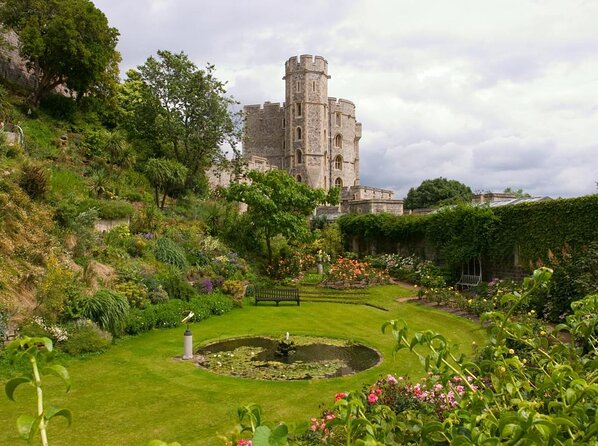
You then arrive at Windsor Castle, described as the largest and oldest inhabited castle in the world, and home to the British monarchy. You do not go inside, and Windsor Castle fees are not included. The focus is admiration from the outside, plus context that makes the structure feel more understandable.
This is a good setup if you are planning to visit the castle later on your own with tickets. One of the most practical ways to think about this tour is as the pre-game. You get the essential orientation and story beats first, then you can step inside later if you choose.
If you were hoping for a guided castle interior visit, this is not that. But if you want an efficient overview plus a chance to decide whether the inside visit is worth it, it’s a strong approach.
St George’s Chapel: finish near the resting place of British kings and queens
The walk ends outside the gates to St George’s Chapel. The guide frames it as the resting place for British Kings and Queens, and that ending matters because it gives you a sense of closure. You finish where the religious and royal story line converges.
Even though it is outside, this final stop often feels like a payoff moment. By then, you have seen enough symbols, street connections, and river perspective that the chapel reads as more than just another building on the hill.
Free stop, and the tour activity ends back at the meeting point.
The guide experience: fun facts, local flavor, and room for your pace
The strongest praise tied to this tour centers on the guide. Names that come up include Susie, Eve, and Eva, and the common thread is that the guide makes the short route feel lively and personal. You get history plus quick, street-level fun facts, and the town stops feeling like a museum you have to decode alone.
There is also a note to plan for speaking speed. In at least one experience, the guide talked a bit quickly for an American ear. That does not mean the information is unclear, but if you know you struggle with fast speech, ask for clarification when needed. With a private group, you can usually slow things down.
What I like about this format is that you are not stuck in a rigid script. Private means your group is the only one on the schedule, and you can ask questions without feeling rushed.
How to fit it into your Windsor day (and not feel shorted)
Because you do not enter Windsor Castle, the simplest planning approach is to treat this tour as a guided orientation plus photo-friendly highlights. Then decide whether you want castle entry after you have the background.
Also, start time matters more than you might think. One November experience started at 1600 and daylight limited the available time to about 45 minutes. Even though the tour is scheduled for about 1 hour 30 minutes, shorter winter daylight can change how much you enjoy each outside segment.
If you can choose, go earlier in the day so you have more light for statues, river views, and the outside castle views. That extra light also makes the gardens and river feel more rewarding.
Who this tour is best for
This private Windsor walk is a strong match if you want:
- A tight, efficient introduction to royal Windsor in about 90 minutes
- A guide who helps you understand what you are seeing, not just point at it
- A group of up to 6 people who prefer private attention over large group crowds
It may be less ideal if:
- Windsor Castle inside access is your main priority
- You need a long walking route with lots of time inside buildings
If you are visiting with teens or you love “quick hits” of sightseeing, this tends to work because the stops are short and the variety is high, from statues to gardens to river and chapel.
Cost and value: what you pay for, what you get
At $185.11 per group (up to 6), the value depends on who is in your group. For solo travelers, it can feel steep versus a public walking tour. For small groups, it becomes much easier to justify because the guide is really tuned to your pace, and you are not splitting attention across many strangers.
You also get a practical route design. You see the major visual anchors, including Windsor Castle from the outside, plus St George’s Chapel near the end. You also get multiple free or no-ticket segments, so you are mostly paying for guidance and storytelling, not for a pile of admissions.
If you were planning to visit Windsor Castle anyway, the best value strategy is to treat this as the context-maker, then add the castle ticket separately.
Should you book this private Windsor walking tour?
Book it if you want a smart introduction to Windsor in a compact time window, with a local guide who adds fun, readable context to the sights. The private group size makes it feel relaxed, and the mix of crooked-house charm, royal symbolism, and Thames views gives you more texture than a simple highlights tour.
Skip it or plan differently if you specifically want a guided inside tour of Windsor Castle. This walk is outside-focused for the castle, and castle fees are not included. If inside access matters, you can still use this as your first step, but you will need to schedule the castle entry separately.
FAQ
What is the duration of the Windsor walking tour?
The tour is about 1 hour 30 minutes.
How many people can be in the private group?
The private tour is priced for up to 6 people per group.
Is Windsor Castle included inside the tour?
No. You admire Windsor Castle from the outside, and Windsor Castle fees are not included.
Are there admission tickets included for all stops?
Windsor Castle fees are not included. Several other stops also note that admission tickets are not included, while some stops are listed as free.
Where does the tour start?
The tour starts outside Windsor Guildhall at 51 High St, Windsor SL4 1LR, UK.
Where does the tour end?
The tour ends back at the meeting point.
What language is the tour offered in?
The tour is offered in English.
Do I need a paper ticket to join?
A mobile ticket is included.
Is the tour suitable for most travelers?
The tour notes say most travelers can participate, and service animals are allowed.
More Walking Tours in Windsor and Eton
More Tours in Windsor and Eton

More Tour Reviews in Windsor and Eton

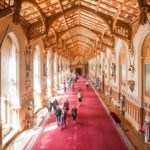

Not for you? Here's more nearby things to do in Windsor and Eton we have reviewed

More Windsor Castle Day Trips worth a look.
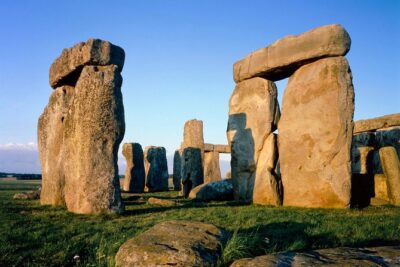 ★ 4.5Stonehenge, Windsor Castle, and Bath from LondonTickets from $11118,662 guest reviews
 ★ 4.5Stonehenge, Windsor Castle and Bath with Pub Lunch in LacockTickets from $1237,402 guest reviews
 ★ 4.7Windsor Castle Admission TicketTickets from $437,032 guest reviews
 ★ 4.4Full-Day Windsor, Stonehenge, and Oxford TourTickets from $1205,368 guest reviews
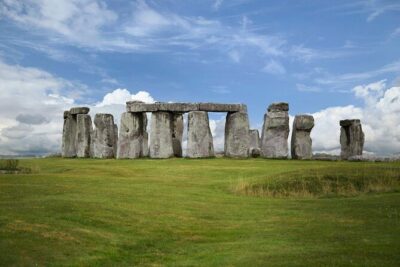 ★ 4.5Stonehenge, Windsor Castle and Bath Full Day Guided TourTickets from $1235,346 guest reviews
 ★ 3.01 Day Admission to LEGOLAND Windsor Resort5,329 guest reviews
 ★ 4.5Windsor Castle, Stonehenge, and Oxford Day Trip from LondonTickets from $1235,292 guest reviews
 ★ 4.5Windsor, Stonehenge, Bath, and Roman Baths Day TripTickets from $1205,131 guest reviews
Continue by place or experience