
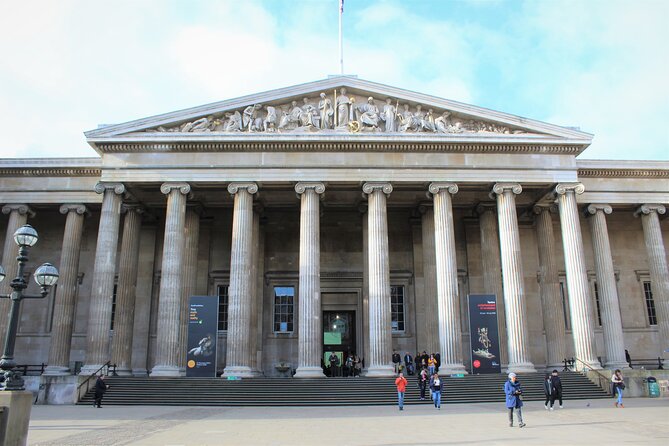
REVIEW · BRITISH MUSEUM TOURS
Private Guided Tour of the British Museum
Ancient treasures need a map. This private customized British Museum tour gives you a clear path through big-name objects, with context you can actually use as you walk the galleries. You can choose a morning or afternoon start, which matters in a museum that can feel like sensory overload fast.
What I like most is the way the guide turns famous artifacts into stories you can follow, from the Rosetta Stone to ancient warfare details and jewelry. I also love that you get to ask questions and steer the visit, which is a big deal when you are touring with kids, teens, or anyone who learns best by talking.
One possible drawback: this is a guided walk inside the museum, and some areas are not fully accessible in places of a 2,000-year-old city and an enormous building. If mobility is a concern, you will want to plan for that ahead of time.
Key things to know before you go
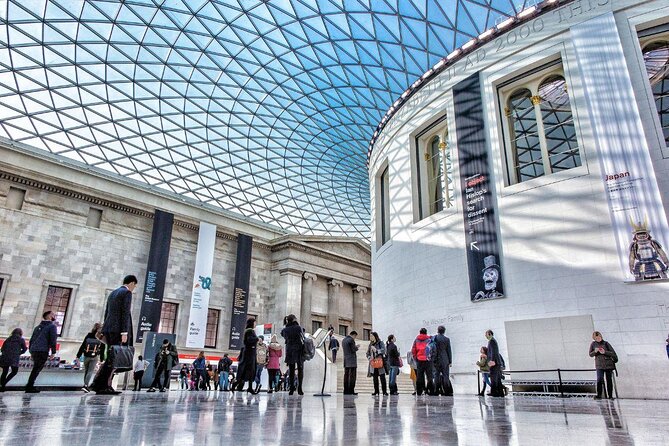
- Rosetta Stone focus, with an explanation of why it was so important for understanding Egyptian history
- Egypt, Greece, and Rome in one logical loop, so you are not just collecting random photos
- Private group up to 6, which makes questions and pacing much easier
- A guide with archaeology training, bringing excavation details and object-to-context storytelling
- Mobile ticket and free entry included, so the tour time stays focused on the museum
- Morning or afternoon options, useful for building your day around other London plans
Why a private British Museum tour beats trying to DIY it
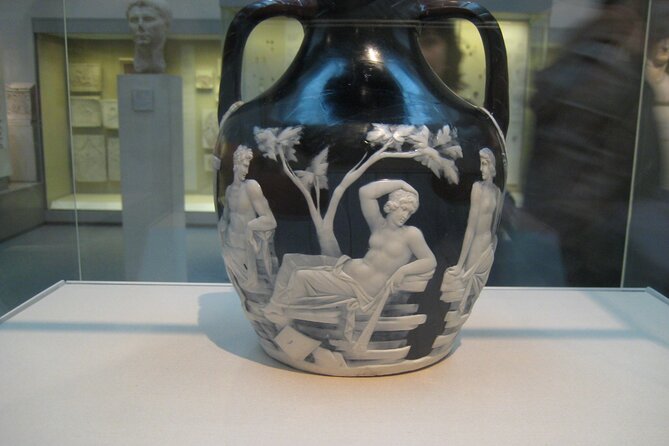
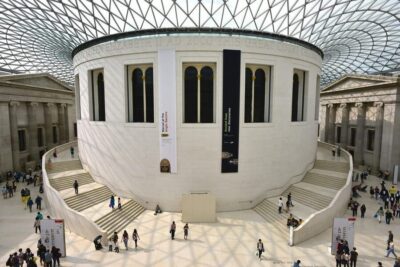
The British Museum is the kind of place where you enter ready to be amazed, then 20 minutes later you realize you are overwhelmed. It is huge, the collections are deep, and the signage can only do so much when you have limited time.
A private tour helps because it gives you an efficient route and a narrative thread. Instead of bouncing from room to room, you get guided attention on the most meaningful objects, plus the “why it matters” behind them. That makes the Rosetta Stone stop feel like more than a famous rock. It becomes a milestone in how humans learned to read ancient languages.
I also like the practical side. The tour is designed for a small private group, so you can pause for questions and adjust what you see. If your group loves Egyptian history, the guide can build the day around that. If your kids are more into Greek statuary or Roman themes, the visit can shift.
You can also read our reviews of more guided tours in London


The 2.5 hour plan, and what you actually get done
This experience runs about 2 hours 30 minutes, and it stays centered on the British Museum. A typical flow is: meet up, get an introduction to how the collections fit together, then walk through a set of key galleries highlighting specific objects tied to Egyptian, Greek, and Roman history.
The total time is long enough to see major highlights, but short enough that you still feel like you toured with purpose. You are not losing half your day searching for the next room. You are also not trapped in one lecture style moment. The guide keeps moving through objects and then slows down when something is important or when your group wants to ask questions.
There is also an efficiency angle that shows up in the stories you hear. Many artifacts are famous, but the real value is understanding how they connect to politics, technology, trade, belief systems, and everyday life. Once you have that context, the rest of the museum starts to make more sense even when you wander on your own.
Meeting the museum right, including the first-in line advantage
The British Museum gets crowded, and crowds change your experience. They shorten your time at objects, push you around in tight spaces, and make it harder for anyone in your group to read labels.
A strong advantage here is that a good guide can help you arrive with a plan for getting in smoothly. In the best cases, your group gets positioned to see key things early, before the museum becomes packed. That means you can actually look at details like inscriptions, materials, and craftsmanship, instead of rushing through.
If you are booking for a time close to opening, you can also build in a little cushion for your own photos and extra viewing. The goal is simple: see the core objects with calm attention, then keep your “what did we miss” regret to a minimum.
Stop at the British Museum: what you will see and why it matters
The tour’s main stop is the British Museum itself, and it is built around a set of headline objects that open doors into whole civilizations.
At the start, you get an introduction that sets expectations: what you are looking at, how it was used, and how it fits into the larger story of history. Then you move into the Egypt section energy, where several of the museum’s most talked-about pieces help you understand what ancient people believed, and what modern historians learned later.
After Egypt, the tour moves into Greek and Roman themes. Instead of treating these cultures like separate worlds, the guide connects ideas: how power was communicated, how art was used, and how technology and myth blended into public life.
If you like your history with both storytelling and clear explanations, this format tends to work well. It is not just a list of facts, it is a guided line through the collections.
Rosetta Stone, translation stories, and what breaks the code
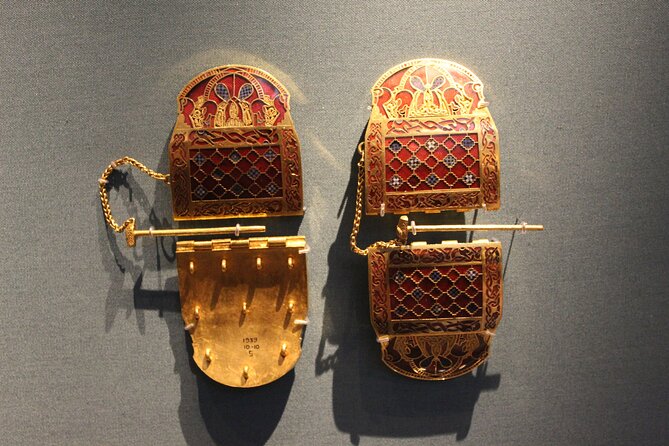
No British Museum highlight list is complete without the Rosetta Stone. On this tour, it is treated like a turning point. You do not just see it, you learn why it changed everything for Egyptian history.
The key idea you walk away with is how translation becomes possible. The Rosetta Stone is famous for being a pathway, a reason people could start reading Egyptian writing with more confidence. Seeing it with a guide means you understand how multiple scripts and texts relate to one another, and why that relationship matters for decoding history.
I like this approach because it gives you a lens you can use elsewhere in the museum. Once you understand how a single object can crack a language problem, you become more alert to other clues: inscriptions, symbols, and the way ancient texts were displayed.
If you enjoy science-type thinking, linguistics, or how evidence becomes knowledge, this part usually lands really well.
You can also read our reviews of more private tours in London





Tutankhamun statue, life and death context, plus the “afterlife stuff”
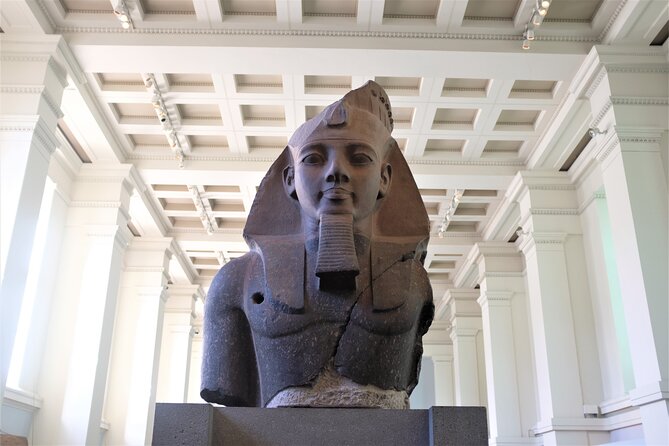
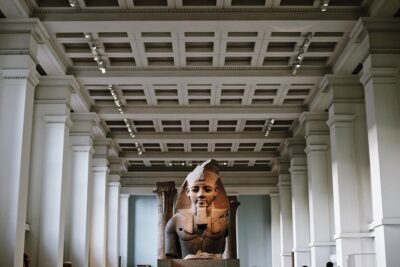
Next comes the Egypt section momentum. You will see a statue connected with Tutankamun, along with explanations tied to his life and death. This is where you start getting more than an art appreciation. You learn how objects reflect a worldview.
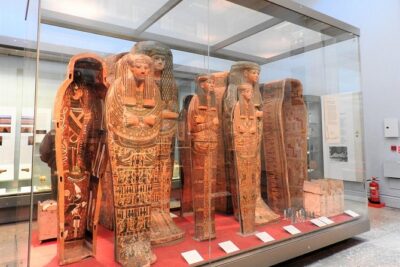
The tour continues into the funeral and afterlife theme material. You can expect discussion around sarcophagus decoration motives, canopic jars, and the Book of the Dead. These objects are easy to dismiss as “old stuff,” but with a guide, they become a map of beliefs and rituals.
A nice bonus is how this is explained in a way that keeps people engaged. The guide style described in the experience is detailed but not dry, with humor and pacing that works for different ages. Kids tend to stay focused because the guide keeps turning artifacts into human stories and questions into mini learning moments.
Roman rooms: propaganda in glass, plus armor and power
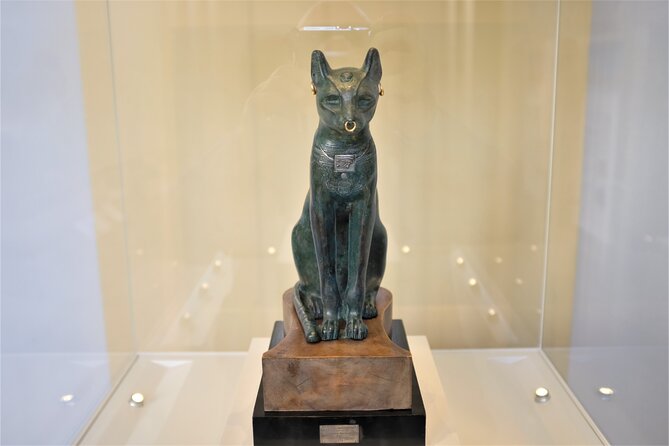
Then the tour shifts from Egypt into Roman and related themes. You are guided through objects connected to Rome’s origins and its influence, including discussion around technology and how power was displayed.
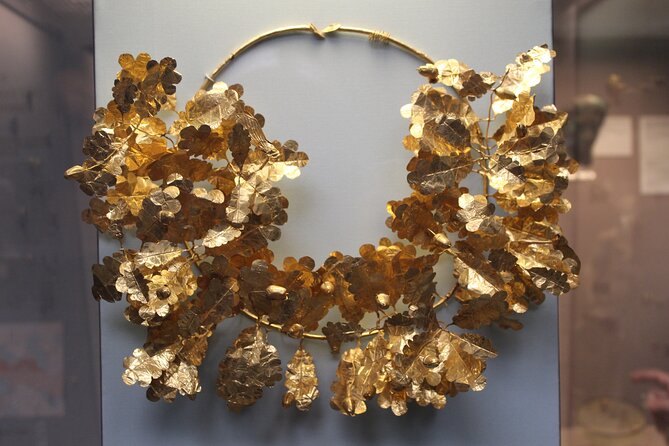
One standout detail is seeing propaganda presented through glass. That is a smart way to get the big idea: Rome did not just rule with force, it shaped ideas. You also get attention to items that look strange at first glance, like alligator armor, plus exquisite gold jewelry that signals wealth, status, and skill.
Even if you are not a Roman history specialist, this section helps you “see” what you are looking at. You begin to recognize why certain designs appear, why materials matter, and how objects served roles beyond decoration.
Greek statuary and the “mythology in motion” moment
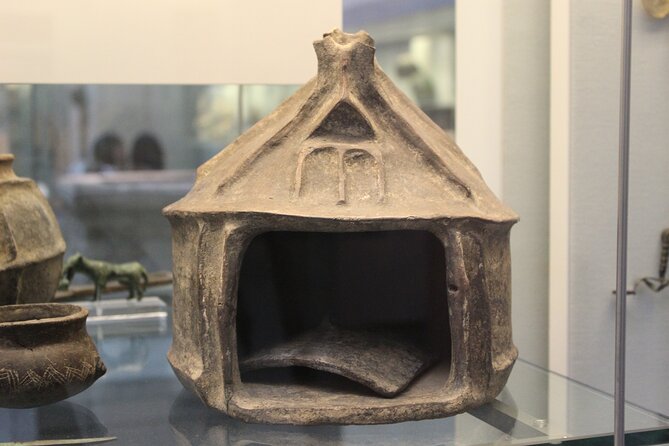
From Roman themes, the tour moves into Greek statuary and myth-related objects, including items connected to gods or mythic figures. You can expect references to Greek statuary, an impressive gold headdress, and scenes involving Amazons fighting.
This is where the tour becomes visually satisfying, not just intellectually useful. Greek art often looks timeless, but a guide helps you understand the purpose. Is it commemorative? Religious? Political? A reflection of ideals?
If your group likes action and character, myth scenes like Amazon battles help people stay interested. If you are traveling with teens who think museums are boring, myth-driven storytelling often does better than general lecture content.
How the guide keeps 2.5 hours from dragging
A lot of museum tours fail for one reason: they talk like you are on a bus. This one is designed to avoid that problem. The guide is licensed and insured, which matters for professionalism, and the style is built for interaction.
The best parts, based on what you can expect from this experience, are:
- detailed descriptions without turning into a textbook
- pauses for questions
- a willingness to tailor the stop order and emphasis to your interests
It is also a plus that your guide has archaeology training, and it shows in the way objects are explained. You might hear about how excavations were done, and even how acquisition left physical marks on artifacts. That kind of detail changes how you look at objects. Suddenly they are not just curated displays, they are physical evidence of human hands, tools, and history.
And yes, humor helps. Several accounts describe the guide as funny and engaging, especially when explaining complex topics in plain language.
Price and value: what you are really paying for
At $344.49 per group for up to 6 people, the price is not cheap on paper. But it can be good value depending on your group size and how much time you have.
Here is the practical way to judge it:
- If you are a couple, you are paying for private attention and a guided route through highlights.
- If you are a family of 4 to 6, the per-person cost often looks more reasonable because the same guide time serves everyone.
- If your group wants Egypt, Greece, and Rome plus deeper object context, a guide can save you from spending hours trying to figure it out yourself.
Also, the entrance ticket is included, so you are not stacking extra costs on the museum entry. And you do get a mobile ticket, so there is less friction on the day.
The one thing not included is an air-conditioned vehicle. That is normal for a museum-based experience. You should plan on walking inside and using public transportation to reach the start area.
Who this tour suits best
This private tour tends to fit a few travel styles well.
Families with kids and teens: The guide’s storytelling style is described as working across ages, including younger children through teens. If your kids like Greek and Egyptian history, this is a great match because those themes show up clearly in the planned highlights.
Short-time London visitors: If you only have part of a day and want the most important artifacts plus context, the guided route helps you get value without wandering until you are tired.
History and culture lovers who hate randomness: If you enjoy understanding why artifacts matter, this tour focuses on that. You get explanation tied to translation, funerary beliefs, and how Rome presented power.
If you want a quiet self-paced museum visit with no talking, then a private guided experience might feel like too much structure. But if you want clarity and conversation, you will likely enjoy it.
Practical tips for a smoother museum visit
A few things you can do to make the tour feel effortless:
- Wear comfortable walking shoes. The British Museum is large, and your schedule is time-bound.
- Bring patience for crowds in peak hours. Even with early access help, the museum can get busy later.
- Use the private setup. Ask questions when something grabs your attention, instead of waiting until the end.
- Think about what you want most before you arrive. If Egypt is your focus, say it early. If Greek statuary or Roman power themes are your thing, point the guide there.
If you care about accessibility, note that while the tour is generally available for most travelers, not all areas of the museum are fully accessible. It is worth planning around that so you do not spend precious time trying to reach spots that may be difficult.
Should you book this British Museum private tour?
Book it if you want a structured way to see the British Museum highlights with context you can actually remember. The tour format is especially good for groups that would otherwise feel lost in a huge museum.
Skip it if you already have a museum game plan, enjoy reading everything at your own pace, and do not want a guide’s conversation driving the day.
My take: if you are paying for one “big museum day” in London, this is one of the more useful ways to do it. You are not just looking at the famous pieces, you are learning how they fit together, why they mattered, and what to notice when you look at the rest of the collection.
FAQ
How many people are in a private group?
This is a private tour/activity, with up to 6 people per group.
How long is the British Museum private guided tour?
The duration is about 2 hours 30 minutes.
Do I need to buy museum tickets separately?
No. Entrance tickets are included, and the guide is providing a licensed, insured experience.
Is an air-conditioned vehicle included?
No. An air-conditioned vehicle is not included.
What language is the tour offered in?
The tour is offered in English.
Can I choose a morning or afternoon tour time?
Yes. The experience offers a choice of morning or afternoon tours.
Will I receive a mobile ticket?
Yes. Mobile ticketing is included.
Where do we meet and where does the tour end?
The start is in Greater London, London, UK, and the activity ends back at the meeting point.
Is it accessible for people with mobility needs?
Most travelers can participate, but not all areas may be fully accessible due to the museum and the 2,000-year-old city context.
What is the cancellation policy?
Free cancellation is available up to 24 hours in advance of the experience start time, with a full refund if you cancel at least 24 hours before local start time.
More Guided Tours in London



More Tours in London




More Tour Reviews in London


Not for you? Here's more nearby things to do in London we have reviewed










More British Museum Tours worth a look.
 ★ 4.3British Museum Guided TourTickets from $231,182 guest reviews
 ★ 5.0British Museum London Guided Tour Semi-Private 8ppl MaxTickets from $108984 guest reviews
 ★ 4.1Tour of the British MuseumTickets from $14678 guest reviews
 ★ 4.5British Museum Audio Tour & Priority Entrance TicketTickets from $9631 guest reviews
 ★ 5.0The British Museum London – Exclusive Guided Museum TourTickets from $108555 guest reviews
 ★ 4.2Afternoon Tea at the British MuseumTickets from $58511 guest reviews
 ★ 4.0British Museum Guided TourTickets from $18470 guest reviews
★ 4.5British Museum Guided TourTickets from $39267 guest reviews
★ 4.0British Museum Guided TourTickets from $18470 guest reviews
★ 4.5British Museum Guided TourTickets from $39267 guest reviews
Continue by place or experience