

REVIEW · SELF-GUIDED TOURS
Londra Audioguide – TravelMate app for your smartphone
London is easiest when you travel at your own pace. This audio guide lets you do just that, with 70 stops you can repeat as often as you like. I like that there are no paper tickets to chase down, so you can start right away from wherever you are.
My other favorite thing is how flexible it feels: you can listen online or offline, and you can even read the text inside the app if you want a break from audio. One thing to keep in mind is that setup can be a bit fiddly if the purchase or activation email does not land cleanly, so I’d double-check your activation code before your first walk.
Key things to know before you start

- No meeting point needed, start from anywhere once the app is downloaded and activated
- 70 audio stops in 215 minutes, good for a long day or several shorter outings
- Offline listening plus optional text, so you are not at the mercy of signal
- Built in quiz, which helps you keep small facts from slipping away
- Earphones recommended, for cleaner sound while buses, trains, and crowds do their thing
- Mixed rating (3.5/5), so plan a little time to get activation sorted smoothly
Getting the TravelMate app running in London

This is not a tour where someone meets you with a flag and a smile. It is an audio guide on your smartphone, sold as a simple add on to your trip. After you download TravelMate, you activate it with a code found in your email (or inside the GetYourGuide app).
Once activated, the guide is valid for 1095 days from first activation. That matters because you are not paying just for one afternoon. You are paying for a reusable guide you can come back to if your London trip stretches, or if you plan a second visit later.
More London tours and experiences for the shortlist



What you should do first (before you go wandering)
Do this before you step outside:
- Download the app called TRAVELMATE (Android) or TRAVELMATE TM (iOS).
- Find your 10 digit activation code in the email by opening the activity details or show tickets screen.
- Download any offline content if the app offers it, so you are not stuck hunting for reception.
I like that you also use your own phone. That means no borrowed handheld gadgets and no sharing devices with strangers. You bring the cleaner gear, you control the playback.
Listening like a local: online, offline, and repeatable stops
London soundscapes are loud. Buses hiss, the Tube growls, people talk over each other in short bursts. That is why this guide strongly pushes earphones. With headphones, you can actually focus on the voice and not fight the city for attention.
The app works online or offline. That is a big practical win, especially because London coverage can be spotty in older streets and inside some venues. The fact that the audio does not expire also changes how you plan. You can do it in “chunks”:
- Walk one zone, listen to those stops.
- Come back later and keep going.
- Skip a stop that you do not feel like seeing that day, then return when you want it.
You also get the option to read the text of the audio files in the app. If you are pausing for a coffee, or you just want to scan dates and names quickly, this helps. It is a small detail, but it makes the guide feel easier to use.
The city intro and food clues that help you get oriented
The guide starts with a London introduction, then moves into local cuisine before diving into specific landmarks. Even if you have been to London before, those first lessons are useful. They can help you read what you are looking at, not just record it.
When you listen to the local cuisine segment, you are really learning how locals think about food, not just what dishes exist. That sets you up for better choices later, because you start noticing what is actually common around you, and what is mainly tourist talk.
Practical tip: use the cuisine stop early, before you lock in dinner plans. It is easier to shop your day around what you learn than to try to fix it after you already ate.
British Museum to the National Gallery: your self-guided museum day
The audio includes major museum names and that is a sensible strategy. London’s museum cluster works best when you can bounce between places without committing to a strict itinerary. This guide covers:
- British Museum
- National Gallery
- Natural History Museum
- Victoria and Albert Museum
- Tate Britain
- Tate Modern
Here is what makes this section worth your time. These museums can be overwhelming. When you have an audio companion, you can spend less effort guessing where to start. You are listening for key points of interest, so you do not walk in and immediately freeze.





British Museum: a good first museum because it gives context fast
The British Museum is a marathon site. It helps to have a route brain going in, and an audio stop can give you a starting point. Even if you do not finish the whole building, you can still leave feeling like you understood the big story.
National Gallery: best when you want a focused art hit
If you like art but do not want to spend half a day wandering, the National Gallery is a smart target. The audio content can help you connect what you see to the themes you are hearing, instead of just scanning frames.
Natural History Museum: for when you want facts with personality
Science museums can feel dry if you are not sure what you are looking at. A guide that explains history and curiosities can keep it lively, especially for families or anyone who likes learning while walking.
Tate Britain and Tate Modern: a modern art strategy that does not punish you
Tate Britain and Tate Modern are different moods, but both can swallow hours if you let them. With audio stops, you can sample without committing to a full museum binge. If you end up returning another day, your guide stays available, so you are not “wasting” time.
Victoria and Albert Museum: style and design without the headache
V&A is a great place to recharge your brain. Audio context can help you understand why certain items matter, even if you only catch part of the exhibits on one visit.
Royal London and civic landmarks: Buckingham to Westminster

This is the “I came to see the famous stuff” stretch. The app includes key royal and civic stops:
- Buckingham Palace
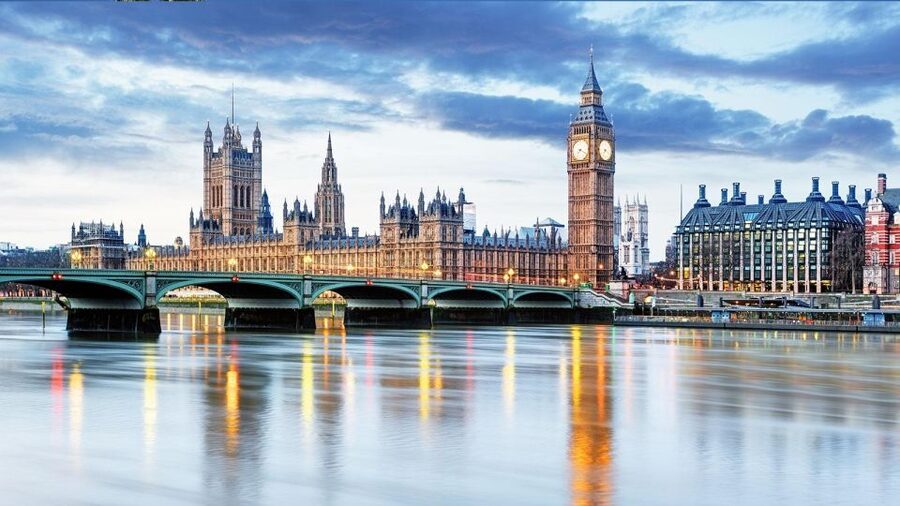
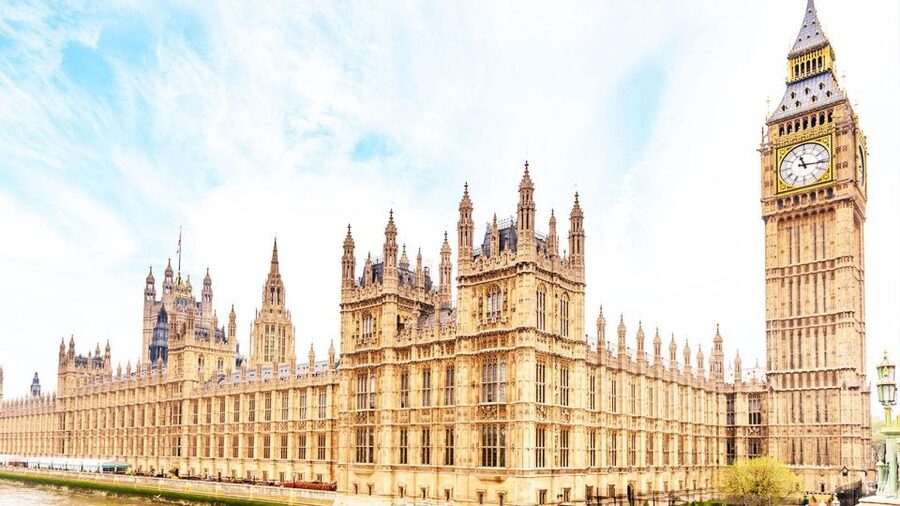
- Houses of Parliament
- Westminster Abbey
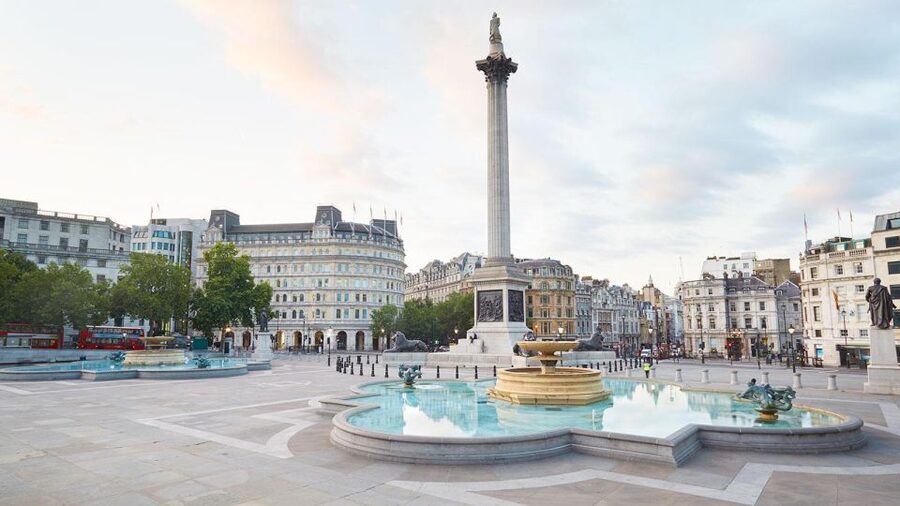
- Trafalgar Square
- Hyde Park
- St. Paul’s
Buckingham Palace: what you learn before you look
Buckingham Palace is one of those places where your brain already has images loaded in. The audio approach helps you fill in what those images hide: the background, the purpose, and the role this landmark plays in London life.
Houses of Parliament: don’t just stare, use the audio for meaning
This is another site where it is easy to photograph the exterior and move on. Audio can turn that into something more. You start noticing details you might otherwise ignore, because you have a reason to look.
Westminster Abbey: a powerful stop even if you only see the outside
Westminster Abbey can be a deep rabbit hole. You do not need to know everything to enjoy it. Listening first helps you approach it with the right questions, and it makes the building feel less random.
Trafalgar Square and Hyde Park: the breathing room between big sights
Trafalgar Square and Hyde Park work well together. One gives you city energy and iconic views, the other gives you open space. If you plan your day right, you can hear the audio story at the square, then switch into park mode, where you walk slowly and let the day reset.
St. Paul’s: the best kind of landmark stop, close to the action
St. Paul’s fits perfectly into a walking day because it is dramatic at street level. Audio can add meaning so you do not just see a famous dome. You understand what makes it important to London’s identity.
London Eye and river icons: Tower Bridge, Tower of London, and photo-worthy viewpoints
The guide includes big view stops:
- London Eye
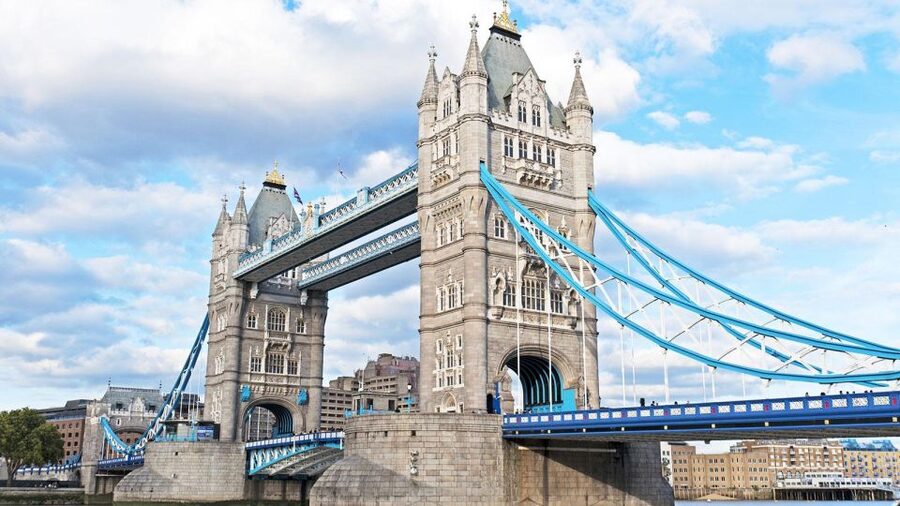
- Tower Bridge
- Tower of London
- The Tube (use this more like transit context than a “sight”)
London Eye is a classic choice, and it is also one where audio can help you connect the skyline to the geography you are seeing. When you are up high, everything can look like a postcard. Listening helps you put names to those shapes.
Tower Bridge and the Tower of London: meaning beats just photos
You can photograph Tower Bridge from multiple angles. But if you only look, you might miss why it matters. Audio helps you understand what the Tower of London represents, and that turns a quick look into a more satisfying stop.
The Tube: use it as a planning tool, not just trivia
The guide includes The Tube as a stop. Even without being overly specific, that content likely helps you understand how the system fits into getting around. I recommend using that section when you are planning your route between sights, because London transit can feel confusing without a framework.
Knightsbridge, Harrods, and Madame Tussauds: if you want a mix of spectacle and culture
This section is all about variety, and it can be a nice balance on days when you want both famous attractions and built-in fun:
- Harrods
- Madame Tussauds
Harrods: a landmark you can enjoy even if you skip the shopping
Harrods is one of London’s best-known retail icons. Audio helps you understand why it is famous, so you are not only there for the window displays. Even if you only spend a short time inside, it can still feel like a real stop.
Madame Tussauds: good when you want something light
This is not everyone’s top choice, but it can be a good break from museums and cathedrals. Audio context can keep it from feeling like just a line of faces. It is a fun, easy way to mix in an attraction without exhausting your feet.
Notting Hill, Piccadilly Circus, and Royal Albert Hall: neighborhoods and stage energy

The guide includes:
- Notting Hill
- Piccadilly Circus
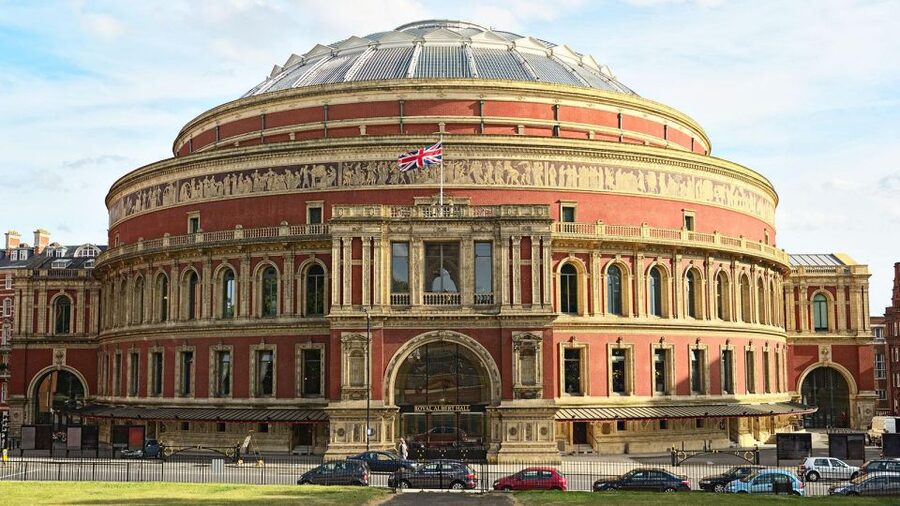
- Royal Albert Hall
Notting Hill: slow down and let the street level talk
Notting Hill is best experienced at walking speed. Audio helps you notice details that go with the area’s identity. It is also a nice neighborhood break between heavier landmarks.
Piccadilly Circus: use it as a moment, not a mission
Piccadilly Circus is loud and flashy. Listening while you walk around it can make the stop feel more purposeful. But don’t plan to spend hours there. Treat it like a landmark moment, then move on.
Royal Albert Hall: pairing it with nearby culture keeps it fun
Royal Albert Hall is a classic London venue, and it pairs well with the museum zones because both live in the same broader culture area. If you time your day well, you can go from listening to art and design, then switch to performance energy.
The Soane Museum and the Tate stops: small and specific works
Not every London highlight is “the biggest” building. The guide includes:
- Soane Museum
- plus the earlier Tate entries (Tate Britain, Tate Modern)
Soane Museum is the kind of place where you want to know what you are seeing, not just walk through. Audio can help you catch the point of what makes this museum different. When you combine a stop like this with the bigger names, you get a more balanced day.
Museums, markets, and the quiz: making the audio stick in your brain
A nice extra is the quiz section. It gives you short questions about the city. That is a clever way to keep your brain engaged when you are between stops, or when you want a break from walking.
I like doing a quiz at the end of a day, after the last audio stop. It helps you remember what you just learned, and it shows you where your attention drifted. If you are traveling with kids or friends, quizzes also reduce the awkward pause when everyone is trying to decide what to do next.
Value and price: is 5.63 per person worth it?
The guide costs $5.63 per person and is valid for 1095 days from first activation. It includes 70 audio items totaling 215 minutes. If you do the simple math, you are paying roughly a bit under 3 cents per minute of audio, before even factoring in repeats.
The bigger value question is not just cost per minute. It is whether the guide matches how you travel. This setup is ideal if:
- you like self-paced exploring
- you want a reusable guide for future returns
- you like learning in small chunks
- you do not want to manage paper tickets or meeting points
It is less ideal if you want a live guide shaping your day or if you only plan to do London at a single, very strict schedule. In that case, you might prefer something with a fixed route and timed entry help.
Also note the overall rating is 3.5 out of 5. The most useful takeaway is that the audio experience seems solid, but the purchase and activation flow can sometimes trip people up. I would build in a little buffer time on Day 1 to confirm everything is working.
Who this London audio guide fits best
This experience fits best for travelers who:
- prefer autonomy over group logistics
- enjoy repeating audio stops when something catches your attention
- want offline flexibility
- appreciate having text available alongside audio
If you are traveling solo, it is especially convenient. If you are traveling with friends, you can split the workload: one person plays the audio, everyone else can listen when they catch up.
It is also listed as wheelchair accessible. Since this is an app experience, accessibility is really about how you navigate each site, but it is good that it is explicitly marked as accessible.
Should you book it?
Yes, if you want a low-cost way to add context to London without locking yourself into a schedule. The mix of royal landmarks, museums, and neighborhood stops, plus the fact you can listen offline and repeat the content for years, makes it practical value.
I’d say skip it if you need a fully guided, step-by-step experience with human guidance. And if you hate dealing with activation codes and emails, plan a calm moment to set it up before your first major walk.
If you do book it, do one thing that pays off immediately: activate early, test playback, and be sure you can get it working offline. Once that is done, London becomes a choose-your-own-adventure with a helpful voice in your pocket.
More Self-Guided Tours in London



More Tour Reviews in London
Not for you? Here's more nearby things to do in London we have reviewed










More Self-Guided Tours worth a look.
 ★ 4.7Emirates Stadium Entry Ticket and Audio GuideTickets from $475,513 guest reviews
 ★ 4.0Westminster Abbey Entrance Ticket Including Audio GuideTickets from $41661 guest reviews
 ★ 4.5British Museum Audio Tour & Priority Entrance TicketTickets from $9631 guest reviews
 ★ 4.6Churchill War Rooms Ticket & Political London AudioTickets from $62224 guest reviews
 ★ 3.5Windsor Castle Tour from London with Transportation & Audio GuideTickets from $94222 guest reviews
 ★ 4.0London Panoramic Open Top Bus Tour with Audio GuideTickets from $48209 guest reviews
 ★ 4.8Royal Walking Tour and Buckingham Palace Audio TourTickets from $100154 guest reviews
 ★ 4.3Self-Guided Notting Hill Walking Tour with an APPTickets from $14120 guest reviews
Continue by place or experience