
REVIEW · LONDON CITY TOURS
London Past & Present Backstreet Historical Tour
London tells its story in alleys. I love the small-group feel, and I love how the markets and bridges turn history into real street moments, not museum speeches, but the walk is part of the point and can feel like a lot if you are not into going nonstop for about 1 to 2 hours.
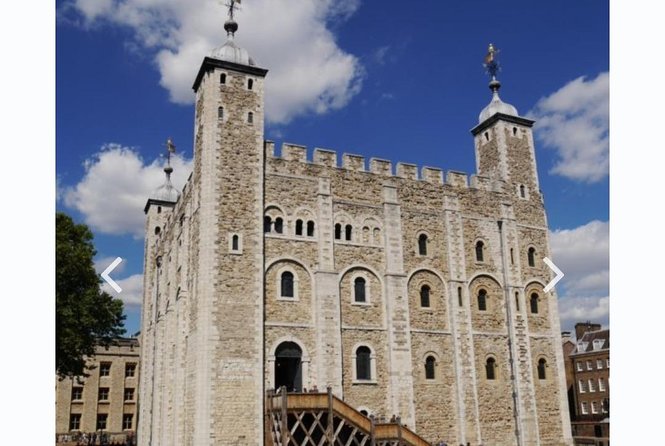
A big perk is that you get a professional guide who talks through what you are seeing and answers questions as you go, and you finish with strong views around Tower Bridge and the Tower of London area. The route also leans practical, with a mobile ticket and a handy end point by Tower Hill Station, so you can keep your day moving.
Key points before you go
- Max 12 people keeps questions easy and the pace manageable
- Market stops like Borough Market and Leadenhall Market make London feel like London
- Shakespeare’s Globe site connects drama history to the physical street layout
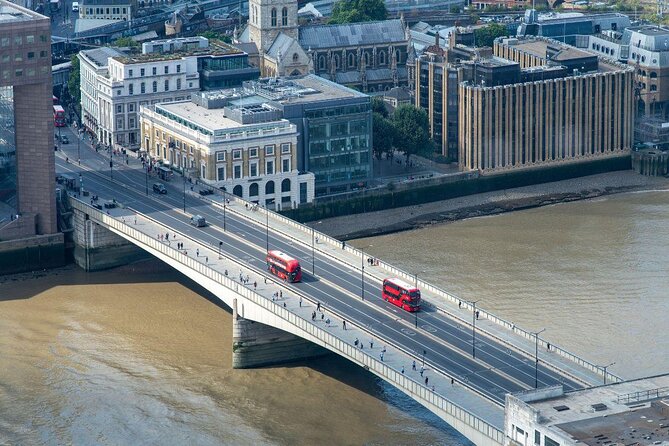
- London Bridge plus Great Fire storytelling gives context you will carry into the rest of your trip
- Tower Bridge and Tower of London views close with big-picture payoff without long detours
A Past-and-Present London Walk That Actually Feels Like London
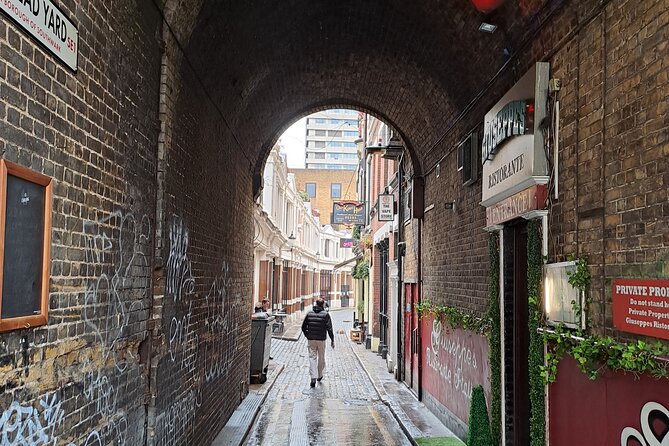
This tour works because it does not treat London like a list of landmarks. Instead, you get a guided route that moves across big historical shifts while also showing the everyday places that locals use, eat in, and pass through on normal days.
It also has a built-in sense of narrative. You start with a wide view from the area around St Paul’s, so the rest of the walk makes more sense. Then you move street by street, with frequent story moments that connect what you see today with what happened here before.
And yes, you will still hit famous names. You are in range of the Tower of London and St Paul’s Cathedral area, plus you spend time around London Bridge and Tower Bridge views. But the route adds the stuff that makes London feel human: markets, older arcades, and streets where the city’s layers show up fast.
You can also read our reviews of more historical tours in London

Is $94.61 Worth It for a 1 to 2 Hour Walking Tour?
At about $94.61 per person, this is not a bargain-bin group stroll. So the question is value, not cost.
Here is where the value comes from:
- You are paying for a guide to connect the dots while you walk, and you can ask questions instead of relying on an app.
- The group stays small, max 12 travelers, which makes the experience feel more personal.
- Several stops list admission ticket free entries, like the Shakespeare’s Globe Theatre site, Borough Market, and the London Bridge segment.
You also end up in areas that can be otherwise time-consuming. The tour helps you go from St Paul’s orientation to London Bridge and across toward Tower Hill, then keeps you near the Tower of London area where you can branch out after.
The one caution is that you are paying for guidance, not for a bunch of paid attractions. If you love totally independent travel and you already know how to self-guide London’s history, you might decide to spend less and go on your own. But if you want the shortcuts to understanding, this pricing is easier to justify.
Meeting at Cheapside, Getting Oriented, and Seeing 2,000 Years at Once
Your tour begins at 1 Cheapside, London EC2V 6AA, and the walk ends by the Tower of London next to Tower Hill Station. That start-to-finish flow matters because it prevents the classic problem of “we saw a lot, but it feels random.”
Early on, you get a lay of the land from the St Paul’s area. This is one of the smartest parts of the plan because it sets your mental map before you start slipping into narrow streets. When you later pass bridges and markets, you are not just moving from photo spot to photo spot. You are seeing how the city’s geography shaped its history.
The other practical win: you get a mobile ticket, so you are not hunting for paper. That helps in London where meeting points can be busy and you want to spend your time walking, not confirming details.
Shakespeare’s Globe Theatre Site: The Original Idea, Then the New Structure
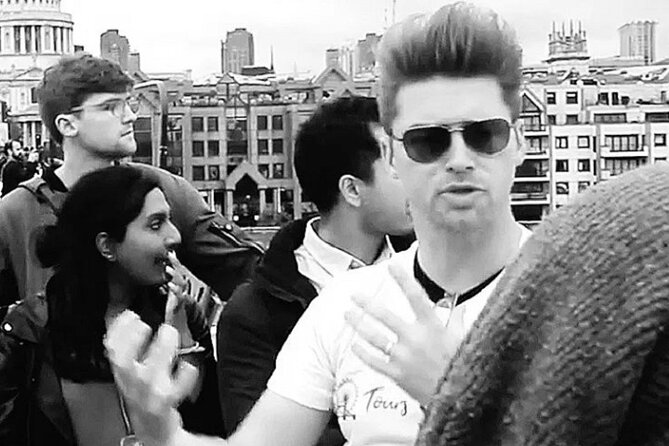
One of the first stops is the Shakespeare’s Globe Theatre area. The tour focuses on the site of the original globe and then has you walk past the newer version.
Why this is a great early stop: it gives you a cultural anchor. You go from city overview to a place tied to one of London’s best-known artistic periods. And walking past the newer building helps you see how London reuses and reshapes its own story.
The stop is short, around 10 minutes, and the admission note is free for this segment. That short format is useful because you are building momentum. This tour is not trying to keep you stuck at one location. It keeps you moving, while still pausing long enough to understand what you are looking at.
If you are a Shakespeare fan, you will enjoy the way the guide frames the theater context in a street-level way. Even if you are not, it is a good checkpoint for how to spot London’s history without needing a ticket every time.
Borough Market: The Old Market Stop That Puts London’s Food in Context
Next up is Borough Market, about 20 minutes. The tour positions it as the oldest market in London, and that matters because it turns a food stop into a history stop.
This is one of those locations where you get to mix tastes and stories in your head. You are walking through a place that has served people for a long time, so the guide’s narration helps you connect the idea of trade, community, and changing London to what you see around you.
Borough Market also works because it breaks the walking rhythm. You are not just seeing buildings. You are seeing people, vendors, and the kind of everyday activity that makes history feel less like a distant topic and more like something that still shapes daily life.
The segment lists admission ticket free, so you get that atmosphere without extra costs on top of the tour price.
Practical tip: if you plan to eat there, give yourself a little budget for snacks. The tour includes the walk and guide, but food is on you.

Leadenhall Market: A Covered Passage With a Harry Potter Connection
Another standout is Leadenhall Market. This is described as one of the lesser-known spots with an older, storybook look, and it is also noted as being used in Harry Potter.
Even if you are not chasing Harry Potter filming trivia, Leadenhall Market gives you a visual change of pace. A covered market does something important on a walking tour: it slows you down just enough to notice details like the architecture and how the space channels foot traffic.
For many people, this is the stop that feels like London magic without needing a theme park. It also pairs well with the surrounding history route because it shows how older commercial spaces still function.
Since the time breakdown is not specified here, I treat it as a “watch for your moment” stop. If your guide points out details, pause and look. This is one of those places where photos are easy, but noticing structure and design is the real value.
London Bridge: From Bridge History to the Great Fire Story
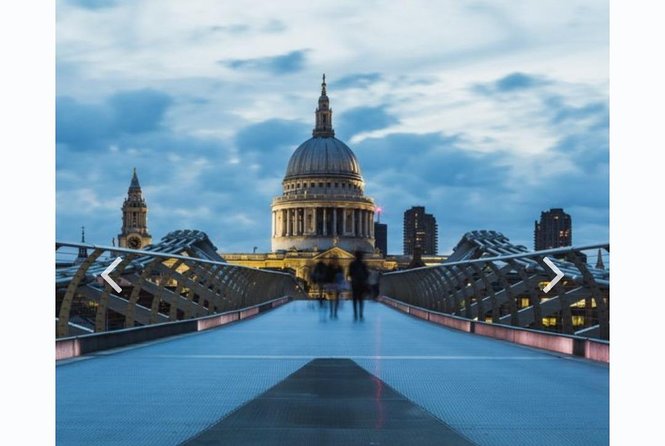
Then you move to London Bridge, walking the historic bridge for about 10 minutes, with admission ticket free noted for this segment.
London Bridge is one of those places where the modern view can make it hard to imagine the past. That is where a good guide earns their money. The narration focuses on the bridge’s past and its connection to London’s larger turning points.
After the bridge segment, the tour adds the Great Fire of London story, going a bit deeper into why that event reshaped the city. This part helps you understand the relationship between disasters, rebuilding, and the physical look of London.
Why I like this placement in the route: it comes after you have already seen markets and theater, so your brain is ready to accept that dramatic moments can sit right next to everyday streets. It also prepares you for the next area, where you get to see views that underline London’s power centers.
Roman-Era Details and Other Hard-to-Spot Clues Along the Way
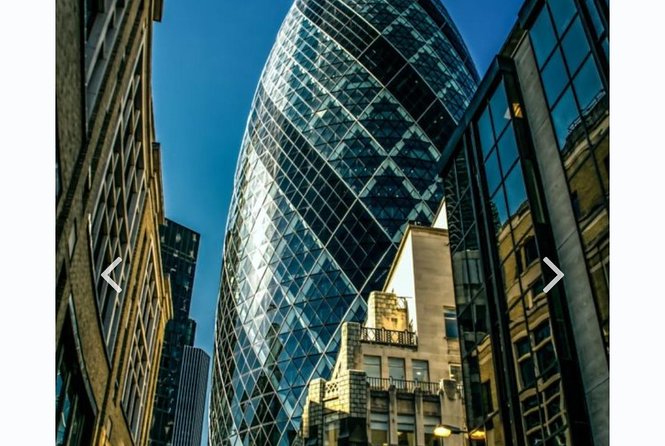
One review highlights the Roman wall moment as especially fascinating. That detail is exactly the kind of thing that makes a guided backstreet tour worthwhile.
When you walk independently, it is easy to miss those “blink and you miss it” fragments that quietly signal older layers. A guide can point them out and place them in context with what you see around you now.
You should expect moments like this to show up at street level. You might notice small sections, lines of stonework, or structural remnants that do not look dramatic at first glance. Then, once the guide connects the dots, the whole street starts to feel like an archive.
So if you enjoy history but you do not want a rigid museum schedule, these quick street clues are a big win.
Tower Bridge and Tower of London Views, Then Toward Brick Lane and Whitechapel
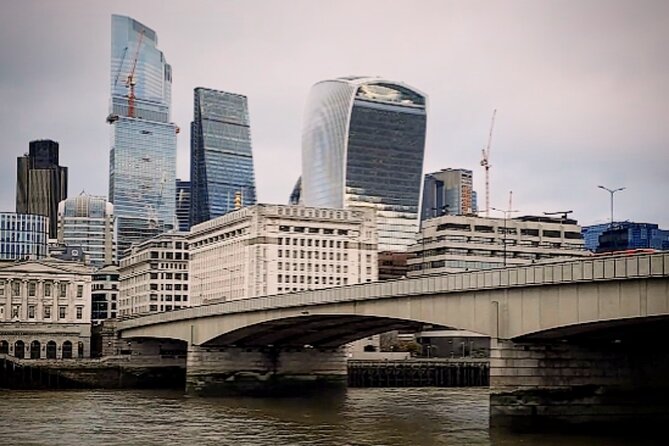
The final stretch aims for strong views around Tower Bridge and the Tower of London area. The plan mentions great views and then a short walk that connects onward toward London Bridge, Brick Lane, and Whitechapel.
Even if you do not enter any paid sites during the tour, that finish zone is smart. Tower Hill is a major geography marker, and the Tower Bridge lines give you a sense of how the Thames shapes movement and power.
This ending also makes it practical for the rest of your day. You finish near Tower Hill Station, right by the Tower of London, so you are positioned to:
- head to other nearby sights,
- grab a meal around the east side streets,
- or connect to public transportation without adding extra backtracking.
The tour time is about 1 to 2 hours, so you are not committing a full half-day. But it still leaves enough daylight energy for whatever you want to add next.
What the Guide Role Adds (and Why Small Groups Matter)
The experience is built around the guide. A professional narrator gives you the missing context, and the group format means you are not stuck listening with zero chance to ask follow-ups.
One thing that comes through strongly is that the guide does more than facts. The tour style includes practical suggestions for restaurants and other activities, which is useful if you are trying to eat well without spending time researching from scratch.
With max 12 travelers, you also get a better chance to actually hear answers. In big groups, questions can vanish into the crowd. Here, it is more like a moving conversation.
If you like history but you also like personal service, this is the sweet spot.
Who This Tour Suits Best
This is ideal if you want:
- a history-forward walk that still feels like you are moving through real London,
- market time plus major landmark views,
- and a guide who can answer questions as the route unfolds.
It also suits people who are short on time. At roughly 1 to 2 hours, you can fit it early in the trip to get your bearings, then build your own plan from there.
A couple of people might prefer a different format if:
- you strongly dislike walking tours,
- you need long seated stops,
- or you only want indoor attractions.
But if you enjoy streets, bridges, and story-driven orientation, you will likely find this tour’s pacing just right.
Should You Book This London Past and Present Tour?
I would book it if you want a guided route that helps you understand London fast. The combination of St Paul’s orientation, Shakespeare’s Globe site, Borough Market, Leadenhall Market, London Bridge, the Great Fire story, and then Tower Bridge and Tower of London views creates a tight loop of “history plus everyday life.”
I would think twice if you are mostly interested in ticketed attractions and you prefer to explore on your own with no guiding narration. Since several segments note free admission, you are paying mainly for the storytelling and route guidance, not for a stack of paid entries.
If you do book, pick comfortable shoes and plan to stay flexible. This is one of those experiences where the best moments are the ones you notice while walking, especially the smaller historical clues a guide points out.
FAQ
How long is the London Past & Present Backstreet Historical Tour?
It runs about 1 to 2 hours.
What is the tour price?
The price is $94.61 per person.
Where does the tour start and end?
It starts at 1 Cheapside, London EC2V 6AA, UK and ends by the Tower of London next to Tower Hill Station.
What is included in the tour?
The tour includes a tour guide.
Is the tour ticket mobile?
Yes, you receive a mobile ticket.
Is the tour offered in English?
Yes, it is offered in English.
How big is the group?
The tour has a maximum of 12 travelers.
Is gratuity included?
No, gratuity is not included.
Are any admissions free during the tour?
Some stops list admission ticket free, including the Shakespeare’s Globe Theatre site, Borough Market, and the London Bridge segment.
Can I cancel for a full refund?
Yes, you can cancel up to 24 hours in advance for a full refund. If you cancel less than 24 hours before the start time, the amount paid is not refunded.
Is the tour near public transportation and accessible for most people?
It is near public transportation, and most travelers can participate. Service animals are allowed.
More Historical Tours in London

More Tours in London

More Tour Reviews in London
Not for you? Here's more nearby things to do in London we have reviewed


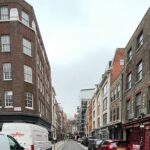


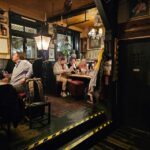

More London City Tours worth a look.
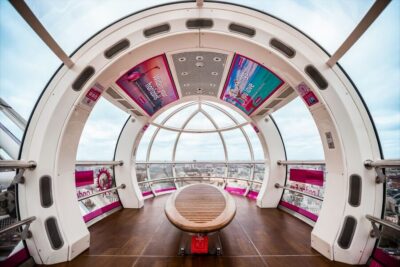 ★ 4.6The London Eye Entry TicketTickets from $3935,875 guest reviews
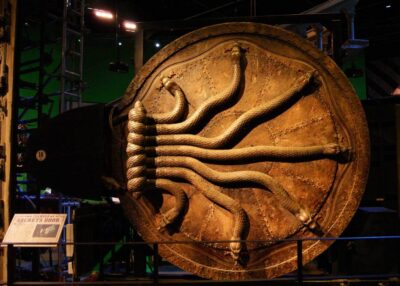 ★ 4.7From London: Harry Potter Warner Bros Studio TourTickets from $11726,588 guest reviews
Westminster to Greenwich River Thames CruiseTickets from $2222,836 guest reviews
Magical London: Harry Potter Guided Walking TourTickets from $2022,044 guest reviews
 ★ 4.6Madame Tussauds LondonTickets from $3620,915 guest reviews
 ★ 4.5Stonehenge, Windsor Castle, and Bath from LondonTickets from $11118,662 guest reviews
 ★ 4.7Warner Bros. Studio Tour with TransfersTickets from $14417,586 guest reviews
 ★ 4.7Tower Bridge Entry TicketTickets from $2115,560 guest reviews
Continue by place or experience