
REVIEW · LONDON CITY TOURS
London: Natural History Museum Guided Tour
Dinosaurs and Pompeii in one museum loop. This Natural History Museum London tour links big science with weirdly human stories, from Iguanodon teeth to the chilling Pompeii casts. You’ll also get a guided route through a building packed with about 80 million specimens, so you are not stuck wandering for hours.
I love how the tour spotlights standout objects, like the Dodo skeleton and the first edition of On the Origin of Species, then explains what they mean in plain language. I also like that the guides aim for both the fun moments and the big picture, which shows in how they handle families and mixed ages.
One consideration: there is a small amount of walking and strict bag rules, so wear comfy shoes and travel light. Security at museums can also create lines even with skip-the-line entry, so build in a bit of buffer.
Key Highlights You’ll Actually Care About
- Skip-the-ticket-line entry so you start seeing the best rooms faster
- Iguanodon teeth fossils, Dodo skeleton, and first edition items on the must-see list
- Archaeopteryx display that connects dinosaurs to birds in a visual way
- Pompeii casts and the darker side of history, explained with context
- A small group format (up to 8 people) that keeps the guide from rushing you
- A pro art historian guide style that helps you read the museum, not just look at objects
Why This Natural History Museum Tour Fits a Short London Trip
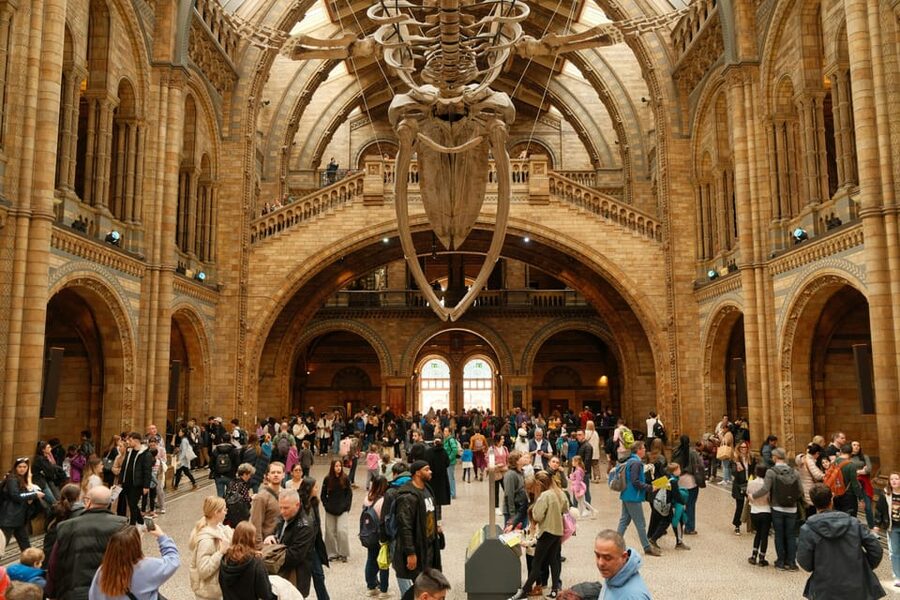
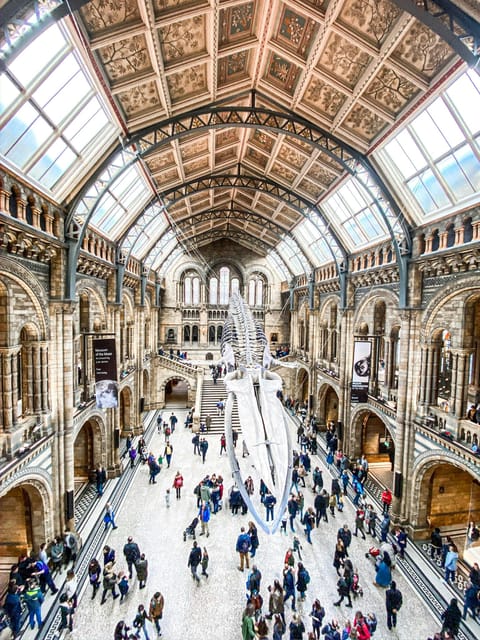
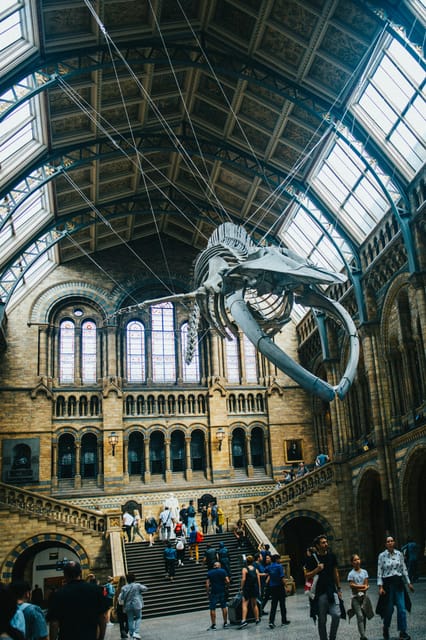
The Natural History Museum is one of those places that looks simple from the outside and feels impossible once you step inside. This tour helps you sort the museum’s chaos into a clear timeline, from earth’s earliest days to the dawn of humans. In 2.5 hours, you get the highlights that most people miss when they go solo.
I like tours that teach you how to see, not just what to see. Here, the guide uses a professional art historian approach, which matters because museum displays are built on choices, labels, and careful storytelling. The result is that you leave with better understanding of what you just stood in front of.
The tour also hits a rare combo: natural science plus artifacts that feel almost like a horror movie prop, like the Pompeii casts and skull drinking-cup history. If you like learning that has texture, not just dates, you’ll probably enjoy the mix.
You can also read our reviews of more guided tours in London

Getting Your Bearings: 80 Million Specimens, One Sensible Route
Inside the museum, there is so much material that it can feel like you need a plan just to move. The tour’s structure is built around navigation, so you spend less time trying to find your next room and more time looking closely at the objects. You also get introduced to characters like Sophie the Stegosaurus, which helps your brain latch onto the collection instead of treating it like random glass cases.
Expect a guided walk through the galleries with a theme, not a checklist. You’ll be tracing the story of life over time while the guide points out why certain specimens matter. That framing is what makes the museum feel less like a maze and more like a coherent exhibit.
Also, manage your expectations on time and space. This is a museum building with security checks and occasional lines, even with skip-the-line entry. A little walking is included, so don’t wear brand-new shoes.
Dinosaur Starters: Iguanodon Teeth Fossils and Sophie the Stegosaurus
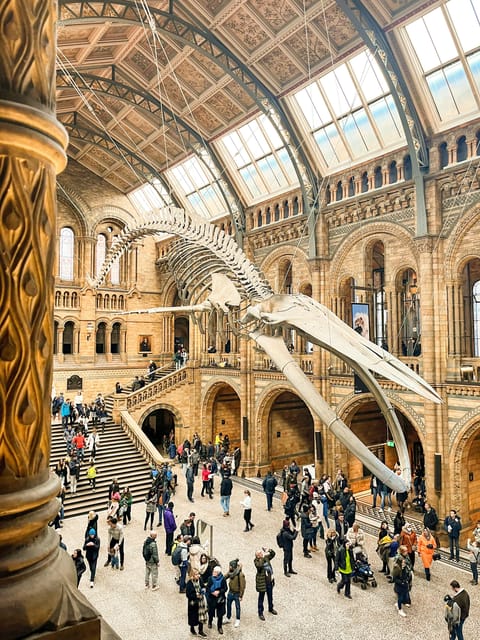
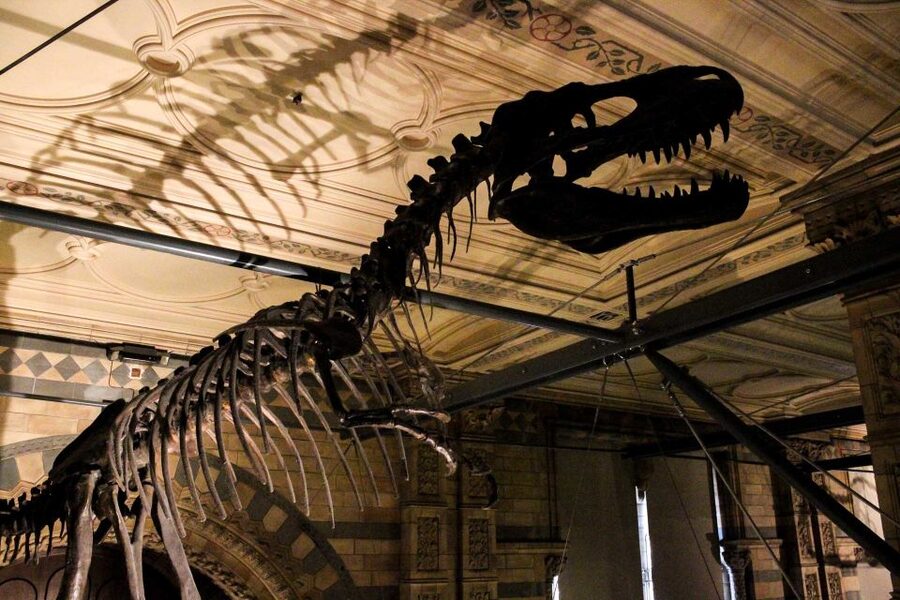
If your inner kid wants dinosaurs, this tour gives you the fast hit. You will see Iguanodon teeth fossils, a reminder that paleontology often starts with small clues that survive where bones do not. It is a good stop for understanding how scientists build conclusions from fragmentary evidence.
Then you connect that clue-thinking to bigger personalities in the galleries, including Sophie the Stegosaurus. “Character” is the right word here because the museum often turns skeletons into recognizable icons. When the guide ties these mounts to evolution and survival over time, the dinosaur displays stop feeling like dinosaurs and start feeling like a chapter in a longer story.
One practical upside for families: the guides are reported to keep energy up without turning the content into a joke. For example, guides such as Ivo and Guy V. have been praised for pulling kids into the learning, including patiently answering lots of questions. If you are traveling with teens or younger kids who get restless, that matters.
Birds, Fossils, and the Archaeopteryx Moment
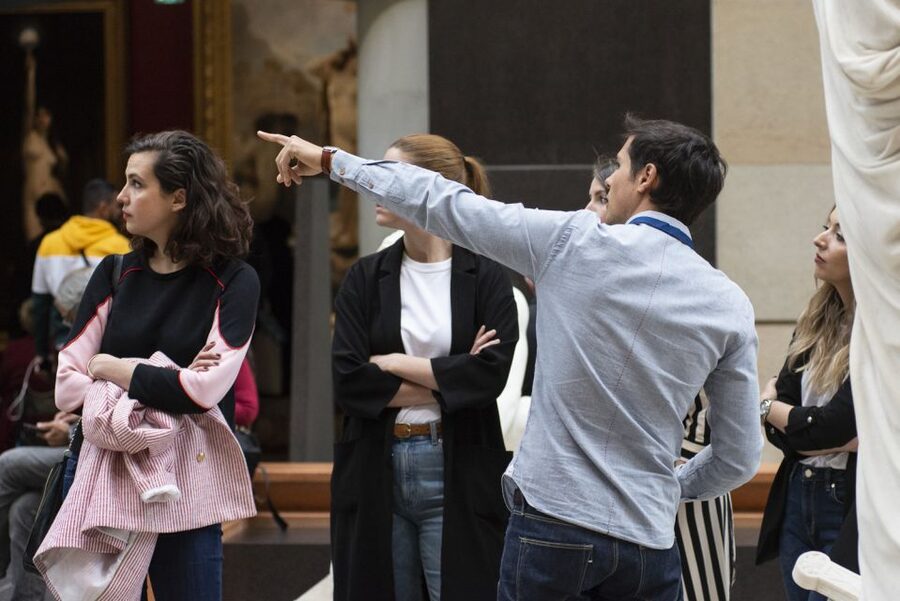
The tour’s dinosaur to birds connection is built around a rare star: Archaeopteryx. The guide presents it as the alleged missing link between dinosaurs and birds, and that wording fits how people often describe it in museums and textbooks.
What you will like about this stop is the way it changes how you look at “bird” displays in your own life. Once you’ve seen the fossil evidence in context, feathers, wings, and skeleton structure start to feel like clues, not just features. It is a simple shift, but it is the kind that makes your memory stick.
If you’re hoping for a one-two punch of science and emotion, this is where it can happen. Archaeopteryx is visually compelling, and the guide’s job is to connect it back to the bigger “how life changes” storyline. That turns the fossil into an explanation, not a random specimen behind glass.
Evolution in Plain Sight: Dodo Skeleton and On the Origin of Species
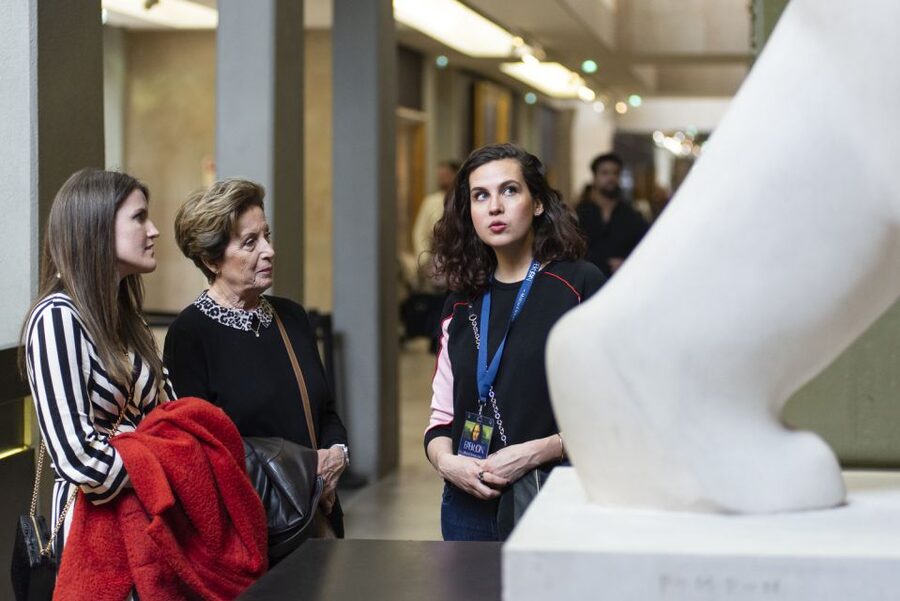
The Dodo stop is one of the most emotionally effective parts of the tour. You get close to a Dodo skeleton, and the guide uses that moment to talk about life changing, extinction pressures, and how humans fit into the natural world story. Even if you already know the Dodo is famous, seeing the skeleton with a guide’s framing tends to make it hit harder.
Then you get to the intellectual powerhouse: the first edition of On the Origin of Species. You are not just looking at a historic book, you are seeing how ideas became tools for understanding the natural world. A first edition also gives you that rare feeling of standing near an original artifact, not just a modern reproduction.
I like that this portion doesn’t treat evolution as a lecture topic. It is presented as an interpretive lens for the entire museum experience you just went through. If you want your tour to feel like a story with momentum, this is where it clicks.
You can also read our reviews of more historical tours in London



The Museum’s Oddballs: Cursed Amethyst and Giant Sequoia Slice
Not every museum moment needs to be “educational.” The Natural History Museum also leans into objects that feel spooky, dramatic, or just plain impressive.
You’ll see the Cursed Amethyst, a name that tells you the guide has room to talk about how museums build myths around objects. Even if you do not buy into the myth part, it is a useful way to understand how people react to rare stones and why certain items become famous.
You’ll also see an enormous slice of a Giant Sequoia tree. This is where scale helps you understand time. When you are staring at a chunk of an ancient tree, “millions of years” stops being a phrase and starts being a physical presence.
These stops also work well if your group has mixed interests. Someone who wants dinosaurs has the science. Someone who loves art and objects gets the display logic and storytelling. Someone who just wants to look at something jaw-dropping gets the amethyst legend and the sequoia size.
Pompeii Casts: Chilling History With Context
The tour turns sharply when it reaches the Pompeii casts. You’ll see casts of victims from the volcanic disaster at Pompeii, and the guide connects the visual impact to what people learned and recorded from that event.
This stop can be emotionally heavy, and that is exactly why it matters. It is a reminder that museums are not only about nature. They also store human history, and sometimes the objects are difficult on purpose, because that is part of the lesson.
You will also encounter the topic of civilizations that used human skulls as drinking glasses. That is a strange subject, and the guide’s role is to keep it grounded in context rather than turning it into shock value. If you are traveling with kids, you might want to prepare them for “spooky facts” rather than pretend it will be all cute dinosaurs.
The value here is balance. The tour does not just give you a scary moment, it uses that moment to help you think about how societies interpreted death, bodies, and status.
How the Guides Shape the Whole Experience
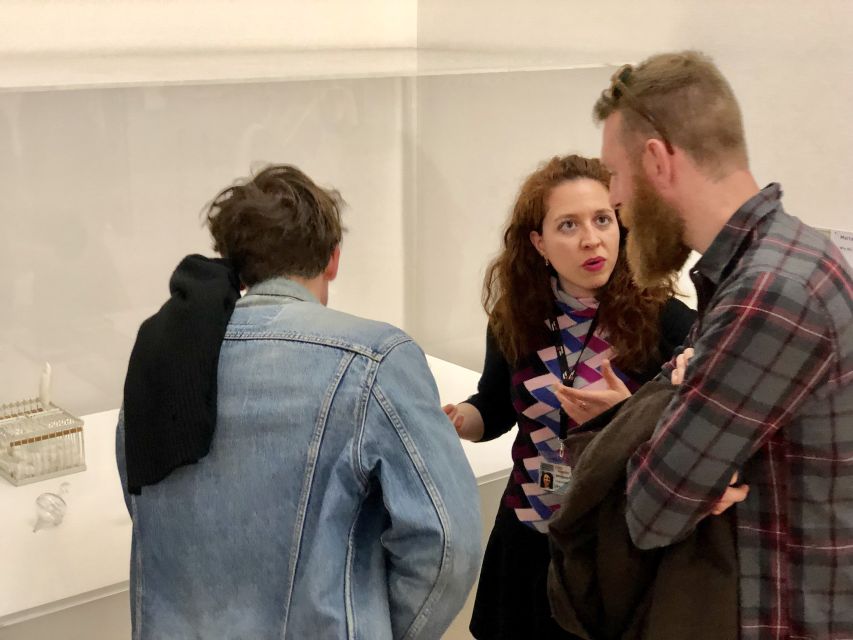
In a museum this big, a guide can be the difference between a highlight reel and a blur. Based on the guide styles used on this tour, I would plan on a lively, organized experience where the guide helps you keep your bearings and makes explanations feel manageable.
Guides like Ivo and Matilda have been praised for pacing and for pulling kids into the tour without losing the adults. Guy V. has been noted for handling questions calmly and giving clear, comprehensive answers. Laurence and Sacha have been described as making the time fly, with a calm approach that keeps attention on the key objects.
English is the tour language. In one example, Luis was noted for speaking English clearly, and also for being able to handle Spanish if needed. If you are not a native English speaker, this is still a good option because the tour is built around guided looking and explained context, not dense reading.
If you want the best chance of a great match, show up with questions in mind. Ask about how a fossil clue changes the story, or how museums decide what gets displayed front and center.
Group Size, Walking, and the Small Practical Stuff That Matters
This tour runs either as a private experience or a small group option with a maximum of 8 guests. There is also a minimum group requirement of 2 for group tours to run, otherwise you get an alternative date or a full refund.
That small size matters more than it sounds. You can ask follow-up questions, the guide can slow down when you pause at an artifact, and the tour feels like a guided stroll instead of a moving crowd.
Bring a passport or ID card, because the tour asks for it. Avoid luggage or large bags. Museum security allows only handbags or small thin bag packs through security, so pack light and simple.
Wear shoes you trust. There is a small amount of walking involved, and you will feel it if you’re in stiff or slippery footwear. Also, even with skip-the-line access, security can still create lines because many London attractions use increased checks.
Price and Value: Is $112 for 2.5 Hours Worth It?
At $112 per person for 2.5 hours, this is not a bargain-basement option. But it is also not paying for “just entry.” You are buying a guided route through the best rooms, plus expert interpretation of the standout specimens and objects.
Here is the value logic I’d use when deciding:
- Skip-the-ticket-line entry saves time in a museum where timing can get annoying.
- A professional guide helps you connect fossils, evolution ideas, and human-history objects into one story.
- Small groups up to 8 mean you actually get attention, not just a microphone tour.
- Highlights are specific, including Iguanodon teeth, Pompeii casts, Dodo skeleton, Archaeopteryx, and the first edition of On the Origin of Species.
If your alternative is doing the museum on your own, you can absolutely see these items. The difference is that without a guide, you may not hit them in the most efficient way, and you might miss the “why this matters” explanations. That is what you are paying for.
Who This Tour Suits Best (And Who Might Prefer Something Else)
This tour is a strong fit for families, especially if you want dinosaurs plus real history. The guides are described as good at involving kids, handling questions, and keeping interest up for multiple ages.
It is also a good match for science-curious adults who like museum interpretation. If you want to see fossils and evolution references without turning it into a college seminar, the guided approach is built for that.
If you dislike walking and strict bag limits, you might want to reconsider. The tour is listed as not suitable for wheelchair users, but wheelchair tours are available upon request only as a private tour. If that applies to you, ask directly for the private wheelchair option before booking.
If you are the type who hates guided structure and wants total freedom, you might prefer self-guided wandering. This tour is designed to be efficient and highlight-driven, not open-ended.
Should You Book the Natural History Museum Guided Tour?
I’d book it if you want your time in the museum to feel like a curated story, not a scavenger hunt. The specific highlight mix makes it work even if you already know a few museum-famous names, because the guide adds context and connects the dots between specimens and ideas.
I would skip it if you want a slow, purely independent day, or if strict security and packing rules are a major problem for you. Also, if you have very limited mobility and you cannot do the private wheelchair option, plan differently.
One last tip for your decision: if you are traveling on a tight schedule, this is exactly the kind of guided plan that prevents “we spent half the day stuck in lines and still missed the best rooms.” In 2.5 hours, you get a lot of impact.
FAQ
How long is the London Natural History Museum guided tour?
The tour lasts 2.5 hours.
Is this a private tour or a group tour?
It can be private or a small group tour. Group tours have a maximum of 8 guests, and they require at least 2 guests to run.
Does the tour include skip-the-line entry?
Yes, skip the ticket line is included, though some lines may still form due to security measures.
Where do I meet the guide?
The meeting point may vary depending on the option you book.
What do I need to bring with me?
Bring a passport or ID card.
Are luggage or large bags allowed?
No. Luggage or large bags are not allowed in the museum. Only handbags or small thin bag packs are allowed through security.
Is the tour wheelchair accessible?
The tour is listed as not suitable for wheelchair users, but wheelchair tours are available upon request only and only as a private tour.
Is free cancellation available?
Yes. You can cancel up to 24 hours in advance for a full refund. If the museum opening is delayed by more than 1 hour from the tour starting time, an alternative may be provided and a refund cannot be offered.
More Guided Tours in London


More Tours in London

More Tour Reviews in London

Not for you? Here's more nearby things to do in London we have reviewed









More London City Tours worth a look.
 ★ 4.6The London Eye Entry TicketTickets from $3935,875 guest reviews
 ★ 4.7From London: Harry Potter Warner Bros Studio TourTickets from $11726,588 guest reviews
Westminster to Greenwich River Thames CruiseTickets from $2222,836 guest reviews
Magical London: Harry Potter Guided Walking TourTickets from $2022,044 guest reviews
★ 4.7From London: Harry Potter Warner Bros Studio TourTickets from $11726,588 guest reviews
Westminster to Greenwich River Thames CruiseTickets from $2222,836 guest reviews
Magical London: Harry Potter Guided Walking TourTickets from $2022,044 guest reviews
 ★ 4.6Madame Tussauds LondonTickets from $3620,915 guest reviews
 ★ 4.5Stonehenge, Windsor Castle, and Bath from LondonTickets from $11118,662 guest reviews
 ★ 4.7Warner Bros. Studio Tour with TransfersTickets from $14417,586 guest reviews
 ★ 4.7Tower Bridge Entry TicketTickets from $2115,560 guest reviews
Continue by place or experience