
REVIEW · LONDON CITY TOURS
London Must-See Attractions Walking Tour with a Guide
Westminster hits hard in just three hours. I like how this walk lines up the big-name landmarks you expect, plus the connective streets that make London feel real, not staged. You get Westminster sights with a local guide who can steer the pace, including a private option that can be customized. One thing to plan for: it is a lot of ground in a short time, so comfortable shoes matter, and you will be sharing sidewalks with crowds.
If you want the highlights without the guesswork, this is a smart way to start your trip. You will meet near the Mahatma Gandhi statue by Parliament Square, get guided commentary along the way, and finish near Buckingham Palace. A possible drawback is that entrances to attractions are not included, so you are mostly looking from the outside unless you decide to add stops on your own.
Key things to know before you go
- Meet by the Mahatma Gandhi statue in Parliament Square, which keeps the whole route easy to follow
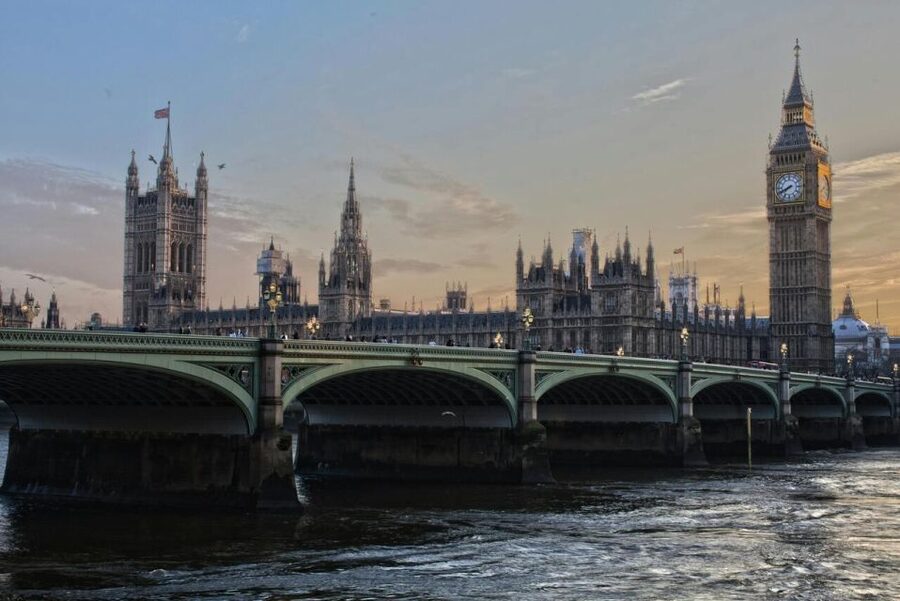
- Big Ben, the Thames, and Houses of Parliament come in a tight, well-timed run
- A glimpse at Downing Street and time for the Cenotaph pause, so it is not all photo stops
- You get “what to do next” advice from your guide, which is often the real value of a tour
- Private group and customization are available, if you choose that option
- Wheelchair accessible, so the walk plan can work for more people than most “must-see” tours
Why This 3-Hour London Walk Makes Sense
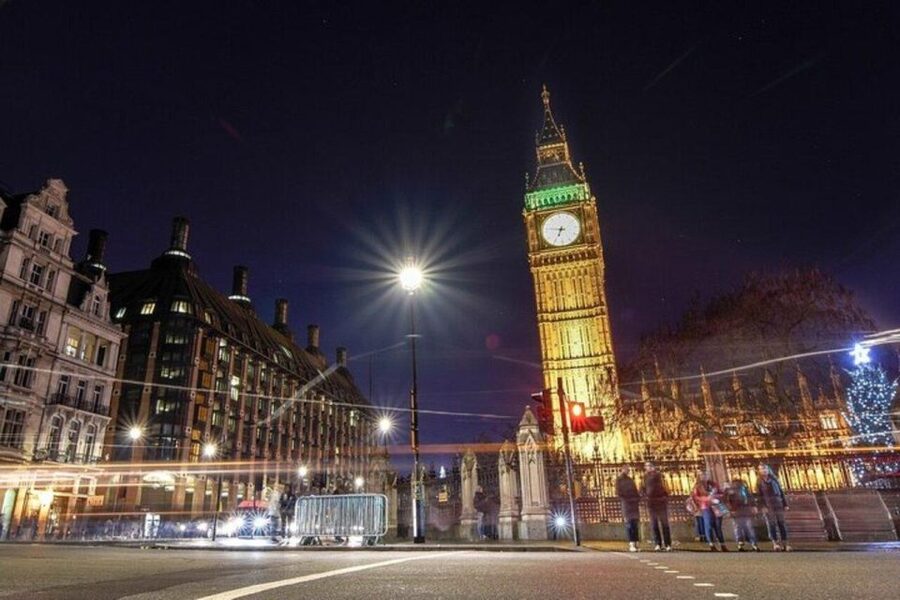
This is a London orientation tour in walking form. In 3 hours, you see the central cluster of sights around Westminster, then keep rolling through government streets, memorial moments, and the royal and theatre-adjacent areas. If London feels like a blur when you arrive, this route gives it shape.
I also like that the tour is built for people who want value. At $65 per person, you are paying for live guidance plus the planning to connect multiple areas without you having to map everything yourself. You are not just collecting landmarks, you are getting commentary that helps you read what you are looking at.
The best part is how the guide can adjust. When guides such as Hélène adapt to a family’s pace, and Carla is described as prepared and helpful, the takeaway is clear: you are not stuck in a rigid script. Lucia is noted for guiding for the full 3 hours with a good flow, which matters on a walk like this.
You can also read our reviews of more walking tours in London



Starting at Parliament Square, and Why the Route Starts There
You begin near the Mahatma Gandhi statue close to Parliament Square, and that choice is practical. Parliament Square is the kind of place where it is easy to orient yourself, and you can usually find the meeting spot without stress.
From the first moments, your guide sets expectations: what you will see, what you should look for, and how long each area likely deserves. That matters because this route moves. If you try to “just stroll” on your own, you often lose time at the wrong places. A guided start helps you keep the tour tight.
Also, because the tour includes walking with public transport as needed, you are not locked into a single, all-on-foot route. That can help you cover more ground without turning it into a marathon.
Big Ben to the River Thames: Photos Plus Context
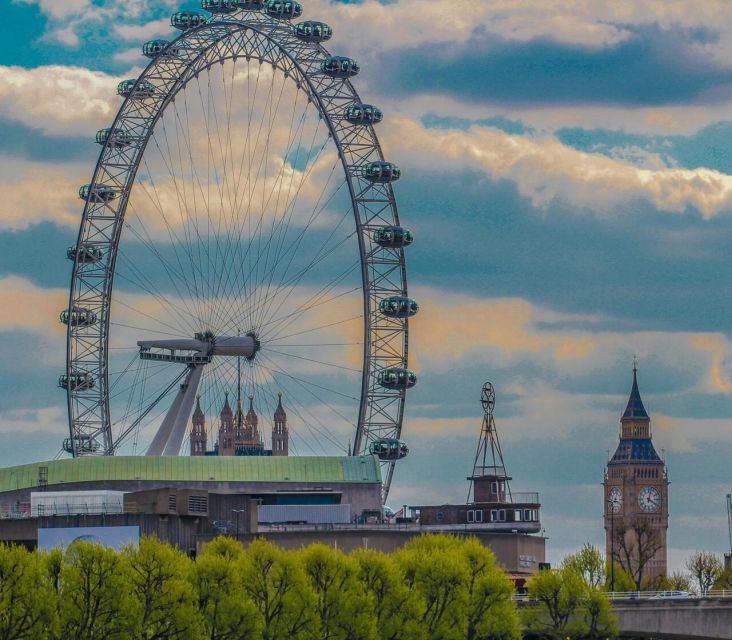
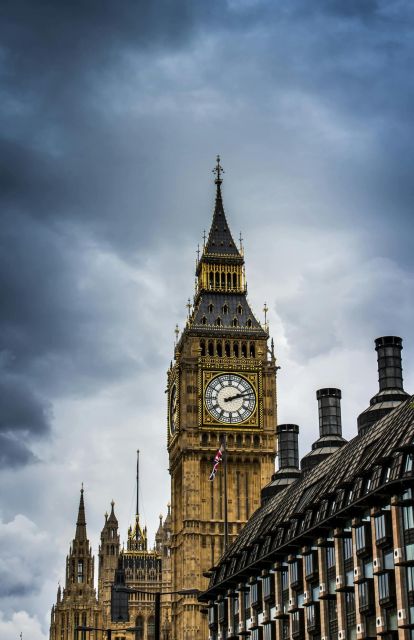
Right after you launch from the Parliament Square area, you head toward Big Ben and the Houses of Parliament. These are the sights most first-timers want, but the reason they work here is the transition. You are not jumping randomly from one icon to the next. Your guide threads the route so you understand how the skyline and street grid relate.
At Big Ben, expect a guided moment that helps you see the site as part of the larger complex. Then you move to the River Thames for a stroll along the riverbanks. A walk by the water changes the rhythm of the tour. It gives your eyes a break from stone façades and lets London’s scale sink in.
One practical tip: if you have limited energy, this is a place to stand, look, and let the guide do the explanation while you rest. The river section is where you can take in views without needing to “keep up” every second.
Houses of Parliament and Parliament Square: Learning the Meaning of the Statues
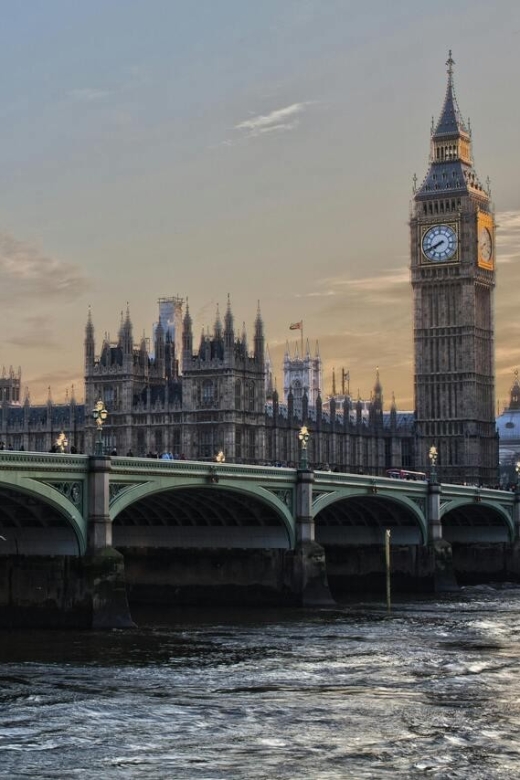
After the river comes the political centre. You will see the grand sweep of the Houses of Parliament, then stop into Parliament Square itself. Parliament Square is where the tour becomes more than scenery, because you will encounter statues tied to themes of democracy and liberty.
This kind of stop is valuable because it turns a postcard landmark into something you can discuss. Without a guide, you might notice the statues but miss why they are there or what they represent. With a guide, you get a quick framework you can carry into the rest of London.
The only caution is time. With a 3-hour window and a long list of sights, you get guided stops, not long museum-style sessions. If you want extended time for reading placards, you may need to come back later on your own.
Down Whitehall, Past the Cenotaph: A Moment of Stillness

Next you head down Whitehall, passing famous government buildings. This stretch is a classic London “power corridor,” and it helps you see the city’s structure from street level, not just from across a square.
Then comes the Cenotaph, a national memorial to the fallen. This stop breaks up the usual sightseeing rush. Even if you are only there briefly, it changes the tone of the tour, and it gives you a chance to slow down.
For many people, the Cenotaph is the emotional anchor of a Westminster walk. It is also the kind of place where staying respectful matters more than taking photos. If you are traveling with kids or with anyone who needs a softer pace, this is a good moment to regroup.
You can also read our reviews of more guided tours in London


Downing Street Glimpse and Horse Guards Parade: The Theatre of Official London
You will glimpse 10 Downing Street, the Prime Minister’s residence. This is one of those places that people either love because it feels surreal, or find a bit underwhelming because you cannot exactly tour it. In this tour, the value is the guided framing, not access.
Right after that you pass by Horse Guards Parade at Whitehall. That adds a ceremonial feel to the day. Even if you do not catch a performance, you get the atmosphere of the area and a better sense of how official London looks and works in real life.
If you are the type who likes to photograph gates and guard viewpoints, bring your best camera settings, but also remember that this is an active public area. Expect people, barriers, and occasional slowdowns.
Westminster Abbey: When a Landmark Becomes a Timeline
No Westminster walk feels complete without Westminster Abbey. Here, you will visit the area with a guide explanation tied to a specific fact: it is where every monarch has been crowned for nearly a millennium.
That detail matters. It gives the stop a sense of depth that you cannot get from a quick look. You start to see Westminster Abbey not as just a large church, but as a long-running stage in England’s story.
Again, entrances are not included, so treat this as a guided viewing and orientation moment. If you want to go inside, you would need to plan that separately.
Trafalgar Square to Nelson’s Column: Big Public Space Energy
From Admiralty Arch, you reach Trafalgar Square. The tour description calls Trafalgar Square magnificent, and that is the right word. It is wide open, built for gatherings, and easy to grasp from the centre.
You then learn about Admiral Nelson at Nelson’s Column. This is another spot where the guide can do the heavy lifting. You are not just looking up at a tall monument. You are hearing the story that connects it to the wider London map.
A quick practical note: Trafalgar Square can be crowded, and that can slow the movement of groups. If your tour time overlaps a busy period, expect a bit more standing around. The upside is that this is a great place for a guide to explain while you pause.
National Gallery and Cecil Court: A Breather for Your Inner Art Lover

After Nelson’s Column, the tour includes a stop around the National Gallery. Even though entrance is not included, this is still useful. You get a sense of the building’s role and you can decide on the spot whether you want to return for an art visit later.
Then you move through Cecil Court, which helps shift the tour from “grand monuments” to “London street character.” These are the areas where you start noticing different types of storefronts, side streets, and the city’s smaller-scale vibe.
If you tend to get museum fatigue, this sequence works because it offers a lighter feel between major landmarks.
Covent Garden and Leicester Square: Culture and City Noise, in the Right Order
Next up, the walk turns toward Covent Garden and Leicester Square. The tour framing highlights Covent Garden’s unique cultural offerings, and Leicester Square’s lively atmosphere. That order is smart. Covent Garden gives you a creative, wandering-feel break before Leicester Square pushes the pace again.
This part of the day is also where your guide’s advice can save you money and time. If you ask what is worth visiting next, guides often point out which areas are best at different times of day, or which stops fit your interests.
If you are traveling with anyone who gets overwhelmed by crowds, you can use this section as a “short break” moment. Spend time where you want, then rejoin the group quickly when you feel overstimulated.
The Women of World War II and Piccadilly Circus: Shifting Tone on Purpose
The route includes The Women of World War II, which adds a memorial stop that changes the mood. It is a reminder that London’s landmarks are not only about royalty and politics. They also reflect service, sacrifice, and national memory.
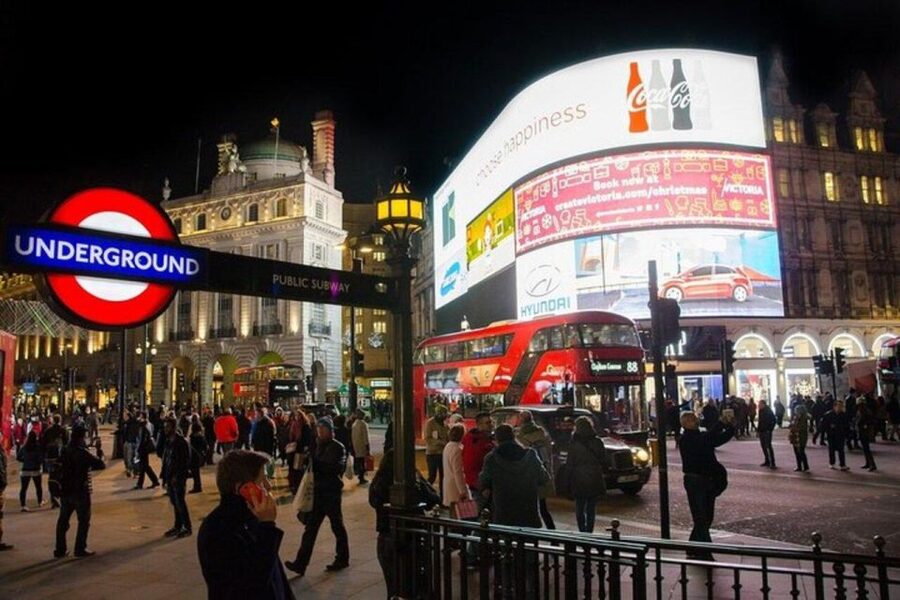
Then you reach Piccadilly Circus, one of London’s most recognizable intersections. The contrast is the point. You go from reflection to street energy, which keeps the tour from feeling flat.
If you are planning a longer day, this is also a practical moment to decide whether you want to do additional attractions that require tickets. Since attraction entrances are not part of the price, you can treat this tour as the guided map, then choose what to pay for next.
Green Park, Spencer House, and The Mall: The Royal Route Feel
After Piccadilly Circus, the walk moves into Green Park, then passes Spencer House and The Mall. This stretch is where the route starts feeling more ceremonial and open. Even without going into buildings, you get that “approach” feeling that makes Buckingham Palace meaningful when you finally see it.
This section is also where your shoes get tested. Parks and wide promenades can be pleasant, but they can also feel long if the day is hot or if you are carrying extra bags. Pace yourself. Use your guide’s info as you walk rather than stopping for every photo.
Buckingham Palace and the Final Loop Back Toward Parliament Square
You end at the magnificent Buckingham Palace, the official residence of the Queen. This is a classic destination, and in a guided format, it becomes more than a sight. You arrive with enough context that it feels like part of the day, not a random finish line.
After Buckingham Palace, the route continues through areas like Chinatown and Saint James’s, then you return toward Parliament Square. That final loop is handy because it reduces the need for you to figure out your exit. You get dropped back into an area where it is easier to continue your trip by transit or on foot.
Price and Value: Is $65 a Good Deal?
For a 3-hour guided London walking tour at $65 per person, the price feels fair if you want structure and explanation. You are paying for three things:
- A live guide who can connect the landmarks into a story
- A route that keeps you moving through multiple areas in limited time
- Public transport support included as part of the tour format
What you are not paying for is entrance fees and meals. Since entrance to attractions and drink or food are not included, you may want to budget for an optional stop at a café or bring water. Also, if you want to go inside Westminster Abbey or any museum, that will be separate.
If you enjoy planning and want maximum control, you could build a DIY route. But if you want a clean starting day with fewer decisions, this tour usually earns its cost.
Who This Tour Is Best For (and Who Might Want a Different Plan)
This tour fits best if you want a “greatest hits” day without spending your time reading maps. It is also a good match for first-timers who want a local guide to help with next steps. The guide’s advice is a big part of the value, especially when you are deciding what to book later.
It is also a smart choice for families, since guides like Hélène are noted for adapting to a family’s needs. That kind of flexibility matters when kids have shorter attention spans.
I would choose a different format if your group wants long museum visits or deep ticketed attraction time. This walk gives you landmark context, but it does not replace admission-based experiences.
Should You Book This London Must-See Attractions Walking Tour?
Book it if you want a guided, efficient introduction to Westminster and the surrounding “royal and central” zones, with time for the memorial and statue moments that make the trip feel meaningful. It is a good value when you price in the guide and the help connecting the sights.
Skip or consider another option if you dislike tight schedules or if your main goal is to enter attractions for extended stays. Since entrance fees and food are not included, you will need to plan those add-ons yourself.
If you are deciding today, my suggestion is simple: choose this tour as your Day 1 framework. Then use your guide’s advice and the areas you liked most to build the rest of your London days.
FAQ
Where do I meet the guide?
You meet your guide near the Mahatma Gandhi statue in the Parliament Square area.
How long is the tour?
The tour lasts 3 hours.
What is the price per person?
The price is $65 per person.
What sights are included in the walking route?
The route includes Big Ben, the River Thames, the Houses of Parliament, Parliament Square, Whitehall, the Cenotaph, 10 Downing Street, Westminster Abbey, Trafalgar Square, Nelson’s Column, Covent Garden, Leicester Square, Piccadilly Circus, Green Park, The Mall, Buckingham Palace, Chinatown, and Saint James’s.
Is entrance to attractions included?
No. Entrance to attractions is not included.
What languages are available and is it wheelchair accessible?
The tour guide is available in English, Spanish, Italian, and French, and the tour is wheelchair accessible.
Is private or customizable service available?
Private group options are available, and the tour can be customized if you select the private option.
Is there free cancellation?
Yes, you can cancel up to 24 hours in advance for a full refund.
More Walking Tours in London

More Tours in London


More Tour Reviews in London

Not for you? Here's more nearby things to do in London we have reviewed






More London City Tours worth a look.
 ★ 4.6The London Eye Entry TicketTickets from $3935,875 guest reviews
 ★ 4.7From London: Harry Potter Warner Bros Studio TourTickets from $11726,588 guest reviews
Westminster to Greenwich River Thames CruiseTickets from $2222,836 guest reviews
Magical London: Harry Potter Guided Walking TourTickets from $2022,044 guest reviews
 ★ 4.6Madame Tussauds LondonTickets from $3620,915 guest reviews
 ★ 4.5Stonehenge, Windsor Castle, and Bath from LondonTickets from $11118,662 guest reviews
 ★ 4.7Warner Bros. Studio Tour with TransfersTickets from $14417,586 guest reviews
 ★ 4.7Tower Bridge Entry TicketTickets from $2115,560 guest reviews