
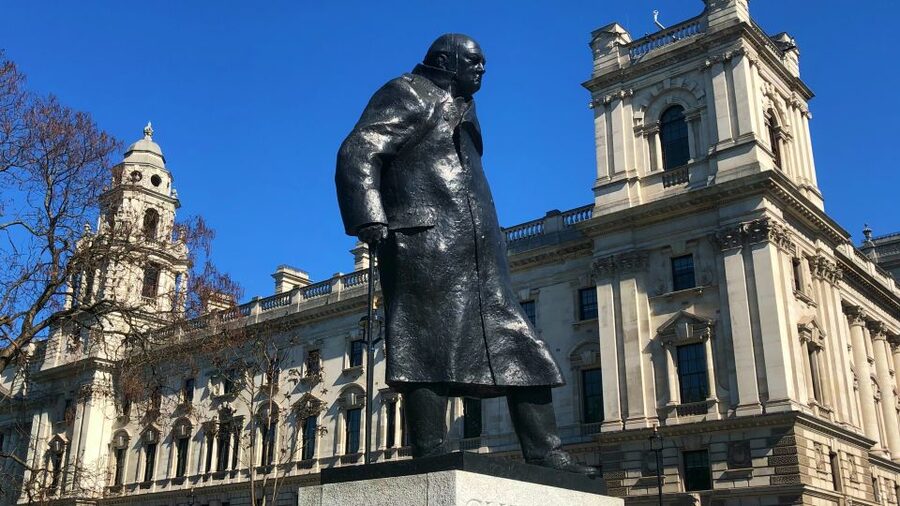
REVIEW · CHURCHILL WAR ROOMS TOURS
London: London in WW2 and Churchill War Rooms Entrance
Westminster turns into a wartime stage. I love how this London in WW2 walk makes famous monuments feel personal, not postcard-flat, and it gives you real Churchill context as you move through the key landmarks. I also like the hassle-free entrance to Churchill’s War Rooms, so you are not stuck hunting tickets after the walking part.
The main thing to weigh is that the War Rooms portion is mostly self-paced with an audio guide, and it can get busy inside, so seeing every exhibit up close can be harder at peak times.
Key highlights you should care about
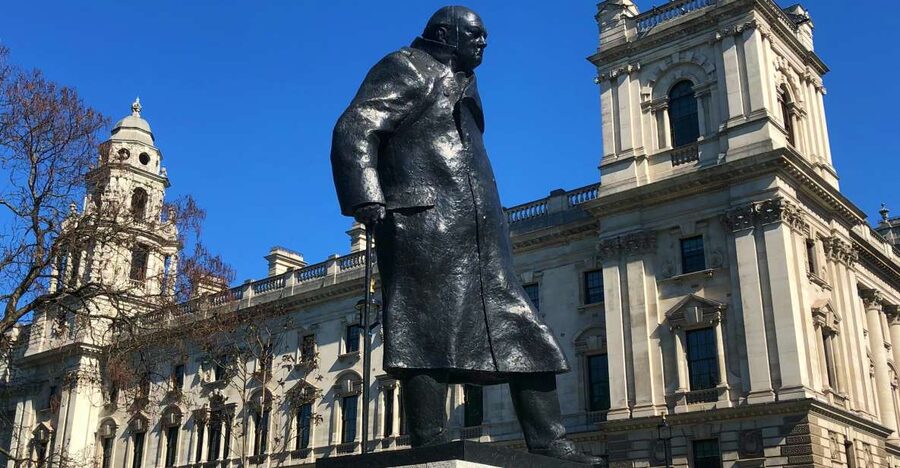
- Keep Calm and Carry On storytelling along Westminster’s wartime landmarks, from politics to daily survival
- Small groups (15 or fewer), which helps you hear your guide and ask questions
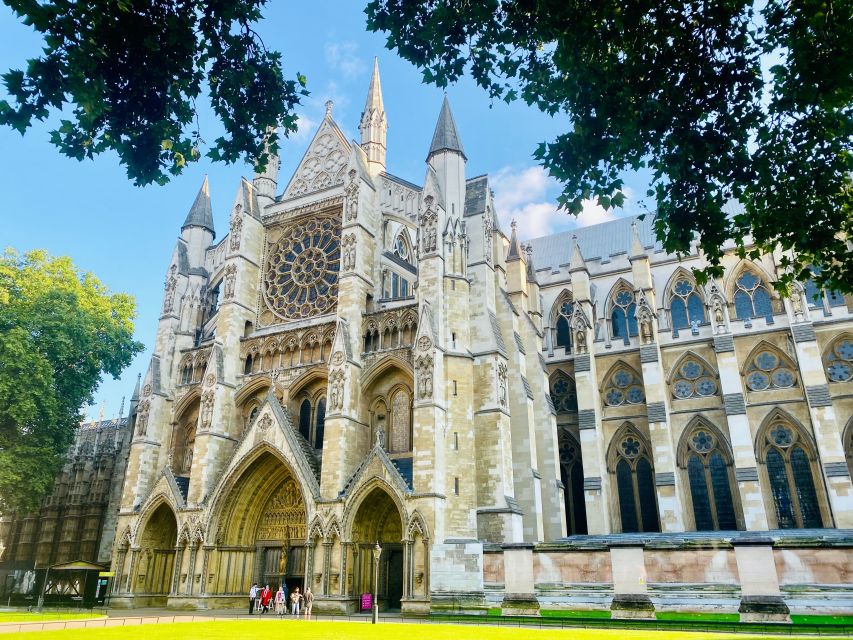
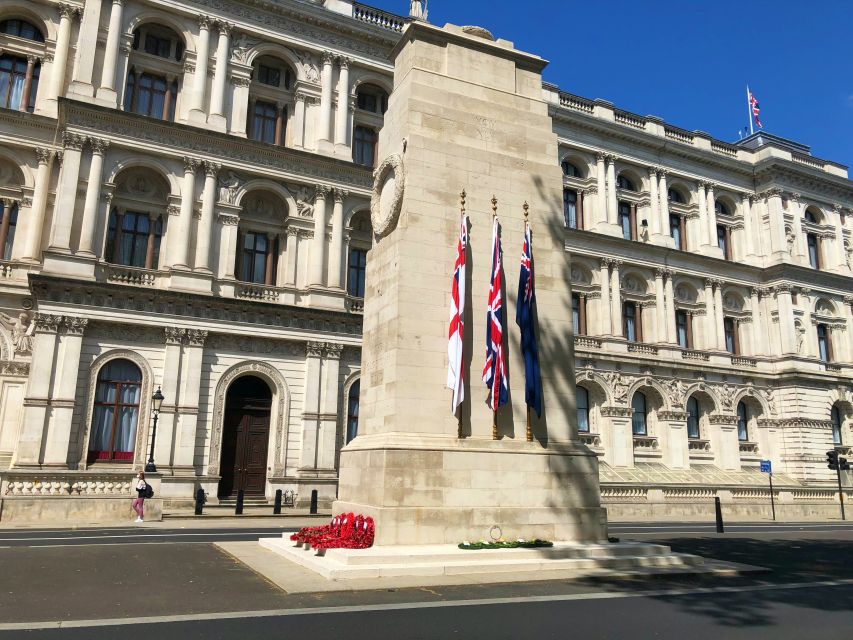
- Guided walk past Parliament, Westminster Abbey, the Cenotaph, Ministry of War, 10 Downing Street, and Whitehall
- Skip straight into Churchill’s War Rooms with audio support for the bunker experience
- Guides with strong narration and humor, including names like Nathan, Babs, Richard, Jeremy, Paul, and Peter
Westminster in WW2, where the landmarks suddenly have stakes
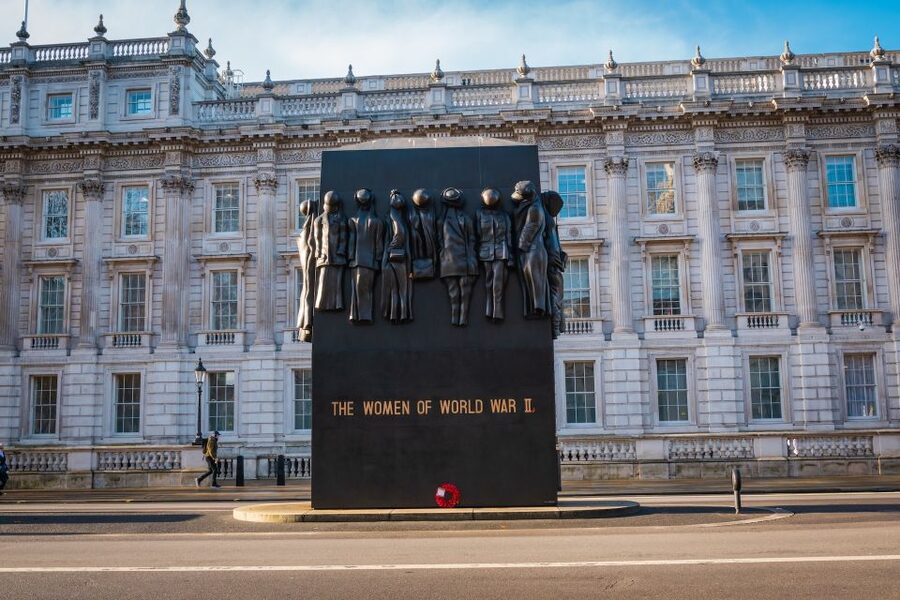
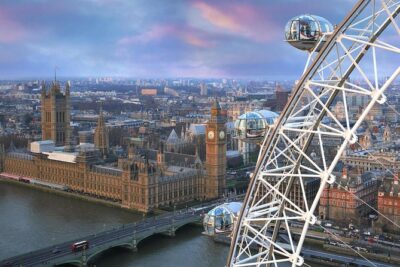
London in WW2 is not just a theme for this tour. It is a lens that changes how you read the city. You start in the Westminster area, where government buildings and memorials sit a few minutes apart, and your guide keeps tying what you see to what was happening in the 1940s. The result is that Big Ben, Parliament, and the surrounding streets stop feeling like scenery and start feeling like a place people depended on.
You will also feel the emotional rhythm of wartime Britain through the way the tour is framed. Air raid sirens, bombings coming under cover of darkness, rations and restrictions, and the heavy cost of service abroad all get woven into the walk. That context matters because Westminster is where the decisions were made, and the War Rooms are where those decisions were processed in the most literal sense. Even if you already know the headlines, this tour helps you connect the dots between policy, public morale, and survival.
One practical note: this is a walking tour. You get around on foot at a steady pace, so comfortable shoes are not optional.
You can also read our reviews of more tours and experiences in London.

The 3-hour flow: Westminster walk first, War Rooms second
The timing works well for a focused visit. You will spend the morning or afternoon (depending on the start time you choose) moving through key Westminster sites, then you shift into Churchill’s War Rooms where you continue at your own pace.
That order is smart. In the walking portion, your guide gives you a storyline, so when you descend into the bunker, the rooms do not feel like random corridors. You have names, roles, and stakes in your head already. Then, in the War Rooms, the audio guide helps you slow down and connect the physical space to what was happening behind the scenes.
The tour duration is listed as 3 hours total. In real life, that means you get enough time to absorb the main messages, but not so much that you lose the thread. If you want to linger for every photo, you might have to compromise a bit, especially during peak seasons.
Meeting point at Westminster Station, then straight into the WWII mood
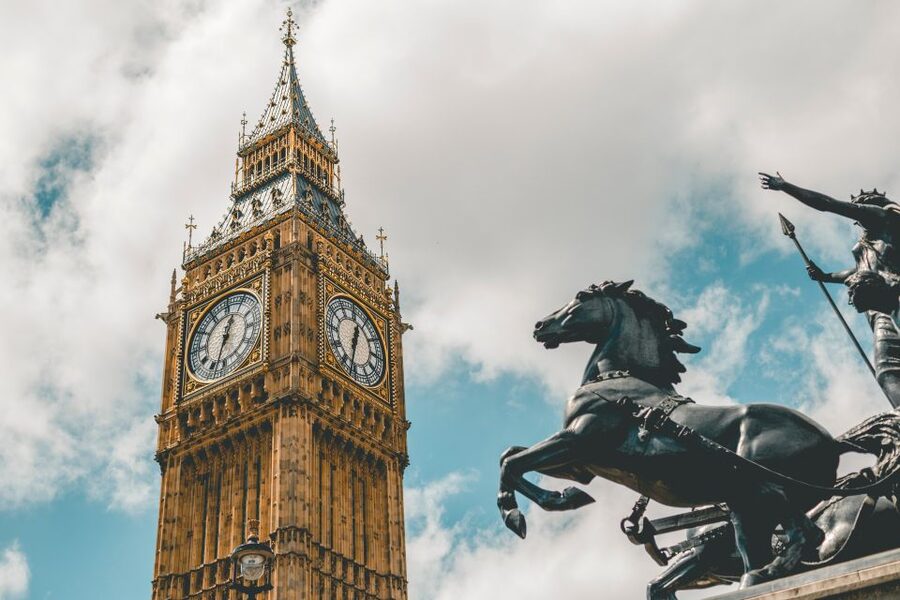
You meet your guide outside Westminster Station by the Boadicea and Her Daughters Statue, Exit 2. The meeting spot is described clearly: go up to street level near Victoria Embankment and look for an Urban Saunters orange tour sign held by your guide.
This matters because Westminster is easy to wander in the wrong direction if you arrive late or without orientation. Having a precise meeting location helps you start smoothly, and smooth starts usually lead to better tour energy.
Also, bring what the tour asks for. The experience runs rain or shine. A small umbrella and water go a long way, because you will be outside for the walking portion.
Parliament and the Abbey, seeing government like a civilian in wartime
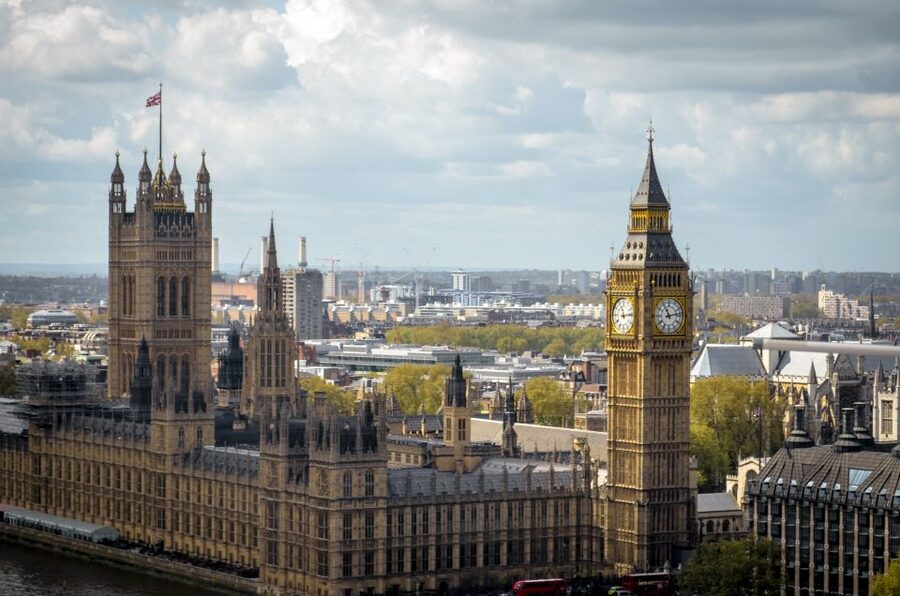
During the walking part, you pass major landmarks that most visitors rush through. Here, each one gets tied to the war context and what it represented to people at the time.
- Houses of Parliament and the parliamentary area: this is where the weight of decision-making lives. Your guide uses the setting to explain the tension between leadership, public pressure, and the relentless pressure of events overseas.
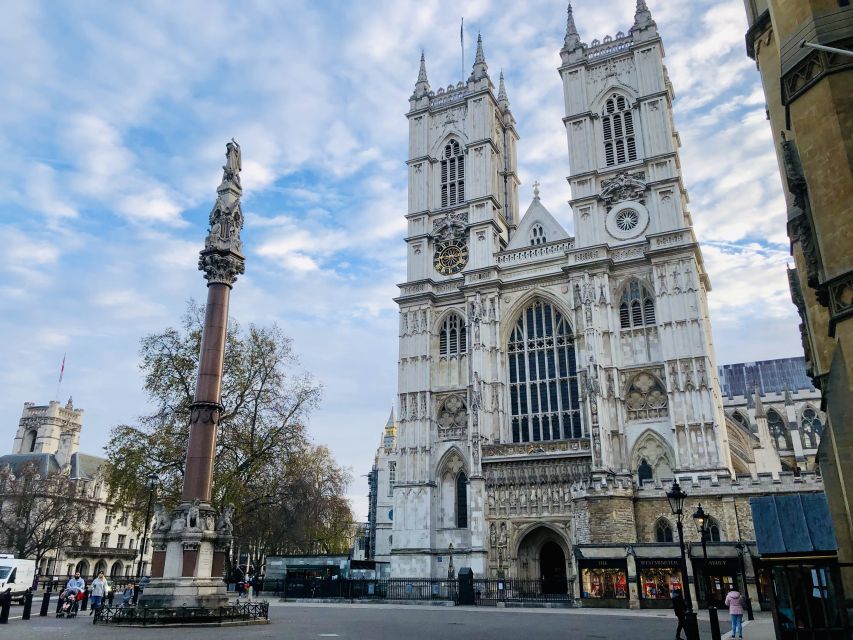
- Westminster Abbey: even if you only associate the Abbey with ceremonies and royal history, it sits in a part of the city that still mattered hugely during the war era. Your guide helps you see the wartime meaning in a place you might otherwise treat as purely symbolic.
- Big Ben area: your guide points out the change in how the soundscape worked, and that detail lands. It makes you think about how daily life shifted under bombing threats and the routine of alarms.
What I like about this approach is that it avoids a museum-only vibe. It uses the fact that Westminster is still Westminster. You are not in a sealed room, you are in the center of power, and the city itself becomes part of the lesson.
Cenotaph, Ministry of War, 10 Downing Street, Whitehall
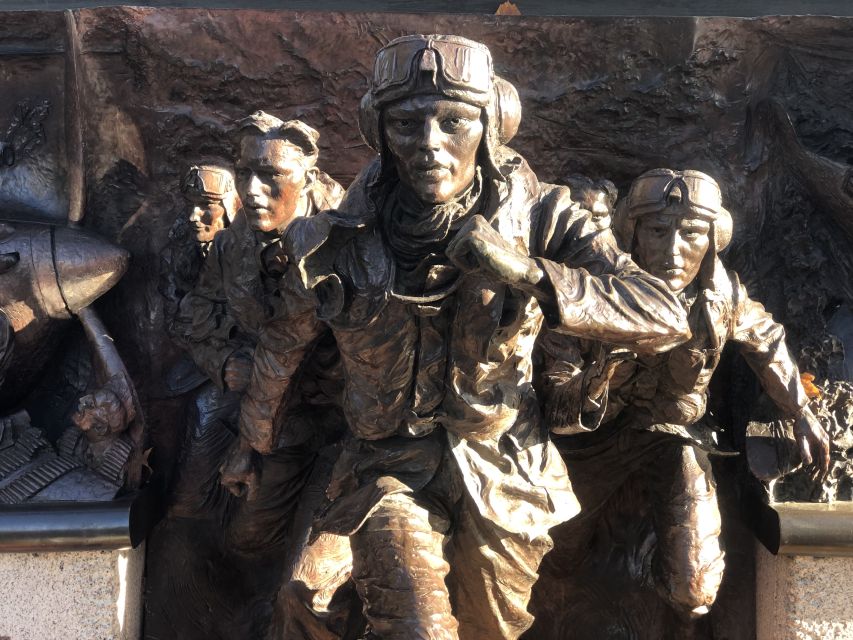
This part of the tour is where the storyline gets grounded. The tour focuses on the monuments and official sites that connect leadership to sacrifice.
The Cenotaph is one of those locations where the meaning is already there for you, but your guide helps you connect the symbolism to what the war was asking of families and communities. It is not just a memorial stop. It is a reminder that the war’s costs were not abstract.
You also pass the Ministry of War area and Whitehall, where lots of the government machinery clustered. Even if you do not know every department by name, the way the guide frames the buildings makes it easier to understand how wartime coordination worked.
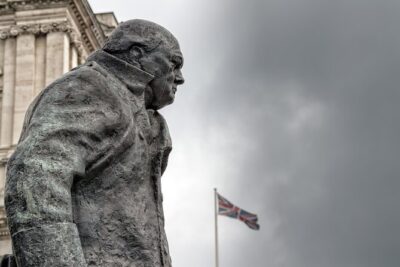
Then there is 10 Downing Street, the iconic address that represents political command. It is a short stop for most visitors, but in this tour it becomes part of a wider explanation of Churchill’s role and Britain’s resolve. That is where Churchill-focused storytelling turns into something you can feel, not just something you recite from a book.






Churchill War Rooms entrance: what you get, and how to get the most
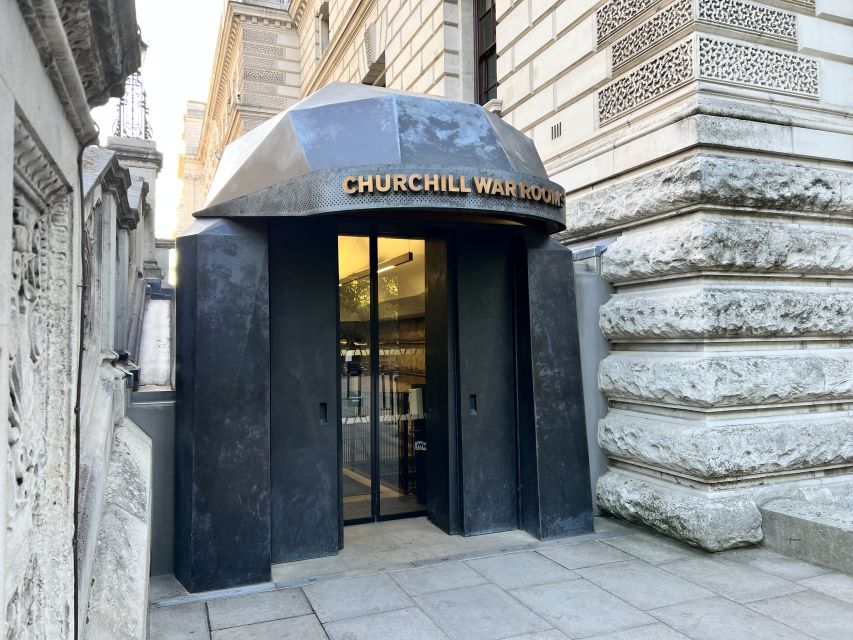
The second half is where the tour earns its name. You get entrance to Churchill’s War Rooms, and inside you use an audio guide.
That is a strong combination: guided context outside, then self-paced interpretation underground. It is also why the tour can fit neatly into a 3-hour window without exhausting you. You are not forced to listen continuously from start to finish underground.
Here is the trade-off. Since the War Rooms are audio-guided, you rely on your pace and the crowd level. One of the clearest notes from guide-adjacent feedback is that the bunker area can get crowded, and when that happens, you may struggle to study exhibits carefully.
My practical advice is simple: plan to move with purpose. Do not try to read everything at once. Pick a few rooms or themes you care about, use the audio to connect the dots, then circle back if you have time. You will get more from the experience that way, and you will feel less rushed.
Guides make or break this one, and the best names are loud about it
This tour’s high rating makes sense because the guide is doing heavy lifting. The walking portion is only as good as the narration, and the War Rooms connection depends on how well your guide sets the stage.
Across the guide names mentioned in bookings and comments, a few patterns repeat:
- Nathan is praised for story flow and humor, and for getting the group to stay engaged through dense WWII details.
- Babs shows up again and again in feedback, often described as enthusiastic, passionate, and fun to listen to, with a talent for bringing Churchill’s story to life.
- Richard, Jeremy, Paul, and Peter are also credited for clarity, strong presentation, and making it feel like you can ask questions and get thoughtful answers.
Even if your guide is someone else, you can expect the same overall goal: make the wartime setting understandable without turning it into a lecture.
If you want to maximize your guide time, come with one simple question in mind, like what surprised you most about how Westminster functioned during the blitz, or how Churchill’s decision-making process differed from peacetime politics. Your guide style will likely handle that well.
Price and value: why $96 can feel fair for this exact mix
At about $96 per person for a 3-hour experience, you are paying for two things at once: a guided Westminster walk and an included entrance to Churchill’s War Rooms.
A lot of London history tours split like this: either you get the city walk with a guide, or you get the paid museum or attraction time. Here, the value comes from coupling them. The guided Westminster portion sets context, and the War Rooms entrance plus audio guide gives you a second layer that you can explore at your pace.
Is it a budget tour? No. But the War Rooms admission itself is typically not cheap, and this tour wraps that cost into the package without forcing you to do your own ticket juggling on the day. If you want the Churchill component without spending your time coordinating logistics, the price can feel justified.
For best value, go when you are ready to commit to the full arc. If you only want quick photos, you will probably feel the cost more than you should.
Practical tips that make a real difference on the ground
This is a straightforward tour, but the details matter because you are walking in central London and then descending into a bunker setting.
Bring:
- Comfortable shoes (you will be on your feet for the walking portion)
- Umbrella (the tour runs rain or shine)
- Water and comfortable clothes
Plan for:
- Security screening before entering the War Rooms. This is normal, but it affects how early you should arrive at your meeting point.
- No strollers and no luggage or large bags. If you are traveling light, this is easy. If you are not, you will want to rethink what you bring.
Mobility note:
- The tour is listed as not suitable for people with mobility impairments and wheelchair users. That likely comes down to the walking route and the War Rooms descent.
Group size:
- Small groups of 15 people or fewer are part of the experience. You should be able to hear your guide better and keep the pace manageable.
Who should book this London WW2 and Churchill War Rooms tour?
You should book if you want a guided, emotionally grounded way to see Westminster during WWII, then switch to an audio-supported bunker visit without extra ticket stress.
It is a great fit for:
- WWII and Churchill fans, obviously
- People who like walking tours but want more than a quick stop at each landmark
- Families and mixed-age groups who benefit from a guide who can keep things engaging
- Anyone who wants to understand why Westminster mattered during the war, not just what it looks like now
It may not be your best match if you:
- Need step-free access or wheelchair compatibility
- Prefer a fully guided museum style tour throughout, instead of audio time inside the War Rooms
- Want lots of time for slow reading and long photo sessions at every room
Should you book it or skip it?
I would book it if you are visiting Westminster and you care about WWII context. The combination of a story-driven walking tour plus included access to Churchill’s War Rooms hits a sweet spot: you get meaning before you descend, then you get time to wander at your own pace underground.
Skip it only if you know you dislike audio-guided museum time, or if you cannot manage the walking and the War Rooms security and crowd potential. Otherwise, this is one of the more practical ways to experience Churchill’s London, because it keeps the focus where it belongs: the people, the decisions, and the pressure of wartime Britain.
FAQ
How long is the London in WW2 and Churchill War Rooms tour?
The duration is listed as 3 hours.
Where do I meet the guide?
Meet by the Boadicea and Her Daughters Statue outside Westminster Station, Exit 2. Your guide will be holding an Urban Saunters orange tour sign.
What landmarks will I see during the Westminster walk?
The tour highlights key monuments such as Houses of Parliament, Westminster Abbey, the Cenotaph, Ministry of War, 10 Downing Street, and Whitehall.
Is Churchill’s War Rooms entrance included?
Yes. Entrance to Churchill’s War Rooms is included, and you also receive an audio guide in the War Rooms.
What group size should I expect?
The tour is listed as small groups of 15 people or fewer.
What should I bring for the tour?
Bring comfortable shoes, an umbrella, water, and comfortable clothes.
Is food included?
No. Food and drinks are not included.
Is the tour suitable for wheelchair users or people with mobility impairments?
No. The tour is listed as not suitable for people with mobility impairments and wheelchair users.
Does the tour run in bad weather, and can I cancel for a refund?
It runs rain or shine, and you can cancel up to 24 hours in advance for a full refund.
More Tour Reviews in London
Not for you? Here's more nearby things to do in London we have reviewed









More Churchill War Rooms Tours worth a look.
 ★ 5.0Westminster 3 Hour Walking Tour and Visit of Churchill War RoomsTickets from $135967 guest reviews
 ★ 4.5WW2 London Walking Tour & Churchill War Rooms Entrance TicketTickets from $60933 guest reviews
 ★ 4.5Westminster WW2 Tour & Churchill’s War Rooms TicketTickets from $59925 guest reviews
 ★ 5.0London in WW2 Walking Tour with Churchill War Rooms VisitTickets from $104721 guest reviews
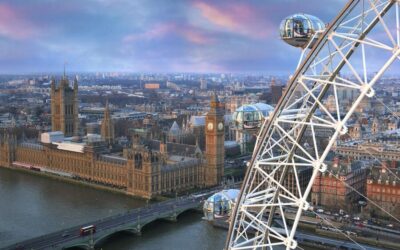 ★ 4.7Westminster Tour and Churchill War Rooms VisitTickets from $101371 guest reviews
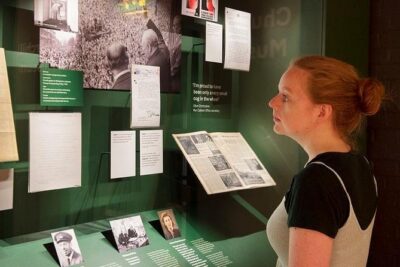 ★ 4.5Churchill War Rooms “Behind The Glass” and Private Car TourTickets from $1,410322 guest reviews
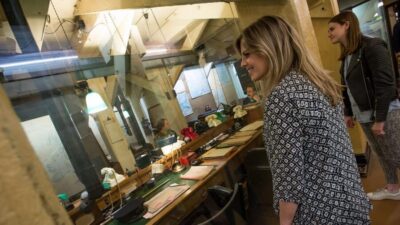 ★ 4.6Churchill War Rooms Ticket & Political London AudioTickets from $62224 guest reviews
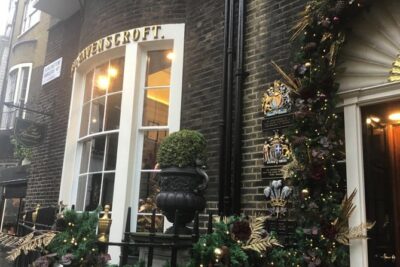 ★ 5.0Sir Winston Churchill Private Walking Tour & War RoomsTickets from $263130 guest reviews
Continue by place or experience