
REVIEW · WESTMINSTER TOURS
London: Westminster WW2 Tour & Churchill’s War Rooms Ticket
London’s underground command center is still eerie today. This Westminster WW2 tour mixes an above-ground walk through the seat of power with a ticket to Churchill’s War Rooms, preserved as it was when the lights went out in 1945. I like the way the story is set up on the street, with guides such as Paul and Michael earning standout praise for jokes, pace, and clear explanations.
Two things I especially like: first, you get the historical context while walking past 10 Downing Street, Parliament, and the national war memorial at the Cenotaph, so the bunker visit lands harder. Second, you get time in the War Rooms on your own with an audio guide, which makes it easy to linger over the rooms and objects that grab you most.
One drawback to consider: you are on your feet for the whole walking portion, and the War Rooms are underground and tight, so comfortable shoes matter, and this is not a good fit if you use a wheelchair or need step-free access.
Key things to know before you go
- Above-ground briefing first, then you switch into the bunker world with self-guided War Rooms time
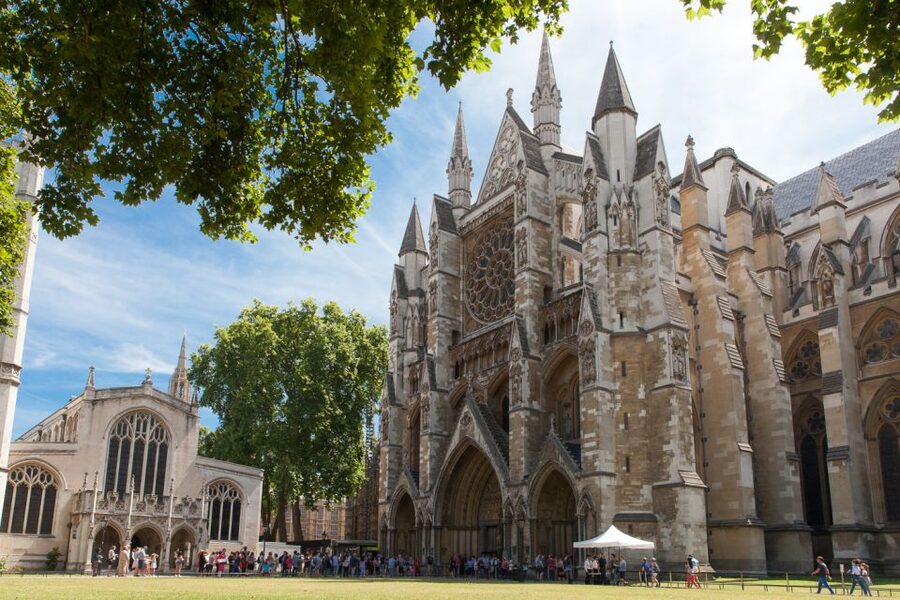
- 10 Downing Street, Parliament, Westminster Abbey area, and war memorial stops help you connect the dots fast
- Audio guide inside the War Rooms includes Churchill speeches and room-to-room facts
- Transatlantic Telephone Room and Churchill’s private wartime spaces show leadership and daily life side by side
- Headsets on the walk make it easier to hear your guide near traffic and crowds
- Underground atmosphere is real, with narrow corridors and preserved wartime details like the 1945 weather signs
Westminster in wartime, from Downing Street to the Cenotaph

This tour works because it teaches you the geography of power. Westminster was where Britain’s government ran, where leaders spoke to one another, and where the city felt the Blitz in full. Starting your story outdoors helps you understand why Churchill’s government needed an underground plan, not just patriotic speeches.
I like that the walk is designed to hit the symbolic places, not random streets. You’ll cover the kind of landmarks you’ve seen in photos your whole life, then your guide explains why they mattered during WWII and why Westminster took such a beating during bombing and blackout conditions.
If you’re the type who hates museum tours that start and stop without context, this approach is a win. You get a human story built from locations, then you step below ground where the human story gets mechanical and urgent.
More London tours and experiences for the shortlist

Meeting outside Westminster Station, then walking with headsets
You meet your guide outside Westminster Station. From there, you’re set up for an hour of walking through the Westminster WW2 sites, with headsets included so you can actually hear the guide. This matters in London, where traffic noise and crowd chatter can turn a history tour into guesswork.
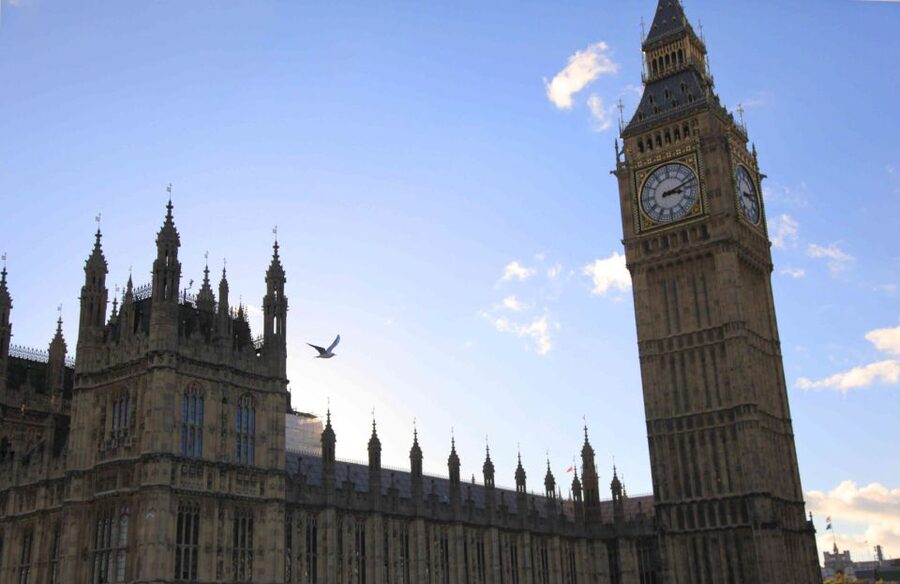
The pacing is also smart. Instead of marching from stop to stop with no time to process, the group hits a series of major locations and photo pauses. Expect to spend short moments at spots like Big Ben and the Houses of Parliament, then keep moving so you arrive at the War Rooms ready to pay attention.
Practical tip: wear shoes you can walk in for a solid stretch. Even though the total tour time is listed as 2.5 hours, the feet time adds up because the outdoor portion is continuous and the underground portion is stair and corridor heavy.
Big Ben and Parliament: why the city’s center mattered in WWII
The tour’s first landmarks help you anchor the politics. Big Ben is the quick photo stop, but the point is what surrounds it: the government district where decisions were made and then had to survive the pressure of bombing campaigns.
When you reach the Houses of Parliament, your guide connects the building’s role to the broader wartime reality: London was not just a backdrop. It was the place where wartime strategy turned into policy, and where people had to keep functioning under air raids and fear.
This is where a good guide earns their pay. In the best versions of this tour, your guide doesn’t just name the landmark. They explain how Westminster shaped the response to wartime threats, including the way London became a magnet for displaced leaders and European governments.
Westminster Abbey area, Downing Street door, and exile-era Europe
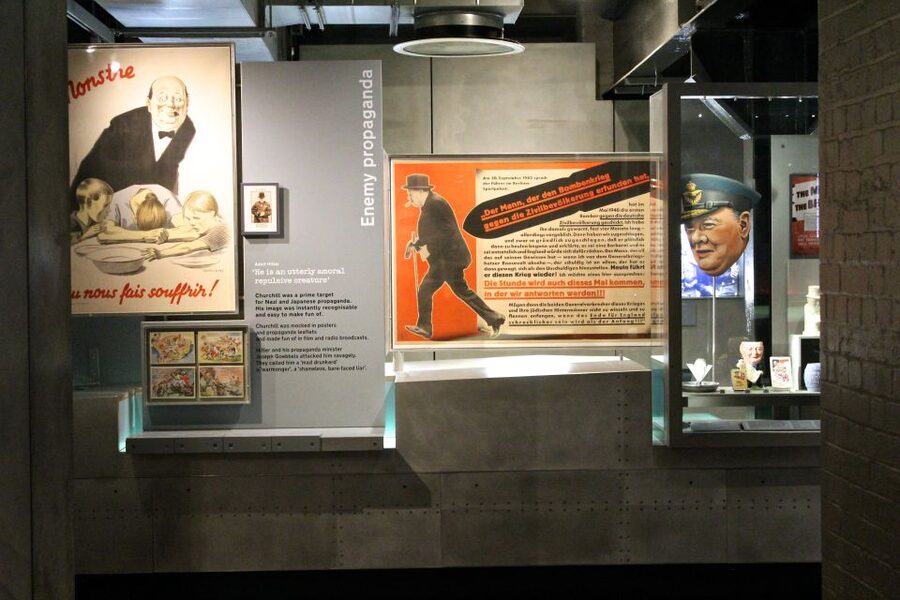
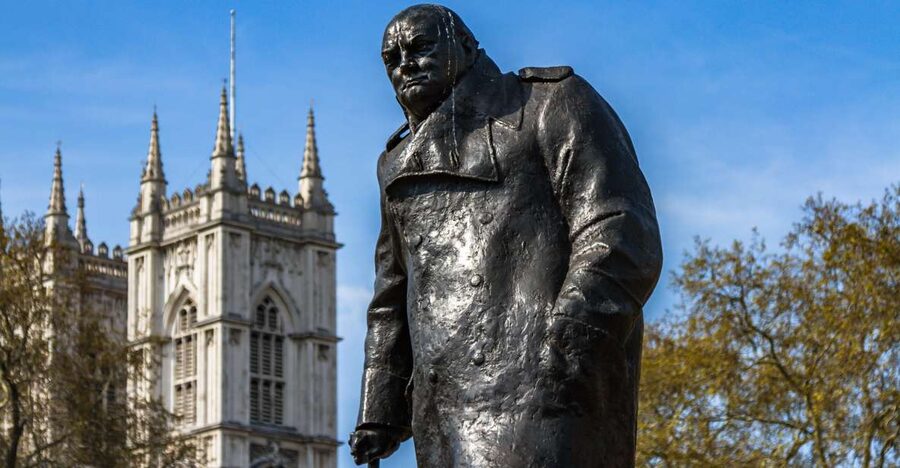
One of the most interesting parts of the walking portion is how it expands beyond Churchill. You learn that Westminster was home to underground and undercover bases, and that the area was closely tied to governments and monarchs forced into exile in London as Europe was overtaken.
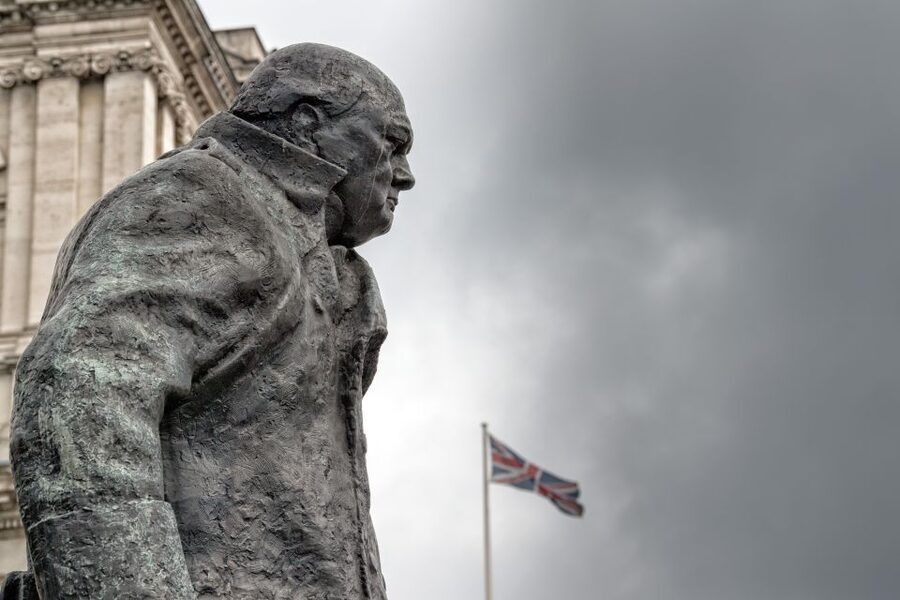
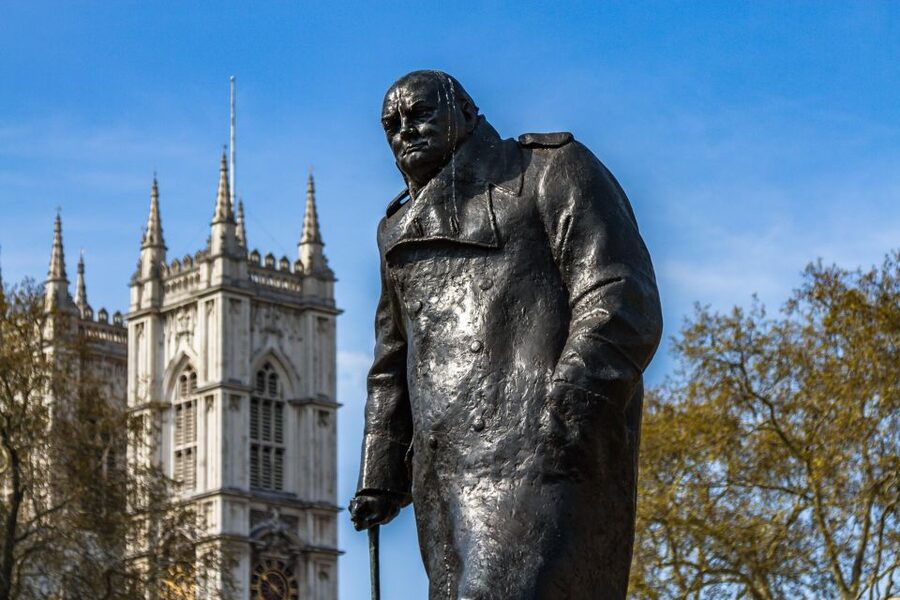
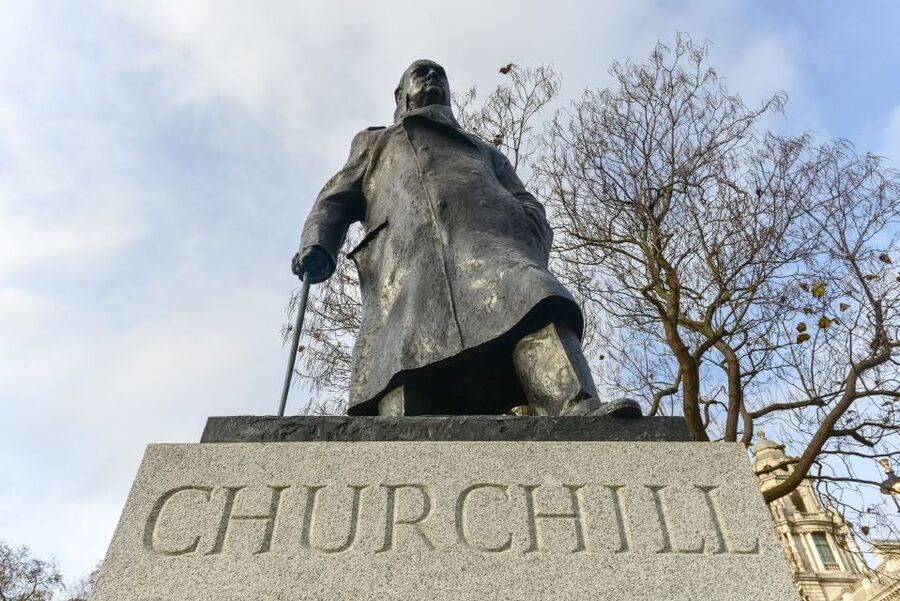
You’ll also see the statue of Sir Winston Churchill and the monument to the Women of World War II. Those stops shift the focus from only top leadership to the bigger wartime workforce and the people keeping the machine running.
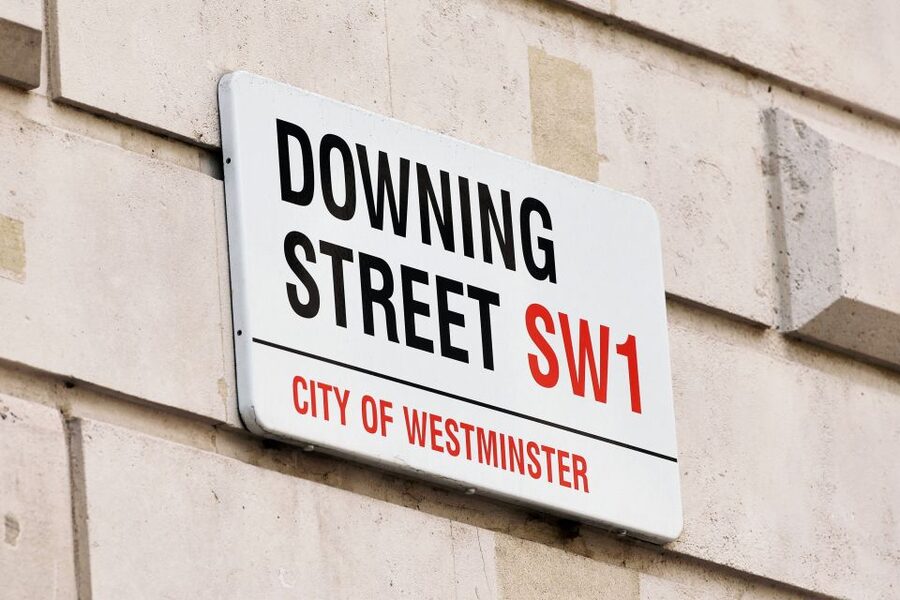
The tour then brings you to the heart of the Churchill story, with a stop for 10 Downing Street. The most striking detail here is that you’re pointed toward the original door that Churchill walked through after becoming prime minister. Even as a photo stop, it gives you a tangible sense of where power was exercised.
A quick note on Westminster Abbey: the tour includes stops in the area, but a formal Westminster Abbey visit is not included. If you want the Abbey itself, plan for that separately.
The Cenotaph stop: national memory right before you go underground
The walk ends at the Cenotaph, built as a memorial to the First World War and now the UK’s primary national war memorial. It’s a fitting tonal shift. You go from government buildings and wartime decision-making, to a place that frames how the country remembers war.
This stop makes the War Rooms visit feel less like a standalone attraction and more like part of a national story. You’re not just touring a bunker. You’re seeing how Britain tried to keep its leadership alive during the darkest period and then turned that experience into long-term memory.
If you’re sensitive to emotional weight, you might find this stop hits harder than you expect, simply because the War Rooms follow immediately and the contrast is sharp.




Into Churchill’s War Rooms: the bunker as a working system
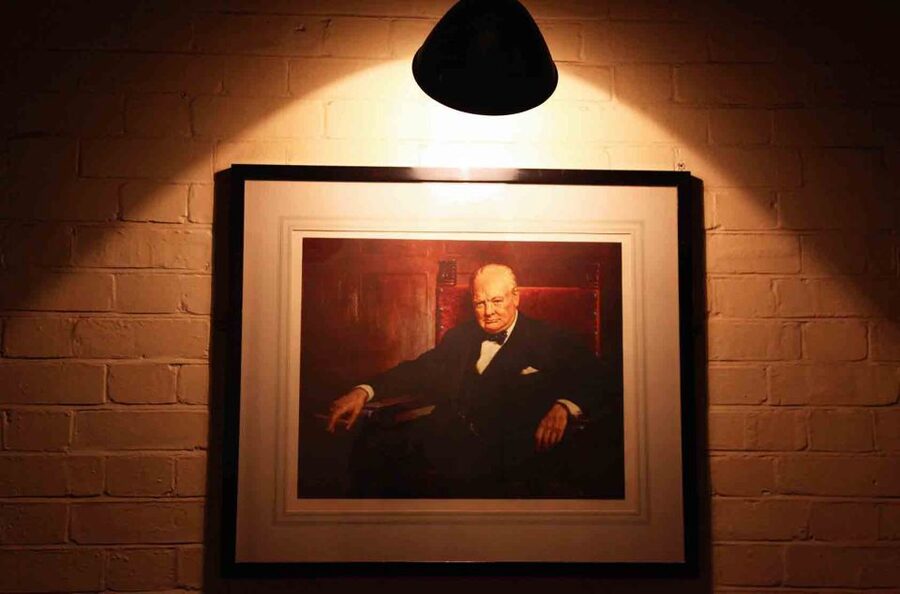
Now for the part most people bought this for: Churchill’s War Rooms. Once inside, the tour switches format. Your guide does not accompany you into the rooms. Instead, you browse at your own pace with an included audio guide, while the tour time gives you enough structure to see the key spaces.
What makes this place so compelling is that it’s preserved as a working command environment. The rooms were kept the way they were on the day the lights were switched off in 1945, including signs that indicated the weather outside. That kind of detail gives the museum a feeling of immediacy, not just glass cases and captions.
Transatlantic Telephone Room and the Roosevelt connection
One of the best-supported storylines in this experience is Churchill’s special relationship with President Roosevelt. You’ll learn about wartime coordination through spaces connected to real leadership communication, including the Transatlantic Telephone Room.
Even if you already know the famous names, this room helps you grasp the mechanics. You see how fast decisions had to travel, and how communication channels mattered when bombs were falling and time was constantly stolen away.
This is the kind of detail that turns history into something you can picture. It’s one thing to read about diplomacy in WWII. It’s another to stand in a room designed for coordination under pressure.
War planning rooms, map making, and listening for enemy signals
The audio guide helps explain the daily work inside the bunker. You learn how the staff deciphered enemy communications and created maps of army movements. These details are important because they show the War Rooms were not only for speeches. They were for analysis, tracking, and rapid response.
The rooms also communicate a specific wartime tone: practical, tense, and focused. If you like your history grounded in work processes rather than only big speeches, you’ll likely enjoy the “how it operated” vibe.
You may also notice how the bunker’s physical layout supports that mission. The “maze” description isn’t just marketing language. The underground setting naturally leads you to think in systems and routes, which is exactly what these rooms were built to do.
Sun lamps, secrecy, and daily life under wartime rules
One of the most memorable and human details in the War Rooms story is the use of primitive sun lamps for vitamin D. The tour explanation connects this to the fact that many workers spent time underground without the usual daylight exposure.
Even more striking is that families of some staff members could not know what people did for a living. That secrecy layer adds tension to the whole experience. You’re looking at a space built for national survival, but it also contained real personal sacrifices for ordinary life.
If you tend to focus on “top leadership” history, this part is an excellent correction. You leave with a fuller view of who paid the price to keep leadership functioning.
The kitchen space: Churchill’s private wartime life
Your audio guide also helps you find the blend of public authority and private routine, including Churchill’s kitchen. You learn about how life continued underground, including simple domestic concerns alongside top-secret conversations.
This balance is a key reason the War Rooms work as an experience. The bunker is scary, but it is not just spooky underground theatre. It shows an attempt at continuity, a way to keep people alive, fed, and operating while the world above was under attack.
Timing and pacing: what 1.5 hours of self-guided time really feels like
Your total plan is listed as 2.5 hours, with one hour of guided walking and about 1.5 hours for the War Rooms visit. Inside, there is no strict time limit, so if you’re a slow, careful museum reader, you can extend your stay.
This matters because some spaces are cramped and there can be crowds. One person noted the underground environment can feel cramped, and another flagged an occasional coordination issue with audio in specific rooms. Plan for close quarters and expect that you may need to pause and move to get your bearings.
Headset tip for the outdoor portion: if the channel changes or your sound seems off, it helps to troubleshoot early rather than waiting until the first major stop.
Price and value of a $59 Westminster WW2 tour plus entry ticket
At about $59 per person, you’re paying for more than a museum ticket. You’re buying a guided Westminster orientation plus the included War Rooms entry, reservation fee, and an audio guide.
Here’s the practical value argument. If you were to buy only the War Rooms admission, you’d save some money, but you’d lose the above-ground setup that explains what you’re about to see and why it mattered. This tour gives you that setup, with walking stops designed to sharpen your understanding of Churchill’s world.
Also, the extra cost over a self-guided War Rooms visit has been described as relatively small by at least one visitor. The takeaway for you is simple: if you care about context, the guided walk is the reason to choose the package.
What this experience feels like for different types of visitors
This is a strong match if you:
- Love WWII history that connects leadership to real places in London
- Want a guided narrative outside, then flexibility inside the bunker
- Like hearing about Churchill’s personality, including the Roosevelt relationship and authentic wartime audio
It may not be the best match if you:
- Need step-free routes, because the tour is not suitable for wheelchair users or people with mobility impairments
- Want a relaxed stroll, because you’re on your feet for the walking portion
- Are traveling with a baby stroller, since strollers are not allowed
If you’re traveling as a couple, a small group, or solo, this format works well. The walking portion is structured, but the War Rooms time is yours to control.
What to bring, and how to prepare like a local
Bring comfortable shoes. That’s the big one. Beyond that, think like a person who will spend time both outdoors near major sites and underground in tight rooms.
A few personal-feeling prep tips:
- Layer your clothing. London weather changes fast, and the War Rooms air can feel different from the street.
- If you’re sensitive to crowds, arrive ready to queue and keep moving.
- Come with a light curiosity about how governments worked under pressure, because the bunker focus is on planning and communications, not only memorials.
Should you book this Westminster WW2 and Churchill’s War Rooms tour?
Yes, if you want the most efficient way to connect Westminster’s WWII story to the War Rooms in one half-day. The walking guide sets up what you’ll see underground, and the self-guided War Rooms time lets you slow down where your interests land, whether it’s the telephone room, map-making work, or Churchill’s private spaces.
Skip it only if mobility is an issue for you or you want a purely restful, low-walking experience. Otherwise, it’s a strong value pick: you get the locations that made the story possible, plus the bunker experience that makes it real.
FAQ
How long is the Westminster WW2 tour with Churchill’s War Rooms?
The full experience runs for about 2.5 hours, with around 1 hour for the Westminster walking tour and about 1.5 hours to explore the War Rooms.
Where do I meet the guide?
Meet your guide outside Westminster Station, at Exit 2 Victoria Embankment. The meeting point is behind the statue of Boadicea on a chariot.
Do I visit Westminster Abbey on this tour?
No. Westminster Abbey is not included, even though you’ll walk through the Westminster area near it.
Will the guide stay with me inside Churchill’s War Rooms?
No. The guide takes you to the War Rooms, then you explore the Churchill Museum and underground rooms on your own with the included audio guide.
Is there an audio guide inside Churchill’s War Rooms?
Yes. The Churchill War Rooms visit includes an audio guide.
Is this tour suitable for wheelchair users or people with mobility impairments?
No. The tour is not suitable for people with mobility impairments or wheelchair users, and baby strollers are not allowed.
More Tickets in London

More Tours in London

More Tour Reviews in London
Not for you? Here's more nearby things to do in London we have reviewed




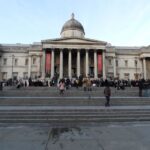
More Westminster Tours worth a look.
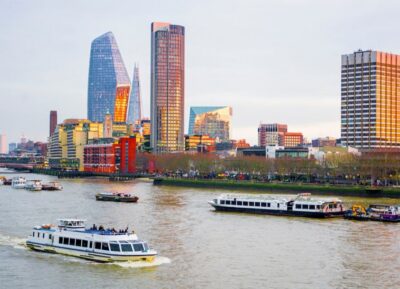 ★ 4.5Westminster to Tower Bridge River Thames CruiseTickets from $186,127 guest reviews
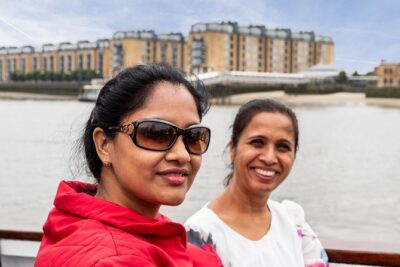 ★ 4.5Westminster to Greenwich Sightseeing Thames Cruise in LondonTickets from $222,969 guest reviews
 ★ 4.5Westminster and Changing of the Guard TourTickets from $242,171 guest reviews
 ★ 4.8Westminster Abbey, Big Ben & Buckingham Guided TourTickets from $1012,170 guest reviews
 ★ 5.0Westminster Guided Walking Tour with Abbey EntryTickets from $1221,282 guest reviews
 ★ 4.5Walking Tour of London Westminster Abbey, Big Ben, BuckinghamTickets from $951,213 guest reviews
 ★ 5.0Westminster 3 Hour Walking Tour and Visit of Churchill War RoomsTickets from $135967 guest reviews
Continue by place or experience