
REVIEW · LONDON CITY TOURS
London: Kensington and Chelsea Guided Walking Tour
Kensington feels like London turned up a notch. This guided walk strings together South Kensington’s museum district and the calmer elegance of Kensington Gardens, then finishes in the fashion-minded area around Sloane Square. I like that the route is built for real neighborhoods, not just photo stops, and that you get architecture, design, and street-level stories in a tight 2 hours. One possible drawback: the tour style can be more conversational than deeply academic, so if you want lots of hard, building-by-building history, you may want to compare expectations.
You’ll start in a spot that makes sense for orientation, South Kensington Station arcade, then follow the Albertopolis idea that Prince Albert shaped around public learning after the Great Exhibition. In the best case, the guide can turn that into clear, memorable walking context, like Simona did for one booking, where the guide was praised as prepared and kind, and even helped two small children stay engaged. Still, with a small sample size of reviews and mixed feedback on how historical the stories feel, it’s smart to expect neighborhood storytelling first, not a museum lecturer.
Key Highlights You Should Know Before You Go
- Albertopolis starts the story, linking Prince Albert, the Great Exhibition, and why this part of London became a public learning zone
- Kensington Gardens stops with the Albert Memorial and Albert Memorial area views, plus the exterior of Kensington Palace
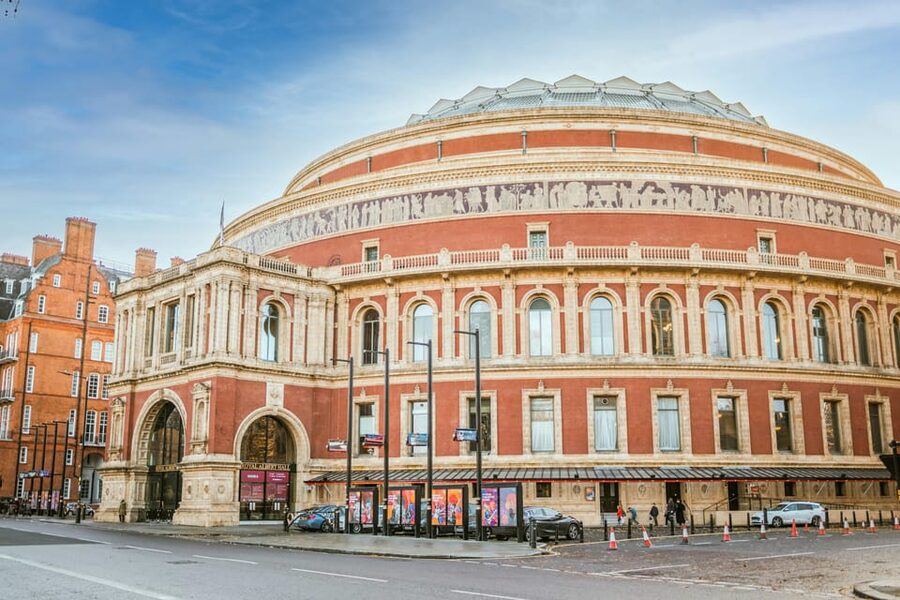
- Royal Albert Hall and the surrounding grandeur, where Victorian scale shows up fast
- Knightsbridge to Harrods for a shift from parkland calm to luxury shopping and historic streets
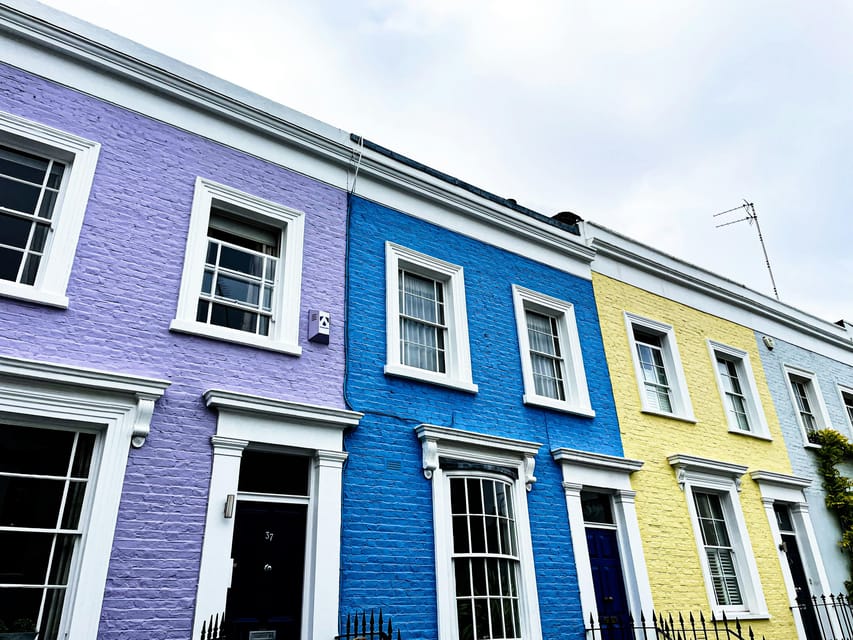
- Chelsea mews streets and private garden squares, including the feel of quiet, former stable lanes
- Guide photos on request, so you are not stuck awkwardly asking strangers
Why This Kensington and Chelsea Walk Works So Well
This is the kind of London tour that helps you read the city. Instead of hopping randomly, you get a planned sequence of neighborhoods that each have a distinct personality. South Kensington and its museum district feel organized and civic-minded. Kensington Gardens gives you a pocket of breathing room. Knightsbridge switches gears into grandeur and moneyed confidence. Chelsea ends with a softer, more intimate look at residential London.
I especially like that the walk is short enough to keep energy up but long enough to feel like you actually travelled across multiple layers of London. You’re also not stuck inside any single attraction, since the tour is designed as a guided walk with occasional exterior viewing. That makes it easier to fit into a busy day, especially if you want to see more than just a checklist of famous buildings.
One more practical plus: the tour is described as having a relaxed pace and being suitable for all ages, including children. That matters if you want a sightseeing plan that doesn’t punish you for stopping to look, take a photo, or just let a street scene sink in.
You can also read our reviews of more walking tours in London



Meeting at South Kensington Station Arcade, Thurloe Street, and the Quick Start
The tour begins outside South Kensington Station, on Thurloe Street, in front of Viandas. You’ll find the guide holding a sign with the tour name, so it’s usually easy to spot who to follow.
This start point is a clever choice. South Kensington is a natural hub for getting oriented because it sits right by the museum district. That means you can start with a neighborhood context immediately, rather than spending the first 20 minutes figuring out where you are going. If you are arriving by Tube, you’ll likely appreciate the simple start.
From there, your feet do most of the work. A walking tour like this works best when you wear comfortable shoes and plan to be slightly flexible with timing for photo stops. The tour also notes that it’s step-free, which is a big deal for anyone managing mobility needs.
Albertopolis on Exhibition Road, and the Great Exhibition Legacy
After you meet, you move into the area often associated with Albertopolis, a Victorian-era vision of a district devoted to education, art, and science. Prince Albert is the key figure here, and the tour connects the area to the success of the Great Exhibition of 1851.
What makes this segment valuable is that it turns a famous museum district into something with a clear origin story. If you’ve ever felt like London museums are just a cluster of big names, this is a helpful correction. You get the why behind the arrangement. It’s not random. It’s a deliberate idea about public learning and civic pride, planned into the city’s fabric.
You also walk along Exhibition Road, which is one of those streets that makes you slow down just by looking at the scale and ambition of the architecture. The tour specifically mentions you’ll hear how this once semi-rural part of London became home to major institutions including the Victoria and Albert Museum, the Natural History Museum, and the Science Museum. Even if you do not go in today, the context gives you a stronger mental map for your next visit.
Victoria and Albert Museum Area, Why the Exterior Still Matters
You’ll visit the Victoria and Albert Museum on the route. The big payoff here is not that you have to sit through an interior visit. It’s that you get to connect the museum’s presence to the larger Great Exhibition legacy you just heard.
In practice, you’ll be using the building and its setting as your reference point. The V&A area helps you understand the museum district as a unified design world rather than separate attractions. If you like architecture and cultural planning, this is a satisfying segment because you get a story plus the visual evidence as you walk.
Drawback to keep in mind: the tour data says there are no entrance fees included. So you should not expect a full ticketed museum experience. If you are hoping for deep object-level history inside the museum halls, you may need to plan a separate museum visit on your own.
Royal Albert Hall, Albert Memorial, and Kensington Gardens for a Real Reset
Then you move toward the Royal Albert Hall and the Albert Memorial, with a stroll through Kensington Gardens. This is where the tour starts to feel more cinematic and less linear.
The Royal Albert Hall stop matters because it anchors the Victorian grandeur of the area. Even if you’ve seen photos before, there’s something about seeing that kind of scale in person. It reads as a statement of culture, entertainment, and civic life.
After that, the Albert Memorial and Kensington Gardens provide a welcome change of pace. You get a quieter environment after the museum-road intensity. The tour notes stops at the ornate Albert Memorial and the exterior of Kensington Palace, former home of Princess Diana.
If you are traveling with kids, this is also an easier stretch of the walk. Gardens usually offer more natural breaks: you can pause without feeling rushed, and the scenery helps everyone stay interested.
One practical note: gardens mean you’ll want water and a little patience for slow walking moments, especially if you stop for photos. The tour recommends bringing water, and I agree with that simple advice.
You can also read our reviews of more guided tours in London


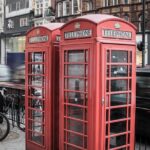


Kensington Palace Exterior, Royal Ambition, and Landscape Design
The Kensington Palace mention is mostly an exterior viewing moment, but it’s still useful. The tour ties the palace and the surrounding park to royal ambition and nineteenth-century innovation, plus landscape design.
That combo is the point. You start to see how the royal and civic worlds shaped this part of London, not just through who lived here, but through how the streets and green space were planned.
If you like history that feels grounded in the real layout of a city, this part clicks. You’re not just hearing dates. You’re walking through the result of that planning: what you see around you is tied back to why it looks this way.
Knightsbridge: From Historic Mansions to Harrods and Global Influence
Next comes the shift into Knightsbridge. The mood changes. Where South Kensington and Kensington Gardens feel built around public culture and green space, Knightsbridge leans into luxury and global influence.
The tour specifically calls out historic architecture, embassies, and red-brick mansions. Then you hit the big visual magnet: Harrods. It’s hard to miss, and for many people it’s the London landmark they expect in this neighborhood, but the tour’s framing matters. You are not just seeing a store front. You are seeing it as part of the area’s layered identity.
What I like about this segment is that it gives you a contrast day. You go from ornate memorial and gardens into moneyed street energy, then you keep walking into Chelsea’s quieter, more residential feel. That rhythm makes the full route more satisfying than a tour that stays in one style of architecture.
If you are the kind of traveler who prefers quiet streets over shopping streets, you may want to temper your expectations around Harrods. This part is more about seeing the neighborhood vibe than about shopping or spending time inside.
Chelsea Mews Streets and Private Garden Squares: The Quiet London You Came For
In Chelsea, the atmosphere turns more intimate. This is where the tour leans into what many visitors miss unless they’ve learned how to wander.
You’ll explore mews streets, described as originally built as stables and later transformed into sought-after residences. That’s one of those London details that changes how you interpret a lane the moment you hear it. A narrow street suddenly makes sense. It’s not just a pretty shortcut. It has a functional past, and the architecture adapted.
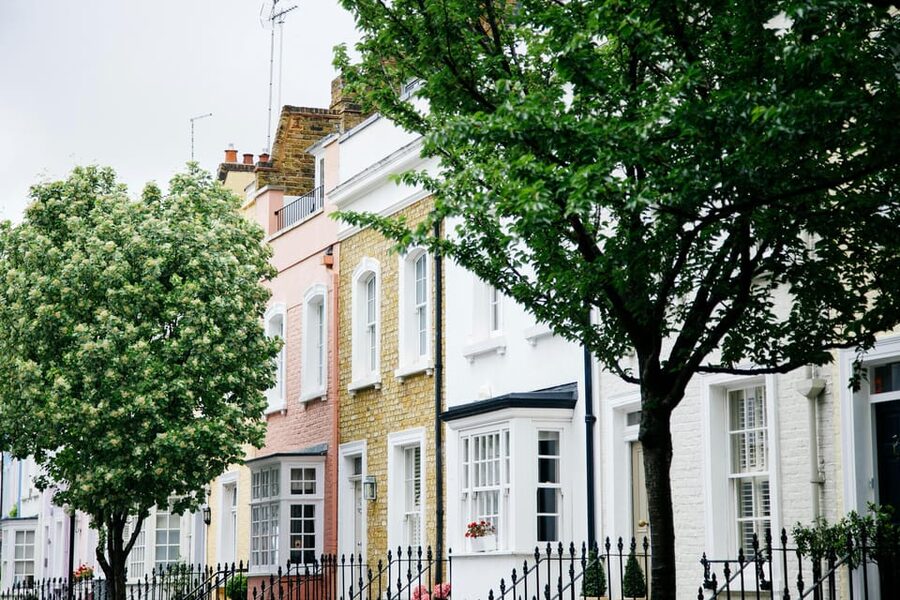
You’ll also see rows of Georgian and Victorian townhouses, and you’ll pause outside private garden squares. The tour mentions blue plaques and the elegant architecture connected to Chelsea’s story.
Chelsea is also described as a magnet for artists, writers, designers, and radicals for centuries, and the creative legacy still echoes through these lanes. I like how this creates a softer emotional map of the neighborhood. You’re not only looking at façades, you’re imagining who might have walked these streets in different eras.
Why private garden squares matter in a walking tour: they show how London wealth and community planning intersect. You get the sense of enclosed, calm spaces tucked behind more public-looking streets. It’s the kind of detail that makes a guided walk feel worth it.
As for potential drawback: this section depends on the guide’s storytelling. One review feedback noted that the guide did not deliver as much historical detail about people and buildings as expected, and the information felt more like lived experience than layered history. If that’s your priority, you may enjoy this tour most if you go in ready to absorb general context and street-level perspective, and then add extra museum time later.
The Finish at Sloane Square and King’s Road Energy
The tour concludes at Sloane Square, described as the gateway to King’s Road. This matters because the walking route ends where you can easily continue the day on your own.
King’s Road is framed as once a centre of fashion and rebellion in the 1960s and still a lively stretch with independent boutiques, cafés, and galleries. Even if you do not plan to go far, it’s a practical finish. You’ll have transit options and nearby places to grab a drink or a snack.
This ending is also a good mental landing. Chelsea’s quiet mews streets and private squares can be a little abstract when you’re looking at them one by one. Finishing near the buzz of King’s Road helps you tie it together: Chelsea isn’t only old and calm. It’s also a working, modern London corridor.
Price, Duration, and What You Really Get for $26
At $26 per person for about 2 hours, the value is strong if your goal is neighborhood orientation plus guided storytelling. You are not paying for museum tickets, and the route is built to be visual and contextual, from Albertopolis to gardens to mews lanes.
Here’s how I’d think about value. If you already plan to visit at least one major museum this trip, this walk becomes the glue that helps the museums make more sense. It gives you the “why this area looks and feels like it does” framework. If you do not plan to enter museums today, you still get a meaningful cultural map without entrance costs.
Could it be worth more? Sure, if you need a deeply scripted lecture format. But for many visitors, $26 for a short, structured walk through a high-interest area is a practical deal. Especially because the tour includes a live guide, plus photo help if you want them to take your picture with your phone.
Main limitation: you are walking and viewing mainly from the outside. If you want extended time inside buildings, plan that separately.
Who This Tour Suits Best, and Who Should Think Twice
This tour is a good match if you like architecture, street scenes, and city planning stories you can connect to where you are standing. It’s also a solid option for families. One booking specifically noted that the guide managed to involve two young children, which is a real endorsement for a kid-friendly pace and engagement level.
It also fits solo travelers who want a low-stress plan with a clear start and finish. Just be aware of the note that it generally requires a minimum of two participants. If you are traveling alone, check availability, or message ahead to see whether you can still be added.
Who might think twice? If you are looking for the most rigorous, highly detailed history of specific people and buildings, the mixed review feedback suggests results can vary by guide. This tour can still be enjoyable for orientation and general context, but you should not assume every guide will deliver the same depth.
Final Verdict: Should You Book This Kensington and Chelsea Walking Tour?
I’d book this if you want a time-efficient way to see Kensington, Knightsbridge, and Chelsea as one connected story, from Albertopolis through Kensington Gardens into mews streets and Sloane Square. The route design makes it hard to waste effort, and the focus on architecture and neighborhood character suits travelers who like to understand the city, not just collect landmarks.
Skip it only if you know you need deep, academic-level building history and lots of person-specific detail at every stop. In that case, pair a lighter walking tour with a museum-focused day or choose a tour format that clearly promises that level of depth.
If you do book, do yourself a favor: bring comfortable shoes, a camera, and water, and go in ready to enjoy the walk for what it is, neighborhood storytelling with strong visual context.
FAQ
Where does the tour start?
It starts outside South Kensington Station on Thurloe Street, in front of Viandas.
Where does the tour end?
The tour ends at Sloane Square.
How long is the walking tour?
The tour lasts about 2 hours.
Is the route wheelchair accessible?
Yes. The tour is described as wheelchair accessible and step-free.
Are museum entrance fees included?
No. Entrance fees are not included.
What should I bring?
Bring comfortable shoes, a camera, and water.
More Walking Tours in London


More Tours in London





More Tour Reviews in London


Not for you? Here's more nearby things to do in London we have reviewed




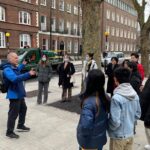





More London City Tours worth a look.
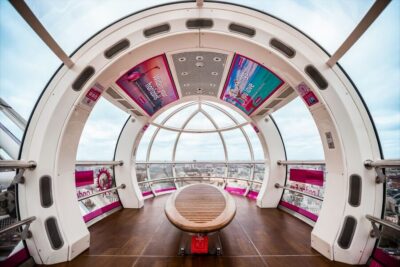 ★ 4.6The London Eye Entry TicketTickets from $3935,875 guest reviews
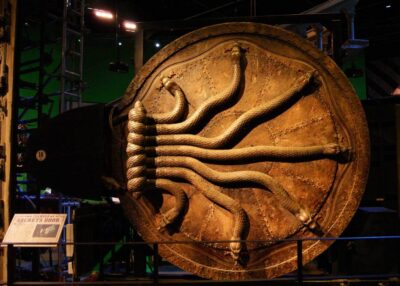 ★ 4.7From London: Harry Potter Warner Bros Studio TourTickets from $11726,588 guest reviews
Westminster to Greenwich River Thames CruiseTickets from $2222,836 guest reviews
Magical London: Harry Potter Guided Walking TourTickets from $2022,044 guest reviews
 ★ 4.6Madame Tussauds LondonTickets from $3620,915 guest reviews
 ★ 4.5Stonehenge, Windsor Castle, and Bath from LondonTickets from $11118,662 guest reviews
 ★ 4.7Warner Bros. Studio Tour with TransfersTickets from $14417,586 guest reviews
 ★ 4.7Tower Bridge Entry TicketTickets from $2115,560 guest reviews