
REVIEW · LONDON CITY TOURS
London: Freud Museum Entry Ticket
Freud’s home feels personal, not museum-y. This ticket takes you through Sigmund Freud’s Study and the famous psychoanalytic couch, with rooms arranged close to how they were left. The visit is small and thoughtful, so if you want big, loud sights, this may feel a bit quiet.
I really like how the museum makes psychoanalysis feel human. You get Freud’s working space, then you move into Anna Freud’s pioneering world, including her room and collections. One thing to consider is that the audio guide requires your own setup, so you’ll need a phone plus headphones.
If you time it right, the Thursday to Saturday free tour at 2pm adds extra context. And you’ll end with time in the calm garden, which is a nice reset after emotionally heavy themes.
Key highlights worth planning for
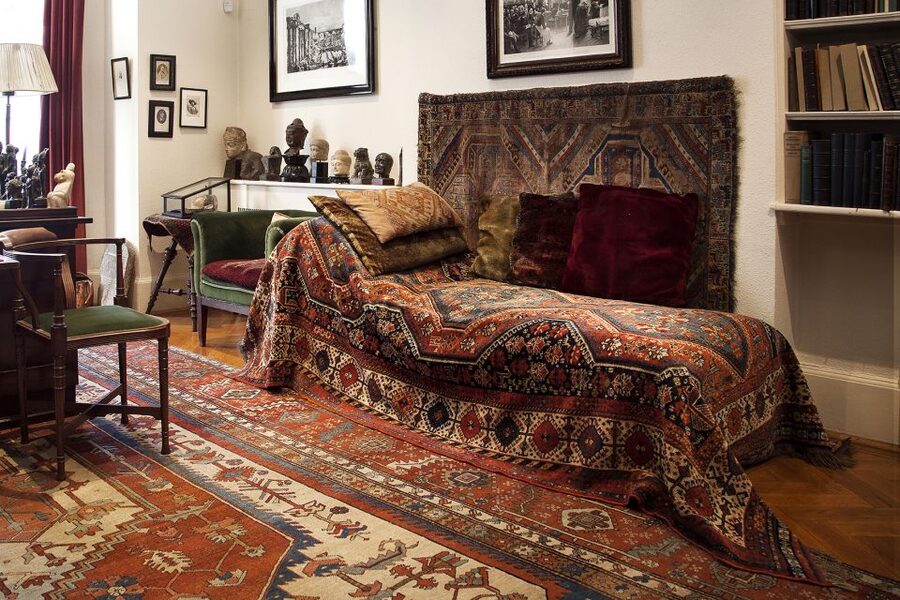
- Freud’s Study preserved as he left it, including his desk and original seating setup
- The world-famous psychoanalytic couch plus the strange, custom chair for his preferred posture
- Anna Freud’s Room, tied to her work on child psychoanalysis and her preserved personal items
- Dalí portrait of Freud, with background from Professor Ades on their 1938 London meeting
- A 20-minute film featuring Anna Freud voiceovers and a rare recording with Freud
- A peaceful garden finish, so the visit doesn’t end on a sour note
Entering the Freud Museum: The back of the house and the shop
Start at the back of the house and enter through the shop. That sounds almost too simple, but it matters because the museum is compact and the flow is smooth once you’re inside.
From there, you’ll want to get your audio guide rolling right away. The experience includes an audio guide, but headphones are not included. The museum asks you to bring your phone and headphones so you can listen to the Free Audio Guide. If you forget them, you’ll still see everything, but you’ll miss a lot of the emotional, scene-setting narration.
If you like structure, aim to visit in order: Freud’s spaces first, then Anna’s rooms, then the film, and finally the garden. It makes the story feel connected, rather than like you’re hopping between separate exhibits.
More London tours and experiences for the shortlist


Freud’s Study: The couch, desk, and that unusual chair
The highlight, for many people, is the Study. Here’s the thing I like most: this room doesn’t feel staged for photos. It feels like a workplace and a lived-in corner of history, which makes the ideas behind psychoanalysis feel less abstract.
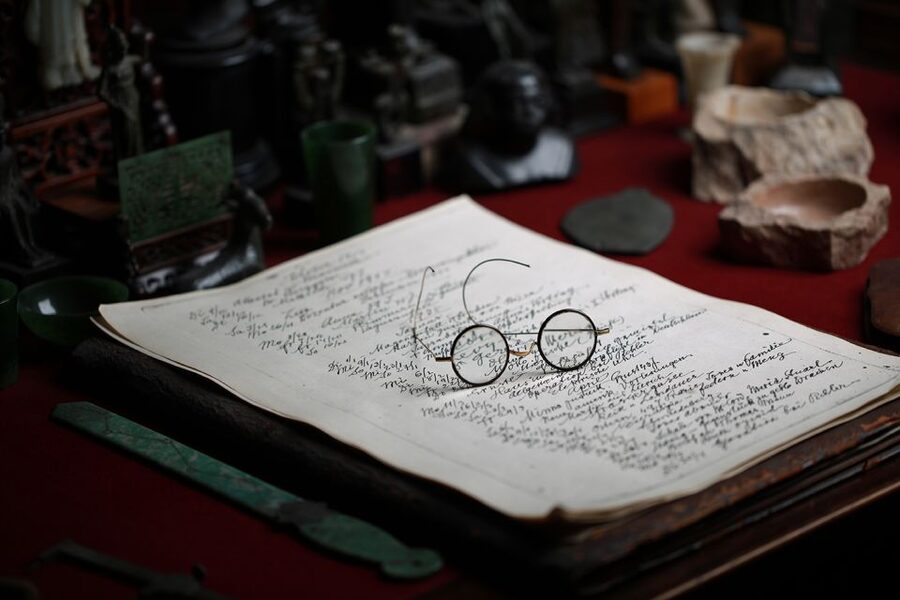
In the Study, you’ll see Freud’s Study setup including his original couch. You’ll also see his desk, where he placed some of his favorite antiquities. That detail is small, but powerful, because it shows how his mind worked alongside his collections, interests, and daily habits.
Then there’s the chair. It’s unusual and anthropomorphic, and it was designed especially for Freud. The museum explains how he preferred to sit with his legs over one arm of the chair. Even if you’ve never thought about body mechanics in therapy before, this detail lands. It shows how Freud treated the physical space as part of the process, not an afterthought.
You’ll also appreciate that the Study is preserved just as he left it. That means you’re not looking at a reconstruction with obvious “museum glue.” You’re seeing a preserved room meant to transport you back to his life in Vienna, even while you’re standing in London.
Practical tip: take your time here. The Study rewards quiet attention. If you rush, you’ll miss the emotional weight of seeing objects tied to real people, not just theories.
Dining Room: Family story meets the start of psychoanalysis
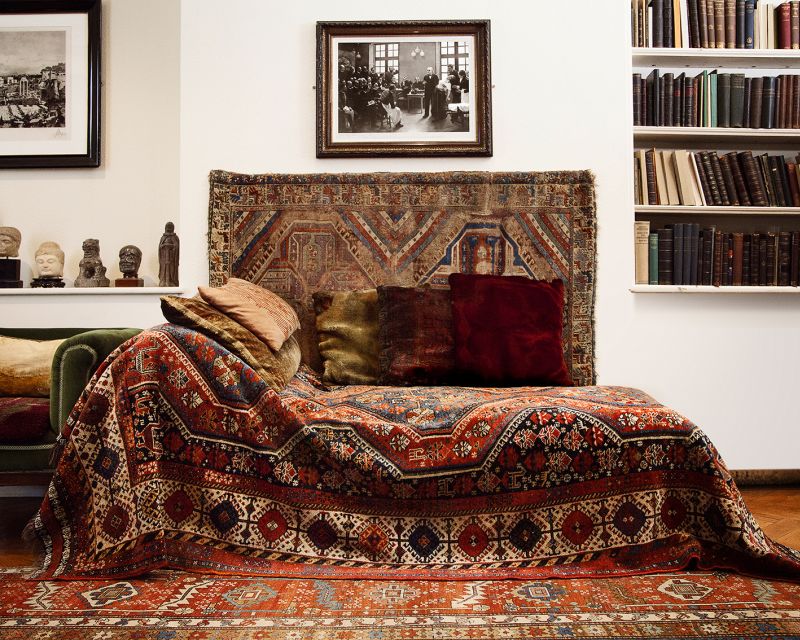
After the Study, the Dining Room broadens the mood. This is where you learn about Freud’s family story and the story of psychoanalysis, in a way that feels more connected to relationships than to concepts.
I like this pacing because it helps you avoid a common mistake: thinking psychoanalysis is only about the famous couch and big names. The Dining Room frames the work inside a family context, which gives the whole subject more balance.
The room also gives you a sense of movement from private life to public impact. You’re still in Freud’s home, but now you’re being guided toward why those personal experiences mattered for the field he helped create.
You may not leave with new academic conclusions. But you will leave with a clearer picture of what shaped his thinking. For many visitors, that emotional clarity is the real takeaway.
Anna Freud’s Room: Child psychoanalysis, her couch, and her collections
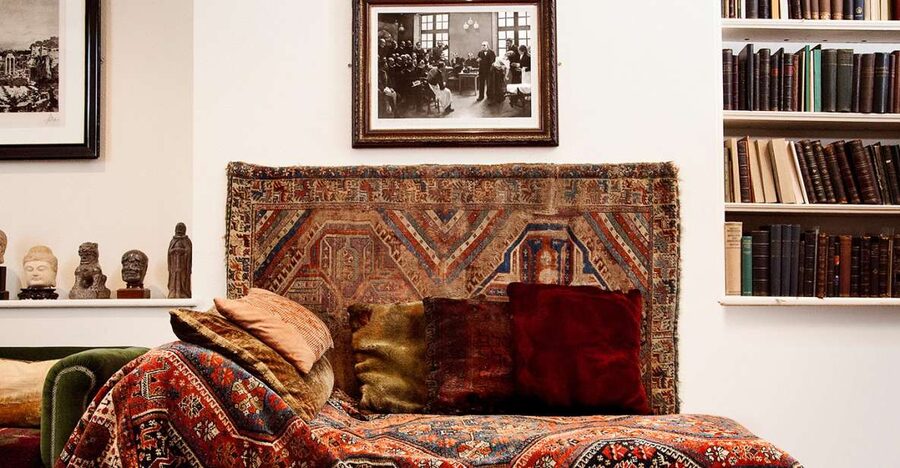
Next comes Anna Freud’s Room, and it shifts the focus. Sigmund Freud is still central, but you start seeing the story of psychoanalysis through Anna’s work and priorities.
In her room, you’ll learn about her pioneering role in child psychoanalysis. You’ll also see her couch and collections. That combination matters, because it makes her contribution feel grounded in real objects and real life, not like a footnote to her father.
For me, Anna’s room is where the museum becomes especially moving. It’s not just about what Freud invented. It’s about how the work evolved, and how her perspective helped shape what psychoanalysis could be for children.
If you’re visiting with someone who thinks museum exhibits are all the same, Anna’s room is where you can win them over. It feels personal and specific, and the objects help you understand her world without needing background reading.
Dalí’s portrait of Freud and the 1938 London connection
Alongside Anna’s room, you’ll see a portrait of Sigmund Freud by Salvador Dalí. Dalí’s art is bold and surreal in the best way, so placing it here makes the museum feel less rigid.
The museum points you to background about their meeting in London in 1938, via an article by Professor Ades on Dalí’s sketches of Freud. That’s the kind of detail that helps you connect the dots between psychology, art, and the cultural moment around them.
I like that the museum doesn’t treat art as decoration. It’s used to explain how Freud was viewed beyond therapy rooms, as a public figure with enough influence to spark the curiosity of major artists.
If you’re the type who likes context cards and who reads more than you photograph, pause here. The Dalí link is one of those “wait, that’s real?” moments.
You can also read our reviews of more museum experiences in London





The film room: 20 minutes with Anna’s voice and a rare Freud recording
In the next room, you can watch a film about the Freud family. It runs for about 20 minutes, and it’s structured like a guided memory of their life in London and Vienna.
What makes it more than a standard museum video is the audio mix. The film includes voiceovers from Anna Freud, plus a rare recording from an interview with Sigmund Freud. It also uses footage from Vienna and London, so you’re not stuck in one location or one time period.
If you like emotional storytelling, this is your moment. The Study hits you with atmosphere and objects. The Dining Room adds narrative. The film then ties it together with voice and real historical material.
Practical tip: give yourself a full watch without multitasking. The film works best when you let it do its job. If you watch it like background noise, you’ll miss the rare parts, including Freud’s recorded material.
Finishing in the peaceful garden
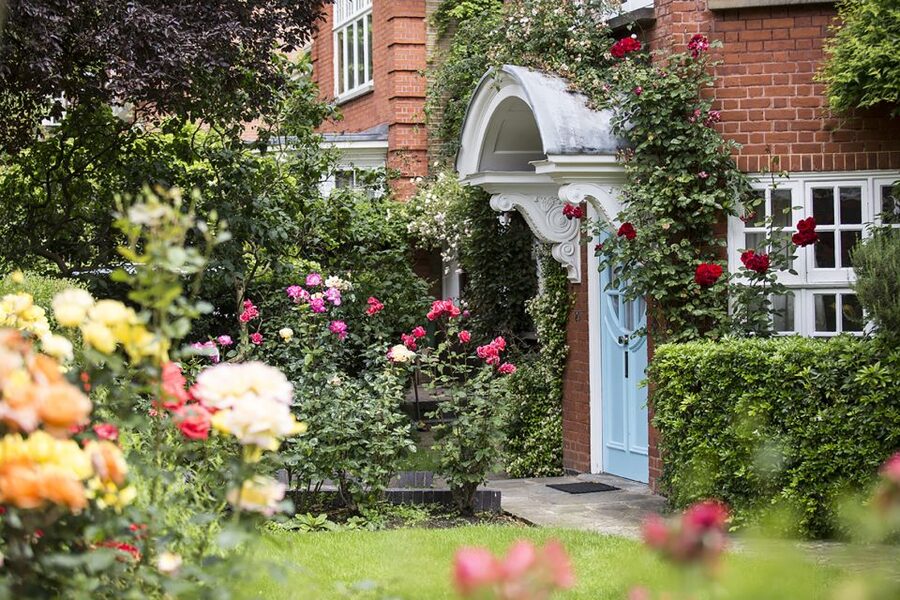
Finally, spend time in the peaceful garden. This may sound like a small detail, but it’s a smart way to end.
The museum deals with heavy themes in psychoanalysis, and even when you’re not thinking about them constantly, your mood can shift. The garden gives you a quiet reset. It also makes the visit feel complete, like you’ve stepped out of a story and back into regular life.
If you have extra time after the film and the rooms, this is where I’d use it. Walk slowly. Look around. Let the museum’s emotional weight settle before you head back into London.
Price and value for a one-day ticket in London
At about $19 per person for a 1-day visit, this ticket is priced like a focused museum stop, not a full-day mega-attraction. That works to the museum’s advantage. You’re not paying for hours of unrelated exhibits. You’re paying for access to a preserved set of spaces tied to Freud and Anna Freud.
And the value isn’t only admission. The ticket includes an audio guide, plus access to a free tour offered Thursday through Saturday at 2pm. That means you can customize your visit:
- Go independently with the audio guide
- Or join the free tour to add live explanation
One key catch is still on you: you must bring your phone and headphones to use the audio guide. If you come prepared, the included audio really boosts your understanding of what you’re looking at.
If you’re choosing just one psychoanalysis-related stop in London, this ticket gives you the strongest sense of place.
Timing tips: How to get the most without feeling rushed
You can visit in a flexible way within the 1-day validity window, depending on starting times. Still, I suggest planning a simple flow so you don’t feel like you’re sprinting between rooms.
Here’s a practical order:
- Arrive, enter through the shop, and set up the audio guide on your phone
- Spend time in Freud’s Study before moving on
- Continue to the Dining Room for the family and psychoanalysis story
- Go to Anna Freud’s Room and take time with her couch and collections
- Check the Dalí portrait area and the Professor Ades context
- Watch the 20-minute film
- Finish in the garden
If you want the free tour, aim for the Thursday to Saturday 2pm option. The museum includes it, and it’s a good way to connect details across rooms.
Who should book this, and who might prefer something else
This is a strong match if you like:
- Personal, object-based history
- Understanding people through the spaces they used
- Psychoanalysis, even if you’re curious rather than expert
It also suits anyone who appreciates quiet museums. You won’t need energy for big crowd flow or constant movement.
You might consider skipping or pairing this with something else if you’re looking for a loud, spectacle-driven day. The Freud Museum is intimate. That intimacy is the point, but it can feel small if your travel style is all about scale.
Should you book the Freud Museum Entry Ticket?
Yes, if you want one focused London stop that feels like stepping into a real home. The preserved Study, the couch, Freud’s desk with antiquities, and the custom chair with his preferred posture give you a sense of psychological practice as lived experience.
Add Anna Freud’s room, the Dalí portrait with the 1938 connection through Professor Ades, and the 20-minute film with Anna’s voice and Freud’s rare recording, and you get a complete emotional storyline in a compact visit.
Book this if you can bring your phone and headphones. Skip it if you hate quieter museums or you really need long, high-volume attractions to stay engaged.
More Museum Experiences in London
More Tickets in London
More Tour Reviews in London



Not for you? Here's more nearby things to do in London we have reviewed









More London City Tours worth a look.
 ★ 4.6The London Eye Entry TicketTickets from $3935,875 guest reviews
 ★ 4.7From London: Harry Potter Warner Bros Studio TourTickets from $11726,588 guest reviews
Westminster to Greenwich River Thames CruiseTickets from $2222,836 guest reviews
Magical London: Harry Potter Guided Walking TourTickets from $2022,044 guest reviews
★ 4.7From London: Harry Potter Warner Bros Studio TourTickets from $11726,588 guest reviews
Westminster to Greenwich River Thames CruiseTickets from $2222,836 guest reviews
Magical London: Harry Potter Guided Walking TourTickets from $2022,044 guest reviews
 ★ 4.6Madame Tussauds LondonTickets from $3620,915 guest reviews
 ★ 4.5Stonehenge, Windsor Castle, and Bath from LondonTickets from $11118,662 guest reviews
 ★ 4.7Warner Bros. Studio Tour with TransfersTickets from $14417,586 guest reviews
 ★ 4.7Tower Bridge Entry TicketTickets from $2115,560 guest reviews
Continue by place or experience