
REVIEW · LONDON CITY TOURS
London: Churchill & World War 2 Walking Tour
Churchill-themed London walks hit different when you focus on the decision-makers. This one strings together key wartime landmarks and memorials around Parliament, so you see how government, public morale, and sacrifice all fit together in one tight route. I love the blend of Churchill’s life details with the bigger wartime picture, and I also like how the stops include the places that shaped policy, money, and defense. The main consideration is that Churchill War Rooms entry tickets are not included, so you will only get an exterior look unless you buy tickets separately.
At about 2 to 3 hours long, it works well if you want a themed walk without committing to a full museum day. You’ll also get a small-group feel (up to 25 people) and an English-speaking professional guide. One more practical heads up, the tour is not suitable for guests with walking or mobility difficulties, and it is not designed for prams or strollers.
Key things I’d watch for
- Exterior-only Churchill War Rooms means you should plan any interior visit separately if that’s a must.
- Downing Street and Parliament Square give you the Churchill-era government setting in quick, easy-to-scan photo stops.
- Memorial sequence pacing includes the Battle of Britain Memorial, Women of World War II Memorial, and the Cenotaph.
- War economy and defense landmarks show up too, with the Ministry of Defence and HM Treasury on the route.
- A tight 1:30 pm start from Embankment station keeps the day organized, especially if you have other plans later.
Why this Churchill and World War II route feels focused
This tour is a good fit for you if you like London that has a purpose, not just sightseeing. The route orbits Parliament and the surrounding power centers, so the theme stays clear: how Britain led during World War II, and how that leadership is remembered today.
The best value is that you get a guided storyline while also stopping at major landmarks you would otherwise have to research on your own. At about $19.01 per person, you are paying for the guide’s connections, not expensive entrance fees. The trade-off is also clear: the tour includes a lot of exterior sights, and the one big interior option, the Churchill War Rooms, is outside the included ticket package.
The route also does something many themed walks miss. It does not only talk about Churchill the person. It points you at the supporting cast of institutions, like Parliament, the Treasury, and the Ministry of Defence, so you understand what had to function to keep Britain going through bombing and uncertainty.
You can also read our reviews of more walking tours in London



The 1:30 pm start and how the walk stays manageable
You meet at Embankment station, Embankment Pl, London WC2N 6NS, with a 1:30 pm start time. The tour runs about 2 to 3 hours, which is long enough for a guided flow of stops, but short enough that you will not feel trapped in one activity all afternoon.
Near public transportation, this start makes it easier to tie into the rest of your day. If you are moving from museums or a lunch plan, you will likely find it simple to reach Embankment and still arrive on time. With a maximum group size of 25, you can also expect the guide to keep the pace moving without turning it into a slow, stop-and-go crowd.
One practical note: the tour is not suitable for walking or mobility difficulties, and it is not set up for prams or strollers. If that affects you, I’d treat the “walking tour” part as real, not casual.
Churchill War Rooms, exterior-only but still the right opening
Stop 1 is Churchill War Rooms. Even with only an exterior view, it makes a strong first anchor because it is one of the most important symbols of wartime decision-making. The War Rooms were an underground complex, described as the nerve centre of British operations during World War II, and they sheltered Churchill and his staff from bombings.
What I like about starting here is that the guide can frame the entire walk around the idea of hidden work. Before you hit the political landmarks above ground, you get a reminder that real wartime leadership often happened far from the spotlight.
The main drawback is straightforward: entrance tickets are not included. So if you want to see the underground exhibits, you will need to budget time and money to add tickets separately. If you do not care about indoor rooms and you mainly want the guided story, the exterior start still works.
Downing Street: political power as a wartime symbol
Stop 2 is 10 Downing Street, with its neighbor at 11 mentioned as part of the government hub. The theme here is continuity. Downing Street has been the government center since the 18th century, and in a Churchill-focused tour, the point is that wartime leadership did not happen in a vacuum. It happened inside an existing system with longstanding roles.
You will get the chance to see the address-like symbolism that makes London politics feel instantly recognizable. Even though you cannot count on entry, the guide can connect the landmark to why Churchill mattered: the job was to direct national response under extreme pressure.
If your goal is atmosphere and context, this is a good use of time. If your goal is access, this is an exterior photo stop and nothing more. Set expectations accordingly and you will enjoy it more.
Winston Churchill statue and Parliament Square framing
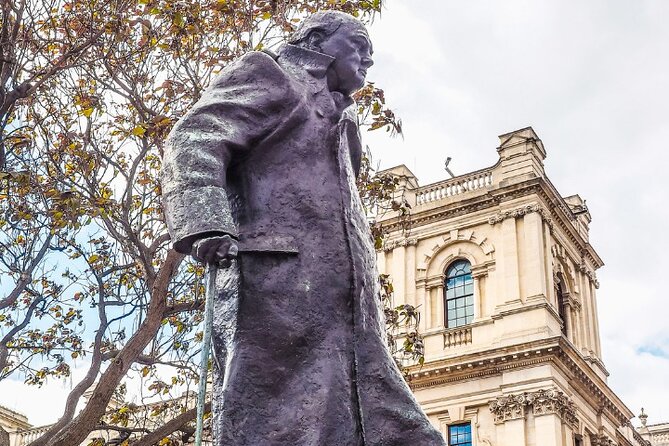
Stop 3 is the Winston Churchill statue in Parliament Square. The bronze figure shows Churchill in a determined pose, wearing an overcoat and leaning on his cane. Placed near the Houses of Parliament, it ties his personal image directly to the nation’s legislative center.
I like this stop because it works like a visual summary. You get a face, a stance, and an immediate location reference before you move into the building-centric portion of the walk.
It is also a free stop, which matters if you are trying to keep the overall trip budget-friendly. You spend only a few minutes here, so you are not committing to a long wait or an extended pause. It is more about resetting your attention.




Houses of Parliament: resilience you can actually see in context
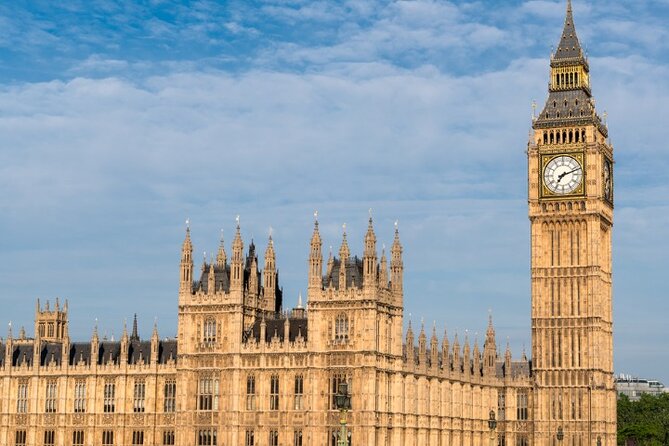
Stop 4 is the Houses of Parliament. The World War II connection here is resilience, including the fact that the Commons chamber was significantly damaged in 1941 due to air raids, yet parliamentary sessions continued.
This is where the guide’s interpretation can really pay off. It is one thing to know that Britain endured. It is another to learn that democratic processes kept running, even when parts of the building took hits. You also hear that Churchill delivered some of his iconic wartime speeches here, which connects the physical landmark to the voice of leadership.
A potential caution: because you are outdoors and moving between places, you might not be able to slow down as much as you would want if you prefer quiet contemplation. Still, the stop length is short enough that it feels efficient inside a 2 to 3 hour tour.
Battle of Britain Memorial: honor and the story behind the names
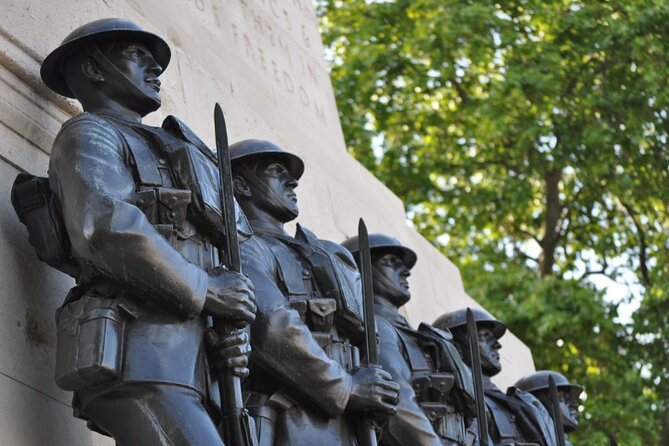
Next up is the Battle of Britain Memorial. It commemorates the bravery of Royal Air Force pilots who defended Britain during the decisive air campaign of World War II. The bronze monument includes detailed frieze scenes and names of airmen, which makes it more than just a general tribute.
For me, this stop is valuable because it shifts the focus from high-level government to the people who carried the fight. The guide can help you connect what Parliament and the government were doing with the reality that pilots had to protect the country from the air.
It is also a free stop, so you are not paying additional fees to slow your day down for remembrance. If you want your walk to include moments that feel respectful rather than purely informational, this is one of the best anchors on the route.
Women of World War II Memorial and the Cenotaph
Stop 5 is the Women of World War II Memorial. It highlights the contributions of British women, including roles in civil defense, military services, and wartime industries. The statue of a woman in overalls represents work that was essential but too often overlooked in the wider story.
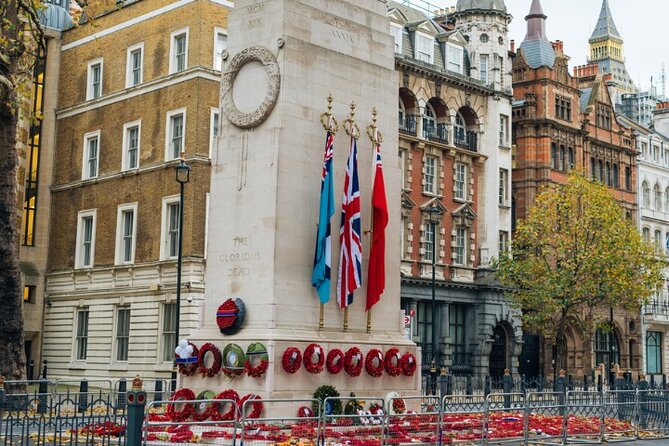
Then comes Stop 6, the Cenotaph. This is dedicated to British and Commonwealth soldiers who died in both World Wars and later conflicts. Every year on November 11, Remembrance Day ceremonies honor fallen soldiers there, making it a powerful national symbol.
I like how these two stops broaden the “who mattered” view of World War II. You still get Churchill’s focus, but you do not end up with a single-figure narrative. Instead, you see the wider effort, from service and industry to the cost paid by soldiers.
A consideration here is emotional tone. This part of the walk is naturally more solemn than the Downing Street or statue stops. If you are traveling with kids, you may want to decide in advance whether this kind of memorial time fits your group.
Ministry of Defence and HM Treasury: where planning met pressure
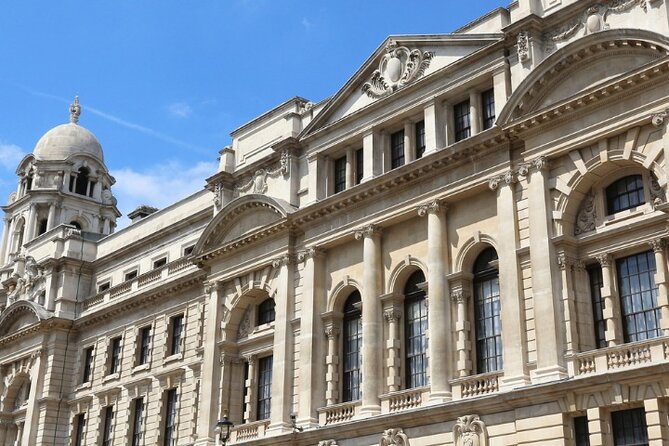
Stop 7 is the Ministry of Defence. The tour explains it as the British government department responsible for national defense and military affairs, coordinating defense policy and overseeing the armed forces. The headquarters is in the historic Main Building, which reinforces the theme that defense work is both bureaucratic and urgent.
Stop 9 is HM Treasury. Here, the wartime angle is about the war economy and administration. It housed government departments coordinating the war economy, ensuring resources for military and civilian needs. The basement is described as an emergency hub that helped protect officials during air raids.
These two stops are a big reason I think this tour gives you value beyond a simple Churchill biography. You start to see the machinery behind survival. Even if you are not an economics or defense buff, the guide’s framing helps the city feel like a living system rather than a set of photo backdrops.
Because both are exterior experiences within a walking route, you will not get museum-style exhibits. But the storyline is tightly connected to what these buildings represent, especially when you have just visited memorial sites and Churchill-linked landmarks.
Saint Margaret’s Church on Parliament Square and Churchill’s personal life
Stop 8 is Saint Margaret’s Church on Parliament Square. The highlight is Churchill’s personal connection: it is the site of his 1908 wedding to Clementine Hozier. The church is also called the Church of the House of Commons, reflecting its long association with parliamentary figures.
This stop matters because it interrupts the strictly wartime narrative. The tour is themed around World War II, but personal life and political identity overlap in real ways. By including a church tied to Churchill’s life events, you get a reminder that leaders are people first, even when history reduces them to headlines.
It’s also a free stop, and it gives you a calmer moment in the route. If you like architecture or the feeling of old London, this can be one of those “worth the quick pause” stops.
Price, value, and what to budget for Churchill War Rooms tickets
The tour costs $19.01 per person, which is a standout price for a guided walking experience covering multiple high-profile landmarks. The included items focus on the storytelling and the guided walk, with stops that include Downing Street, Houses of Parliament, the Churchill statue, the Battle of Britain Memorial, the Women of World War II Memorial, the Cenotaph, the Ministry of Defence, Saint Margaret’s Church, and HM Treasury.
The one clear cost add-on is Churchill War Rooms entry. The tour specifically lists Churchill War Rooms as exterior only, and entrance tickets are not included. If you want the underground complex itself, you should plan to buy tickets separately and factor in the time you might need.
I also think about value in terms of what you avoid. With memorials and landmark exteriors already in view, you do not have to pay for a series of admissions to make the walk meaningful. For many budgets, this keeps the tour from turning into a money drain mid-trip.
Duration at 2 to 3 hours also helps your math. It is not an all-day commitment, and it pairs well with other London plans like a museum visit or a late afternoon wander.
Who this London Churchill walk suits best
This tour is best for you if you want a guided, themed walk through Churchill-related landmarks and World War II memorials without spending time bouncing between unrelated sites. You’ll like it if you care about how government and defense work together, not just the headline history.
It also makes sense for you if you prefer a tight route with short stop times. You get a lot of context-per-minute, especially around Parliament and the memorial sites.
On the other hand, I would not book it if you have significant mobility limitations, since the tour is not suitable for guests with walking or mobility difficulties. And if you travel with a pram or stroller, it is not set up for that.
If you need service animals, the tour allows them. You will also find it runs in English and is built for most travelers.
Should you book this Churchill and World War II walking tour?
Yes, if you want a story-driven walk centered on Churchill and the wartime institutions around Parliament. The price is reasonable for the number of landmarks you cover, and the stop mix helps you understand the war from multiple angles, leadership, policy, defense, remembrance, and the role of women.
Book it with one clear expectation: Churchill War Rooms interior is not included. If you want the underground exhibits as part of your must-do list, plan to add tickets. If you are happy with exterior viewing and you mostly want the guided context, you will likely find the experience very satisfying and efficient.
If you’d like, tell me your travel dates and what else you plan to do that day. I can suggest a smart pairing for before or after the tour, based on a tight London schedule.
FAQ
Is Churchill War Rooms included in the tour?
Churchill War Rooms are listed as exterior only. Entrance tickets for the Churchill War Rooms are not included.
How long is the London Churchill and World War II walking tour?
The duration is about 2 to 3 hours.
Where does the tour start and end?
It starts at Embankment station, Embankment Pl, London WC2N 6NS, UK. It ends in front of the Churchill War Rooms at King Charles St, London SW1A 2AQ, UK.
What time does the tour begin?
The start time is 1:30 pm.
What language is the tour offered in?
The tour is offered in English.
Is there an admission cost for any of the stops?
Some stops are free (including the Winston Churchill statue, Women of World War II Memorial, and the Cenotaph), while Churchill War Rooms entrance tickets are not included.
Is the tour suitable for everyone?
The tour allows service animals. It is not suitable for guests with walking or mobility difficulties, and it is not suitable for prams, buggys, or strollers. The group size has a maximum of 25 travelers.
More Walking Tours in London


More Tours in London



More Tour Reviews in London
Not for you? Here's more nearby things to do in London we have reviewed



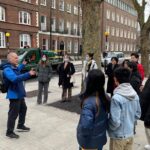





More London City Tours worth a look.
 ★ 4.6The London Eye Entry TicketTickets from $3935,875 guest reviews
 ★ 4.7From London: Harry Potter Warner Bros Studio TourTickets from $11726,588 guest reviews
Westminster to Greenwich River Thames CruiseTickets from $2222,836 guest reviews
Magical London: Harry Potter Guided Walking TourTickets from $2022,044 guest reviews
 ★ 4.6Madame Tussauds LondonTickets from $3620,915 guest reviews
 ★ 4.5Stonehenge, Windsor Castle, and Bath from LondonTickets from $11118,662 guest reviews
 ★ 4.7Warner Bros. Studio Tour with TransfersTickets from $14417,586 guest reviews
 ★ 4.7Tower Bridge Entry TicketTickets from $2115,560 guest reviews