
REVIEW · BRITISH MUSEUM TOURS
London: British Museum with Expert Guide.
One stop can turn ancient artifacts into stories. This British Museum tour runs 80 minutes with certified guide Strabo, so you hit big names like the Rosetta Stone and the Elgin Marbles without getting lost.
I like the way Strabo focuses on the exact objects that make the museum click, with a pace that works even for younger teens. I also appreciate the humor and the fact that he answers questions clearly without turning the tour into a lecture.
One possible drawback: 80 minutes is just enough for highlights, not enough for a full museum wander. If you like to linger, you will want extra time after the tour.
Key highlights worth knowing
- Rosetta Stone first, with a quick path to understanding Egyptian hieroglyphs
- Egyptian afterlife galleries, including mummies and coffins and how mummification worked
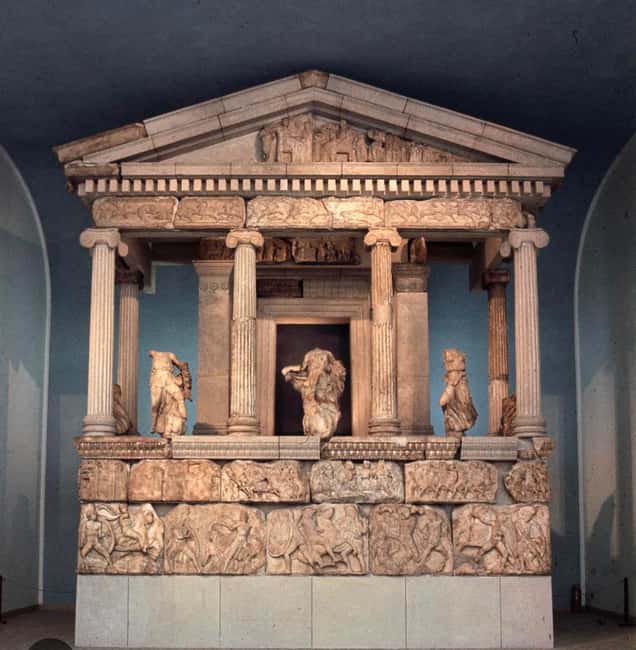
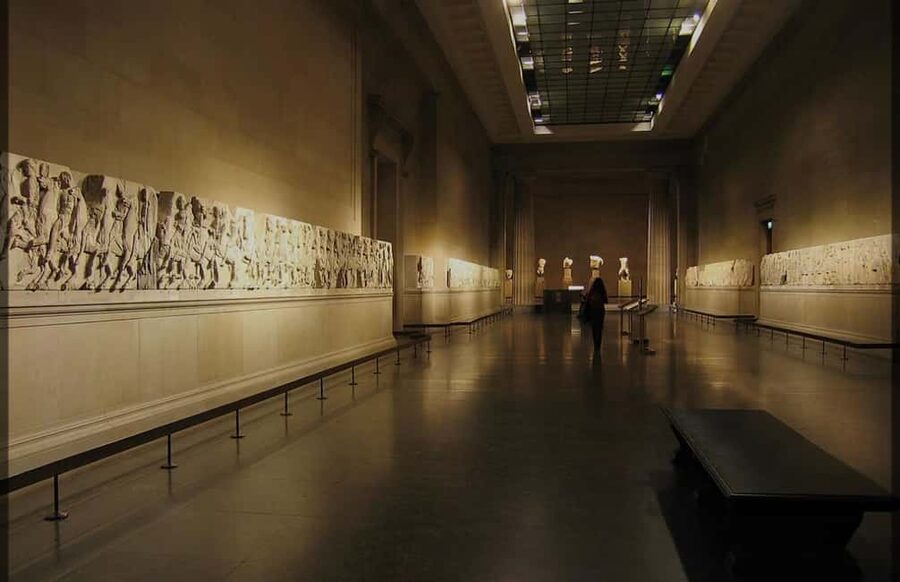
- Elgin Marbles on the agenda, with Parthenon sculptures from Athens and Greek mythology scenes
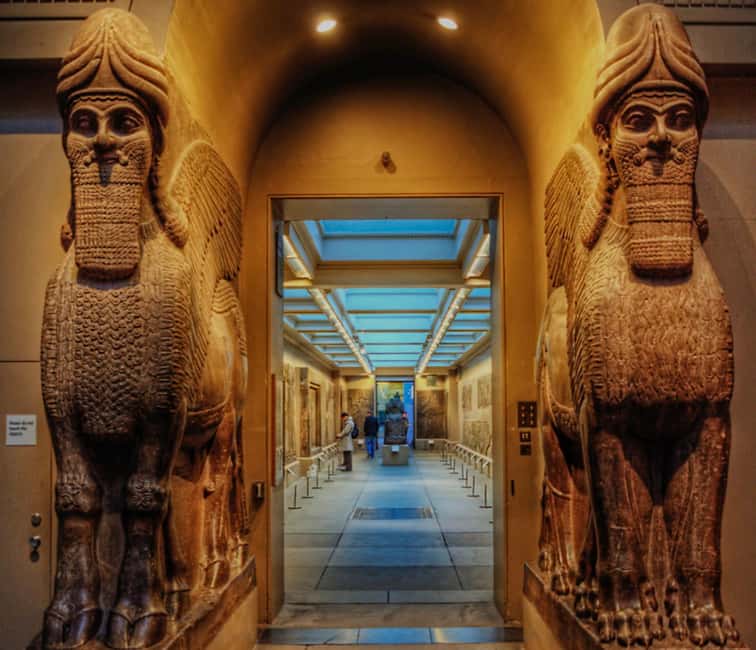
- Assyrian lion hunt reliefs, focused on royal power and craftsmanship
- Lewis Chessmen explained, including their Isle of Lewis discovery and Viking culture links
- A guide who keeps it moving, with light humor and easy answers for all ages
Why the British Museum works best with a guide
The British Museum can feel like walking into a world that never ends. One minute you are staring at ancient Egypt, the next you are surrounded by Assyrian reliefs, Greek sculptures, and medieval art, all packed into one building. That is great. It is also easy to waste time when you do not know where to begin.
This 80 minute guided tour is built for clarity. You get a short route through the museum’s most famous objects, with an expert guide helping you connect what you are seeing to what it meant in its own culture. You also get something practical: a way to move through a huge site without feeling like you have to do guesswork.
The other big win is tempo. The tour does not try to cover everything. It picks the objects that make the museum famous, then gives you enough context to understand why they matter. Afterward, you can decide what to revisit on your own.
You can also read our reviews of more guided tours in London


Meeting at Montague Place, two lions, one simple starting plan
You meet at the British Museum at the Montague Place entrance, right outside by the two stone lions. There are two entrances to the museum, so this is a helpful detail, and it keeps the start clean and fast.
You also start and end back at the meeting point. That matters more than it sounds when you are working with an 80 minute window. Instead of losing time tracking where your group went, you know exactly where you will be when the tour finishes.
The tour is live and in English, led by Strabo. That gives you a consistent thread throughout the experience, since the whole time you are following the same guide, the same storyline, and the same plan.
Rosetta Stone: the quickest way to read Egyptian stories
The tour’s rhythm begins with one of the museum’s most recognizable objects, the Rosetta Stone. The key value here is that you are not only looking at an artifact. You are learning why this stone matters to modern understanding of ancient Egypt.
In plain terms, the Rosetta Stone helped crack the mystery of Egyptian hieroglyphs. That unlocks a wider story, because hieroglyphs are not just decoration. They are how Egyptians wrote meaning, recorded ideas, and preserved beliefs.
With a guide leading the way, you get the advantage of focus. Instead of trying to figure out hieroglyphs on your own while standing in a busy gallery, you follow a short explanation first. Then when you look again, you are seeing the object with context, not just surface visuals.
This is also where the tour often wins over families. The pacing is built to keep attention, and you get just enough background to make the famous artifact feel relevant, not distant.
Ancient Egypt beyond the headlines: mummies, coffins, and beliefs
After the Rosetta Stone, the tour moves into ancient Egypt’s afterlife world. You will see parts of the museum collection connected to mummies and coffins, and the guide ties them to beliefs about life after death.
This is one of the tour’s best sections because it connects objects to people. Mummies and coffins can look like a strange modern curiosity if you only think of them as bodies preserved in the past. But with the right context, you start to understand them as part of a belief system that shaped ritual, care, and preparation.
The tour also explains mummification techniques at a level that fits an 80 minute experience. You are not asked to memorize details. Instead, you learn what the process was meant to accomplish, and why these preparations mattered in Egyptian thought.
If you care about how archaeology and history turn artifacts into stories, this section is the most satisfying kind of guided work. You leave with clearer meaning, not just a photo of something famous.
Elgin Marbles: Parthenon sculptures and Greek mythology
Next comes one of the British Museum’s most iconic art groups, the Elgin Marbles. These are Parthenon sculptures from Athens, dating to the 5th century BCE. On this tour, you do not just see them. You learn what the guide wants you to notice in the scenes, including their connection to Greek mythology.
Greek mythology is one of those topics where a little context changes everything. A sculpture can look like impressive stone work until you know what story it is showing, which characters or themes it represents, and why the Parthenon mattered as a civic and religious monument in its time.
With the guide, you get that bridge. You walk in with the understanding that these sculptures were built to communicate specific narratives and cultural ideals. You walk out with a better sense of why they are still discussed and studied today.
The main benefit of a tour here is timing. If you try to take this museum section on your own, you can end up wandering. With a guide, you are pointed at the works that anchor the bigger story of ancient Greece.
You can also read our reviews of more museum experiences in London





Assyrian lion hunt reliefs and the feeling of power
Then the route shifts to the ancient Assyrian world, featuring lion hunt reliefs. These intricate carvings are admired for artistry, but the tour also emphasizes what they communicate: royal power and status.
This part works well on a guided timeline because Assyria is often harder to interpret if you are not given a frame. Many visitors recognize the big names of ancient civilizations, then feel unsure about lesser explained artistic themes. Here, the guide helps you see the reliefs as deliberate storytelling, with the lion hunt functioning as more than a hunt scene.
You end up paying attention to the way the carvings stage action and authority. You start noticing how the figures and composition push a message about the ruler, the empire, and control over nature.
If you like art history but hate getting bogged down, this section is a good balance. You are not overwhelmed, and you still come away with a sense of meaning.
Lewis Chessmen: a medieval mystery with Viking links
One of the more fun and surprising stops on the tour is the Lewis Chessmen. These are intricately carved chess pieces discovered on the Isle of Lewis in Scotland. The tour explains why they matter, including their significance in Viking culture.
This is a great object to close the emotional loop of the tour. You started with writing in Egypt. You moved through sculpture tied to myth in Greece. You saw royal imagery in Assyria. Now you get a clever shift to daily life and belief expressed through gaming pieces that still feel mysterious today.
The fact that these chessmen connect to Viking culture is exactly the kind of cross connection a good museum guide is meant to provide. You are reminded that history is not only about wars and monuments. It is also about objects that people held, used, and valued.
The Lewis Chessmen section is often a crowd favorite because it feels human and slightly playful while still being deeply historical.
How the tour balances famous objects and real understanding
What I like about this style of museum tour is that it does not treat you like a passive audience. Strabo’s approach, as you can expect in a highlights route like this, is to keep information focused on what you are actually seeing.
That is where the reviews’ themes line up: the tour hits the key exhibits without piling on so much detail that you shut down. You also get answers to questions, which is a big deal in a museum. If something confuses you, you want a guide to explain it right then, not after you have drifted away to another gallery.
The humor element is also practical. Ancient history can be serious, but the museum experience does not have to be stiff. A lighter tone helps you stay present. It also makes the explanations easier to remember later.
If you are traveling with a teen, this kind of pacing is especially useful. The guide’s focus on highlights helps younger visitors feel included, and it keeps the tour from turning into an hour of waiting for the next object.
Timing tips: getting the most from an 80-minute highlight route
Eighty minutes goes fast. The trick is to arrive with the right expectations. You are not going to see every room. You are going to see the anchors: Rosetta Stone, Egyptian afterlife objects, Elgin Marbles, Assyrian lion hunt reliefs, and the Lewis Chessmen.
So before you start, do this simple mental prep. Decide what you want to feel by the end. Do you want a quick sense of how writing changed history? Then focus on Rosetta Stone. Do you want art and myth context? Pay attention to the Parthenon sculptures. Do you like empires and political symbolism? Lean into the lion hunt reliefs.
While you are on the tour, keep your camera ready, but remember the museum rules: photography is allowed, but flash photography is prohibited. Also, food and drinks are not allowed inside the exhibition rooms, so plan to grab anything beforehand.
This is a straightforward way to avoid a common problem. People rush through the highlights, then realize they forgot something important because they were juggling logistics.
After the guide: how to use your free time and museum map instincts
At the end, you are back at the meeting point. From there, you can keep exploring on your own, which is one of the best parts of this kind of tour. You have learned what matters, so your next steps feel easier.
You can also check the museum gift shop. The shop sells books, souvenirs, and replicas, which is a nice way to translate what you saw into something you can bring home. If you like to re-read explanations later, buying a museum book can be a smart follow-up, especially after you have heard object stories in the galleries.
If you still want more ancient Egypt after the tour, aim for the Egyptian sections next. If you want more Greek art, plan your wandering around the Parthenon material areas. The tour gives you a mental index, so you are not starting from zero.
Even if the museum feels overwhelming, this is how you turn overwhelm into a plan.
Price and value: $20.20 for a short route with expert context
The price listed is $20.20 per person for an 80 minute guided experience. On the surface, that can seem like a small add-on in a world-famous museum. In practice, it is often good value because it buys you three things most museum visits lack.
First, it buys time. You do not have to figure out what to prioritize in a maze of galleries. Second, it buys meaning. Seeing the Rosetta Stone, the mummies and coffins themes, the Elgin Marbles, Assyrian reliefs, and the Lewis Chessmen without context is like reading headlines only. Third, it buys momentum. The guide keeps the tour moving and the explanations understandable.
Could you do these highlights on your own? Sure. But you would have to bring your own understanding of hieroglyphs, Egyptian afterlife beliefs, Greek mythology in sculpture, Assyrian symbolism, and the Viking story behind chess pieces. This tour provides a guided version of that background in a time-efficient format.
If you only have a short window in London, this is also a smart way to get the British Museum’s top hits in one concentrated block.
Who this tour is best for
This tour is ideal if you want the British Museum’s most famous objects without spending hours figuring out how to connect them. It is also a good fit if you like art and history but get tired when explanations become too heavy.
It works well for:
- First-time visitors who want a confident route through the museum
- Families and groups who want a guide that can keep younger attention
- Anyone who wants to see multiple ancient civilizations in one sitting, from Egypt to Assyria to Greece to Viking Scotland
- People who prefer clear highlights over trying to cover everything
It might be less ideal if you want a slow, room-by-room museum experience. Since the tour is designed as a highlight route, you should expect to do further exploring on your own afterward.
Should you book this British Museum highlights tour with Strabo?
Book it if you want an efficient way to see the Rosetta Stone, Elgin Marbles, Assyrian lion hunt reliefs, and the Lewis Chessmen with a guide who keeps the tone light and answers questions. It is especially worth it if your time in London is limited or if you would otherwise spend the museum trying to decide where to go next.
Skip it only if you already know exactly what you want to study and you prefer to wander without a set highlight route. In that case, you can still enjoy the British Museum, but you may not get the same value from a structured 80 minute plan.
FAQ
How long is the British Museum guided tour?
The tour lasts 80 minutes.
What does the tour include?
It includes a guided tour of the British Museum with an inspiring journey through unforgettable objects.
Who is the guide?
The guide for this experience is Strabo, and the tour is in English.
Where do we meet at the British Museum?
You meet outside the Montague Place entrance by the two stone lions.
Is the tour wheelchair accessible?
The activity is wheelchair accessible, though some areas may be challenging to navigate.
Can I take photos inside the museum?
Photography is allowed, but flash photography is prohibited.
Are food and drinks allowed during the tour?
Food and drinks are not allowed inside the exhibition rooms.
Is there a set starting time?
There are starting times available, and you should check availability to see the exact times for your day.
What is the cancellation and payment option?
There is free cancellation up to 24 hours in advance for a full refund. You can also reserve now and pay later, meaning you pay nothing today.
More Museum Experiences in London
More Guided Tours in London



More Tour Reviews in London



Not for you? Here's more nearby things to do in London we have reviewed










More British Museum Tours worth a look.
 ★ 4.3British Museum Guided TourTickets from $231,182 guest reviews
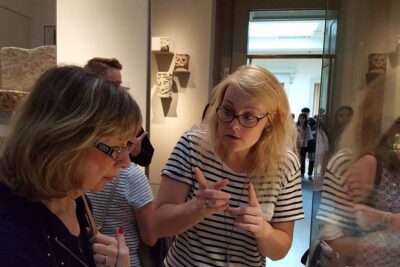 ★ 5.0British Museum London Guided Tour Semi-Private 8ppl MaxTickets from $108984 guest reviews
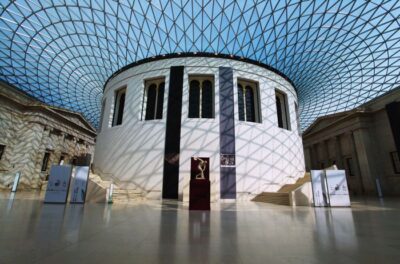 ★ 4.1Tour of the British MuseumTickets from $14678 guest reviews
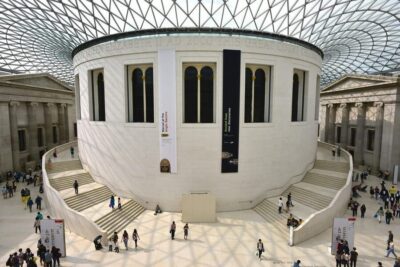 ★ 4.5British Museum Audio Tour & Priority Entrance TicketTickets from $9631 guest reviews
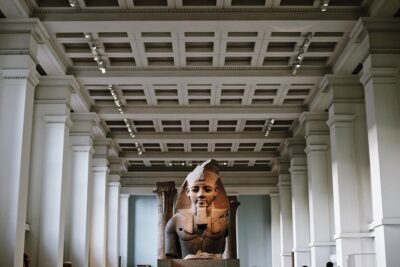 ★ 5.0The British Museum London – Exclusive Guided Museum TourTickets from $108555 guest reviews
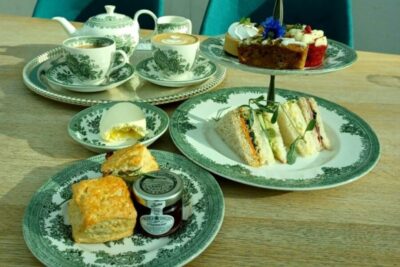 ★ 4.2Afternoon Tea at the British MuseumTickets from $58511 guest reviews
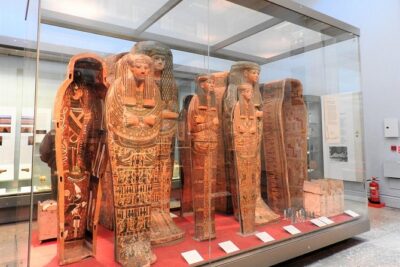 ★ 4.0British Museum Guided TourTickets from $18470 guest reviews
★ 4.5British Museum Guided TourTickets from $39267 guest reviews
★ 4.0British Museum Guided TourTickets from $18470 guest reviews
★ 4.5British Museum Guided TourTickets from $39267 guest reviews
Continue by place or experience