
REVIEW · BRITISH MUSEUM TOURS
London: British Museum Tour with Archaeologist Guide
London rewards people who look closer. This British Museum tour turns a massive building into a clear story you can follow. You get an archaeologist guide, and you’ll move through famous objects like the Rosetta Stone and the Parthenon Marbles with context you won’t get from plaques alone.
Two things I especially like: a real archaeologist guide (you’ll hear why objects matter, not just what they are) and a strong set of top-tier highlights that still leaves time to see more on your own after the tour. One drawback to plan for is the museum crowd. Even with skip-the-line entry, you may still feel pressure moving through popular galleries in peak times.
The vibe is practical, focused, and fast paced for 2.5 hours. The guide’s name is Rossa in multiple bookings, and he’s known for turning artifacts into vivid stories while keeping the group together.
Key points to know before you go
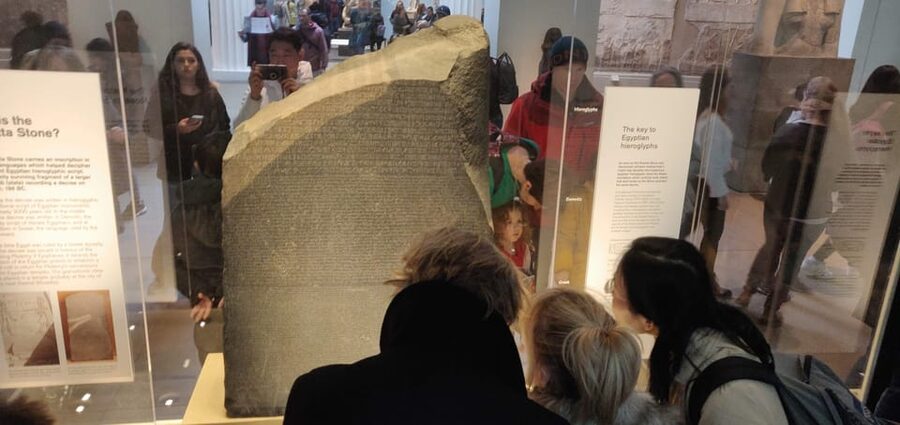
- Archaeologist-led storytelling that links Egyptian, Greek, Assyrian, Viking, and more into one timeline you can actually remember
- Skip-the-line entry with a separate entrance, plus a short walk from Russell Square to the museum
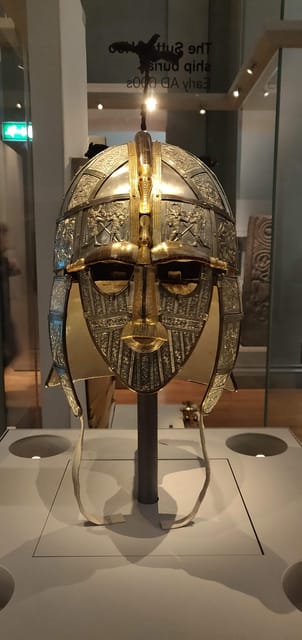
- A highlight run that includes Rosetta Stone, Parthenon Marbles, Lewis Chessmen, and the Sutton Hoo hoard tied to King Raedwald
- The tour focuses on a handful of major galleries, so you do not leave feeling like you missed everything, even though the museum is enormous
- Expect a small-group feel and a guide who stays audible in noisy rooms, which matters inside the British Museum
- Bring comfortable shoes and water, and leave luggage behind since large bags are not allowed
Why this British Museum tour works in 2.5 hours
The British Museum can swallow a day. Rooms stretch on, signs multiply, and the whole thing starts to feel like sightseeing by spreadsheet. This tour fixes that problem by picking the objects that carry the biggest ideas, then explaining the context behind them.
You’re not just getting a list of must-sees. You’re learning how archaeologists think. That shows up in the way Rossa talks about objects, where they came from, and why scholars argue about meaning when the evidence is incomplete. It’s the difference between reading what something is and understanding why it matters.
You’ll also get a structure that is easy to repeat later. After 2.5 hours, you can still walk back into the museum on your own and know what to look for first. That is a real value boost, because you’ll stop wasting time wandering and start scanning with purpose.
You can also read our reviews of more guided tours in London


Meeting at Russell Square, then straight into the museum
Your guide meets you at the entrance of Russell Square Station, holding a tablet with Spirit of Discovery on the screen. From there, it’s a short 5-minute walk to the British Museum.
One important detail: the group leaves promptly at 9.45am to protect the museum entry slot. The tour does not wait for late comers. If you’re running behind, you should call for directions to the group. That matters because the “skip the line” part only works when the schedule stays tight.
On arrival, you’ll use a separate entrance for skip-the-line access. It’s not just a convenience. It helps you get into the galleries faster, which in a time-limited tour means more time with the objects and less time standing around.
The walkthrough you’ll actually enjoy: from the Rosetta Stone to Sutton Hoo
The tour’s highlights cover a wide geographic sweep, but it stays readable. Here’s how the story comes together as you move through the museum.
Standing before the Rosetta Stone and learning how decoding works
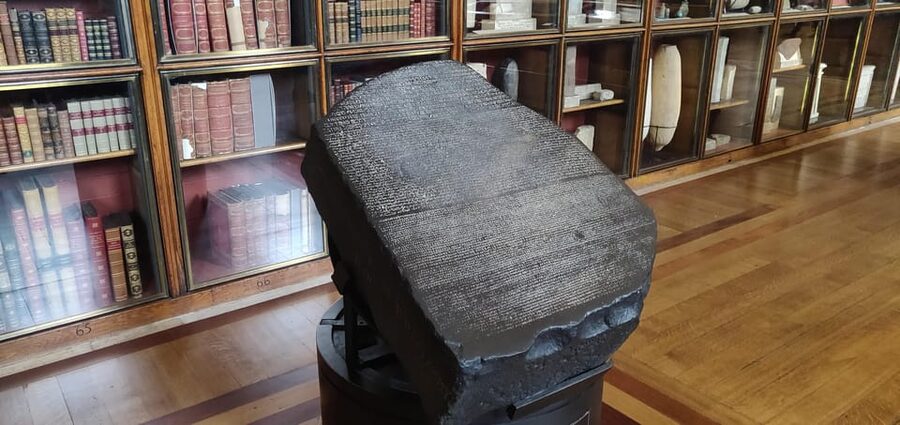
You start with Egypt’s most famous text puzzle, the Rosetta Stone. You’ll hear how it helped unlock the secrets of Egyptian hieroglyphs. The key point is not just the wow factor of seeing a celebrity artifact. It’s the method: how scholars use one clue to crack a bigger system.
This is also where a good guide earns their keep. Plaques tell you what the stone is. Rossa’s approach is about why the stone mattered and how the translation shift changed the study of ancient Egypt for good.
Ramses II and the feel of imperial power
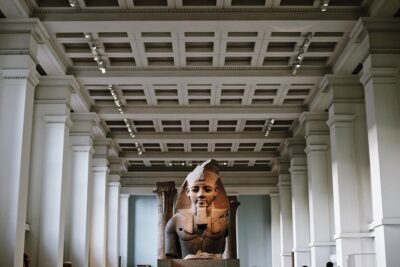
Next you’ll look at the colossal statue of Pharaoh Ramses II. When you’re this close to something large and carved, it hits differently. You’re not reading about leadership, you’re seeing how a ruler wanted to be remembered.
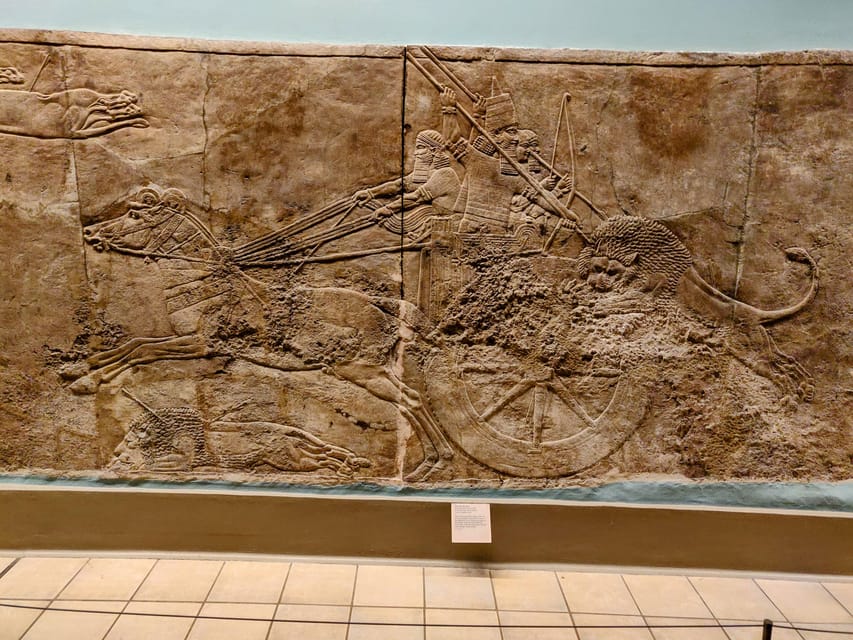
From there, the focus widens to the Assyrian Empire, including towering palace imagery. The takeaway is how different civilizations used art to project control, legitimacy, and fear. Even if you only remember one thing from this stop, it should be the idea that political power often shows up as visual design.
You can also read our reviews of more museum experiences in London





The Parthenon Marbles: art, politics, and why the debate never died
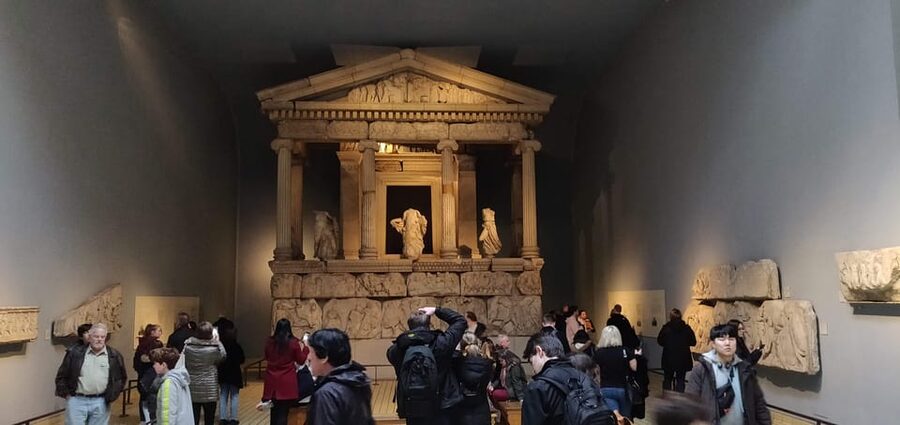
Then comes Greece. You’ll see the legendary Parthenon Marbles, some of the museum’s headline objects. A good museum visit turns into a good question session here, because these pieces sit at the intersection of art, archaeology, and modern ethics.
You’ll get context on why they were brought together in the museum and why scholars still talk about them. The goal is not to win an argument in 2.5 hours. It’s to help you understand why the object is both an artwork and a historical document of 19th-century collecting.
Vikings in plain sight: Lewis Chessmen
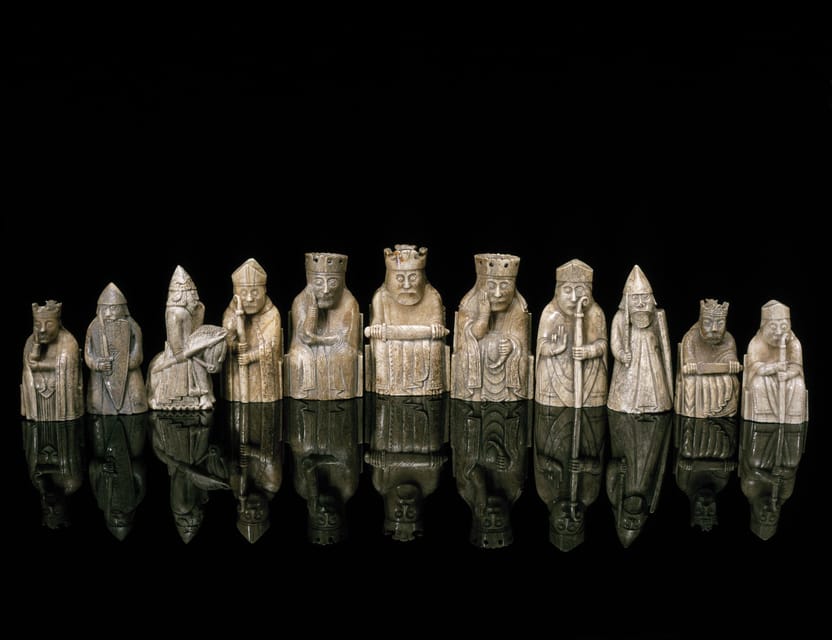
Switching gears to the Viking Age, you’ll see the Lewis Chessmen. These are one of those artifacts that makes you go, wait, people were doing this much earlier than I thought. The guide ties them to the culture that made them, so you can see beyond the idea of Vikings as only raiders.
In a tour format like this, the value is speed plus clarity. You don’t get lost in every technical detail. You get the core understanding of what the pieces say about daily life, craftsmanship, and trade or movement of goods.
Dark Ages through treasure: Sutton Hoo and King Raedwald
Near the end of the big hits, you’ll travel into what many people call the Dark Ages, guided by the Sutton Hoo hoard. This hoard is a rare survival, and you’ll hear about the mysterious King Raedwald who is connected to it.
This part feels especially satisfying because it brings archaeology into sharp focus. When written records are thin, objects carry the story. A hoard can tell you about status, belief, and how people interacted with wealth and power. It’s one of the best ways to show why archaeology is more than collecting artifacts. It’s reconstructing lives from fragments.
Plus the world beyond the classics: Aztecs and Easter Island
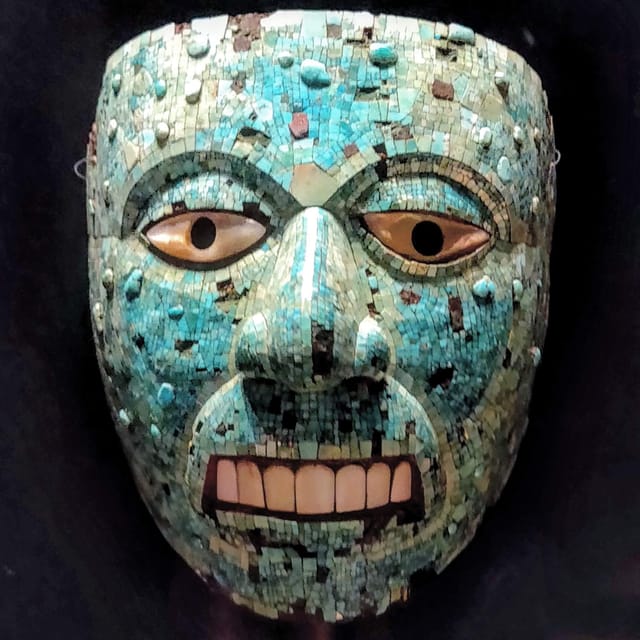
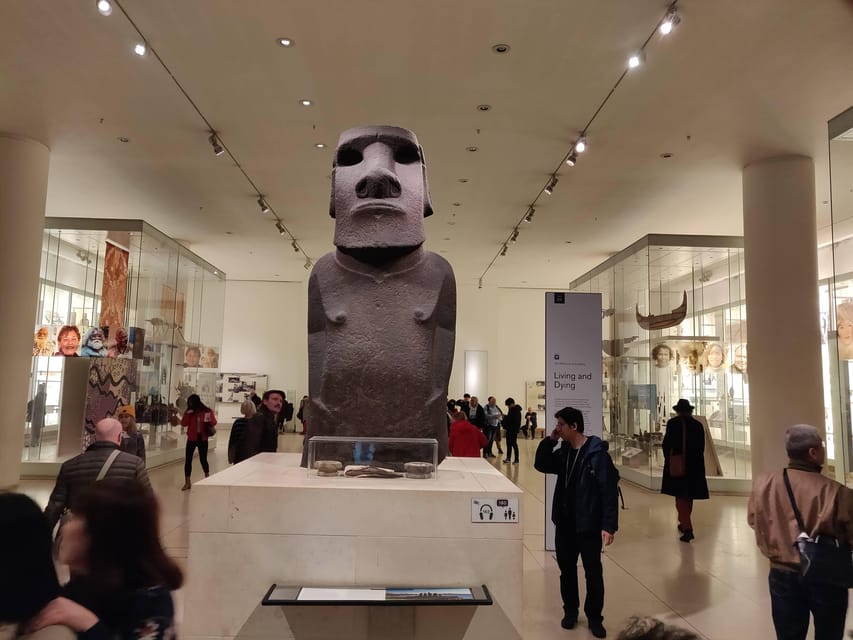
The tour also includes other standouts that keep you from settling into a single theme. You’ll see the crown jewels of the Aztec Empire, hear secrets of the Moai statues of Easter Island, and connect these objects to the civilizations that made them.
Even if you do not know anything about these cultures before arriving, you’ll leave with a sense of how art and objects express meaning. That’s the big win of a guided tour that covers multiple regions, instead of only sticking to the easiest checklist.
The guide, Rossa: storytelling that keeps momentum in crowds
A British Museum tour lives or dies on the guide’s ability to keep things moving. The museum is noisy in places, and there are always more people than you want.
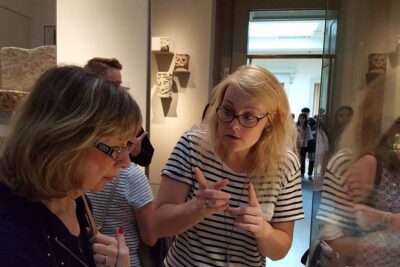
Rossa stands out for two reasons. First, his explanations tie artifacts directly to their makers and their purpose. Second, he keeps the group together in a way that feels calm, even when you’re funneling through popular rooms.
You’ll also notice that he often chooses a small number of major exhibits and builds depth around them. That approach matters because the museum is too big to “see everything” anyway. With Rossa’s pacing, you get to actually look at objects, not just pass them.
Some bookings mention he uses preparation notes on an iPad, almost like a professor with a museum key. You don’t need to be an archaeology nerd to appreciate that. It just means you get clear, organized information and fewer awkward pauses.
What’s included, what’s not, and what to bring
This experience includes entry to the British Museum, the British Museum tour, and an archaeologist guide. Food and drinks are not included, so plan a stop before or after.
What to bring is simple:
- Comfortable shoes
- Water
What not to bring:
- Weapons or sharp objects
- Luggage or large bags
The “no large bags” detail is a big deal in London. If you have a backpack you can carry easily, you’ll likely be fine. If you show up with something bulky, you may lose time at the museum to sort it out. Pack light and you’ll enjoy the tour more.
Pricing and value: is $58 a good deal for the British Museum?
At $58 per person for a 2.5-hour guided tour, you’re paying for time-saving and expert interpretation. The British Museum itself has entry costs covered here, plus you get the guide.
Is it worth it? For me, the value comes down to two questions.
First, do you have limited time? If you only have a morning or early afternoon, a guided highlights route is a smart use of your schedule. Second, do you want meaning, not just photos? If you’re the type who reads labels, you’ll like this more because the guide turns labels into story and explanation.
The tour also has strong demand signals, with a 4.9 rating from 68 reviews. That doesn’t make it perfect, but it does suggest a consistent experience and a guide who delivers.
If you’re the type who enjoys roaming slowly through every gallery and you’re happy with basic plaque reading, you might decide to self-tour. But if you want the museum to make sense quickly, the price looks reasonable for what you gain.
Schedule reality: how to plan around the 9.45am departure
Because the group leaves promptly at 9.45am, your day planning needs to be tight. Arrive at Russell Square with buffer time, not optimism.
A good trick is to treat the first 30 minutes like a train connection. Get there early enough that if something goes wrong, you can still regroup and start on time. That way you don’t stress through the walk and you get your full tour experience.
The tour finishes at The British Museum, meaning you can continue exploring right after. This is one of the best ways to travel smart. Do the guided “big story” first, then spend your remaining time on what you personally liked most.
Who this tour fits best
This is a great match if you:
- Have a short window and want a guided path through the museum’s biggest objects
- Want archaeology context, not just museum facts
- Like family-friendly learning, since the guide has kept children engaged in multiple groups
- Prefer a focused tour where the time feels well paced
It may be less ideal if you:
- Want to spend most of your visit wandering at your own speed
- Get impatient with longer explanations
- Visit during peak hours when crowds make it hard to linger in one spot
The museum is popular. Even with a guide, you will still feel that. The difference is the guide helps you keep moving with purpose.
Should you book this British Museum archaeologist tour?
Book it if you want the British Museum to feel like a story you can follow. The combination of archaeologist-led guidance, skip-the-line entry, and a highlight route through the Rosetta Stone, Parthenon Marbles, Lewis Chessmen, and Sutton Hoo is a strong use of time.
Skip it if you’re planning a long museum day and you enjoy building your own route gallery by gallery. In that case, self-guided wandering might suit you better.
My practical advice: if you’re in London for multiple days, this tour is still a smart way to “get your bearings fast.” Do it early, then use the rest of your museum time to go back to the objects and cultures that caught your attention.
FAQ
Where is the meeting point for the tour?
Your guide meets you at the entrance of Russell Square Station and holds a tablet showing Spirit of Discovery.
How long is the British Museum tour?
The guided tour runs for 2.5 hours.
What time does the group need to depart?
The group needs to leave promptly at 9.45am to make the museum entry slot.
What is included in the price?
The price includes entry to the British Museum, the British Museum tour, and an archaeologist guide.
Is food included?
No. Food and drinks are not included.
What should I bring?
Bring comfortable shoes and water.
What items are not allowed?
Weapons or sharp objects are not allowed, and luggage or large bags are not allowed.
Is the tour wheelchair accessible?
Yes, the tour is wheelchair accessible.
More Guided Tours in London


More Tours in London




More Tour Reviews in London


Not for you? Here's more nearby things to do in London we have reviewed










More British Museum Tours worth a look.
 ★ 4.3British Museum Guided TourTickets from $231,182 guest reviews
 ★ 5.0British Museum London Guided Tour Semi-Private 8ppl MaxTickets from $108984 guest reviews
 ★ 4.1Tour of the British MuseumTickets from $14678 guest reviews
 ★ 4.5British Museum Audio Tour & Priority Entrance TicketTickets from $9631 guest reviews
 ★ 5.0The British Museum London – Exclusive Guided Museum TourTickets from $108555 guest reviews
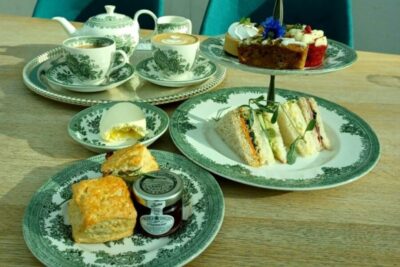 ★ 4.2Afternoon Tea at the British MuseumTickets from $58511 guest reviews
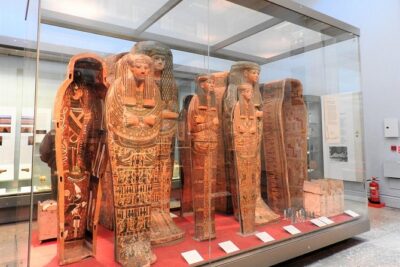 ★ 4.0British Museum Guided TourTickets from $18470 guest reviews
★ 4.5British Museum Guided TourTickets from $39267 guest reviews
★ 4.0British Museum Guided TourTickets from $18470 guest reviews
★ 4.5British Museum Guided TourTickets from $39267 guest reviews
Continue by place or experience