
REVIEW · BRITISH MUSEUM TOURS
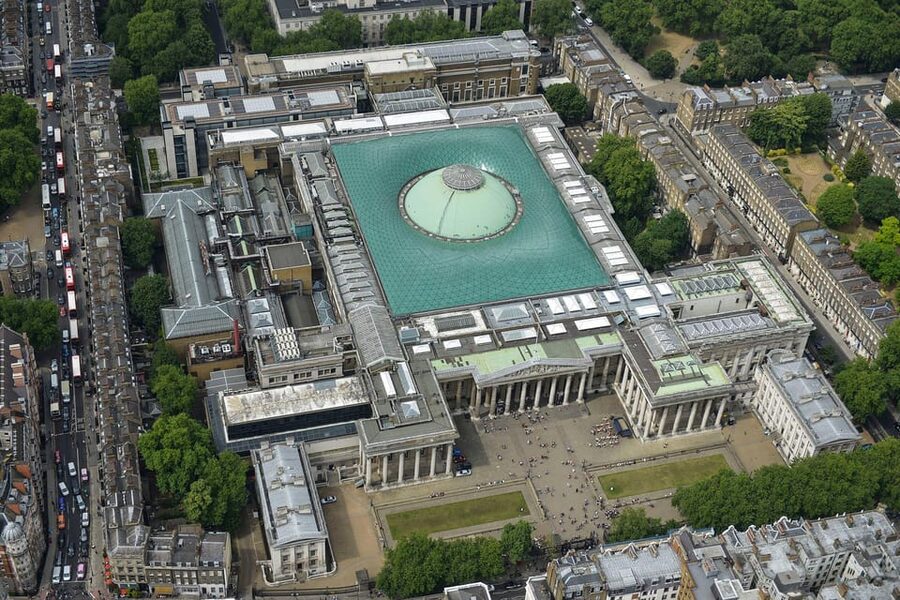
London: British Museum Guided Tour with Free Entrance Ticket
Some museums feel like a maze. This one gives you a clear route through world-famous objects with fast-track entry. You’ll focus on the stories behind the Rosetta Stone, Ramses II, and the Elgin Marbles, plus a set of eye-catching artifacts that most people miss when they wander on their own. One thing to factor in: the British Museum is extremely popular, so you’ll need to arrive early and be flexible with meeting and entry details.
I like that the tour is built around a tight, memorable hit list, so your time in the galleries feels efficient instead of random. I also appreciate that you get an expert live guide with English, Spanish, and Italian options, and that the tour is only 2 hours, which makes it easy to slot into a London day.
The main drawback is logistics. The meeting point is specific, the museum security process can slow things down, and during busy times the entry route may change (they may direct you to use Montague Place). If you hate last-minute instructions, this may feel slightly stressful.
Key highlights you will actually feel
- Fast-track entry so you can start faster after security
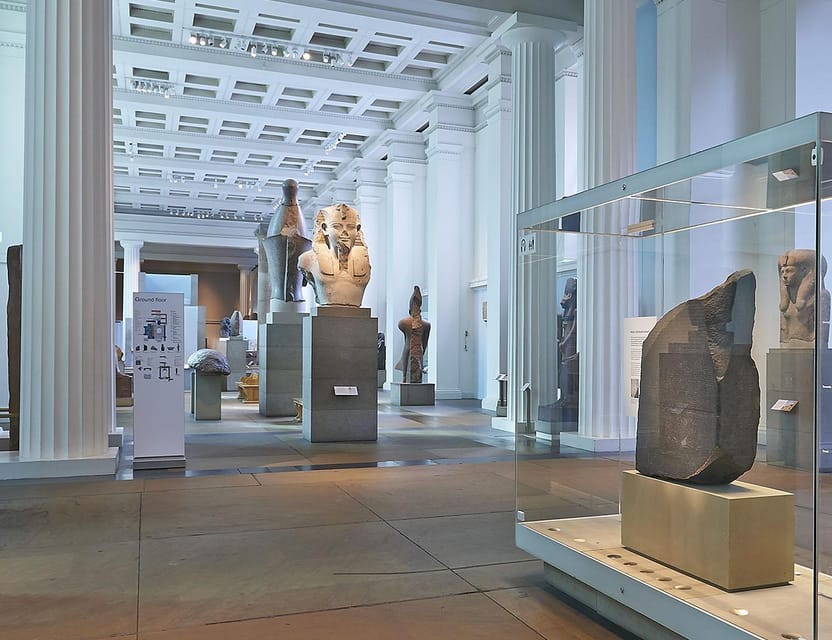
- Rosetta Stone explained as the key to ancient Egyptian deciphering
- Ramses II and the “colossal” scale of royal power in stone
- Elgin Marbles viewed with context, including the controversy around them
- Assyrian human-headed winged lions and the unusual Aztec double-headed snake
- A smarter mini-roundtrip across Moai, Sutton Hoo, Stonehenge, and Lewis chessmen
Fast-track start: how you’ll enter and where to meet
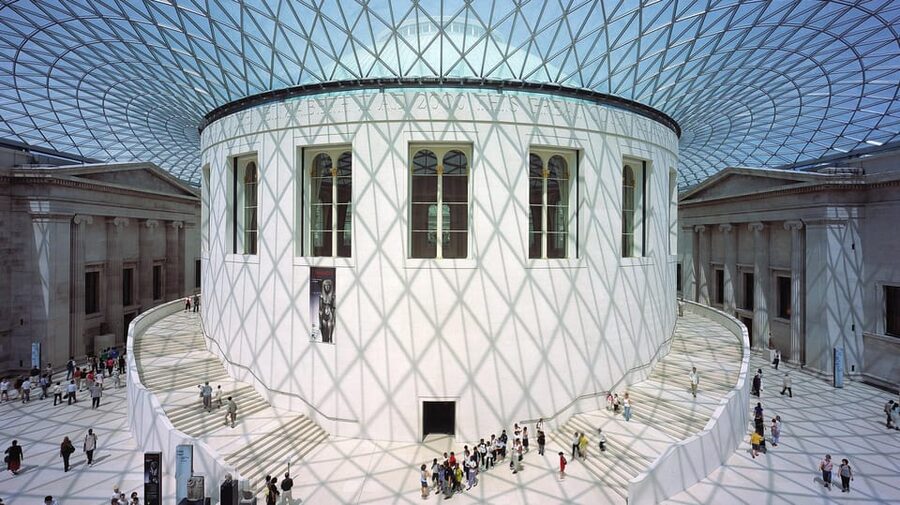
This tour is timed for the British Museum’s reality: it’s the most visited museum in the world, and lines can be brutal. The big practical benefit here is fast-track entry, which helps you move from security toward your guided route without wasting most of your limited time.
Your meeting point is at the main entrance after the security check, on the staircase. The rule is simple: arrive at least 15 minutes early. I treat that as non-negotiable. If you’re even a little late, you can lose the start of the narration and end up chasing your group.
Also pay attention to the small-print behavior that can matter on the day. The operator notes that during busy times they may need to change the entrance at Montague Place, and they ask you to check your WhatsApp messages for updates. In my opinion, this is a smart system for a museum that can reroute crowds. It just means you should plan to have your phone handy, with notifications on.
One more logistics note that affects your comfort: the museum sets rules for what you can bring. The tour info says no flash photography and no backpacks. Wear comfortable shoes, and bring water. If you’re trying to travel with a big bag, you might want to plan for storage so you’re not fighting the rules at security.
Finally, a quick reality check on accessibility: this tour is not suitable for people with mobility impairments or wheelchair users, based on what’s described.
More London tours and experiences for the shortlist


Two hours, big world: what you’ll see and why it works
A 2-hour museum tour is short enough that you must choose. This one chooses for you, and that’s the point. Instead of trying to cover everything, the guide leads you to a set of major artifacts and then gives you the “why this matters” story around each stop.
In a museum as massive as the British Museum, most visitors accidentally do one of two things:
1) They zigzag and miss the connections.
2) They get stuck at a few highlights and run out of energy before the rest of the collection.
This tour’s structure helps you avoid both. You’ll see iconic objects that anchor multiple civilizations, then you’ll get a handful of striking pieces that broaden the view beyond the usual highlights.
Here’s what you can expect to cover as part of the tour focus:
- Ancient Egypt’s decoding breakthrough with the Rosetta Stone
- The imposing presence of the colossal statue of Ramses II
- The famous and controversial Parthenon sculptures known as the Elgin Marbles
- Near East drama in the Assyrian human-headed winged lions
- A rare and strange form of visual storytelling in an Aztec double-headed mosaic snake
- Plus other British Museum power objects, including Moai, the Sutton Hoo burial ship, Mold Cape from Stonehenge, and medieval Chessmen from the island of Lewis
What makes this valuable is the way these stops create conversations across time. You’re not just looking at art. You’re looking at how people recorded power, belief, trade, craftsmanship, and even identity.
Rosetta Stone and Ramses II: codes, power, and scale
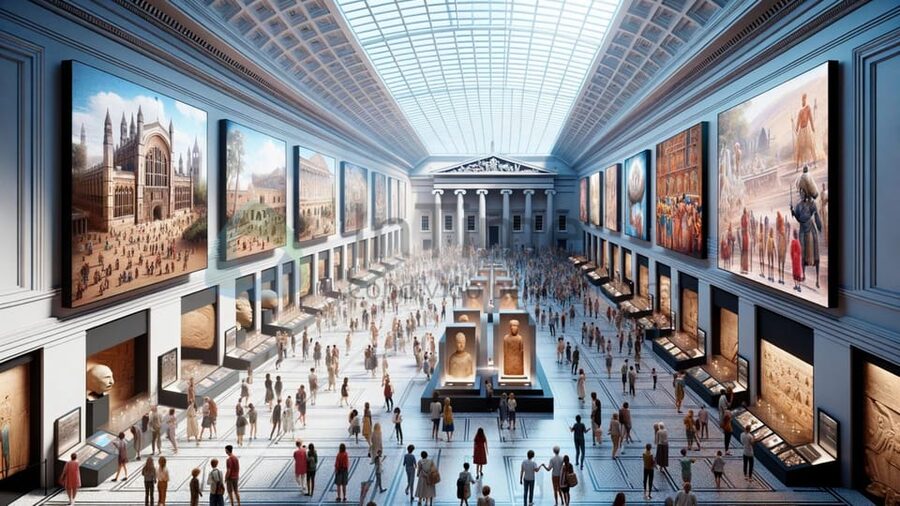
Two of the stops act like a storytelling doorway into the museum.
First: the Rosetta Stone. The tour description frames it as the object that unlocked the secrets of ancient Egypt. That’s not just a flashy claim. It’s why this artifact became a cultural hinge. When you learn what the stone represents, you stop seeing it as a single object behind glass and start seeing it as a key that made reading the wider language possible. Even if you’re not an Egypt-history person, it helps you understand why scholars got so excited and why the object has stayed famous.
Second: the colossal statue of Ramses II. The tour calls it the museum’s colossal Ramses II centerpiece, the most powerful pharaoh. Scale is a huge part of what you’ll feel here. Standing near something designed to project authority, you can almost see the political message the artist intended: this ruler mattered, and the image was meant to last.
I like this pairing because it hits two different kinds of impact:
- The Rosetta Stone shows how knowledge is recovered when the puzzle pieces finally fit.
- Ramses II shows how power is manufactured and displayed through monumental art.
If you love big moments in small time windows, these two stops are the backbone.
Elgin Marbles, Assyrian lions, and an Aztec double-headed snake
This is where the tour becomes more than a checklist.
The Elgin Marbles are a highlight, but the value is context. The tour description specifically flags the Parthenon sculptures from Athens and notes the controversy around them. That means you should expect an explanation that goes beyond “what it is” and touches on why the sculptures are complicated, and why that complication matters in a museum setting. If you care about ethics in world culture collections, this stop is one to watch closely.
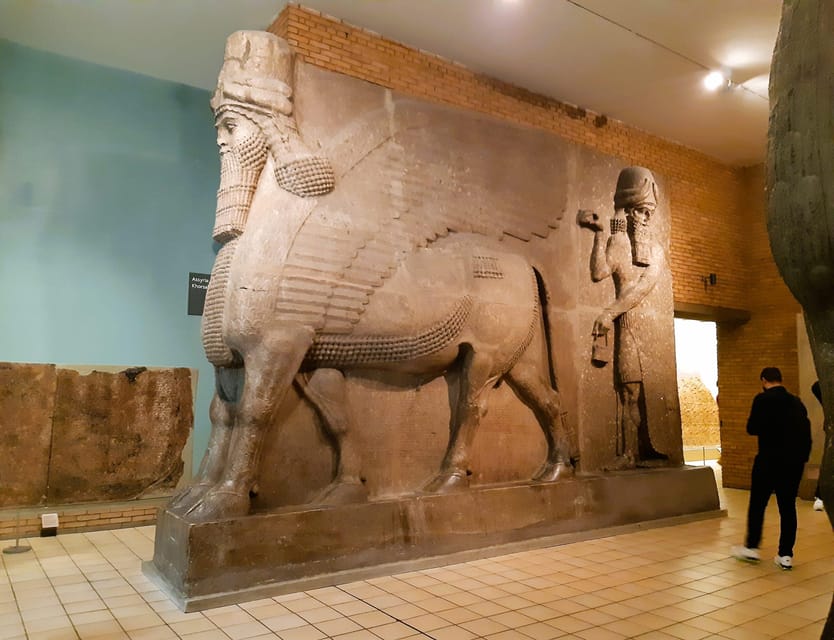
Then you shift from Greek stone drama to Near East myth energy with the Assyrian human-headed winged lions. These are the kind of creature images you notice instantly, because the face is human, but the body and wings are impossible. The guide’s job is to translate that visual language into meaning, so you understand what the lions signal in their original world rather than just admiring their craftsmanship.
Finally, the Aztec double-headed mosaic snake adds that “how is this even real?” factor. The tour describes it as one of the most rare objects in the museum. I like including a rare object on a short tour because it gives you a real conversation piece to remember later. You’ll likely come away thinking about materials and symbolism, not just dates.
Together, these stops broaden your mental map of the museum. You start to see that the British Museum isn’t only about one region. It’s about how human creativity travels, adapts, and gets collected in one place.
Moai, Sutton Hoo, Stonehenge, and Lewis chessmen
The second half of the tour leans into objects that connect directly to what many visitors come to London to discover: British archaeology and famous world culture pieces.
You’ll see:
- Moai from Easter Island, bringing a strong sense of distant island culture into the museum’s global room.
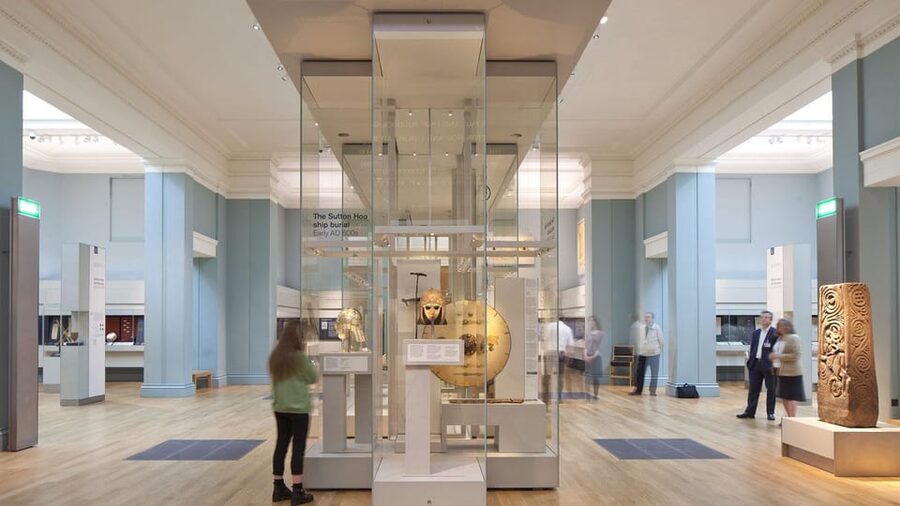
- The Sutton Hoo burial ship, one of the museum’s most spectacular British archaeological discoveries. This kind of object tends to feel less like a sculpture and more like a doorway into life, status, and beliefs.
- The Mold Cape from Stonehenge. This is a great stop if you want the Stonehenge story to feel more human. You’re not only looking at monuments. You’re seeing what people wore and used, even as we read the past through limited evidence.
- Medieval Chessmen from the island of Lewis, which often delight people because they turn history into something tangible and playable. Even if you’re not a chess person, the idea that pieces of a game have survived from the medieval period makes the past feel close.
One note: the tour description doesn’t give an exact stop order in the galleries. In practice, guides often adjust the route based on crowd flow and where you can move best. So don’t expect the stops to follow a strict geographic loop.
The good part is that the time still feels coherent. You’ll leave with a lineup of objects that covers:
- Ancient power and writing (Egypt)
- Myth and empire context (Assyria, Greece)
- World craft and unusual form (Aztecs)
- British archaeological “wow” (Sutton Hoo, Lewis chessmen, Mold Cape)
- And a big human scale connection (Moai)
You can also read our reviews of more guided tours in London




Guide performance, group movement, and what to watch
A guided tour is only as good as the person driving it, and the reviews offer real clues.
One guide name that stood out in the feedback is Angel. In at least one reported case, Angel had a train delay, but he contacted the group and shared options for what to do while waiting. That kind of communication matters. It turns a potential headache into a manageable pause, and it signals that the operator is trying to protect the experience, not just the schedule.
There’s also a helpful group-size wrinkle you should know about. One review notes that the meeting instructions referenced entering via the front steps, but because their group was bigger than 8 people they were not allowed to enter that way and had to walk to the back entrance instead. That tells me you should treat the “meet on the staircase” instruction as your baseline plan, but still be ready for the guide or staff to adjust the entry route based on crowd control.
What you can do to make this smoother:
- Arrive early enough that you’re not rushed after security.
- Keep your phone ready for WhatsApp updates.
- Plan for the fact that the museum staff might reroute entrances when it’s crowded.
And a small comfort reminder: the tour info suggests you bring comfortable shoes, a camera, and water. You’ll be on your feet, and the museum is huge.
Price and value: is $35 for 2 hours worth it?
At $35 per person for a 2-hour guided tour, the value question comes down to what you would do if you walked in on your own.
If you DIY the British Museum, the biggest costs are time and attention. You lose time to lines and security, and you lose attention because the museum’s scale makes it hard to pick the right sequence. A fast-track entry can help, but what you mainly pay for is the guide’s selection and interpretation.
This tour includes:
- Fast track entry
- An expert live guide
- Access to the museum’s most famous objects
In plain terms, you’re buying:
- A shortcut through the most frustrating part of the day (getting in)
- A curated route that hits the objects you actually want to see
- Explanations that connect what you’re looking at to bigger stories
Could you spend less by skipping a tour? Yes, if you’re the type who loves wandering and already has a plan. But if you’re trying to make the most of a limited London window, paying for the structure often wins.
Also, you don’t need to add extra costs just to have a good experience. Food and drinks are not included, so bring water and plan for a snack on your own. Personal expenses are also your responsibility, as expected.
If you’re visiting on a tight schedule, this is the kind of paid experience that can prevent you from spending your best hours stuck in decision mode.
Who this British Museum tour fits best
This tour is a good match if you:
- Want the big British Museum hits without spending your whole day planning
- Like clear guidance through huge spaces
- Appreciate both famous artifacts and the unusual ones that broaden your perspective
- Prefer a 2-hour format that keeps energy high
It also makes sense if you’re visiting with limited time between other plans. The tour’s duration is short enough to slot into a morning or afternoon.
If you have accessibility needs, the tour is noted as not suitable for wheelchair users or people with mobility impairments, so you’ll need a different approach.
If you hate group schedules, this is still manageable since it’s only 2 hours. Just remember that the museum can be crowded, so arrive early and follow instructions.
Should you book this tour, or skip it?
Book it if:
- You value fast-track entry and want to protect your time.
- You’d rather have a guide explain the why behind the objects, especially the Rosetta Stone, Elgin Marbles, and the animal-and-symbol crowd-pleasers like the Assyrian winged lions and Aztec double-headed mosaic snake.
- You want a tight tour that covers not only ancient world icons but also major British archaeology like Sutton Hoo, Mold Cape, and Lewis chessmen.
Consider skipping or choosing another option if:
- You want total freedom to roam at your own pace with no structure.
- You’re sensitive to crowd reroutes or changing entrance instructions when the museum is busy. The WhatsApp update system exists for a reason.
My practical bottom line: for a short London visit, this tour is a high-efficiency way to see the British Museum’s headline objects and make sense of them.
FAQ
Where do I meet my guide for the British Museum tour?
Meet your guide at the main entrance after the security check, on the staircase. Arrive at least 15 minutes early.
Does this tour help you avoid museum lines?
Yes. Fast track entry is included to help you skip the long lines and start sooner.
What are the main highlights included in the 2-hour tour?
The tour focuses on famous objects such as the Rosetta Stone, the colossal statue of Ramses II, the Elgin Marbles, the Assyrian human-headed winged lions, the Aztec double-headed mosaic snake, and additional items including Moai, the Sutton Hoo burial ship, the Mold Cape, and Lewis chessmen.
What do I need to bring?
Bring comfortable shoes, a camera, and water.
Is flash photography allowed?
No. Flash photography is not allowed.
Are backpacks allowed?
No. Backpacks are not allowed.
What languages is the live guide available in?
The live tour guide is available in English, Spanish, and Italian.
Is the tour suitable for wheelchair users or limited mobility?
No. The tour is not suitable for people with mobility impairments or wheelchair users.
More Tickets in London


More Tours in London



More Tour Reviews in London


Not for you? Here's more nearby things to do in London we have reviewed










More British Museum Tours worth a look.
 ★ 4.3British Museum Guided TourTickets from $231,182 guest reviews
 ★ 5.0British Museum London Guided Tour Semi-Private 8ppl MaxTickets from $108984 guest reviews
 ★ 4.1Tour of the British MuseumTickets from $14678 guest reviews
 ★ 4.5British Museum Audio Tour & Priority Entrance TicketTickets from $9631 guest reviews
 ★ 5.0The British Museum London – Exclusive Guided Museum TourTickets from $108555 guest reviews
 ★ 4.2Afternoon Tea at the British MuseumTickets from $58511 guest reviews
 ★ 4.0British Museum Guided TourTickets from $18470 guest reviews
★ 4.5British Museum Guided TourTickets from $39267 guest reviews
★ 4.0British Museum Guided TourTickets from $18470 guest reviews
★ 4.5British Museum Guided TourTickets from $39267 guest reviews
Continue by place or experience