
REVIEW · LONDON CITY TOURS
London: App-Based Walking Tour with 30 Stops
Walking London by phone feels oddly free. This app-based route strings together 30 stops across Westminster, the City, and the Thames so you move at your own pace. I like that the stories are timed to where you are, not to a group’s schedule.
Two things I really like: first, the audio guidance is built for self-guided wandering, so you can start, stop, replay, or rewind whenever you want. Second, you get big, classic views that naturally come in chapters, from London Eye angles along the river to the skyline drama near Big Ben and St. Paul’s.
One drawback to think about: you need a strong internet connection up front to download the tour and set up the app. If your battery is low or your phone storage is tight, plan a quick prep moment before you start.
Key highlights you will actually feel on the walk
- 30 handpicked stops that keep the route moving without forcing you to rush
- Audio commentary that plays automatically, with the option to replay or rewind
- Thames River segments for those postcard-y skyline pauses
- Icon landmarks on the agenda: Big Ben, St. Paul’s, and Tower Bridge
- Offline map included, so you are not stuck if mobile data behaves badly
- Multiple languages (English, German, French, Spanish, Italian, Chinese)
How the 30-stop app tour works in plain English

This is a walking tour you control. You check your email for instructions, download the tour inside the Trippy Tour Guide app, then start right at the starting location. Once you launch it, the tour begins and the audio is tied to your position along the route.
That setup matters because London is large and unpredictable on foot. A group tour can feel like sprinting. This format helps you slow down when something catches your eye, like a bridge view or a church facade, then get back on track when you want to keep moving. It also means you can do the easy version of the day, the stop-and-read version, or the I-just-want-the-highlights version.
The included pieces are simple and practical: audio commentary, an offline map, and customer support if you hit a snag. There is no in-person guide. That can be a deal-breaker for some people, but it also keeps the experience flexible and low stress.
You can also read our reviews of more walking tours in London



Getting set up before you leave: what you must have
The tour asks for a bit of phone prep. You need to install the app and download the tour using Wi-Fi first, and you’ll want a strong internet connection for the steps that come with email instructions and access.
Bring these things and you’ll have a smoother time:
- Water (London walks add up fast)
- Headphones (so your audio stays personal)
- A charged smartphone
- The downloaded app
There is also a helpful rhythm built in. Stories play automatically as you go along the route, which means you are not constantly tapping for the next segment. You still have control, though, because you can start, stop, replay, or rewind the audio as you like. If you miss something at a busy intersection, you are not out of luck.
Thames River start: the “London lifeline” feel in real time
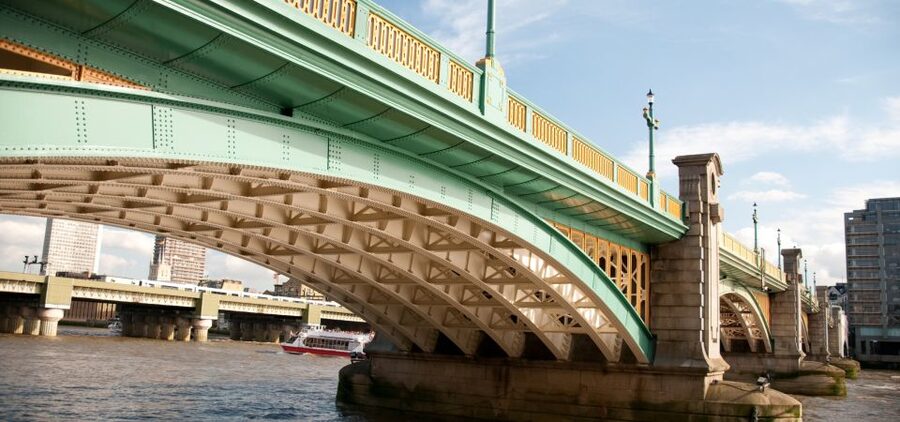
You begin with a walk along the streets by the Thames River, and the tour uses that location to set the mood. The Thames is not just scenery here. It is the thread that connects London’s most important moments, and the audio focuses on how the river shaped the city.
What I like about starting this way is that you get orientation early. You see the direction of travel, the shape of the skyline, and the way bridges stitch neighborhoods together. Even before the big-name landmarks, the river gives you a sense of where you are in London and why the city grew the way it did.
If you are a view person, this is where you can slow down without feeling behind schedule. The tour also points you toward a great London Eye view before you move deeper into the Westminster and Big Ben area. It is a good “warm-up” moment, especially if you have never walked this part of central London before.
Westminster Bridge and Big Ben: power, crowds, and timing your photos
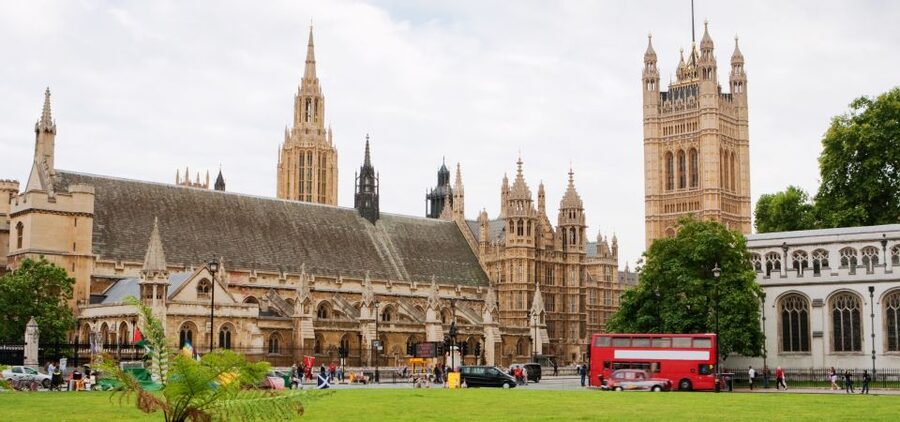
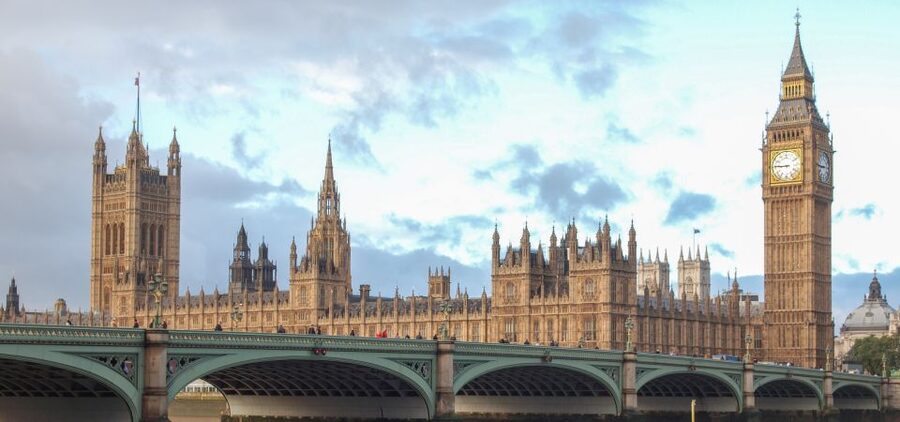
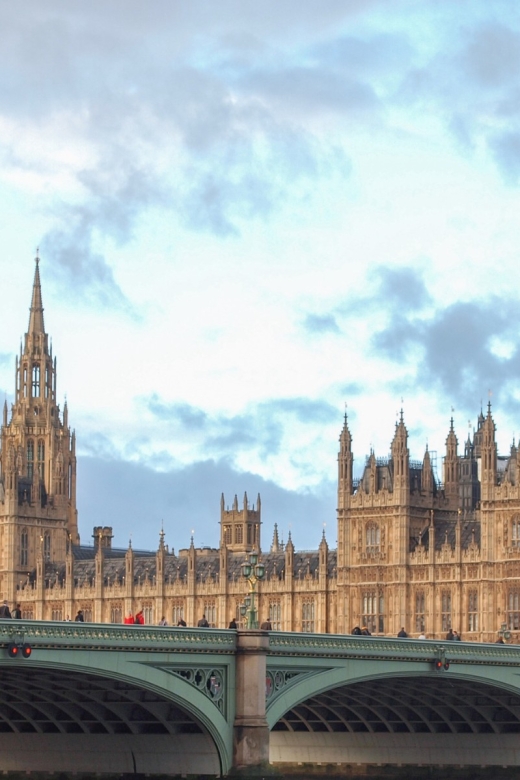
Next comes Westminster Bridge and Big Ben. This is the classic London zone, and the audio is built around the ideas of British democracy and national power you see all around you.
Here’s the practical part: this area can be busy. Since you are not waiting on a group, you can choose your own photo timing. If you want a clean view, you can pause at a calmer moment. If you want to absorb the atmosphere, you can linger longer and let the stories carry you through.
A tip that helps on these stops: keep your walking pace steady until you reach your chosen viewpoint. Then let the audio run at your own speed. You’ll get more meaning out of the stories when you are not trying to follow the next person in front of you.
Trafalgar Square to Leicester Square: pride and people-watching

From Westminster, the route shifts into two very different energy pockets.
Trafalgar Square is first, framed as a symbol of national pride and a strong people-watching spot. This matters because it sets a contrast against the parliamentary seriousness nearby. You get space to breathe and watch daily London life unfold: tourists, locals, street performers, and the constant motion of the city.
Then you head to Leicester Square, described as an entertainment epicenter. This is where your walk turns more sensory. Bright signs, theaters, and street-level buzz. Since your tour is self-paced, you can decide how much you want to linger here. If you prefer atmosphere over photos, let your audio lead you, but don’t feel trapped in a single corner.
More London tours and experiences for the shortlist






Shaftesbury Avenue and Piccadilly Circus: neon without the tour-herding
The route continues through Shaftesbury Avenue and ends up at Piccadilly Circus, often compared to Times Square. The point is not just the neon look. It is how these streets feel when the city is doing its thing.
Shaftesbury Avenue can be a great in-between stop because it gives you a chance to walk through the theatrical corridor of London rather than only seeing one landmark at a time. Then Piccadilly Circus delivers the payoff: a bright, concentrated mix of visuals and sounds that screams London in one compact area.
Because there is no in-person guide, the timing can be better. You choose when to stop, when to cross, and when to move on. If your feet are tired, you can keep the audio going and let the route guide your next steps without needing to constantly check a map app.
St. Paul’s Cathedral: the skyline moment, with an important caveat
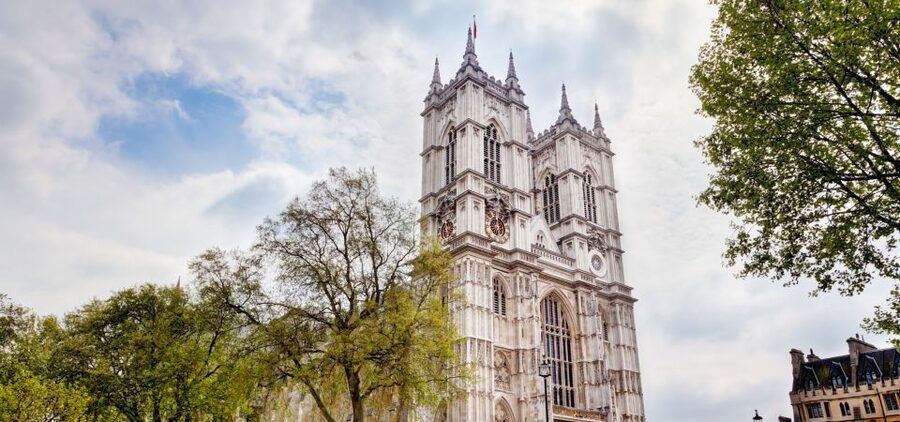
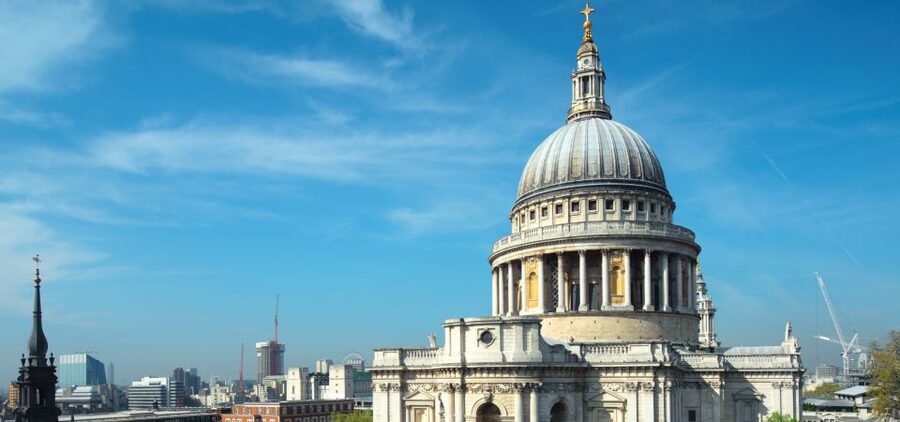
St. Paul’s Cathedral is one of the “big dome” landmarks on the route, and the audio highlights its resilience and beauty. The cathedral’s dome is the kind of feature you notice from multiple directions, which means this stop is useful even if you only take a moment from outside.
One key caveat: entry ticket is not included. So you have two good options:
- If you want the cathedral interior, plan to add the ticket separately.
- If you are happy with the exterior views and the audio context, you can still get plenty from the stop.
Either way, St. Paul’s works well inside a self-guided plan because the building gives you natural pause points. You can stand, look up, listen, and then keep walking when you are ready.
Millennium Bridge to Borough Market: modern walk, then food-world energy

After St. Paul’s, the route crosses the Millennium Bridge. The audio frames it as modern engineering, and that matters because you’re moving from classic to contemporary visual cues. It is also a comfortable connection point for continuing your walk without feeling like you are teleporting between landmarks.
Then comes Borough Market, described as a culinary delight. This is where your tour becomes more than just sightseeing. Even if you do not plan to eat a full meal, Borough Market is a strong place to reset your energy and enjoy the sights and smells of food stalls.
Practical advice: if you want lunch, treat Borough Market like a flexible window. Since you are on a 4-hour tour with audio chapters, you can spend as much or as little time here as your budget and appetite allow. You do not have to match anyone else’s schedule.
London Bridge and the Monument: resilience you can see in stone
The route continues to London Bridge and the Monument to the Great Fire of London. This portion is about how London remembers damage and rebuilds itself.
What makes this stop section valuable is the way the audio ties physical landmarks to longer stories. You are not just looking at buildings. You are interpreting why certain sights are where they are and what they represent in the city’s timeline.
Also, the Monument gives you a chance to notice how memorials and tall structures shape views even when you are just walking past. If you like urban history that you can point to, this part is one of the best for connecting real geography to past events.
Tower of London and Tower Bridge: ending with royal drama
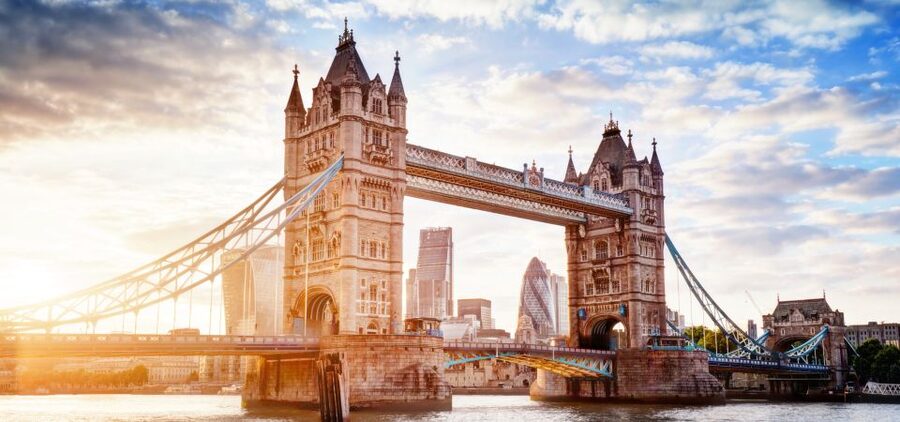
The final stretch brings you to the Tower of London and Tower Bridge. This is a strong ending because it mixes medieval royal history with a major bridge view you will remember long after the walk ends.
The Tower of London delivers that feeling of royal and medieval past, while Tower Bridge provides a dramatic finishing photo backdrop. If you like to end your day with something visually loud and unmistakably London, you picked the right route.
Since you control the pacing, you can also finish the tour in the way that fits your energy. If you still feel good on your feet, you can linger for photos and let the last audio chapter run. If you need to call it, you can simply keep walking and transition to whatever you want next, nearby bars, riverside stroll, or public transit.
Price and value: what $14 buys you (and what it does not)
At about $14 per person for a 4-hour walk with 30 stops, this is priced like a smart deal, not a premium guided day. The value comes from what you get bundled together:
- Audio commentary for the main story points at each stop
- An offline map, which helps your navigation
- Multiple languages for a wider range of visitors
- A route that covers several top sights without requiring timed entry or a live guide
The trade-off is also clear. There is no in-person guide to answer questions on the spot, and some entries are not included, like St. Paul’s. So if you want a human expert to handle history questions or logistics, you might feel the absence.
But if you like the freedom of walking on your terms and you enjoy learning through short, place-based stories, the cost-to-time ratio here can be hard to beat.
Who this London walk is best for
This app-based walking tour is a strong match if you:
- Want to hit major sights without committing to a rigid group pace
- Prefer audio storytelling that you can replay when something catches your interest
- Enjoy seeing the city in chunks, river first, then Westminster, then the central nightlife zone, then the food and historic memorial stops, ending at the Tower area
- Travel with a smartphone and headphones and can handle basic tech steps
It may be less ideal if you:
- Hate relying on your phone for navigation and content
- Have trouble downloading apps or keeping battery life stable
- Strongly prefer an in-person guide to provide answers and adjust on the fly
Should you book this London app-based tour?
I think you should book it if you want an organized route with flexibility. You get a logical path through London’s best-known zones, plus 30 audio stops that turn a walk into something more meaningful than just moving from landmark to landmark.
I would skip it if you are planning to rely on mobile data during the setup phase and you know your connection is shaky. Also, if you want guaranteed interior time at major sights, remember that entry fees are not included, and St. Paul’s is explicitly called out as not included.
If you are the kind of traveler who likes control, and you want your day to feel like London first and a tour second, this one fits well. Download it ahead of time, pack headphones and water, and enjoy the fact that you can pause whenever the city grabs your attention.
FAQ
How do I start the London tour?
Check your email for instructions and credentials to access and download the tour in the activity provider app. When you arrive at the starting location, launch the tour in the app and it starts.
Do I need internet during the tour?
You need a strong internet connection for the steps to access and download the tour. The tour also includes an offline map, which helps for navigation once downloaded.
How long is the tour?
It takes about 4 hours.
What does the tour include?
The tour includes the app-based experience, audio commentary, an offline map, and customer service support. You visit 30 spots.
Are landmark entry fees included?
Entry fees are not included. St. Paul’s Cathedral specifically notes that entry ticket is not included.
What languages are available?
Audio is available in English, German, French, Spanish, Italian, and Chinese.
What should I bring?
Bring water, headphones, a charged smartphone, and the downloaded app.
What if I need to cancel?
You can cancel up to 24 hours in advance for a full refund. You can also reserve now and pay later.
More Walking Tours in London


More Tours in London





More Tour Reviews in London


Not for you? Here's more nearby things to do in London we have reviewed










More London City Tours worth a look.
 ★ 4.6The London Eye Entry TicketTickets from $3935,875 guest reviews
 ★ 4.7From London: Harry Potter Warner Bros Studio TourTickets from $11726,588 guest reviews
Westminster to Greenwich River Thames CruiseTickets from $2222,836 guest reviews
Magical London: Harry Potter Guided Walking TourTickets from $2022,044 guest reviews
★ 4.7From London: Harry Potter Warner Bros Studio TourTickets from $11726,588 guest reviews
Westminster to Greenwich River Thames CruiseTickets from $2222,836 guest reviews
Magical London: Harry Potter Guided Walking TourTickets from $2022,044 guest reviews
 ★ 4.6Madame Tussauds LondonTickets from $3620,915 guest reviews
 ★ 4.5Stonehenge, Windsor Castle, and Bath from LondonTickets from $11118,662 guest reviews
 ★ 4.7Warner Bros. Studio Tour with TransfersTickets from $14417,586 guest reviews
 ★ 4.7Tower Bridge Entry TicketTickets from $2115,560 guest reviews
Continue by place or experience