
REVIEW · JACK THE RIPPER TOURS
Jack The Ripper Tour in London’s East End
Whitechapel turns spooky fast. This 2-hour walking tour follows the Jack the Ripper case where it happened, with the history, the rumors, and the places that still look familiar today, on foot in Whitechapel.
I especially like how you walk the same streets and side passages and alleys that those victims would have known in 1888. I also like that you are shown documentary-style material, with still photos and letters used to give the case a more grounded feel than pure legend.
One consideration: it is a story with dark subject matter. If you do not enjoy crime-history storytelling with heavy mood, you might find the tone a bit intense, even though guides keep it engaging.
Key things to look forward to
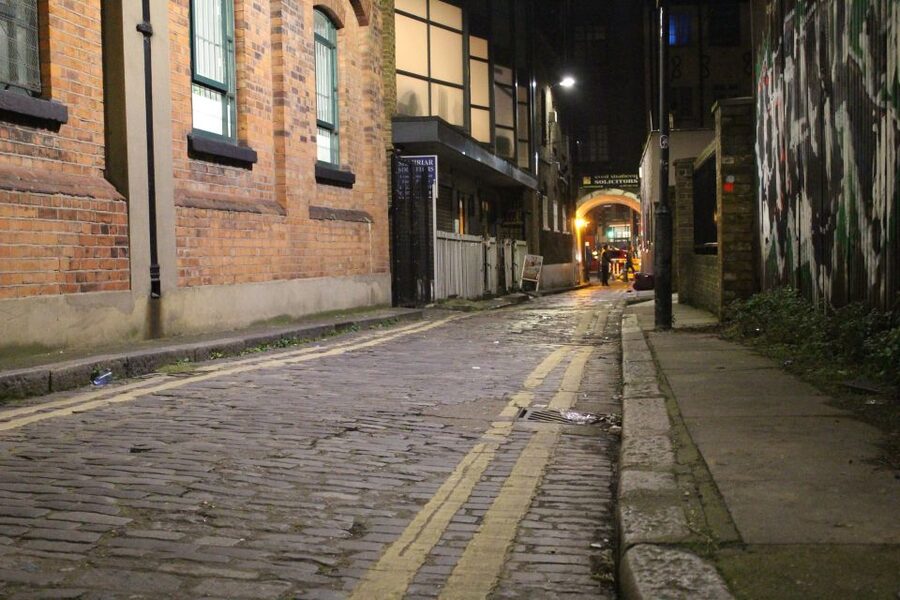
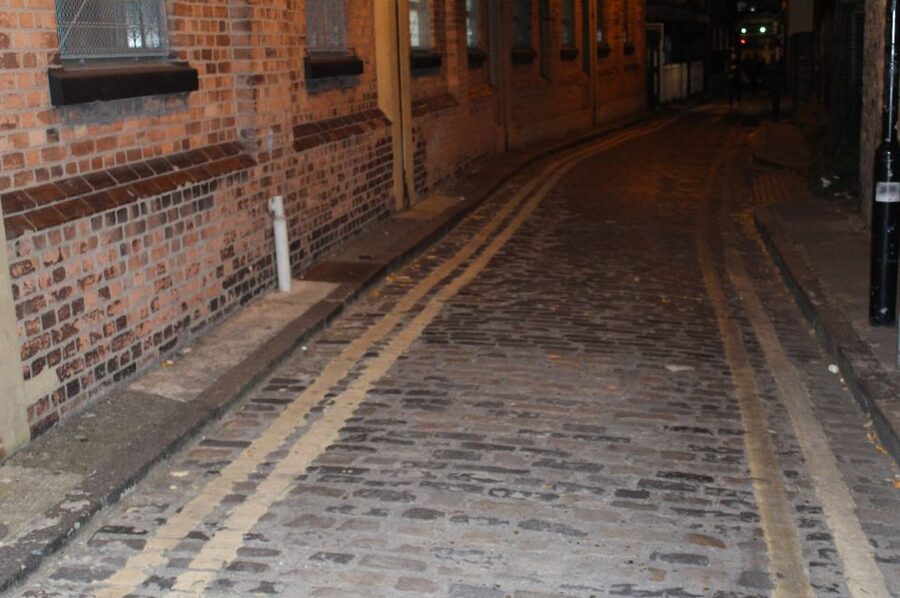
- Actual Whitechapel walking: you move through the East End areas tied to the murders, not just a quick stop-and-stare route
- Real focus on Goulston Street: you learn what people think the clues are, and what counts as more rumor than proof
- Photo and letter evidence: documentary visuals help the story feel anchored in the era
- Guide-led theories, not a script: you may hear different ideas about the identity, plus time for Q&A
- Good storytelling style: guides such as Ian and Rory have been praised for staying clear, energetic, and respectful
Why this Jack the Ripper walk feels different in the East End
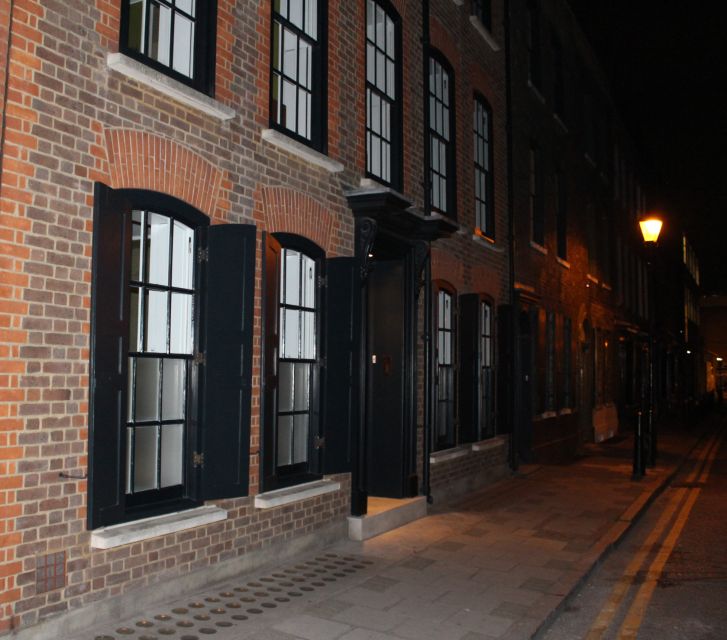
There are Jack the Ripper tours that feel like a history quiz, and there are tours that feel like a staged horror story. This one aims for the middle ground: it is spine-chilling, but it also teaches you how the case spread into a legend that became its own genre.
You start with the 1888 panic. A body leads to one of London’s most famous manhunts, and the murders grip the East End like a collective obsession. Then the tour widens the lens. You see how the public story evolved for more than 120 years, how rumors hardened into “facts” in people’s minds, and how modern “Ripperology” keeps chasing answers that never fully arrive.
That mix is what makes the experience click. You are not just taking photos in grim streets. You are learning how mystery works when evidence is incomplete, public fear is loud, and time turns uncertainty into certainty for some people.
You can also read our reviews of more tours and experiences in London.

Starting at Bishopsgate Police Station, and how the route starts strong
The meeting point is concrete and easy to spot if you know where to look: the left of the entrance of the City of London police station, 182 Bishopsgate, London EC2M 4NP. The simple direction that helps most is this: leave Liverpool Street Station via the Bishopsgate West exit, and look across Bishopsgate for the police station.
Plan to arrive about 10 minutes early. That small buffer matters because the tour is timed and you want a clean start, especially on a walking route through busy areas where groups sometimes get separated quickly.
Most importantly, you will feel the tone early. The guide sets expectations for the case, the time period, and what you will and will not be able to prove. That matters because Jack the Ripper stories can run wild. Here, the guide keeps it structured: history first, mystery second, and speculation clearly labeled as speculation.
If you are trying to fit this into a packed London day, this is a good length. Two hours is long enough to cover meaningful ground, but short enough that you will not be exhausted before the final part of your evening.
Following the victims’ streets: what you actually do for 2 hours
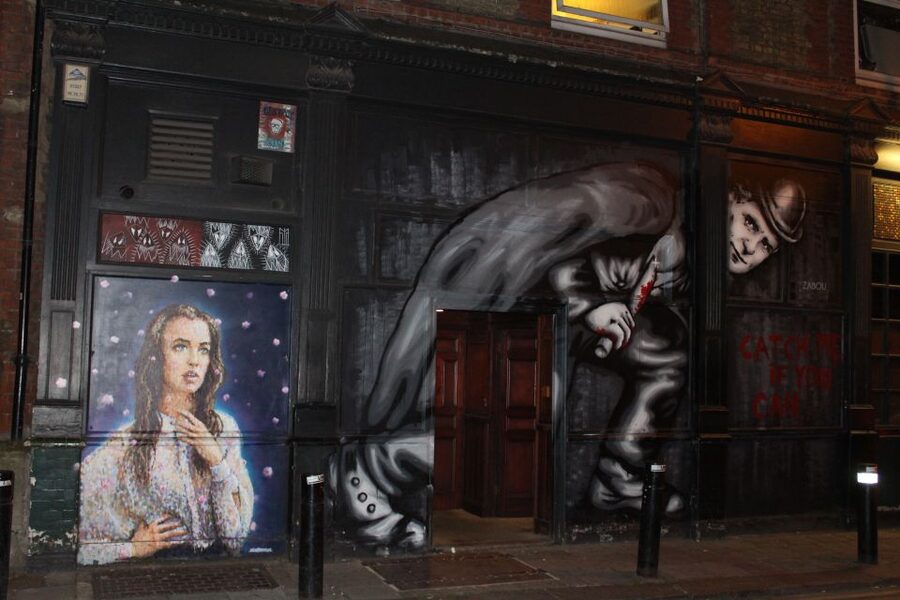
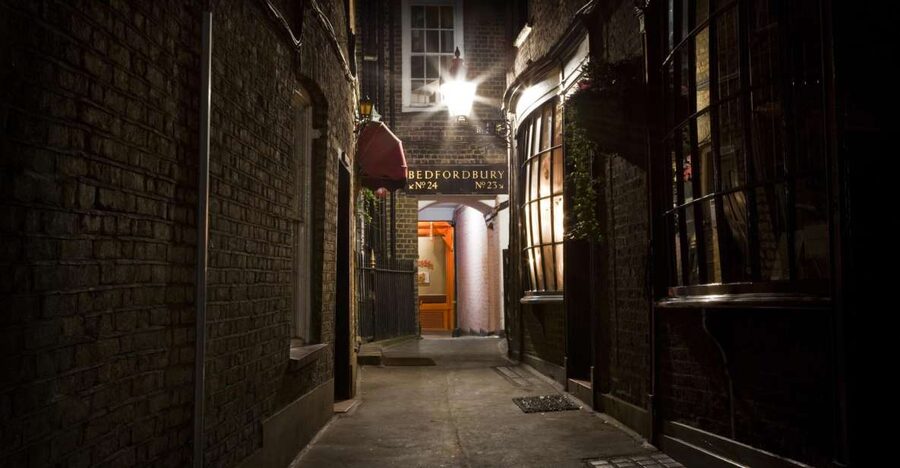
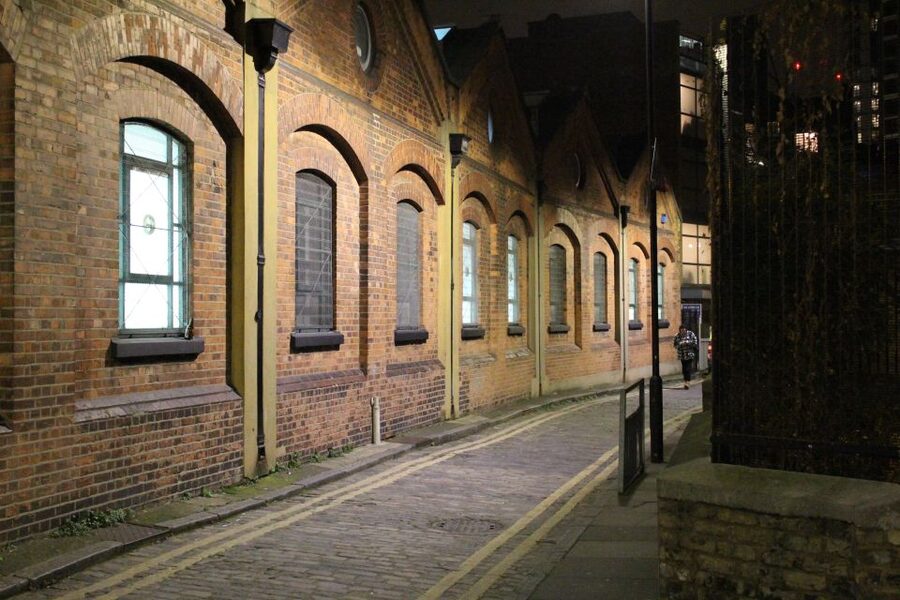
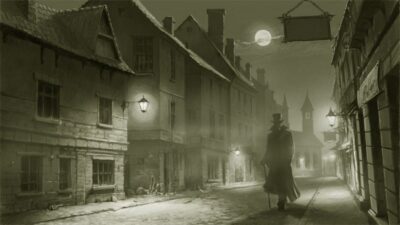
The core of the experience is a guided walk through London’s East End, focused on Whitechapel and the places tied to the murders. The tour takes you along streets and into the kind of dark passages and alleys that still feel like they belong to older London, even after modern storefronts and renovations.
You also visit sites connected to the killings, including the murder locations of Jack’s victims and additional cases sometimes thought to be part of the Ripper storyline. That matters because it helps you understand why people argue about the timeline. Different victims and witness reports mean different ways to interpret what happened, and why some names get included while others get treated differently.
What you might notice on the walk is the way the guide balances atmosphere with explanation. The spooky element is there, but the real payoff is that you get a sense of how the East End functioned in 1888, how people moved through neighborhoods, and why certain areas became hotspots for rumor.
Also, the tour is guided by a live professional. Reviews highlight how guides stay animated and answer questions. If you like crime history but you also want interaction, this format is a good match.
One small practical note: you will be walking. If rain hits, you will still walk. A few guides have handled weather well in past tours, but you should still bring a rain layer if you travel in the fall or spring when London weather likes to surprise you.
Goulston Street: clues, non-clues, and why the debate never dies
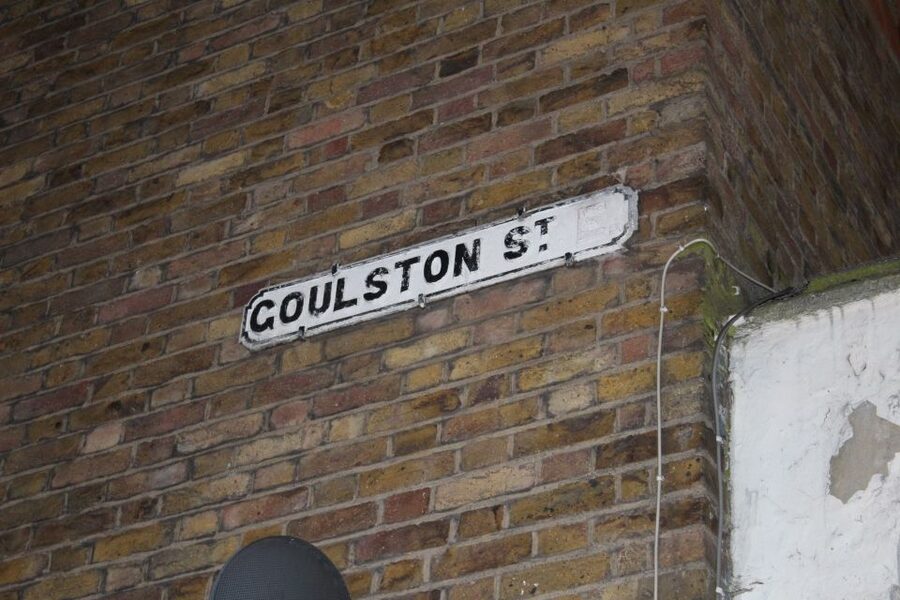
If there is one stop that captures why Jack the Ripper remains unsolved, it is Goulston Street. The tour explicitly focuses on the clues and non-clues tied to this area.
Here is the value for you: Goulston Street is not just a dramatic name you hear in documentaries. It is a case study in how evidence can be noisy. When information is incomplete, people fill gaps with what they want to believe. A clue becomes a symbol. Then it gets repeated so often it starts feeling proven, even when the original record is murky.
The guide also brings in the idea that public perception can twist reality. The story changes as it passes through newspapers, retellings, and cultural retellings. By the time you get to the Goulston Street discussion, you should be thinking like an investigator and like a skeptic at the same time.
One thing to expect: the tour length is only two hours. That means it cannot cover every scrap of debate. Some details can be mentioned briefly or left out to keep the pacing. If you love the minutiae, just treat the tour as the main story and then plan to read more afterward using what the guide points you toward, especially around Goulston Street and the broader evidence questions.
Documentary evidence on the street: still photos and letters
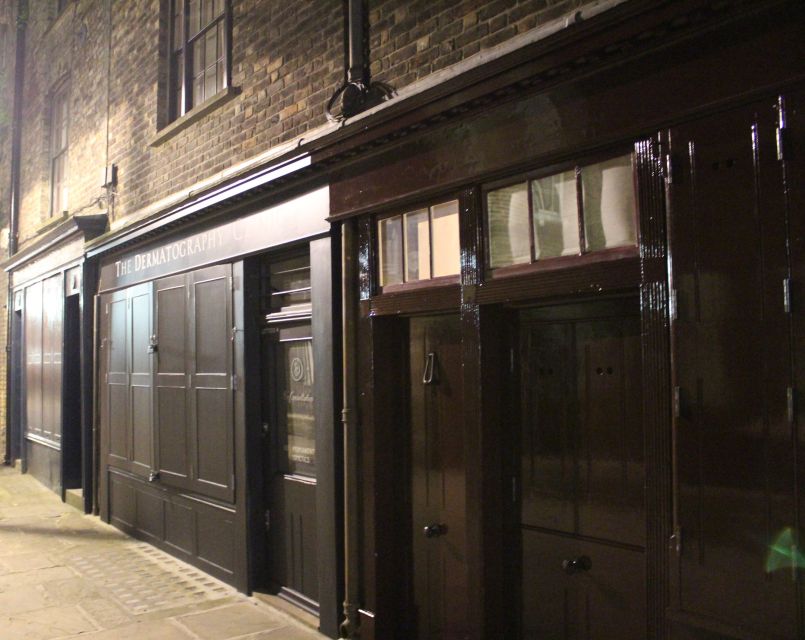
A big plus is that the guide uses still photos and letters as supporting material. That shifts the tour from pure storytelling into something closer to a guided “casefile walk.”
Why that matters: Jack the Ripper has been mythologized for so long that it is easy to forget the case began with real records, real witness claims, and real communication. When you see period-style documents and visuals, you are forced to confront what people actually knew at the time.
Even without technical forensics, the letters and photos help you connect the narrative to the era’s recordkeeping and media. They also reinforce a key point the tour makes across the route: unsolved does not mean unknowable, and the lack of a clean solution means the case keeps evolving.
Guides such as Ian, Rory, and others have been praised for being animated and for handling questions well. If you get a guide with a strong casefile style, you may feel like you are not just hearing the murders, you are also tracking how the evidence got interpreted over time.





How the legend takes over: from 1888 panic to a genre
Jack the Ripper did not just become a crime story. It became a genre. The tour spends time on how the murders moved from a grim reality into popular imagination.
That is more interesting than it sounds. When something becomes a genre, people stop meeting the story with curiosity and start meeting it with expectations. The East End becomes a stage set. The witnesses become characters. The rumors become plot points.
The guide’s job is to help you compare that genre version to the 1888 reality as you walk. You get a sense of why the case keeps attracting new interpretations, and why each generation thinks it can solve what earlier ones could not.
This part is also where guides tend to be at their best. Some guides use humor, some use a darker tone, but the common thread in strong tours is clarity: what is known, what is likely, and what is a rumor. If you are the kind of traveler who likes sorting fact from story, you will probably appreciate the pacing here.
Guide quality is the real differentiator
The tour lives or dies by the guide. And the reviews show consistent praise for that front.
You might meet guides including Ian, Rory, Jed, Chris, Jericho, Konstantin, Michael, Eva, or Jeremy. Across these names, the standout themes are that guides are engaging, answer questions, and keep things clear, even when the subject matter is heavy.
A few specific guide strengths show up repeatedly:
- Storytelling that stays organized, so you can follow the timeline
- Consideration for non-native English speakers, with clear speaking and room for questions
- Interactive energy, including Q&A and discussion of personal theories
- Dark humor used carefully, which can make the experience more bearable without losing respect
If you get a guide who clearly enjoys the topic, the tour becomes more than a lecture. It becomes a living conversation with history.
Price and value: is $22.90 a good deal?
At $22.90 per person for a two-hour walking tour, you are paying for three things: a knowledgeable guide, a focused route in a high-interest area, and structured storytelling with some documentary-style visuals.
This is not a museum ticket where you can spend the whole day. Two hours means you are paying for efficiency, and that can be a good value if you like guided interpretation more than self-guided wandering.
It also helps that the experience is not only about locations. The tour ties the sites to evidence, rumors, and how public perception changed. If that sounds like the kind of “how we got the story” thinking you enjoy, the price feels more justified.
If you want a broader, academic-style course, you might wish for more time. But for a single evening plan, this feels like a solid deal, especially if you can get a guide with strong interaction.
Who should book this tour, and who should skip it
This tour is a great fit if:
- you like walking tours that are story-driven
- you enjoy unsolved mysteries, and you want help weighing clues
- you want to see Whitechapel beyond generic sightseeing
- you appreciate guides who handle debate respectfully and keep it understandable
You might skip it if:
- you do not enjoy crime history told in a vivid, spooky tone
- you dislike walking in city neighborhoods for two hours
- you want a purely factual, evidence-only approach with no room for theories
Should you book this Jack the Ripper tour?
I think you should book it if you want a guided way to experience the East End’s most famous mystery without turning it into just a spooky photo walk. The combination of actual street walking, a focused Goulston Street discussion, and documentary visuals like still photos and letters is what makes it feel more substantial than the usual “tell me a story” tour.
Book with confidence if you pick a time that fits your stamina, bring weather gear, and show up ready to think. Bring curiosity, and maybe a skeptical brain. In a mystery like this, the best part is learning why the answers never fully settle.
More Tours in London

More Tour Reviews in London
Not for you? Here's more nearby things to do in London we have reviewed









More Jack the Ripper Tours worth a look.
 ★ 4.7The Original Jack the Ripper Walking TourTickets from $257,833 guest reviews
 ★ 4.5London Jack the Ripper Guided Tour with Ripper-VisionTickets from $274,840 guest reviews
 ★ 4.7Jack the Ripper Small Group TourTickets from $263,159 guest reviews
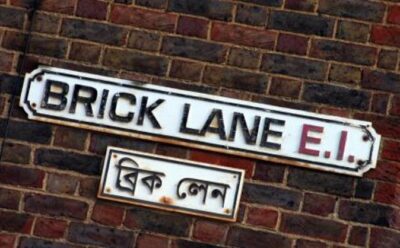 ★ 5.0London Jack The Ripper Guided Walking TourTickets from $03,131 guest reviews
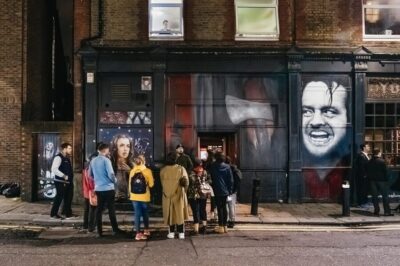 ★ 4.6German Language : Original Jack the Ripper TourTickets from $241,805 guest reviews
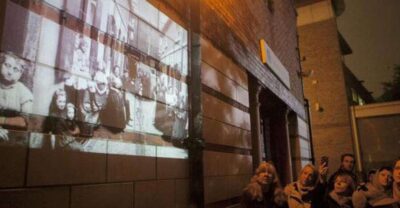 ★ 4.5Jack the Ripper Walking Tour – Ripper Vision ToursTickets from $261,752 guest reviews
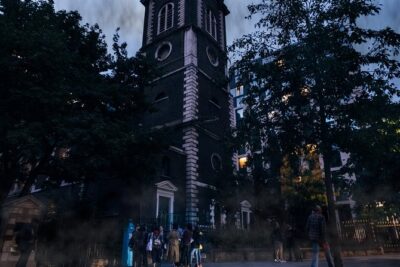 ★ 5.0Ultimate Jack the Ripper : Guided Tour of LondonTickets from $271,495 guest reviews
 ★ 4.9Jack the Ripper Evening Walking TourTickets from $331,449 guest reviews
Continue by place or experience