
REVIEW · LONDON CITY TOURS
Enamel Jewellery Making Class in London
Enamel jewellery looks tricky, but this London class makes it feel doable. You spend a focused couple of hours learning how enamel techniques translate into a wearable piece, with hands-on time in a small studio. The vibe is practical and creative, not arts-and-crafts pretending.
I like two things right away: you get all tools and materials included, so you can just show up and work, and you receive individual guidance as you build your design. The class is set up for beginners too, so you are not expected to already know enamel terms or tools.
One thing to consider is group size. The experience is designed to be intimate, typically no more than four, but the maximum group size can be larger on certain dates. If you hate crowds, pick a quieter time slot.
Key things to know before you go
- Tools and kiln are included so you do not have to hunt for supplies or bring extra gear.
- Choose from 40 blank designs before you file, sketch, and plan your enamel layout.
- You learn classic enamel approaches with an overview of techniques like cloisonné and plique-à-jour.
- Color blending and layering gets taught up close with step by step coaching while you apply enamel powder.
- The kiln bake is part of the class, followed by finishing and polishing so you leave with a completed piece.
- Add-ons cost extra if you want a silver chain or larger blanks.
Why enamel jewellery feels personal in a London workshop
Enamel jewellery is one of those crafts that turns “tiny” into “special.” The finished items are small, but the process is hands-on and tactile, from shaping a metal blank to working with enamel color blends and layers.
This class is built for real making, not just watching. You start with the fundamentals, then you move into choosing a design, sketching, and working the enamel. The teacher stays close as you apply enamel powder and think through effects like blending and layering. That matters because enamel can go wrong fast if you lose track of thickness or color placement. Here, you do not have to figure it out by trial and error.
I also like that the workshop covers both the “why” and the “how.” You get a brief introduction to enamel jewellery, what enamel is, and where it is used in practice, then you get an overview of different techniques. That gives you enough background to make choices during your own piece, instead of just copying a diagram.
More London tours and experiences for the shortlist


Finding Zoey Filigree in Bedlam Mews and starting at 2 pm
You meet at Zoey Filigree, Bedlam Mews, London SE11 6DF. The class starts at 2:00 pm and runs about two hours. It ends back at the meeting point.
The studio setup is designed to be easy to join. The experience uses a mobile ticket, and it is offered in English. It is also near public transportation, which is a big deal in London, where “close” can mean very different things depending on where you are staying.
One practical tip: go in with a small amount of patience for the making part. You will be using tools and you will be working with enamel powder, then waiting for the kiln bake stage. It is not a quick “watch and leave” workshop. It is the kind of class that works best when you slow down and treat it like a mini project.
Also, this experience requires good weather. Even though it is indoors, plan to keep an eye on updates, just in case your date gets adjusted.
Enamel basics and classic techniques, like cloisonné
Before you touch tools, you get the enamel education that helps the rest click. The class begins with a brief history and significance of enamel jewellery, plus definitions of enamel and how it is used.
Then you get an overview of enamel techniques and styles, including cloisonné and plique-à-jour. You do not need to memorize these terms. The value is that you learn what different approaches are aiming for visually, so when you are choosing a blank and sketching your design, you are building with intent.
If you are worried about feeling behind, this portion helps. Beginners are explicitly welcomed, and the workshop is paced for newcomers. You are not thrown into advanced work without a foundation, even if your first time with tools is brand new.
A small bonus here is that you also see previous work done by other participants. That gives you a sense of what is possible within the time frame, and it helps you choose a design you actually want to make, not just the one that looks easiest on paper.
Pick a fine silver blank, file it, and sketch your design
Now comes the fun part: you choose your base. You pick from 40 different types of designs for the blank. That choice is more important than it sounds. The blank shape drives the layout, how enamel sits, and what patterns will look crisp once baked.
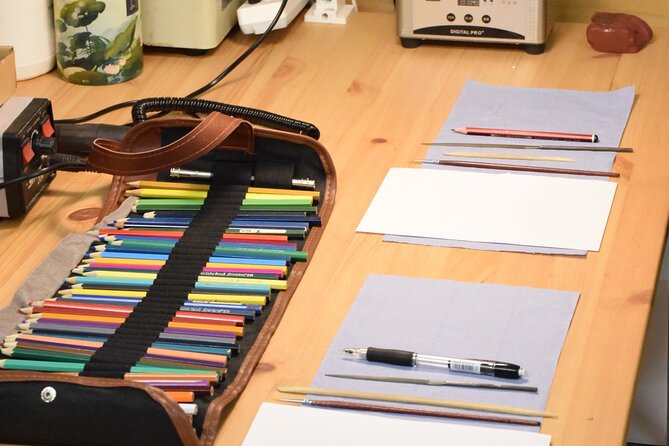
After choosing, you file the blank. Filing is one of those actions that feels simple, but it changes the whole outcome. Smoother edges help your design look intentional instead of rushed. You also start the design planning by sketching, using paper and pencil to map out your colors and placement.
If you like creative control, this is where you get it. You are guided through design concepts and encouraged to create something unique, not just replicate a template. The instructor also helps you think through your plan before you commit enamel powder to the metal.
This is also a good moment to decide how bold you want to be. You can go for cleaner, simpler color blocks, or you can aim for more layered effects. Either way, you are learning the “why” behind placement, and that makes the rest of the class less stressful.
Enamel powder work with real one-on-one coaching
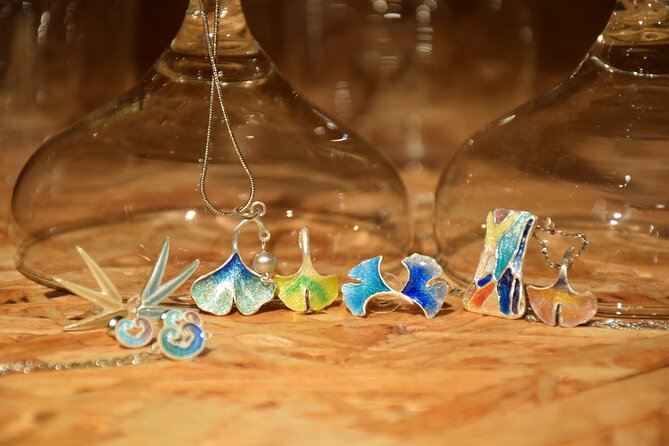
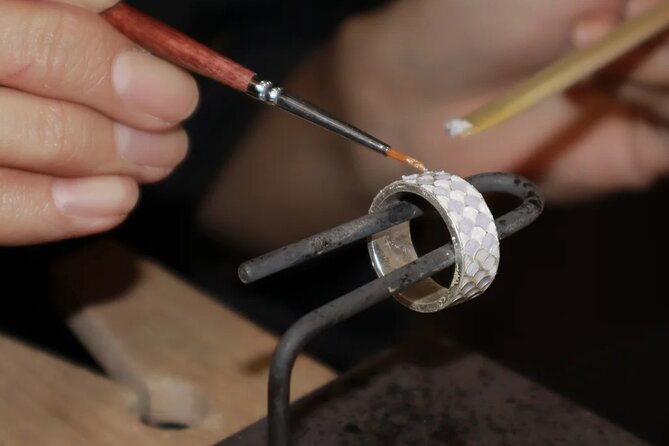
The enamel powder stage is where most people hold their breath. You apply enamel powder, and you get direct help on technique, including guidance on color blending and layering so you can reach the effect you want.
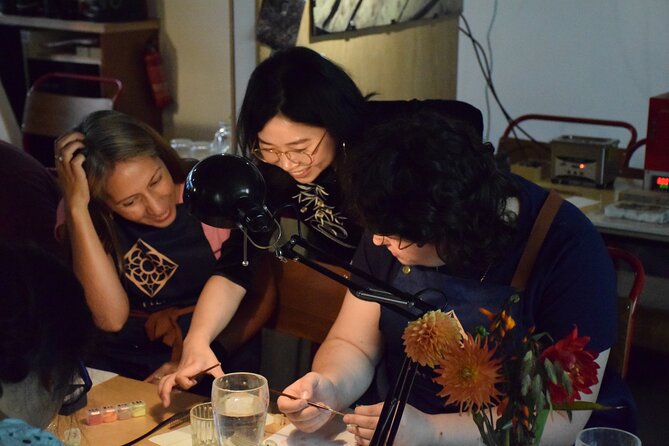
This is also where the class really earns its small-group format. The experience is designed for intimate instruction, with one-on-one guidance as you work. That means you can ask questions as you go, instead of waiting until the end when you might wish you had tweaked something earlier.
You will likely work on your individual enamel jewellery project with personalized attention. In past sessions, the teacher name that comes up strongly is Mabel, and students highlight how the instruction made the process feel friendly and manageable.
Even if you have never done a craft class before, the skill you pick up here is practical: you learn how to build color intentionally, and you learn how to adjust your plan while you are still in the making stage. That is the kind of learning that sticks, even after you pack up.
If you want a wearable result that looks like jewellery and not a science project, focus on two things during this stage: neat edges where you want crisp lines, and consistent thickness so enamel bakes evenly.





Kiln time, then finishing and polishing your piece
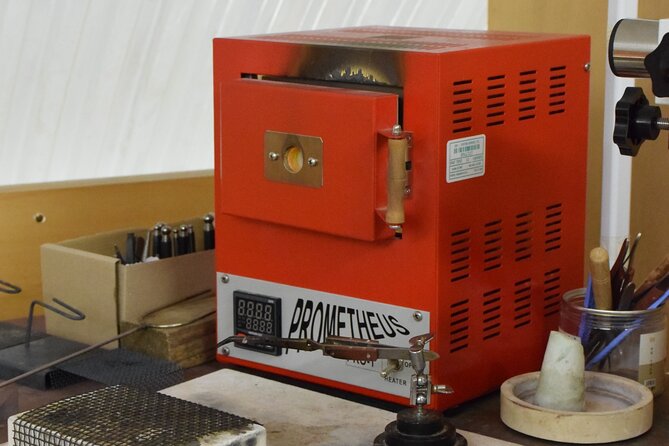
Once your enamel design is in place, it goes into the kiln for baking. That step is essential, and it is included in the workshop, which is exactly what you want from a class like this. You are not paying for a partial project that stops at the messy part.
After baking, you move to finishing. This includes the polishing step, where the piece shifts from “made” to “ready to wear.” Polishing is another area where having proper tools matters, and the workshop includes what you need.
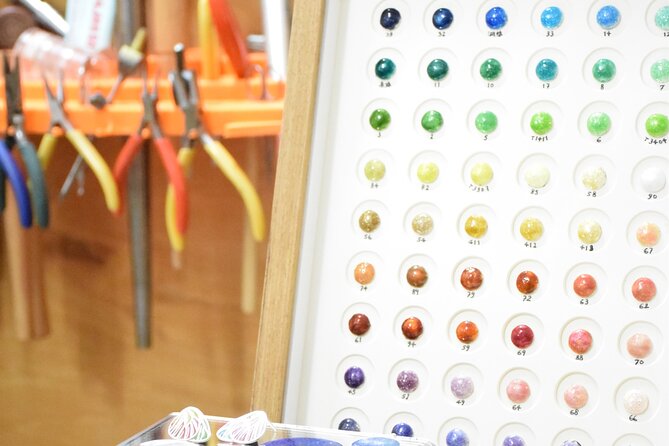
Included gear covers both the creative and the finishing phases. Expect tools such as files and cutters, a rotary micromotor, sandpaper, and a polishing compound bar. The workshop also includes items for working with enamel colors, like enamel color palettes and color lead.
By the time you wrap, you should have a finished-enough piece to take home. People often leave with items like a pin and necklace combination, depending on the design they select and the final setup they create during class.
Price and add-ons: what $94.10 covers, and what costs extra
At $94.10 per person, this class is priced like a workshop where you are paying for instruction plus materials plus equipment time. And that is what you get.
“All material and tools” are included, which is the big value piece. That includes the kiln and tools like the rotary micromotor, plus the enamel-related supplies. When you compare that to typical craft experiences where you bring your own kit, this is a more straightforward deal.
What is not included are the optional accessories and upgrades:
- Silver chains cost £10
- Medium silver blanks cost £20
- Large silver blanks cost £50
Those add-ons are useful if you want a specific size or finish, but you can also plan to stay within the included materials. If you are trying to keep the total budget in check, choose your design based on what comes with the booking first, then decide later if you want a chain or bigger blank.
Also, keep timing in mind. The class is about two hours, so the session is designed to move efficiently from choosing your blank to baking and polishing. That means your learning happens in a compact window, but you still leave with something made, not just notes.
Who this London art class suits best
This workshop fits best if you want a creative activity that is structured and guided. It is ideal for beginners because you get step-by-step help, and the teaching focuses on what to do next at each stage, not just technique talk.
It also works well if you like tangible souvenirs. Instead of buying a trinket you already saw in ten shops, you build a personal piece based on the design you chose. That is the point of crafts like this, you leave with a story that is actually tied to your hands.
A note on groups: the experience is set up to be intimate, typically no more than four. However, the maximum size is listed as up to eight, and one seasonal special had a larger crowd. If quiet focus matters to you, book earlier and try to choose a standard session over a high-demand date.
Finally, you do not need special skills, and most people can participate. Service animals are allowed too, so that is one less worry for you on the day.
Should you book this enamel class in London?
I think it is a strong booking if you want a hands-on London activity that is not overly complicated and does not waste time. The included tools, kiln bake, and finishing make the price feel fair because you are paying for the whole process, not just the fun part.
Book it if:
- you want to learn a real craft with guidance
- you like the idea of learning cloisonné and plique-à-jour concepts in plain terms
- you want something wearable at the end, like a pin or necklace
Skip it or rethink the timing if:
- you dislike group workshops and want maximum quiet (occasional special dates may feel busier)
- you are only looking for a quick look at the craft, because this is a making class, not a demo
If you decide to go, aim to reserve early. The experience often gets booked around six to seven weeks out on average, so popular slots can disappear.
FAQ
How long is the enamel jewellery making class?
The workshop runs for about two hours.
What is the price per person?
The price is $94.10 per person.
What language is the class taught in?
The class is offered in English.
How large is the group?
The experience is designed for a small studio group, with no more than four in the studio, and it has a maximum of eight travelers.
What techniques will I learn?
You’ll get an overview of enamel jewellery techniques and styles, including cloisonné and plique-à-jour, along with guidance through the enamel-making process.
What materials and tools are included?
All materials and tools are included, such as files, cutters, a kiln, a rotary micromotor, enamel color palettes, color lead, sandpaper, and polishing compound.
Are chains or bigger silver blanks included?
No. Silver chains cost £10, medium silver blanks cost £20, and large silver blanks cost £50.
What if the weather is poor?
The experience requires good weather. If it is canceled due to poor weather, you will be offered a different date or a full refund.
More Workshops & Classes in London



More Tour Reviews in London
Not for you? Here's more nearby things to do in London we have reviewed










More London City Tours worth a look.
 ★ 4.6The London Eye Entry TicketTickets from $3935,875 guest reviews
 ★ 4.7From London: Harry Potter Warner Bros Studio TourTickets from $11726,588 guest reviews
Westminster to Greenwich River Thames CruiseTickets from $2222,836 guest reviews
Magical London: Harry Potter Guided Walking TourTickets from $2022,044 guest reviews
 ★ 4.6Madame Tussauds LondonTickets from $3620,915 guest reviews
 ★ 4.5Stonehenge, Windsor Castle, and Bath from LondonTickets from $11118,662 guest reviews
 ★ 4.7Warner Bros. Studio Tour with TransfersTickets from $14417,586 guest reviews
 ★ 4.7Tower Bridge Entry TicketTickets from $2115,560 guest reviews
Continue by place or experience