
REVIEW · GUIDED
Clapham South: Subterranean Shelter Guided Tour
London hides a lot below street level. This 75 minute tour takes you 30 metres down into a WWII shelter maze. I love the hands-on, lived-in details and the way the guides bring scenes to life. You’ll also get clear Second World War and Windrush connections in the same place, not as separate topics. One thing to consider: it’s tight, dark in spots, and not for anyone with claustrophobia.
You start above ground at Clapham South, then step into tunnels that run over a mile. You’ll hear stories from a wartime ARP warden style perspective and then shift to what happened after the war, including the first Caribbean migrants to Britain linked to HMT Empire Windrush.
Key highlights worth carving into your schedule
- 30 metres underground into one of London’s deep-level air raid shelters
- A tunnel warren over a mile long, with a sense of scale you can feel
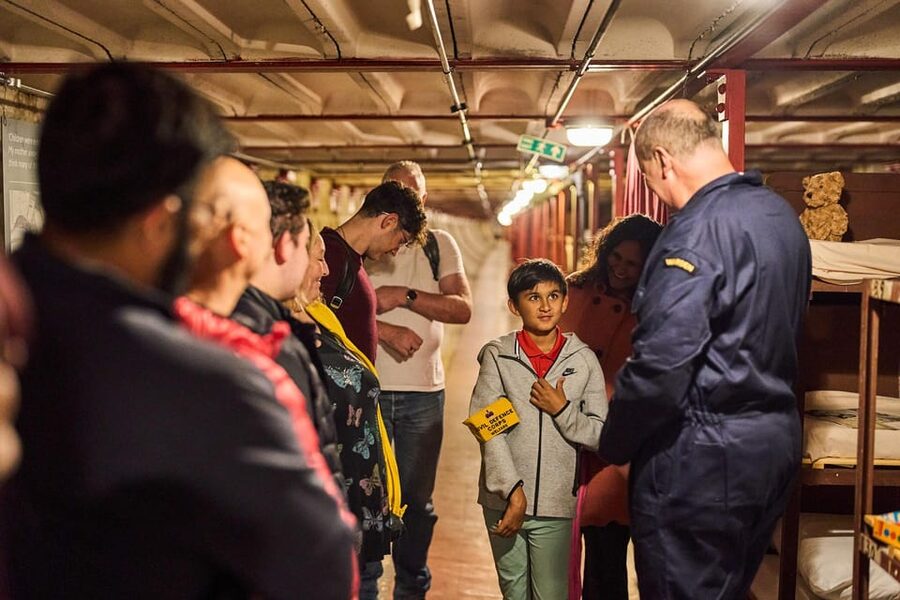
- Two expert guides, including a guide role-playing a 1940s ARP warden
- Original bunks used during air raids, plus WWII artefacts you can handle
- WWII-era graffiti and personal testimonials that connect to post-war arrivals
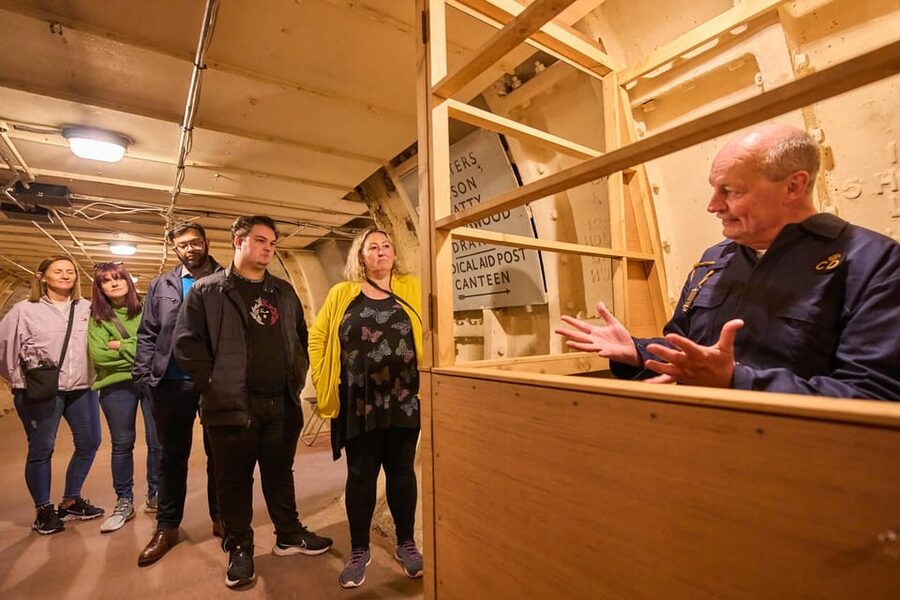
- Newly refurbished spaces set to a 1940s look, including the canteen and warden areas
Why the Clapham South Shelter feels like real London
This tour is not just about rules of air raids or big dates on a timeline. It’s about the everyday texture of survival. You’re walking through a site designed to protect thousands during bombing, and you get to see how that protection worked in practical terms: where people slept, where they waited, where they ate, and how they passed the hours while bombs did their worst.
What I like most is that the story doesn’t stop at 1945. The shelter gets repurposed, and that matters, because it shows how London reuse is constant. You’ll hear about the post-war years too, including the arrival of the first Caribbean migrants to Britain associated with HMT Empire Windrush, and that shifts the site from a wartime bunker to part of a wider migration story.
The guides push beyond “here are facts.” They aim for you to picture an actual night underground. That’s exactly where the experience gets powerful, and why it’s good value for the time you spend.
You can also read our reviews of more guided tours in London


Getting there at Clapham South, and how early to arrive
Your meeting point is straightforward. Meet in front of the Marks & Spencer Food Hall on Balham HIII, SW12 9EA. It’s about a 2 minute walk from Clapham South station. Exit the station and turn right, then follow that short walk to the food hall.
Plan to arrive 15 minutes early. That buffer helps because you’ll likely want a quick check of shoes, bags, and meeting your group before you head into the underground parts.
If you rely on phone navigation, use the WhatsWords location provided: ///really.orbit.beside. It’s the kind of detail that saves you stress when the station area is busy.
The descent: 11 stories down, then tunnels over a mile long
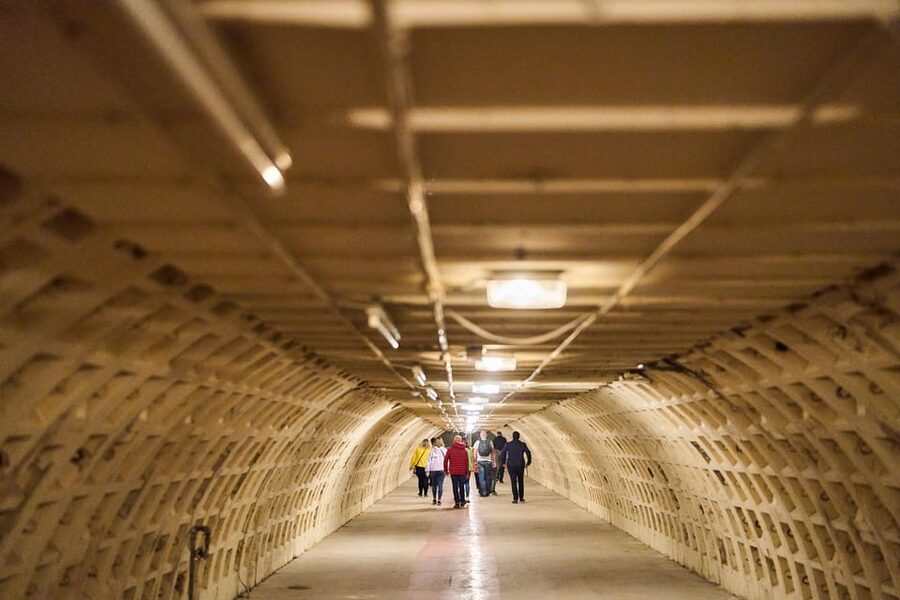
The tour starts with the biggest shift you’ll feel all day: you go underground fast. You’ll descend 11 stories, then start moving through the shelter’s tunnels. The site forms a warren of passages hidden beneath Clapham South, with tunnels that run over a mile in total length.
One small detail that really adds atmosphere is what happens above your head. You’ll hear Northern line trains passing overhead while you’re in the shelter. That contrast is the point. London is still alive up there, while you’re experiencing how the city once tried to protect people below it.
Lighting is low in places, and the ground is not always smooth. The experience is paced as a guided walk, but you should treat it like a real underground walking tour, not a casual museum stroll.
WWII life, guided by a 1940s ARP warden role-play
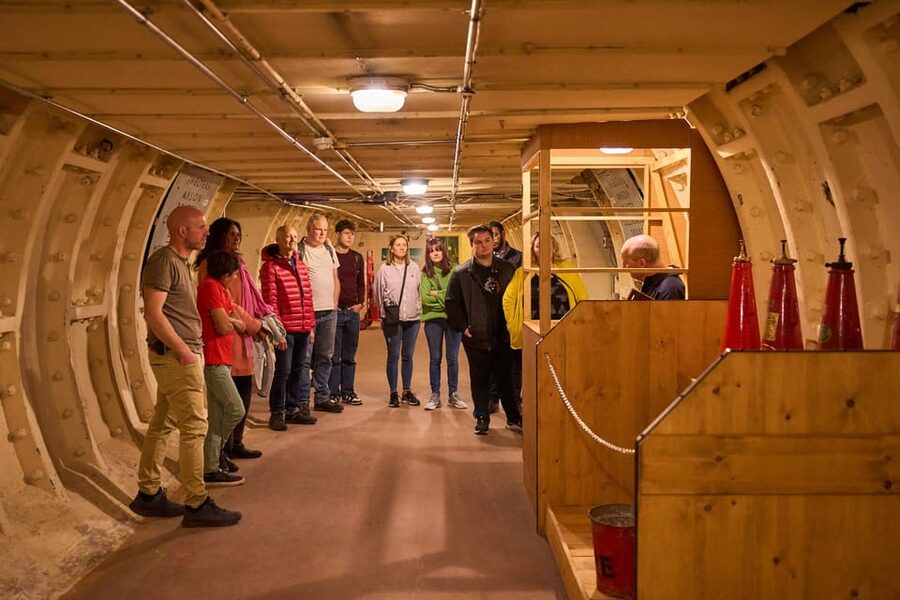
Two expert guides run the tour, and one of them takes the role of a 1940s ARP warden. That role-play isn’t random theatre. It’s a way of turning logistics into story. Instead of just hearing that shelters had staff and procedures, you get a guided sense of how someone might organize a night in a crowded underground space.
I appreciate this approach because it helps you understand what an air raid shelter was meant to do. It wasn’t only a strong room. It was a system: managing people, keeping order, supporting basic needs, and keeping the site functioning during a terrifying interruption of normal life.
As you move, you’ll follow in the footsteps of a South London family spending their first night in the shelter. Even if you’re not an actor in the story, your brain fills in the gaps. That’s the value of having guides who are confident with the material and willing to make it human.
The warden spaces and canteen: what refurbished rooms change for you
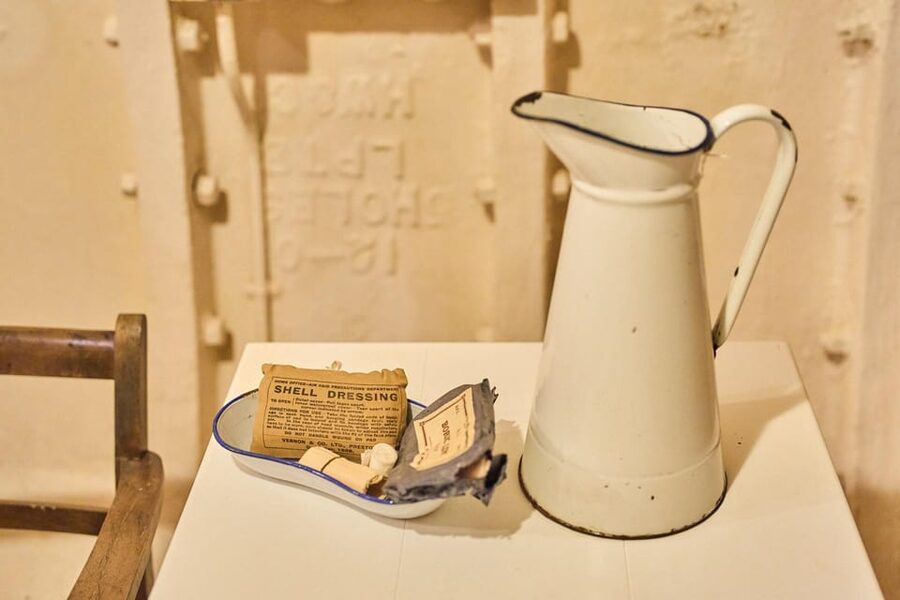
Some tours show you ruins. This one uses newly refurbished spaces designed to match a 1940s feel. You’ll step into areas like the warden’s cabin and the canteen, carefully recreated based on archival research.
This matters because the shelter could feel like a generic tunnel network if you only see corridors. The recreated rooms give you reference points. You start to see the shelter as a functioning mini-world, with areas that served specific purposes.
If you like museums that connect objects to how people used them, you’ll enjoy these stops. You’re not just looking. You’re building a mental map of where you would have been, what you would have noticed, and where you might have sat to wait out the next alert.





Original bunks, cramped sleeping, and what you’ll really notice first
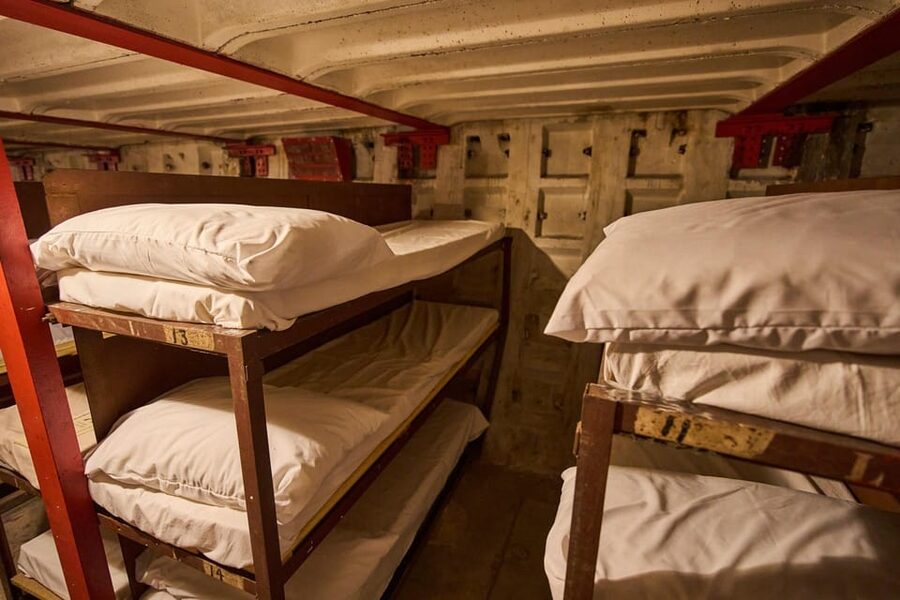
One of the most striking parts is the sleeping setup. You’ll see original cramped bunks where thousands slept overnight during air raids. In a space like this, you quickly understand why sleep would be partial and interrupted, and why comfort was not the goal.
The tour also includes time with bunks converted into benches. This is a clever way to show the same structure from a new angle. In wartime, the bunks were beds. In the shelter’s daily rhythm during raids, they became the place where you waited, talked, and spent time when you weren’t moving.
The physical closeness hits harder than you’d expect. That’s also why the tour is not suited for everyone. If you’re uneasy around tight spaces, go in knowing the environment is close and enclosed, and you’ll need your personal comfort level to be strong.
Artefacts you can handle, and the Anderson shelter connection
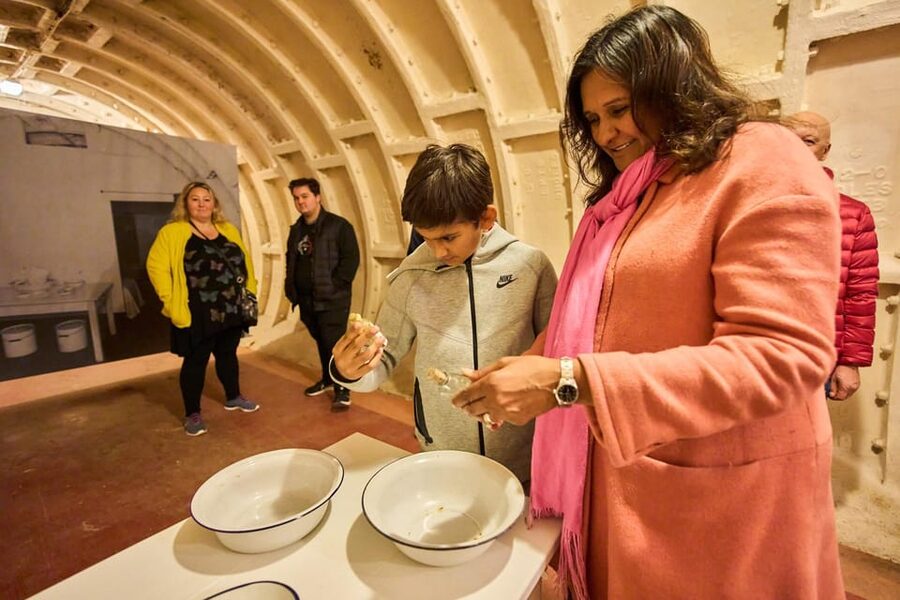
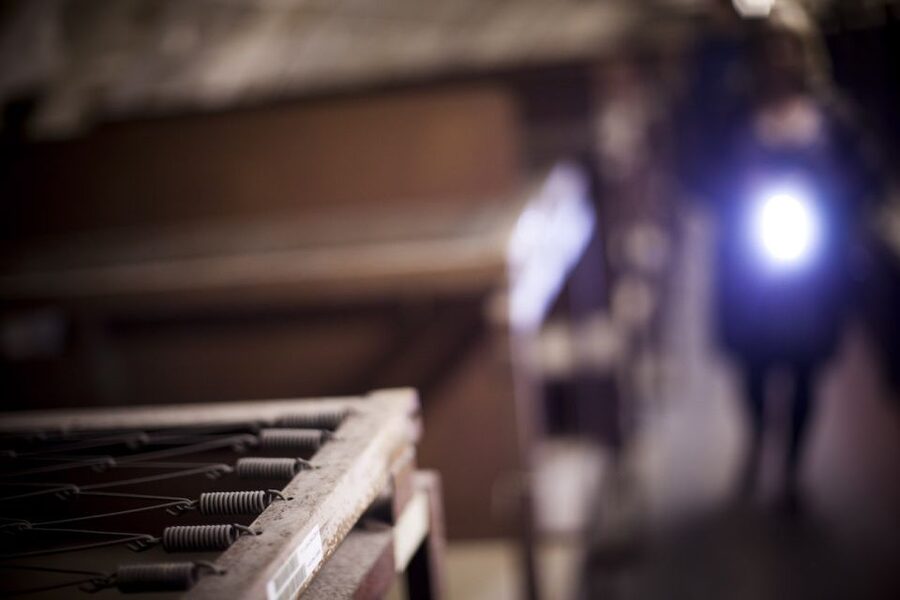
This tour includes interaction, not just looking. You’ll get hands-on time with genuine Second World War torches. You’ll also discover what an Anderson shelter looked like, tying the deep-level site to a broader picture of how Britain protected civilians during bombing.
Hands-on details help you understand the weight and intent of survival gear. A torch isn’t just a prop. It represents the reality that light, visibility, and quick movement mattered underground.
You might not expect that a shelter tour would include anything tactile, but it’s part of how the guide sets the scene. If you enjoy museum experiences where your senses do some of the learning, this is a real plus.
Historic graffiti and first-person style accounts across generations
One standout feature is historical graffiti left by shelter occupants. Seeing graffiti in an underground space does something very specific. It turns the shelter from an exhibit into a place where people expressed themselves while living through real stress.
Graffiti can also be a kind of memory thread. Even if you don’t read every line, it helps you imagine that the nights weren’t only silence and fear. People reacted, joked, complained, left messages, and tried to mark time.
The guided story then shifts into post-war accounts, including the visitors of the Festival of Britain and the first Caribbean migrants arriving in Britain linked to HMT Empire Windrush. That jump can feel surprising at first, but it makes sense here because the same underground infrastructure served different needs over time.
From wartime shelter to post-war repurposing: Windrush in the same walls
This is one of the reasons the tour feels more than a WWII walkthrough. You’ll learn that the shelter was built to protect over 8,000 people during air raids, and then it was repurposed after the war.
Hearing about the first Caribbean migrants connected to Windrush arriving to the UK makes the shelter story bigger than a single war chapter. It shows how London spaces can hold multiple meanings. You’re not just learning what happened during the bombing. You’re learning that the shelter’s story continued in the post-war years.
That contrast is emotionally heavy, but it’s also why the tour is memorable. It tells you that history does not live in one year. It lives in places.
Practical comfort tips for 75 minutes of low light and walking
The tour is 75 minutes long. That’s plenty of time to see a lot, but it also means you’re on your feet and in moving corridors.
Here’s what you should plan for:
- Wear comfortable shoes with good grip. No open-toed footwear is allowed.
- Bring weather-appropriate clothing, because you’re meeting above ground first, then layering your comfort for underground conditions.
- You’ll deal with uneven ground and low lighting, so watch your step even when the guide is speaking.
- The tour includes walking up and down static escalators.
- There’s no cloakroom, and luggage or large bags are not allowed.
- Bring a passport or ID card.
Also, if you like to photograph things, you should know lighting can be dim in sections. Your phone camera may struggle, so look for the moments where lighting is better, and focus on capturing what you’ll remember later, not every corridor.
Who should book, and who should think twice
This is a strong match for adults and history-minded visitors who like real spaces and real constraints. It’s also a good fit if you enjoy guides who can explain both the technical and human sides of London history, not just the dates.
It’s not suitable for:
- Children under 10
- People with mobility impairments
- People with claustrophobia
That last point is crucial. You’ll be in a hidden underground maze with low lighting and a closed-in feel. If you have any anxiety about confined spaces, treat that as a hard stop. Don’t gamble hoping you’ll be fine.
Price and value for a museum-style guided tour
At $51 per person for 75 minutes, the value comes from three places.
First, it’s a guided museum experience from London Transport Museum. Second, you’re not just hearing facts. You’re seeing original bunks, spotting WWII graffiti, and using hands-on items like WWII torches. Third, the tour includes the site’s unique “in-between” story: wartime shelter life plus post-war repurposing linked to HMT Empire Windrush.
If you’re the type who likes your London history with physical context, this price is easier to justify. You’re paying for access to a space most people never see, plus expert guides who can tie the rooms, objects, and stories together.
If you want a quick, mostly indoor overview with wide open spaces, this may feel like too much underground for the time. In that case, compare it to more conventional museum galleries.
Should you book the Clapham South subterranean shelter tour?
Book it if you want a hands-on, guided look at how London tried to protect people during WWII, and you want the story to continue into post-war years, including the Windrush connection to HMT Empire Windrush. I’d also book it if you appreciate guides who set a scene, including that ARP warden role-play that helps you feel where you are in the story.
Think twice if you’re sensitive to confined spaces, low light, or uneven ground. Also, if you hate walking on uneven surfaces or you need a step-free route, this setup isn’t made for that.
If you’re in the area and you want an experience that feels distinctly London, not generic, this is a very solid pick.
FAQ
How long is the Clapham South subterranean shelter guided tour?
The tour lasts 75 minutes.
Where do I meet for the tour?
Meet in front of the Marks & Spencer Food Hall on Balham HIII, SW12 9EA. It is about a 2 minute walk from Clapham South station, turning right when you exit.
How deep underground is the tour?
You travel underground to explore the shelter tunnels, including going down to around 30 metres underground.
Is the tour suitable for claustrophobia?
No. The tour is not suitable for guests with claustrophobia.
Are children allowed?
Children under 10 are not suitable for this tour.
What should I wear or bring?
Wear comfortable, sturdy shoes and weather-appropriate clothing. Bring a passport or ID card.
Is open-toed footwear allowed?
No. Open-toed shoes are not allowed.
Can I bring food, drinks, or luggage?
Food and drinks are not allowed, and luggage or large bags are not allowed. There is no cloakroom.
More Guided Tours in London


More Tours in London



More Tour Reviews in London
Not for you? Here's more nearby things to do in London we have reviewed









More Guided worth a look.
 ★ 4.7Emirates Stadium Entry Ticket and Audio GuideTickets from $475,513 guest reviews
 ★ 4.5Stonehenge, Windsor Castle and Bath Full Day Guided TourTickets from $1235,346 guest reviews
 ★ 4.5London Jack the Ripper Guided Tour with Ripper-VisionTickets from $274,840 guest reviews
 ★ 5.0Original Harry Potter Locations Tour – Guided Tour of LondonTickets from $164,117 guest reviews
 ★ 4.1Christmas Lights Nighttime Bus Tour with Live GuideTickets from $403,720 guest reviews
 ★ 4.7From London: Cotswolds and Oxford Guided Day-TripTickets from $1063,720 guest reviews
 ★ 4.7Wembley Stadium Guided TourTickets from $333,629 guest reviews