
REVIEW · LONDON CITY TOURS
Booze, Brothels & the Bard: London’s Bawdy Borough
One walk, and London’s darker side shows up fast. This Southwark stroll mixes prisons, prostitution legends, and Shakespeare sights into a tight 2-hour loop. I really like how the guide turns a messy, real place into a clear story, and I love the way you move between landmark stops without feeling rushed. One thing to consider: the subject matter is adult, so it’s not suitable for kids under 13.
You start at Borough Station and end at Shakespeare’s Globe, so you get both the grimey backstory and the stage legacy in one shot. The group size is capped at 15 people, which helps the guide keep the tone fun but still answer questions. A final drawback to plan for is time at each stop is short, so you may want to return later if you want to linger.
Key highlights you’ll feel on the walk
- Southwark’s Bawdy Borough story: why Borough and Bankside sat outside the City’s control for centuries
- Two notorious prisons in one route: Marshalsea and the Clink, with parts you can still see
- Borough Market plus the Globe: London’s biggest, oldest market paired with Shakespeare’s theatre today
- Real characters and local folklore: Winchester Geese prostitutes, Dickens ties, a pub landlady ghost, and Doorkins Magnificat
- Small-group pace: limited to 15 attendees, so the guide can keep it personal and funny
Borough and Bankside: why the City looked away
Southwark is the part of London that feels like it got away with things. And the tour makes that idea make sense. You walk in areas around Borough and Bankside, where for centuries the City of London did not control everything the way you might expect.
That matters because it explains the pattern: when laws and enforcement are inconsistent, people adapt. Southwark becomes the place for the “elsewhere” activities, including prostitution and other seedy goings-on that the neighborhood is famous for. The guide frames the whole walk like a timeline, not a list of stops. You start to understand how romance, trouble, punishment, and performance all lived in the same blocks.
I also like the way the tour doesn’t treat this as pure shock value. It leans into story, names, and settings, like Winchester Geese prostitutes and the way Charles Dickens connected the area to his London world. It’s history you can picture, because the places are still here.
You can also read our reviews of more tours and experiences in London.
Price, value, and what $26 buys you in real terms
At $26 per person for about 2 hours and roughly 2 miles of walking, this isn’t a long, sit-and-stare museum outing. It’s a guided walking story with real landmarks and two major “London essentials” baked in: Borough Market and Shakespeare’s Globe.
The value comes from three things:
- You get a live guide who keeps explanations tight and well paced.
- The max group size is 15, so you’re not shouting over each other.
- The route ties together themes instead of treating each site like a separate checkbox.
If you love making the most of limited time, this works. If you hate walking, or if you want deep time inside buildings, you’ll probably feel the limits. The tour is designed for a guided overview, not for hours of lingering.
Your route from Borough Station to the Globe Theater
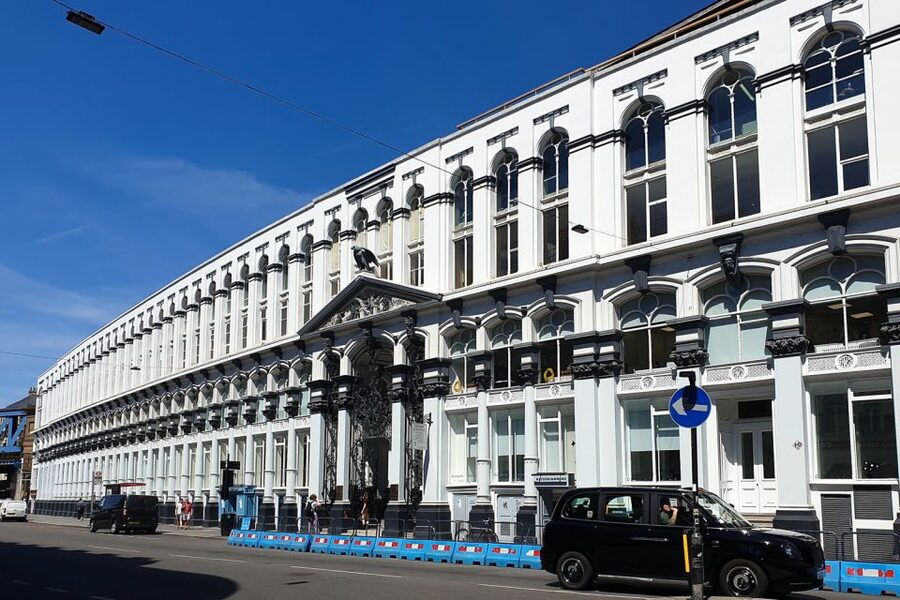
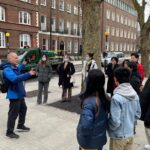
The tour starts just outside Borough Station on Borough High Street, with the guide standing at the exit area holding an Historic London Tours sign. Plan on arriving a few minutes early, because you’re starting right on schedule.
You finish near Shakespeare’s Globe, after passing London Bridge and two prison sites. Expect a practical pace: the walk is about 2 miles total, with short guided moments at each stop, often around five minutes.
The upside of this format is momentum. You’re not stuck at one crowded place for too long, and you get a “map in your head” of Southwark. The downside is that each stop is more like an introduction than a full visit. In particular, if you want extra time at the Globe, build that into your day. One day on the street can only do so much.
Marshalsea Prison: punishment with a human scale
One of the first big stops is the Marshalsea Prison. The tour treats it as more than a spooky sign on a wall. You’re shown what’s still visible and guided through why this prison became one of Southwark’s notorious names.
Even in a short visit, you can feel what the guide is doing: connecting place to reputation. Southwark’s “bawdy” identity isn’t just about pleasure. It’s also about consequences, and prisons are the blunt end of that story.
If you’re the type who likes history to have cause-and-effect, you’ll appreciate how the guide moves from the neighborhood’s rule-bending into the reality of enforcement. The stop is brief, but it anchors the rest of the walk.
Crossbones Garden: the neighborhood’s darker underside
Next up is Crossbones Garden. This stop gives the tour its grim texture. Southwark’s reputation for debauchery sits next to the physical reminders of hardship, and Crossbones Garden is presented as part of that broader picture.
The guide uses this moment to reinforce the tour’s core idea, that the area’s legends do not float in a vacuum. They’re tied to how people lived, suffered, and were buried in a city that always had too many of both.
You won’t get a full lecture here. You get enough to connect the dots so the rest of the route feels like a single story.



Hop Exchange and the George Inn: booze, trade, and a pub ghost
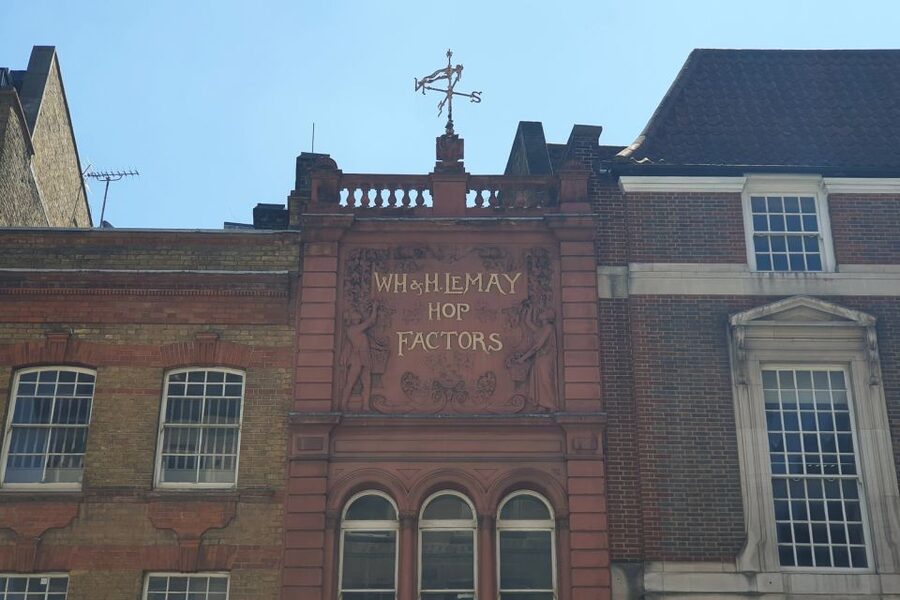
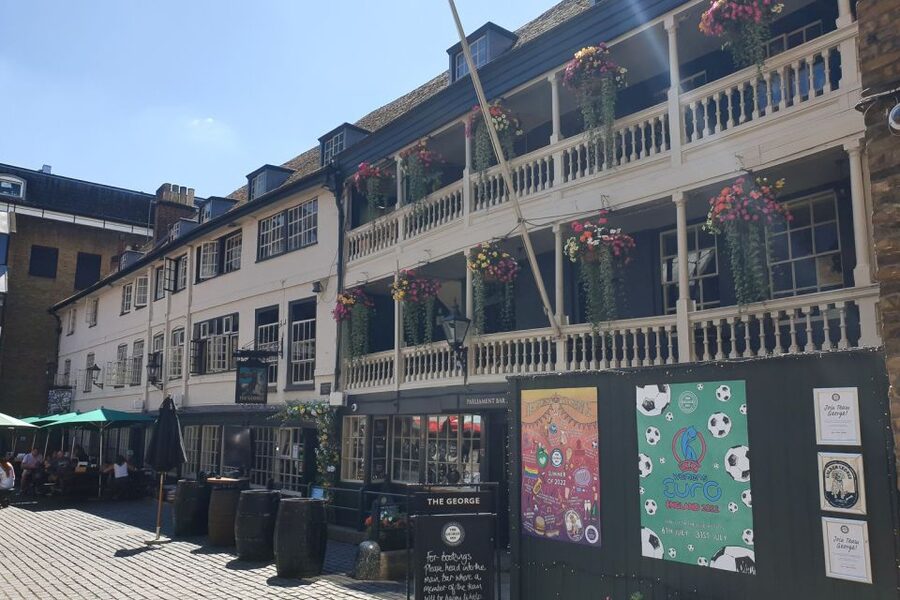
After the prison and grim reminders, the walk pivots toward the drinks-and-trade side of Southwark. You stop at the Hop Exchange and then at the George Inn.
This is where the tour’s title, Booze and Brothels, stops being just clever branding. You’re reminded that Southwark wasn’t only sex and prisons. It was also commerce, drink culture, and gathering places.
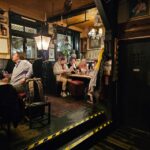
The guide adds characters to keep the tone lively, including the ghost of a nineteenth-century pub landlady. That’s not the kind of thing you get from a history plaque. It’s a story tool that helps you remember the mood of the neighborhood, and it explains why pubs and inns mattered in places where everyone was passing through.
If you’re worried the vibe will turn into stand-up comedy, don’t. The humor is light and the facts stay attached to specific places.
Borough Market: the contrast that makes Southwark click
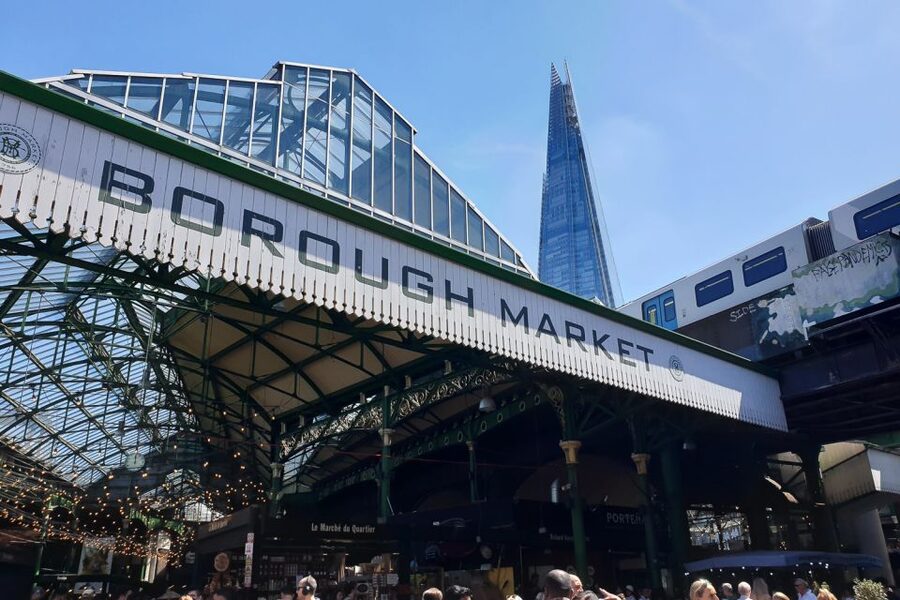
Then you hit Borough Market, and it’s a jolt in the best way. This is London’s largest and oldest market, and you experience it as a living, modern crowd right after hearing about crime, punishment, and scandal.
What I like here is the contrast. You’re not just learning about the past. You’re standing in a space where people still buy food, still socialize, still move fast. That helps the history feel grounded.
Also, the guide steers the group through busier areas, which matters on a market day. You get a few key points without losing your place in the crowd. If you’re the kind of person who wants to return and eat later, this stop practically pushes you toward it.
Old Operating Theatre Museum and Herb Garret: medicine in a hard world
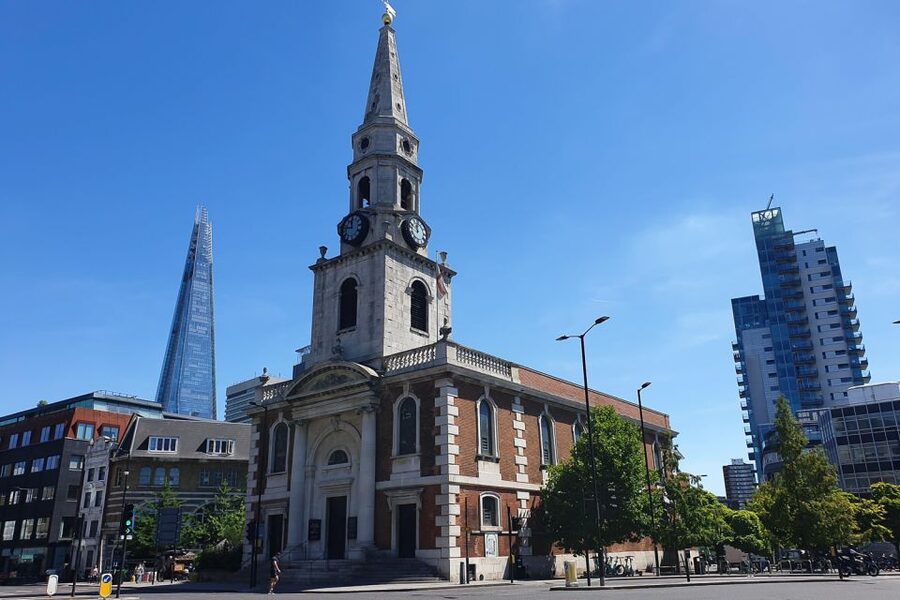
The tour includes the Old Operating Theatre Museum and Herb Garret. This is one of those stops that changes how you think about “seedy” neighborhoods.
Instead of focusing only on nightlife and punishments, the guide points you toward the practical reality of health and medicine. You learn how people coped in earlier times, and you get the sense that this area handled both everyday needs and uncomfortable emergencies.
In a short visit, this stop works like a reminder that “adult” life isn’t only about romance or crime. It’s also about survival, and this museum stop makes that concrete.
Southwark Cathedral: where worship meets neighborhood reality
Next is Southwark Cathedral. The tour uses it as a counterweight to all the trouble in the streets. You see a grand religious landmark right in the same general area as prisons, markets, and rowdier reputations.
The guide focuses on antiquity and context, and it gives your mental map a stronger spine. If you’re learning London for the first time, this kind of balance matters. It keeps the story from becoming one-note.
I also like that the stop makes you slow down for a moment. Markets and prison stories can run loud. A cathedral helps the walk feel human and reflective.
London Bridge plus Winchester Palace: power, travel, and the ruins of authority
You then pass London Bridge, which is a handy turning point. Even if you just take a quick look around, it helps you connect the neighborhood story to the broader movement of people across the river.
After that, you visit Winchester Palace, where you’ll see the remains tied to the Bishop of Winchester. This is a big one for the tour’s theme, because it places power in the same neighborhood as vice.
The guide brings in the idea of the Winchester Geese prostitutes here, linking names and reputations to the social geometry of the area. It’s the kind of connection that sounds like trivia until you realize it’s how people remembered places back then.
Clink Prison Museum: the second prison that completes the picture
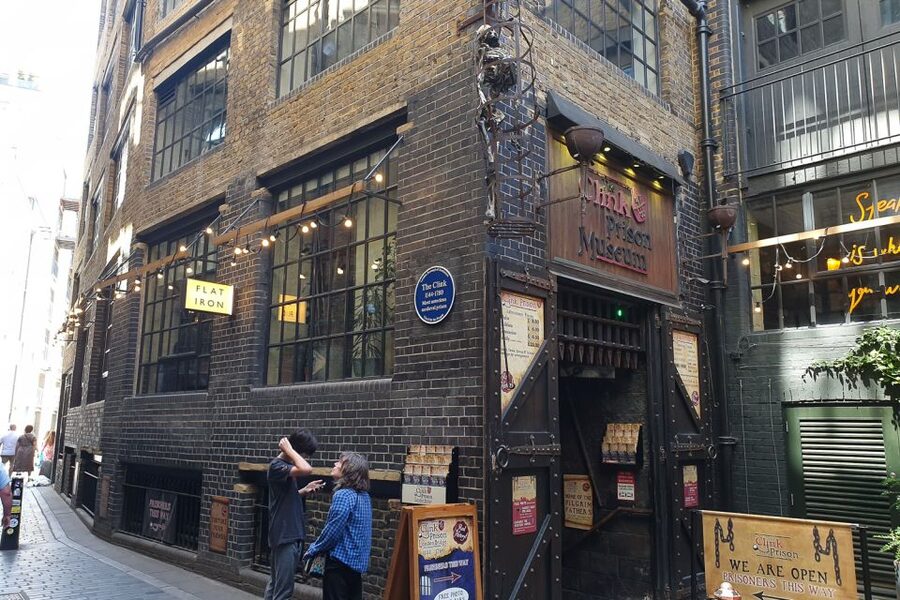
The walk then reaches Clink Prison Museum, the other notorious prison featured on the route. By the time you get here, you’ve already been primed by Marshalsea, so the Clink stop feels like a comparison, not a repetition.
The guide points out what remains and helps you understand why both prisons became such part of Southwark’s identity. Together, they show that the neighborhood’s “bawdy” reputation wasn’t only a label for scandal. It was also a machine for control.
If you like organized storytelling, you’ll appreciate how the guide uses this second prison to tighten the theme and bring earlier stops into focus.
From the original Globe site to Shakespeare’s Globe today
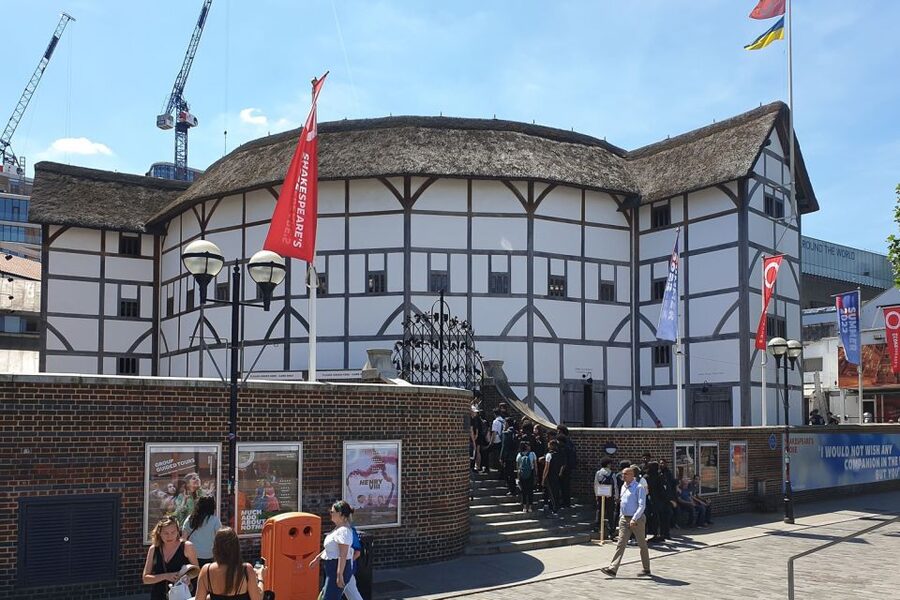
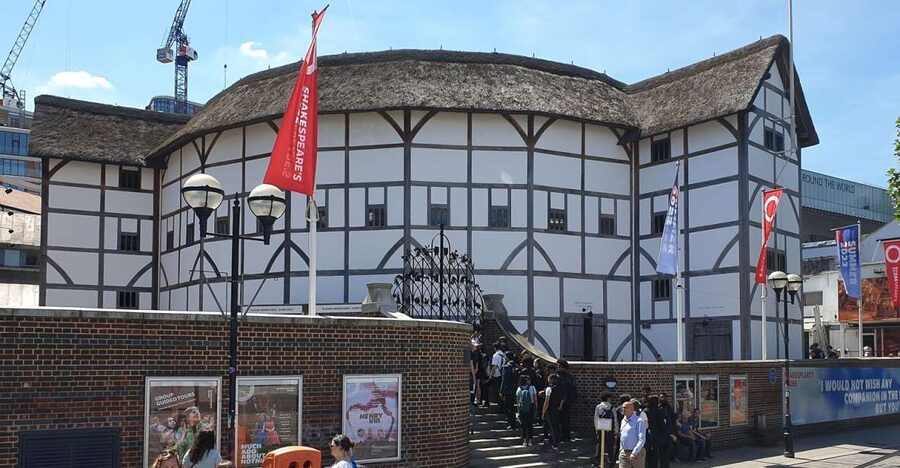
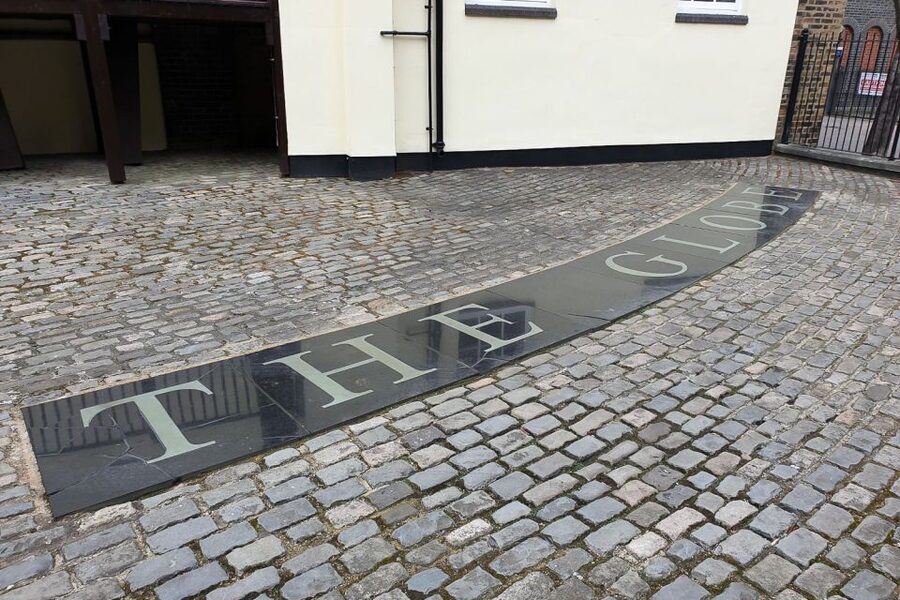
Finally, you shift from prisons and palaces into theatre. You visit the original site of the Globe Theatre, then continue to Shakespeare’s Globe Theatre.
This is where the title earns its pay. Shakespeare’s work is tangled with London streets, and this part of the tour makes that connection feel physical. You learn why the area mattered for performance culture, and you get both the idea of what was there and what you see today.
Two practical notes so you don’t get surprised:
- The guided time at the Globe is short, so treat it as orientation.
- If you want to go inside for a full look, plan extra time later in your day.
Still, even with limited time, the guide does a good job threading in Shakespeare so you’re not just looking at a building. You leave with a reason for why that theatre belongs on this exact walk.
Best for: who will love this tour
This is a great fit if you want:
- A compact 2-hour overview with a clear story arc
- A grown-up theme told with humor and context
- Highlights without a huge time commitment
- A route that connects Borough Market and Shakespeare’s Globe to the surrounding neighborhood history
It’s not the best fit if you want a slow, museum-style day. Each stop is brief, so your satisfaction will depend on whether you enjoy guided introductions more than long visits.
A quick no-pressure decision: should you book?
If you’re looking for a guided walk that gives you an easy mental map of Southwark, I’d book it. The price for a small group, the themed storytelling, and the way the guide keeps explanations short and fun make it a strong value for time-poor visitors.
Just go in knowing it’s a short route. If you want extra time at Shakespeare’s Globe, add it to your schedule. And if you’re traveling with kids under 13, skip this one and find a different London walk that fits the age level better.
FAQ
FAQ
How long is the tour, and how far do you walk?
The tour lasts about 2 hours and covers about 2 miles of total walking distance.
Where do I meet the guide?
Meet just outside Borough Station on Borough High Street. The guide will be standing near the exit with an Historic London Tours sign.
Where does the tour end?
The tour finishes at Shakespeare’s Globe.
What’s the group size limit?
Ticket sales are limited to fifteen attendees.
What language is the tour given in?
The live guide speaks English.
Is the tour suitable for children?
No, it is not suitable for children under 13.
Is there free cancellation?
Yes, you can cancel up to 24 hours in advance for a full refund.
Can I reserve and pay later?
Yes, you can reserve now and pay later, which keeps your travel plans flexible.
More Tour Reviews in London
Not for you? Here's more nearby things to do in London we have reviewed




More London City Tours worth a look.
 ★ 4.6The London Eye Entry TicketTickets from $3935,875 guest reviews
 ★ 4.7From London: Harry Potter Warner Bros Studio TourTickets from $11726,588 guest reviews
Westminster to Greenwich River Thames CruiseTickets from $2222,836 guest reviews
Magical London: Harry Potter Guided Walking TourTickets from $2022,044 guest reviews
★ 4.7From London: Harry Potter Warner Bros Studio TourTickets from $11726,588 guest reviews
Westminster to Greenwich River Thames CruiseTickets from $2222,836 guest reviews
Magical London: Harry Potter Guided Walking TourTickets from $2022,044 guest reviews
 ★ 4.6Madame Tussauds LondonTickets from $3620,915 guest reviews
 ★ 4.5Stonehenge, Windsor Castle, and Bath from LondonTickets from $11118,662 guest reviews
 ★ 4.7Warner Bros. Studio Tour with TransfersTickets from $14417,586 guest reviews
 ★ 4.7Tower Bridge Entry TicketTickets from $2115,560 guest reviews