
REVIEW · LONDON CITY TOURS
London: Household Cavalry Museum Entry Ticket
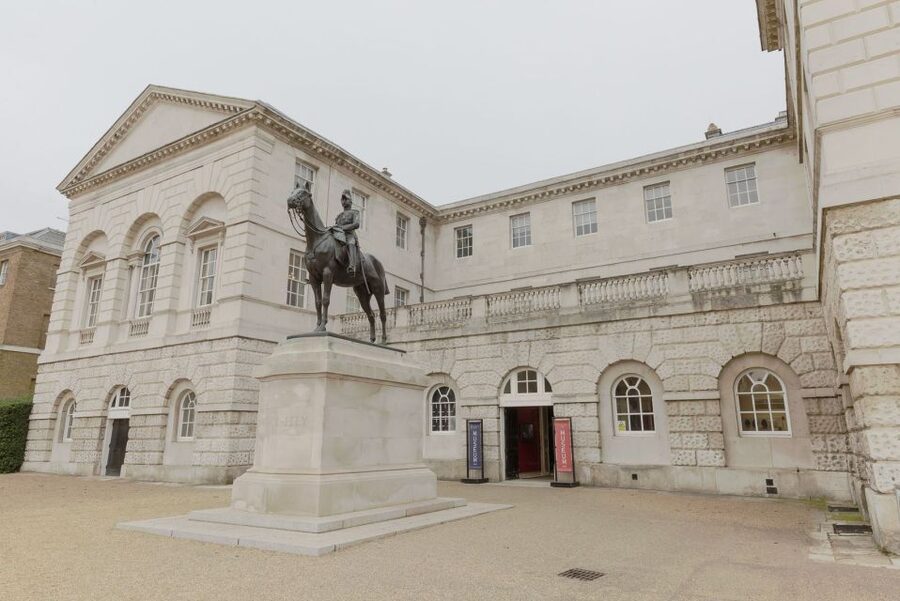
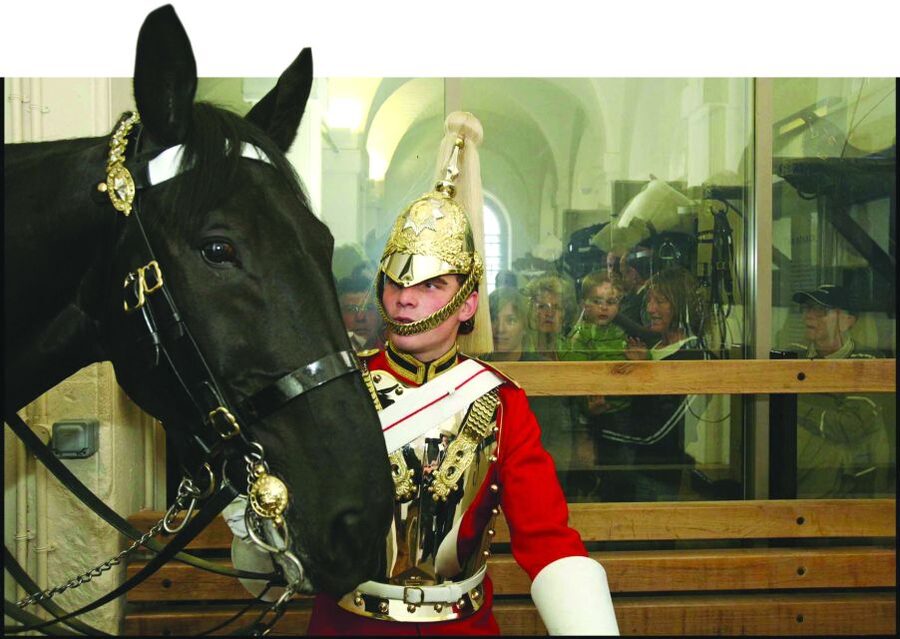
Glass doors, real horses, serious discipline. That is the feel of the Household Cavalry Museum in Horse Guards, Whitehall, where you can view the working Household Cavalry and explore a building rooted in the 1700s. It is a small, tightly focused London stop that mixes artifacts, stories, and that original-stable perspective people usually only imagine.
I especially like the behind-the-glass stable look and the trooper training stories, presented through interactive displays and personal accounts. You get a clear sense of what the Household Cavalry is, and how demanding their preparation is, not just what the uniforms look like. The rare objects on public display add an extra layer for anyone who likes history with specifics.
One possible consideration: it is not a huge facility, so you should go with the expectation of a compact visit. Plan on at least 60 minutes, and if you want an all-day horse-focused experience, this ticket may feel short.
Quick hits before you go
- Working stables through a glazed partition: see troopers and horses without needing to guess what is happening behind the scenes.
- A 1750-era setting with real headquarters value: the museum is inside Horse Guards, tied to the Household Division.
- Personal accounts of rigorous training: you are not only looking at objects, you are learning how the work is done.
- Interactive displays that connect the dots: the story of the House Guards and British Army context is part of the visit.
- Good value for military history fans and kids: many people rate it as worth the ticket price for the experience it delivers.
- Expect a smaller footprint: a few bookings call out that it can feel limited if you expect a larger “stables museum” feel.
Household Cavalry Museum at Horse Guards: what you are really getting for $14
This ticket is simple: you are buying entry to the Household Cavalry Museum inside Horse Guards in central London, Whitehall. The big value is not just that you are visiting a museum, it is that you are learning inside a place that is still tied to the Household Division and the Household Cavalry’s long service, including the Queen’s Life Guard for more than 350 years.
At around $14 per person, the cost works best if you want a concentrated hit of British military tradition, plus that rare perspective on how the cavalry operates. If you are the type who loves photos, artifacts, and short, story-driven exhibits, you will likely feel like you got your money’s worth quickly.
The tradeoff is that the experience is intentionally focused. It is not positioned as a full-day mega-attraction with dozens of separate rooms. A few people have said it felt too small or limited if they expected more contact with the stables concept. So your mindset matters. Think “quick, special access,” not “all-day adventure.”
Also, you get the ticket only. A tour guide is not included, so the museum experience depends on the displays and any audio or text you find inside.
More London tours and experiences for the shortlist


The 1750 building and the 18th-century stables view
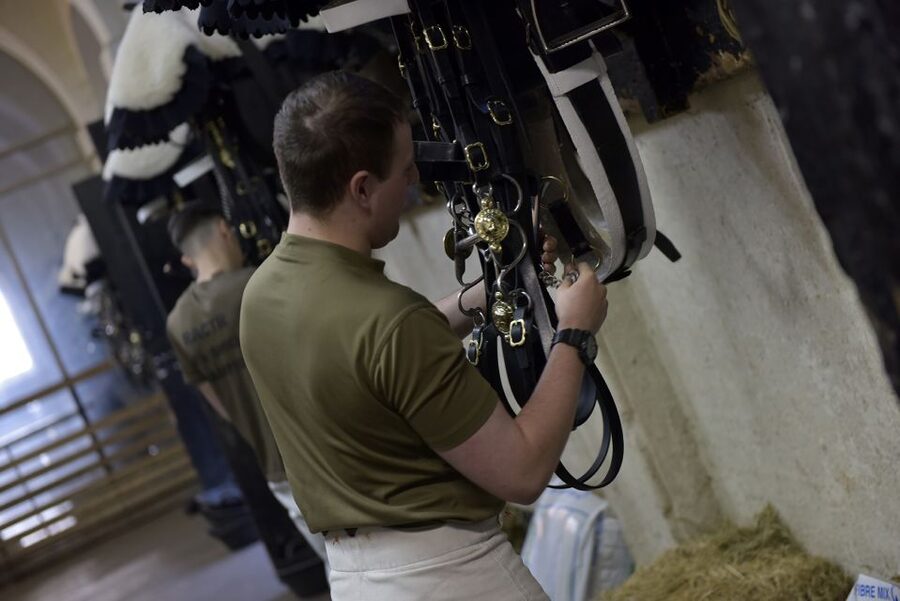
The star of the show is the access point to the original 18th-century stables. You look into the stable area through a large glazed partition, giving you that clear, controlled view of the working troopers and horses. It is one of those setups that feels instantly more real than typical museum galleries, because you are seeing the animals and the people in the same operational space.
This is also where the building’s age matters. The museum sits in a historic structure dating from 1750, and that setting adds weight to everything else you see. Even if you are not a deep military-history person, the physical environment helps you understand that this is not a modern “themed museum.” Horse Guards is a working-adjacent heritage space.
What I think you should pay attention to while you are looking through the glass:
- Watch for how horses are handled in the working rhythm of the stable space.
- Notice how the arrangement supports quick movement and readiness, not just display.
- Keep your eyes open for details that connect the stable reality to the objects you will see inside.
Because the stables are viewed through glass, you are unlikely to feel like you are in the middle of the action. That said, the visual access is the point, and it is delivered in a way that lets you watch without needing special access beyond the ticket.
Trooper training stories that make the cavalry feel human
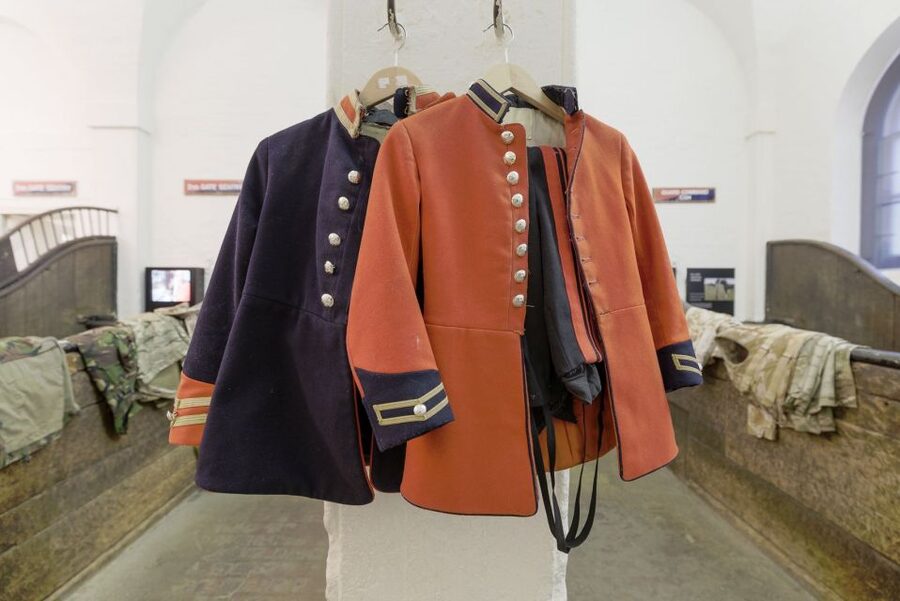
Once you step into the museum spaces, the tone shifts from watching to understanding. The displays include personal accounts from troopers and explanations of training. This is where the visit stops feeling like a set of static photos, and starts feeling like a story about discipline, repetition, and a job that is physically and mentally demanding.
You will encounter descriptions of rigorous and demanding training, presented in a way that is meant to be easy to follow. Interactive elements help you connect what you see in the stables to what you learn about the troopers’ preparation.
For me, this is the part that makes the museum more than a “look and leave” experience. If your only goal is to see horses behind glass, you will still get value. But if you want context, the trooper accounts do the heavy lifting. They explain why the Household Cavalry is organized the way it is, and what kind of training is required to perform at the level people associate with ceremonial roles.
One practical note: a booking notes there was no audioguide and the visit felt in English. Since you are not relying on a guide or a headset, I recommend taking your time reading labels and display text, especially if you are curious about the training details.
The House Guards story: Life Guards, Blues and Royals, and the British Army context
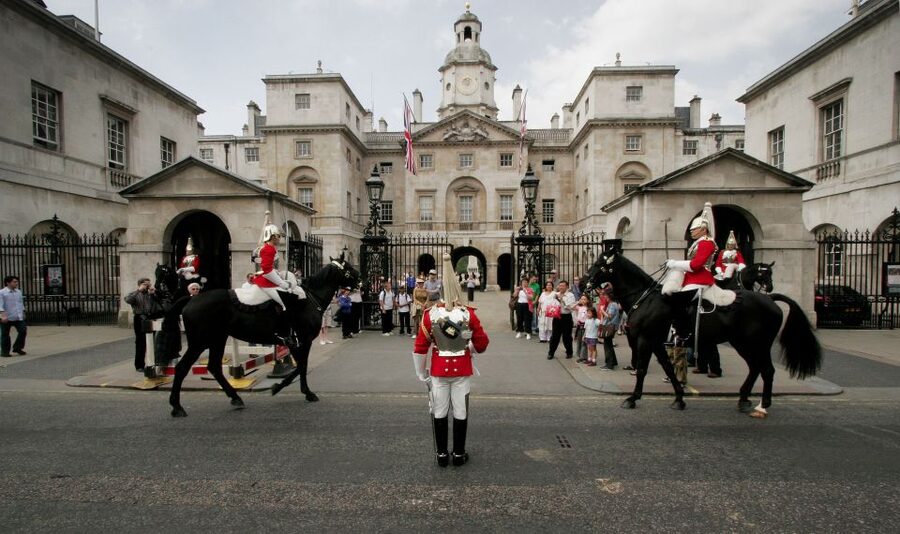
The Household Cavalry Museum is not just about the horses and the stable view. It also frames the cavalry inside the broader story of the House Guards and the British Army. This is important because it helps you understand the role and the names you see around London.
The museum explains that the Household Cavalry includes two senior regiments: the Life Guards and the Blues and Royals. If you have ever wandered past ceremonial sites and wondered why the wording and regimental distinctions matter, this is where you get the key grounding.
You also learn about the building as a headquarters of the Household Division, connecting the site to the ongoing institutional identity rather than treating it like a detached archive. That is a big reason the museum has such a specific feel. You are in the same kind of space where the cavalry’s heritage is organized and maintained.
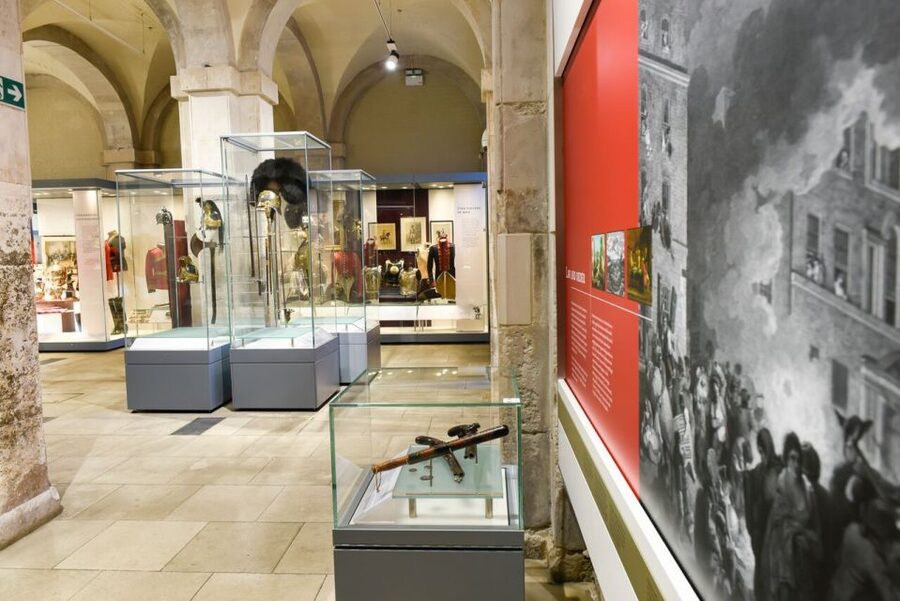
Expect to see rare historical objects, with many items described as being on public display for the first time. Even if you do not read every label, the objects help anchor the story. They turn the training explanations into something tangible, like a chain of evidence from the past to the present.
If you are traveling with kids, this section is where interactive displays can help. The regiments and simple narrative explanations can make the British Army feel less abstract.
Timing your visit in Whitehall, and how to plan an easy 60 to 90 minutes
The visit is listed as valid for one day, and you are told to check availability to see starting times. In practice, one booking noted there is no specific time slot for visiting, with access available anytime during the day after reserving. Either way, the key is that you should not treat this like a timed tour where you need to rush from room to room.
At a minimum, allow 60 minutes. If you like reading, you might stretch it to 75 to 90 minutes, especially if you stop often at the stable view and then slow down for the artifacts and story displays.
How to get your best flow:
- Start with the stable view first, so you have the real-life reference in your mind.
- Then move into the indoor exhibits for the trooper training accounts and the regimental context.
- Finish with the objects that feel most unfamiliar to you, since you will have the background by then.
Because Horse Guards sits in central London near Whitehall, you can pair the museum with other nearby landmarks. The museum itself is designed for a focused visit, so it works well as a daytime cultural stop rather than something you stack deep into the evening.
You can also read our reviews of more museum experiences in London





Is it worth it for kids, history fans, and your broader London plan?
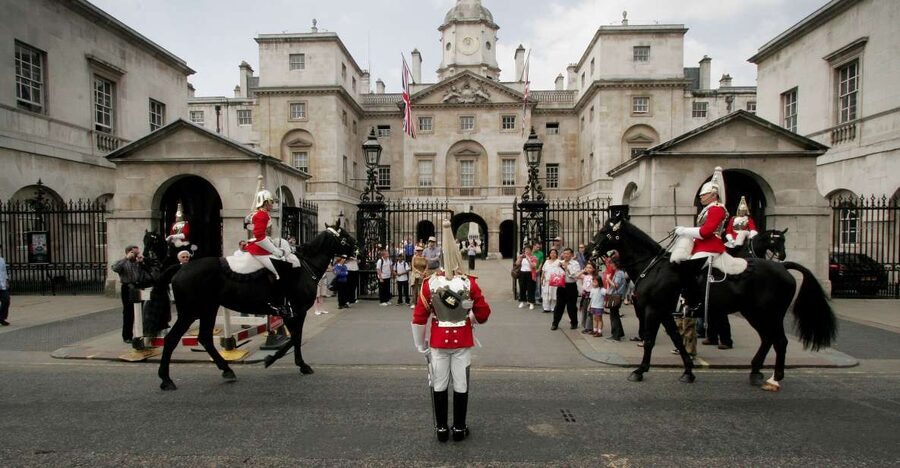
This is one of those experiences where your interests decide your satisfaction. If you enjoy British military history, ceremonial tradition, or hands-on storytelling about how people train and work, you will likely love it.
Good fit:
- Military history fans who want a compact museum with context.
- Families looking for something unique in central London that has both horses and story-driven exhibits.
- Travelers who like authentic locations rather than generic museum settings.
Not ideal if:
- You expect a very large museum footprint with lots of separate exhibition areas.
- You want a long, outdoor stable experience where you can roam and spend hours watching horses up close.
It is also worth remembering that the ticket does not include a tour guide. Without one, you are steering your own pace. The museum uses displays and personal accounts to do the explaining. That is usually fine for independent travelers, but if you rely on guided narration to keep your attention, you might find the experience feels more self-directed than you wanted.
And if you were hoping for more than a glazed-partition look at the stables, your expectations may need adjusting. The viewing is built for observation, not for interaction.
Practical tips for a smooth entry at the Household Cavalry Museum
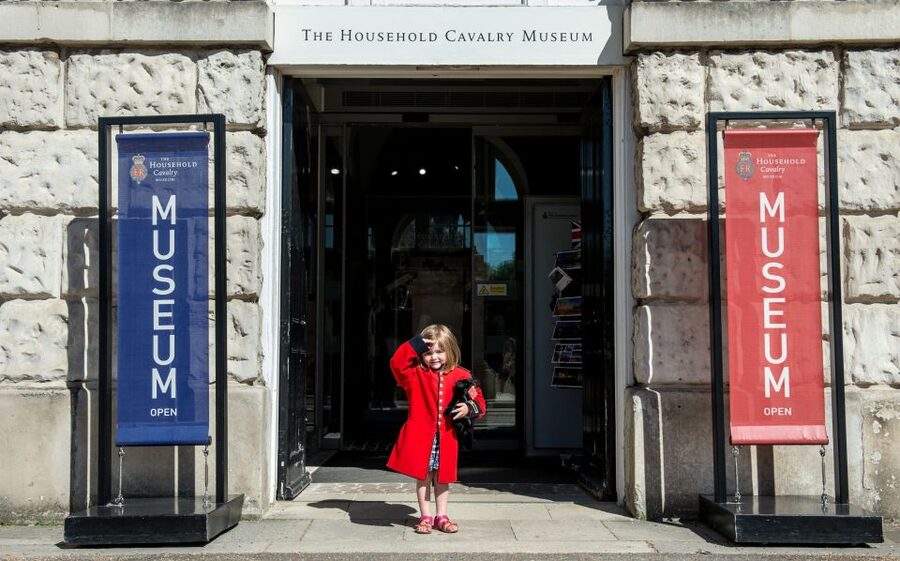
Meet directly at the Household Cavalry Museum. In other words, you do not need a separate shuttle, a downtown pickup, or a complicated start. Once you arrive in Whitehall, look for the Horse Guards area and head straight to the museum entrance.
Since a tour guide is not included, do this to get more from the displays:
- Give yourself time to read the story panels tied to training and the House Guards background.
- Watch for the personal accounts sections, then circle back if you want to connect them to what you saw in the stables.
- Don’t rush the rare objects area. Those are the pieces that make the museum feel like more than a single viewing window.
Accessibility is supported. The ticket notes wheelchair accessibility, which matters because stable-view areas and indoor display spaces are often where accessibility details make or break a visit. Also, plan around the fact that some parts of the experience revolve around sightlines into the stable area through glass.
Pets are not allowed, though assistance dogs are allowed. If you are traveling with an assistance animal, keep that in mind and be prepared to follow the museum’s entry rules.
Language support is not spelled out in detail in the ticket notes. One booking explicitly says the visit was in English and there was no audioguide. If you rely on audio, you may want to be comfortable reading the exhibit text instead.
Should you book this Household Cavalry Museum ticket?
Book it if you want a compact, high-impact London museum stop with a genuinely special setting. For the ticket price, you get the main attraction, the stable view through a glazed partition, plus training stories and the regimental context of the Life Guards and the Blues and Royals. It is also a good choice if you like heritage that is still tied to a real military institution, not just a recreated exhibit.
Skip it or think twice if you expect a huge multi-room museum with lots of time in the stables area. The format is focused, and the experience can feel small compared with big museums. Also, since no tour guide is included and an audioguide was not available for at least one booking, go in ready to read and explore at your own pace.
If your plan includes Whitehall anyway, this is the kind of ticket that can turn a simple stroll into something more memorable, fast.
FAQ
Where is the meeting point?
Meet directly at the Household Cavalry Museum.
How long should I plan for my visit?
Please allow at least 60 minutes for your visit.
Is the ticket valid for only one day?
Yes, it is listed as valid for 1 day. You can check availability to see starting times.
Is a tour guide included?
No, a tour guide is not included.
Is the museum wheelchair accessible?
Yes, the experience is wheelchair accessible.
Are pets allowed?
Pets are not allowed. Assistance dogs are allowed.
Do I need a specific time slot to enter?
The ticket notes starting times, and at least one booking indicated there was no specific time slot and access worked throughout the day. Check what is shown for your reservation.
Is there free cancellation?
Yes. You can cancel up to 24 hours in advance for a full refund.
More Museum Experiences in London
More Tickets in London

More Tour Reviews in London



Not for you? Here's more nearby things to do in London we have reviewed









More London City Tours worth a look.
 ★ 4.6The London Eye Entry TicketTickets from $3935,875 guest reviews
 ★ 4.7From London: Harry Potter Warner Bros Studio TourTickets from $11726,588 guest reviews
Westminster to Greenwich River Thames CruiseTickets from $2222,836 guest reviews
Magical London: Harry Potter Guided Walking TourTickets from $2022,044 guest reviews
★ 4.7From London: Harry Potter Warner Bros Studio TourTickets from $11726,588 guest reviews
Westminster to Greenwich River Thames CruiseTickets from $2222,836 guest reviews
Magical London: Harry Potter Guided Walking TourTickets from $2022,044 guest reviews
 ★ 4.6Madame Tussauds LondonTickets from $3620,915 guest reviews
 ★ 4.5Stonehenge, Windsor Castle, and Bath from LondonTickets from $11118,662 guest reviews
 ★ 4.7Warner Bros. Studio Tour with TransfersTickets from $14417,586 guest reviews
 ★ 4.7Tower Bridge Entry TicketTickets from $2115,560 guest reviews
Continue by place or experience