
REVIEW · BUCKINGHAM PALACE TOURS
London: Changing of The Guard Tour
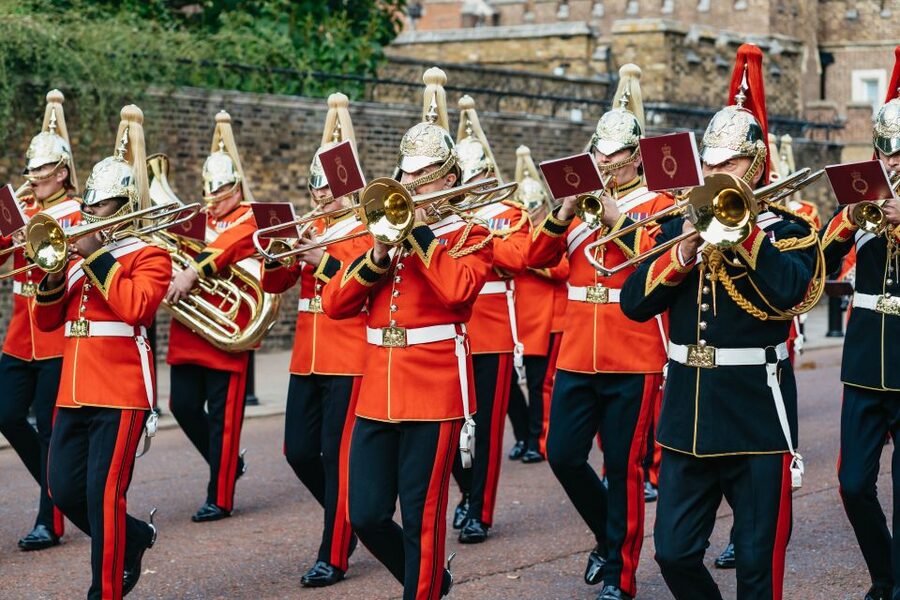
The Guards are more than statues in time. This London walk turns the famous Changing of the Guard into a moving story, with great photo opportunities and plain-English meaning behind the uniforms.
Two things I love are the up-close symbolism (buttons, colors, gestures) and the fact you actually track the guards on foot, not just watch from one spot. You should know one catch up front, though: you do not get the palace forecourt view, so the experience is action plus context rather than a perfect front-row palace-gate moment.
Key highlights worth showing up for
- Live guide interpretation of the ceremony so you understand what you are seeing, not just when it happens
- Prime walking-route photo stops at landmarks along the way, including St James’s Park and St James’s Palace
- Uniform and movement symbolism explained in a way that clicks fast, from regiments to colors
- Crowd-handling and pacing that keeps your group together and gets you to good lines of sight
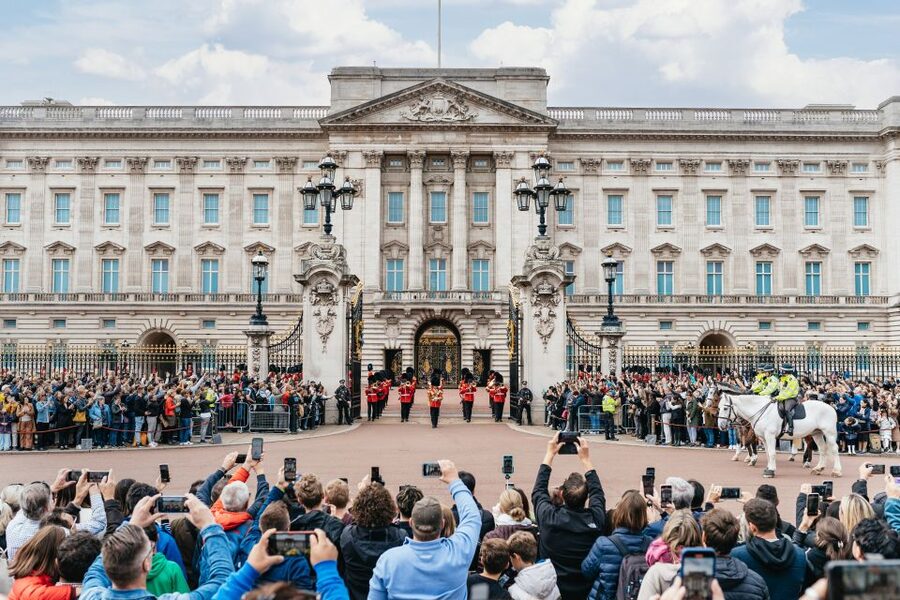
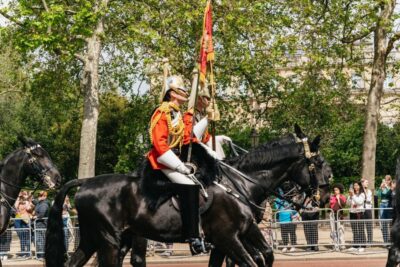
- Bonus horse cavalry moments sometimes depending on the day’s movements (seen during one tour with Rachel’s group)
The Changing of the Guard, decoded in plain English
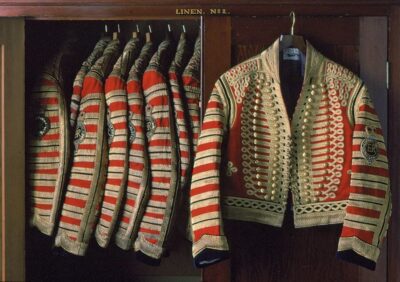
The Changing of the Guard looks simple from far away. Up close, it is basically performance art with military precision. This tour helps you read the ceremony like a script, with your guide explaining the meaning behind the colors, buttons, and gestures as the guards move.
I also like that it does not treat the Royal Family as a fuzzy background theme. You get history tied to the site you are standing on, plus the why behind the pomp. If you want a London moment that feels British in your bones, this is one of the best ways to do it without getting lost in the crowd.
You can also read our reviews of more tours and experiences in London.
Meeting at Waterloo Place, then walking into the action
You meet at the Equestrian statue of Edward VII on Waterloo Place. Look for the man-on-horse statue and a sign for Urban Saunters. It is a straightforward start, and that matters here because the ceremony draws huge numbers.
If you are coming by tube, go to Piccadilly Circus and take exit No. 3 onto Regent Street, then walk south down Regent Street toward St James’s Park. The easiest mistake is walking north toward Oxford Street, which pushes you away from where you need to be. From there, Waterloo Place sits at the end of Regent Street.
Comfort tip: wear shoes you can stand in for real. The walking is part of the fun, but it also means you feel your feet at the end.
How the tour keeps you from getting stuck behind strangers

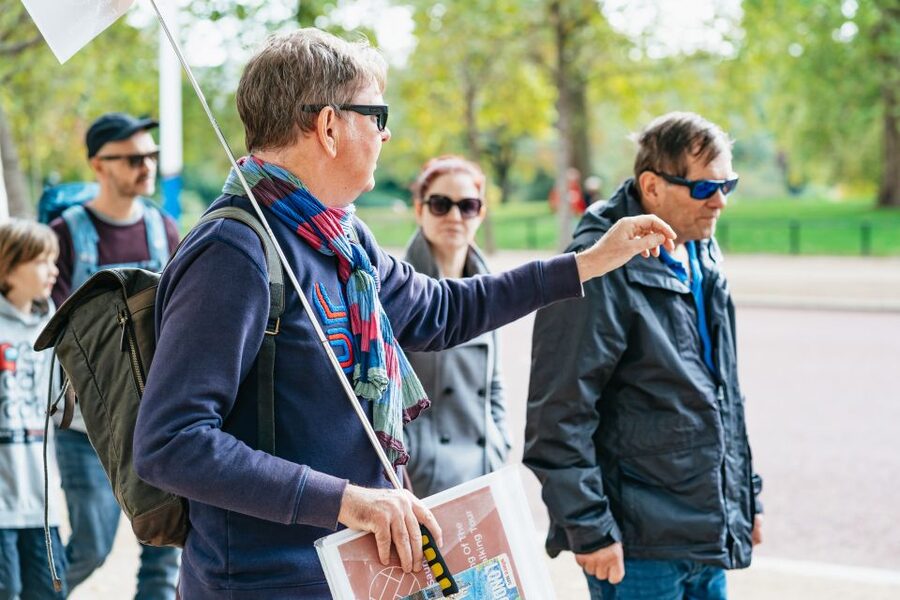
The biggest win for most people is not that you see the ceremony. It is that you see it from multiple angles without spending the whole time fighting for space. Guides like Chris, Nathan, and Babs are repeatedly praised for getting groups to the best spots and keeping everyone moving smoothly.
That pacing is important because you will hit busy pedestrian areas. A good guide does two jobs at once: they narrate what matters, and they manage the crowd flow so you do not end up off to the side at the exact wrong moment.
Another practical detail I like is how the tour is built around short stops. You get brief guided context, then you move so you can catch the next movement of the ceremony. That structure helps you feel like you are progressing, not just waiting.
The symbols, regiments, and small details you will actually notice
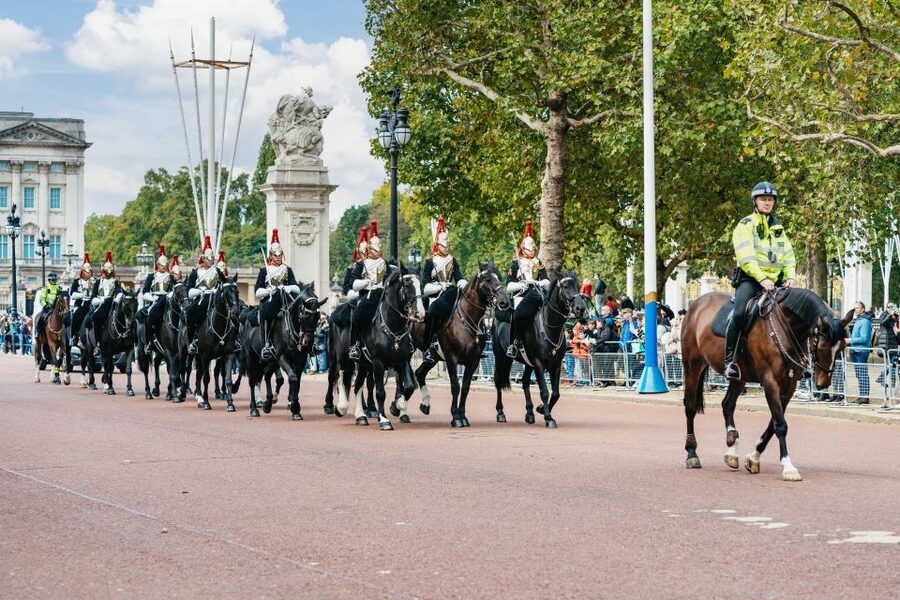
Once you start following the guards, the uniform details become the whole game. Your guide explains the symbolism behind the colors, buttons, and movements, so you start recognizing differences instead of seeing only one uniform blob.
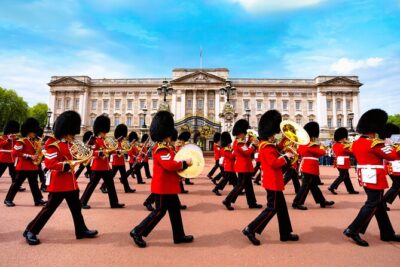
You will also get help sorting out terms that usually confuse newcomers, like learning your way around distinctions such as Welsh versus Grenadier, and what those labels mean in the broader setup. And yes, the tour takes you far enough into the action that you learn what those fuzzy bear-skin hats are doing in the pageant, not just what they look like.
What makes this valuable is that it changes your memory. Instead of one photo of guards, you come away with a mini guide in your head. That makes it easier to explain the whole thing later to friends, and it makes watching the ceremony feel satisfying in the moment.
The Mall stop: where the route starts to feel real
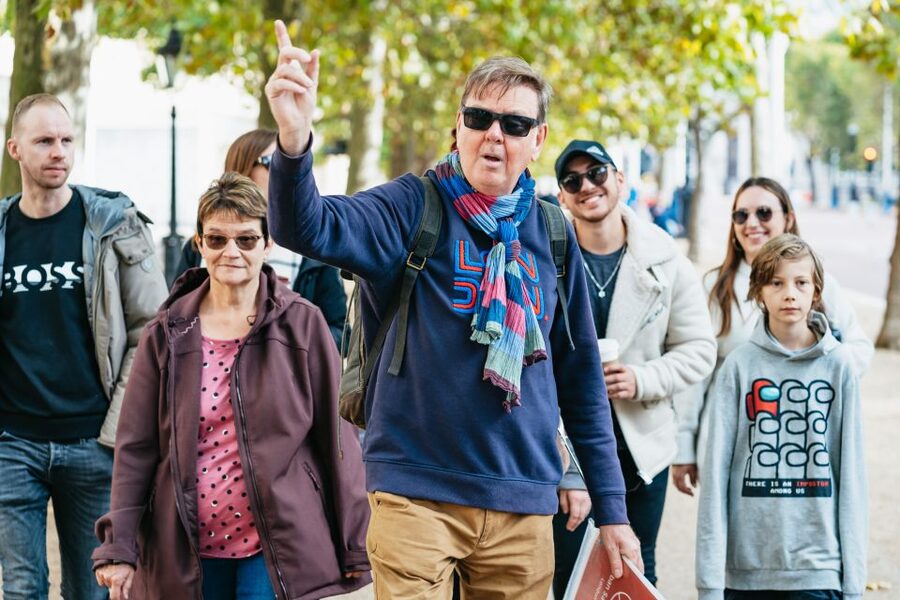
As you walk onward, you hit The Mall, one of the classic approach roads to Buckingham Palace. This is where the atmosphere starts to build, because you can feel you are moving through the same kind of ceremonial corridor that has hosted formal events for ages.
During the guided stop here, your guide gives context that helps you understand why this stretch matters. You are not just taking in architecture. You are learning how the ceremony fits into the Royal and military staging around central London.
Drawback to note, but not a dealbreaker: if you expect a full palace-forecourt spectacle from one spot, this part will remind you that you are working along a route. The payoff is you see multiple steps of the action.




George VI and Queen Elizabeth Memorial: a quick history lesson you can stand on
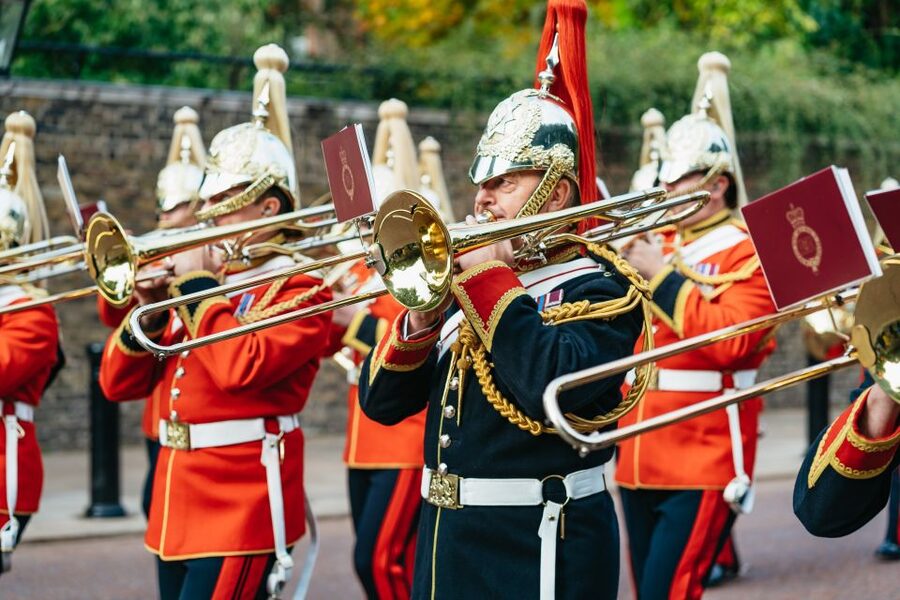
Next, you pass the George VI & Queen Elizabeth Memorial area, where your guide provides a short burst of explanation. This stop is useful because it anchors what you are seeing in the monarchy’s timeline, rather than treating the ceremony like a standalone show.
I like these quick context stops because they prevent the tour from becoming only logistics and photos. You get to pair what your eyes are doing with what your brain is learning, then you move.
If you tend to get restless in long museum lectures, the short timing here is a plus. It keeps momentum without skipping the meaning.
St James’s Palace and the best quick photo window
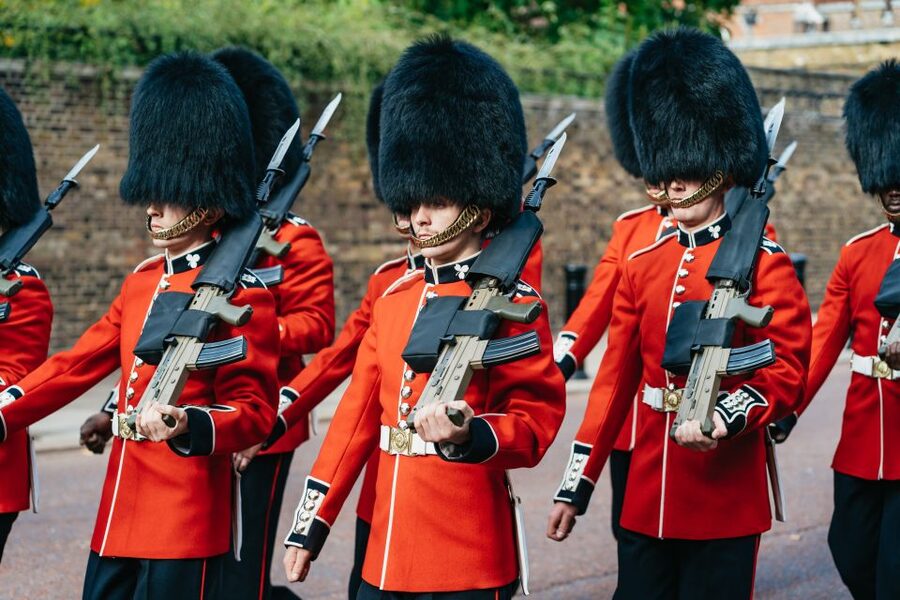
At St James’s Palace, you get both sightseeing time and a photo break. This is one of those places where the setting does a lot of the work for your pictures, because it frames the ceremony with a very royal backdrop.
The practical side: your guide times the group so you are positioned for the passing moments you actually care about. People often assume they will just find a good spot on their own. In reality, you will see more when someone who deals with crowds every day walks you to the right line of sight.
From here, the tour continues with a steady flow, so you do not end up sprinting between landmarks at the worst possible time.
Clarence House and St James’s Park: two extra vantage points
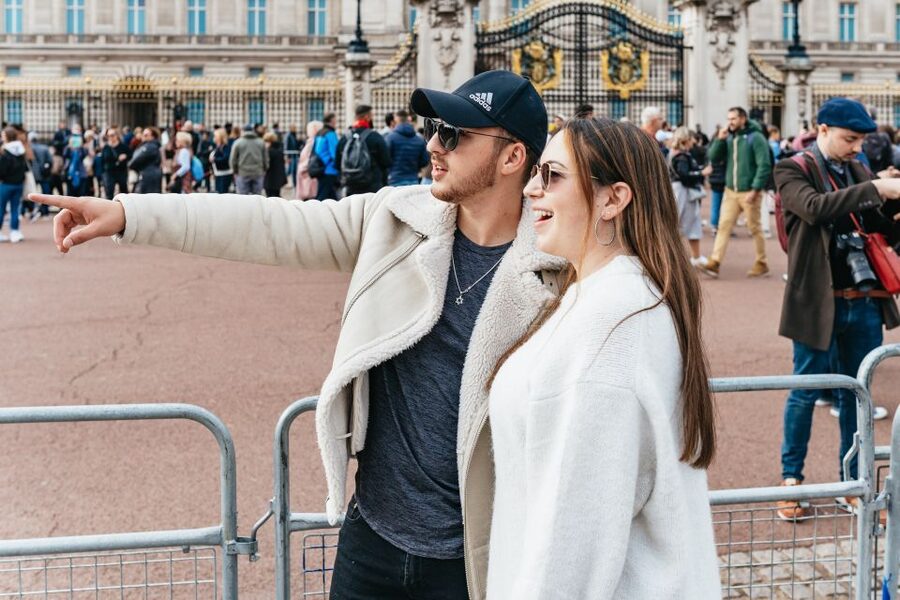
You also stop near Clarence House for photos and sightseeing time. This adds variety. Instead of only watching the ceremony as a single straight line, you catch different sightlines as the guards progress.
Then you get to St James’s Park, with another short photo stop and guided context. St James’s Park gives you a classic London contrast, greenery against the ceremonial military look. It is a nice reset, and it keeps the tour from feeling like you are just walking along concrete the whole time.
If you are traveling with kids, this is usually a sweet spot. They can still get the action, but they also get breaks that feel like part of a London walk, not only a regimented event.
Final approach to Buckingham Palace, without the forecourt wait
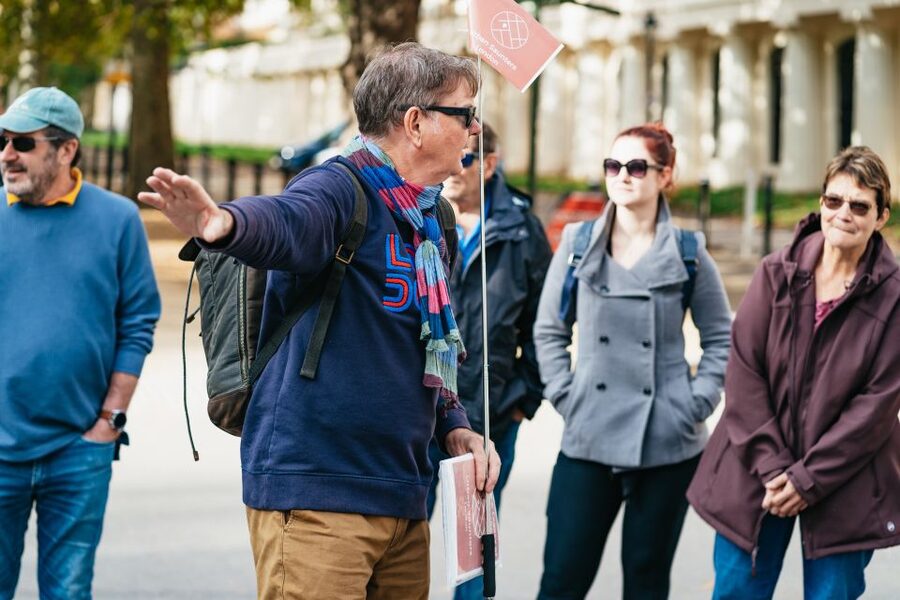
You finish at Buckingham Palace. This is the big visual finish, and the timing is designed so you can see the guards’ movement as you reach the area.
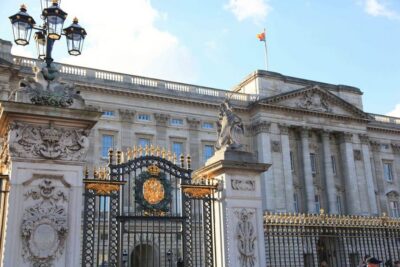
Here is the honest expectation-setting: you will not stand at the forecourt of Buckingham Palace. Crowds make it hard to see much from there, and this tour is built around smarter viewing rather than fighting for a tiny slice of space at the gate.
So yes, you end at Buckingham Palace. No, you are not guaranteed the dramatic view people imagine when they picture a perfect palace-steps moment. What you get instead is a more complete understanding of the ceremony, plus multiple positions where the guards are clearly visible while they move.
If the ceremony is fully canceled, you still might catch the guards marching without the music. That means the tour still has value even when the day does not cooperate.
Weather, delays, and the Army’s call
This tour runs rain or shine, so bring a small umbrella and plan for real London weather. The good part is you are not forced to waste your time indoors when the schedule shifts. You stay outside, watching what can happen that day.
One more detail matters: the British Army can change or cancel the ceremony, and announcements are not made until after 10:30 AM. If that happens, your guide still works with the updated situation and aims to keep you in a place where you can see the best available version of the procession.
That flexibility is a big deal. It turns what could be a disappointment into a watchable outcome, even if the music and full sequence are not running.
The value question: why $15 works here
At around $15 per person, this tour is priced like a bargain compared with many London guided experiences. The real value is not just the guide. It is the way the guide helps you avoid common failure points.
If you try this on your own, you often end up doing one of these things: standing too far away, picking a spot that becomes blocked by the crowd, or watching the ceremony without knowing what the uniforms and movements mean. This tour attacks all three issues by giving you a route, a guide story, and multiple chances to see the ceremony clearly.
And because it is 2 hours, it fits easily into a day that already includes the usual London highlights. You are not signing up for a half-day commitment just to watch one ritual.
Who should book this (and who should skip it)
This experience is a great fit if you want a uniquely British tradition without turning it into a confusing slog. It is also a strong option for families, especially when the guide uses humor and simple explanations that keep kids interested. You can see that pattern in the way guides like Nathan and Babs are described, with kids finding the stories fun rather than dry.
One caution: this tour is not suitable for people with back problems, mobility impairments, heart problems, or respiratory issues. There is walking involved and you will be in crowded areas. If any of those are a concern, it is worth looking for a different, more accessible way to experience the ceremony.
Sunday change and the April 2025 trial
Starting in April 2025, Sundays will include a slightly different version of the usual ceremony. It is being called a “Parade” instead of a “Change,” even though it uses the same number of guard movements and similar locations.
Your guide should be able to explain what you are seeing if the format differs that day. This is one of those cases where having a real person translating the day’s version is better than assuming everything will match the classic script.
Should you book this Changing of the Guard Tour?
Book it if you want more than a few distant photos. You will get meaningful explanations, smart viewing positions, and a guided walk that makes the ceremony easier to follow and more fun to watch.
Skip it if you are set on standing in the Buckingham Palace forecourt and only want that one exact viewpoint. This tour is built for clearer visibility along the route, not for a crowded fence-line gamble.
If you are flexible about weather and understand that the Army can change the plan after 10:30 AM, you are exactly the kind of traveler this tour serves well.
FAQ
How long is the London Changing of the Guard tour?
The tour lasts about 2 hours.
Where do I meet the guide?
Meet at the equestrian statue of Edward VII at Waterloo Place. Look for a sign saying Urban Saunters.
Is hotel pickup included?
No, hotel pickup and drop-off are not included.
What should I bring for the tour?
Bring comfortable shoes, an umbrella, water, and comfortable clothes.
Does the tour run in bad weather?
Yes. It takes place rain or shine.
Will I stand at the forecourt of Buckingham Palace?
No. Due to crowds, you would see very little from the forecourt, so the tour does not include that spot.
Is the ceremony guaranteed to run?
The British Army can change or cancel the ceremony, and announcements will not be made until after 10:30 AM. If the full ceremony is canceled, there may still be a chance to see the guards marching without music.
Is the tour private?
You can choose a private tour option or a small group option, depending on what you book.
Is the tour suitable for people with mobility or health concerns?
It is not suitable for people with back problems, mobility impairments, heart problems, or respiratory issues.
How do I get there by tube?
Take the tube to Piccadilly Circus, exit No. 3 onto Regent Street, and walk south toward St James’s Park. Waterloo Place is at the end of Regent Street.
More Tours in London



More Tour Reviews in London
Not for you? Here's more nearby things to do in London we have reviewed








More Buckingham Palace Tours worth a look.
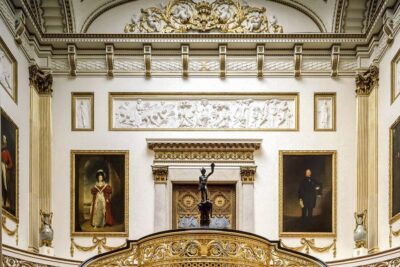 ★ 4.6Buckingham Palace: The State Rooms Entrance TicketTickets from $447,395 guest reviews
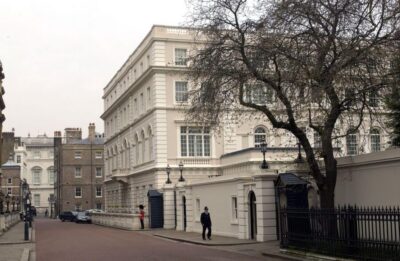 ★ 4.3Buckingham Palace & Changing of the Guard ExperienceTickets from $262,971 guest reviews
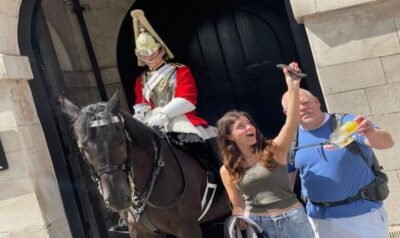 ★ 4.5Westminster and Changing of the Guard TourTickets from $242,171 guest reviews
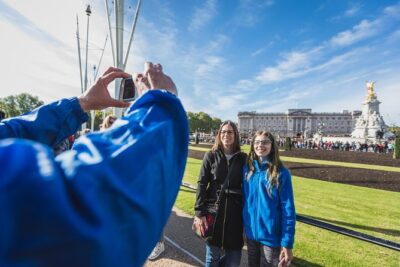 ★ 5.0Changing of the Guard Guided Walking Tour in LondonTickets from $251,793 guest reviews
 ★ 4.3Buckingham Palace: The Royal Mews Entrance TicketTickets from $221,759 guest reviews
 ★ 4.0Buckingham Palace Entrance Ticket & Changing of the Guard TourTickets from $981,720 guest reviews
 ★ 4.2Changing of the Guard Tour by Buckingham PalaceTickets from $181,655 guest reviews
 ★ 4.5Buckingham Palace Entry Ticket & Royal Walking TourTickets from $931,010 guest reviews
Continue by place or experience