
REVIEW · LONDON CITY TOURS
London: Brutalist Architecture & History Walking Tour
Concrete makes London talk.
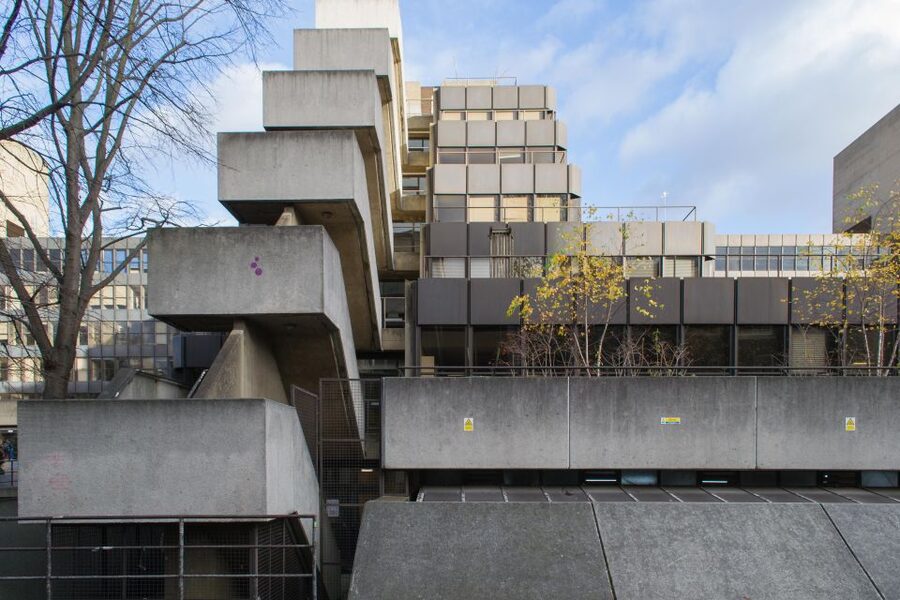
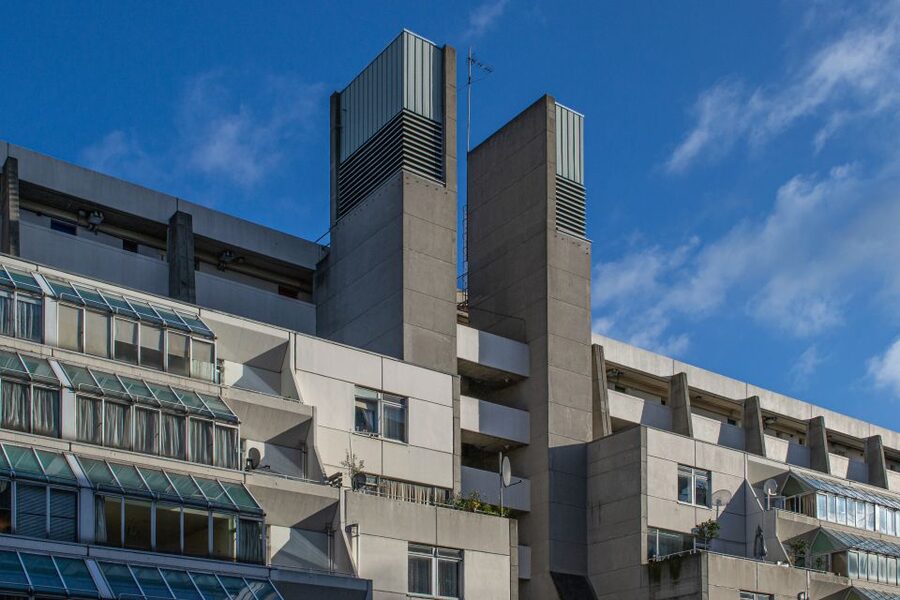
This London Brutalist architecture walking tour turns Central London into a living lesson on concrete and why those 60s and 70s “urban fortresses” still spark debate. You will look at major landmarks in the city core, then connect them to the social and global events that shaped post-war building plans.
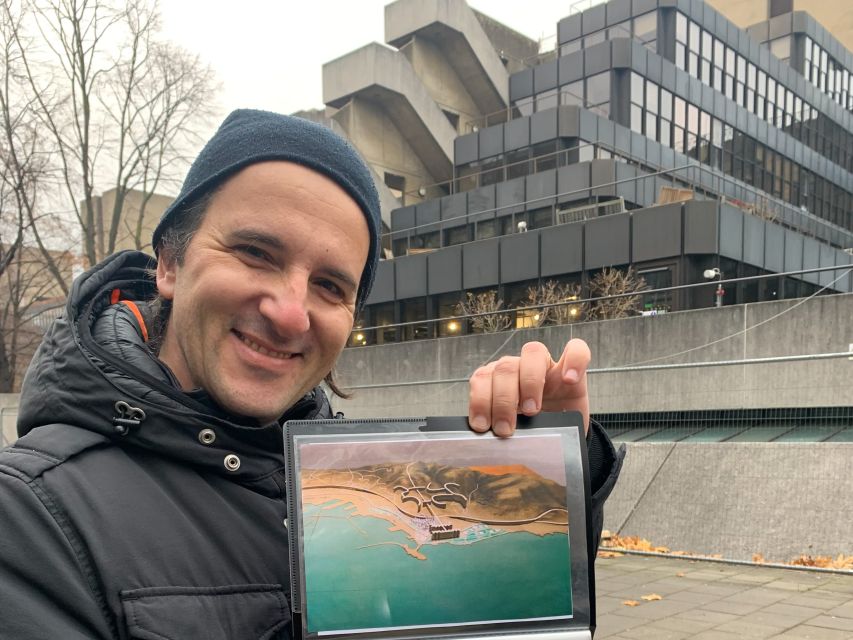
I like two things most. First, the guide’s story links buildings such as the National Theatre and the Institute of Education to the bigger forces behind them, not just the style. Second, the tour runs with a small group of up to 6, and in many of the top reviews the guide is named Evan, praised for enthusiasm and personality.
One key consideration is that you are mainly on the outside, because building interiors are not visited. Also, it is not suitable for children under 16 or for people with mobility impairments, and there is a short Tube ride you need to plan for.
Key things to notice on this Brutalist architecture walk
- Evan-led energy: multiple reviews highlight his enthusiasm and the way he connects architecture to real-world forces
- Concrete as the main character: you get a clear explanation of why raw materials and bold structure became the point
- Landmarks you can actually photograph: the National Theatre is a standout exterior photo stop
- Post-war context, not just style spotting: you hear how global events influenced London’s modern building choices
- Outside-only experience: you will see the buildings up close from the street, not tour inside
- Tube used once: a short Zone 1 journey helps stitch neighborhoods together efficiently
Price and what you actually get for $47
At $47 per person for a 2.5 hour guided walk, this sits in the “fair value” zone for London. You are paying for two things that are hard to DIY: first, someone who can translate Brutalism from a visual reaction into a real story; second, a tight route that hits major examples without turning your day into logistics chaos.
The one cost wrinkle is that Tube fares are not included, even though the tour uses the Tube once for a short trip. So you should budget for that extra leg if you do not already have a Zone 1 travel plan. For most people, that is still a decent trade since you get a live guide, a small group, and plenty of exterior time for photos.
You can also read our reviews of more walking tours in London



Starting at Russell Square, and why that matters for your walk
The tour meets outside Russell Square Underground Station on the Piccadilly Line. I like this kind of meeting point because it is easy to reach and you get a natural “city center reset” before the architecture talk begins. Russell Square is also a good anchor for thinking about what London looks like when it is trying to balance older streets with newer, louder building ideas.
From there, you will move through Central London neighborhoods with your guide. The walk is not presented as a casual stroll. It is structured as a visual and historical reading of Brutalist design, with stops designed to make the material choices and massing make sense.
A practical note: since the walk is outdoors and weather can affect it, wear shoes you can move in. Brutalist architecture rewards close viewing, but you do not want sore feet after the first hour.
Brutalism 101 on the pavement, with concrete and design choices
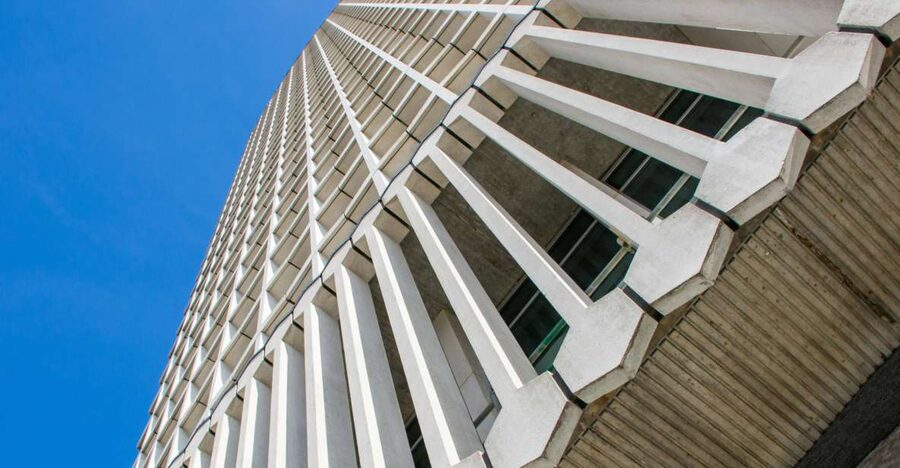
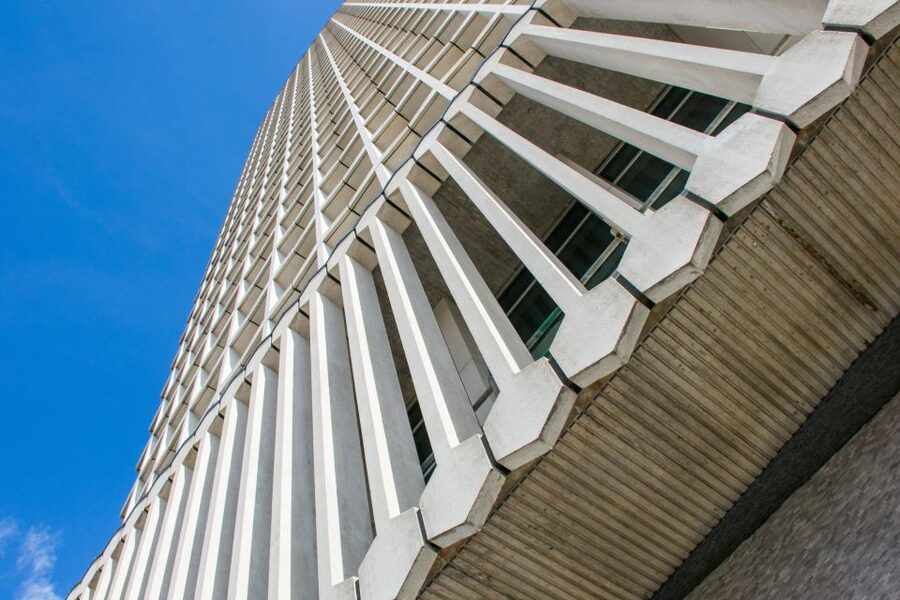
Brutalism is often sold as “love it or hate it.” This tour does not try to force you into one camp. What it does well is explain how the style works, especially the emphasis on raw materials like concrete and the way structure becomes visible on the outside.
You will learn how concrete went from an engineering tool into an architectural identity in modern times. That is a big deal, because once you see concrete as both technology and messaging, those heavy-looking blocks start to read differently. Instead of only thinking “ugly” or “cool,” you begin asking what the building was trying to solve, and what it was trying to communicate.
The guide also connects Brutalism to Modernist monumental architecture and its cultural, social, and environmental impact. Even if you are not an architecture nerd, that framing helps. It turns a style debate into a human story: who needed space after the war, how public money shaped design, and what communities thought about the results.
Stop highlights: National Theatre exterior and what to look for
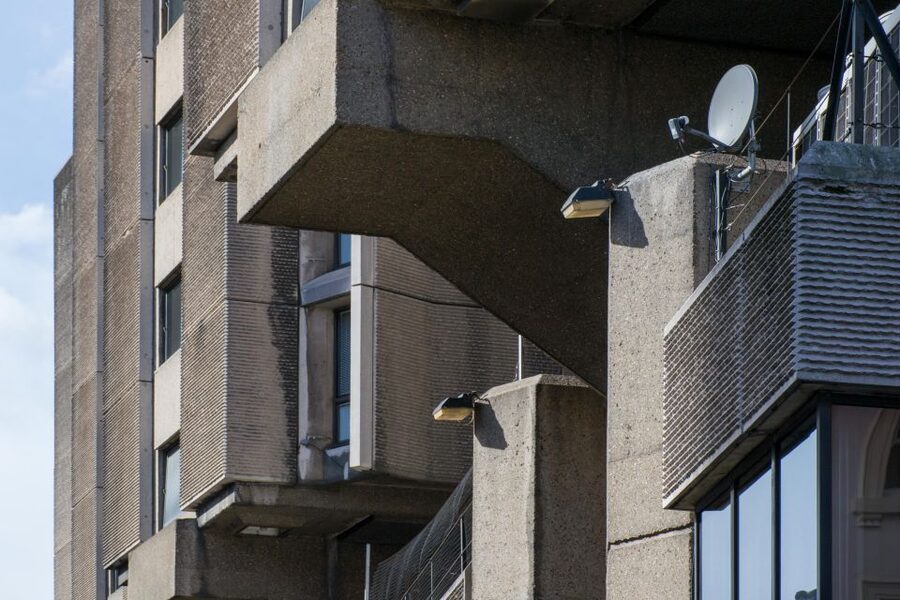
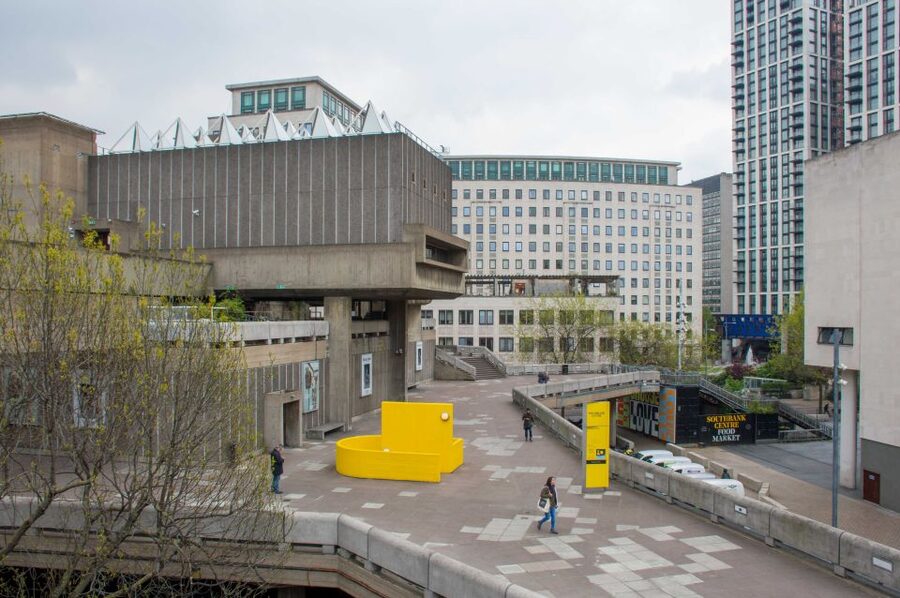
One of the most memorable landmarks on the route is the National Theatre. If you like photography, this is the kind of building that gives you dramatic angles. The exterior is built for presence, and you will have time to pause, look, and take photos without feeling rushed.
What I would watch for is the contrast between the building’s mass and the street life around it. Brutalist designs often feel like they arrived with their own rules. The National Theatre is a good place to see those rules in action, because it reads as sculpture from many angles, not just as a functional venue.
Your guide should also frame it within post-war context. In other words, you are not just looking at a style. You are seeing how modern architecture expressed cultural ambition, and how big institutions sought new forms in a changing London.
If you are the type who takes pictures at street level, do that first. Then step back and grab one higher angle too. Brutalism tends to reward both close texture viewing and wider composition.
Institute of Education: Brutalism as an educational statement
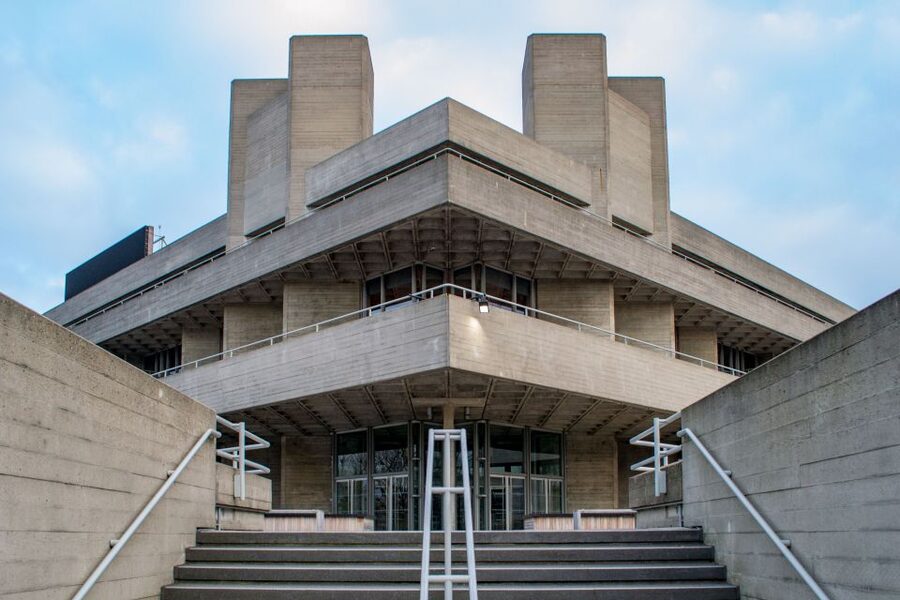
Another key stop is the Institute of Education. This is a great choice for the tour because Brutalism did not only show up in high-profile cultural buildings. It also appeared in educational and civic contexts, and that changes the tone.
When you see a Brutalist exterior attached to learning and institutions, the architecture reads less like an aesthetic experiment and more like a statement about order, permanence, and public purpose. The tour’s broader theme helps here: you should hear how social and political pressures after major events shaped the city’s modern building decisions.
This is also where many people’s reactions shift. If you walked in thinking Brutalism is all blunt shapes, you start noticing details that feel intentional: the rhythm of surfaces, the way structural logic shows on the outside, and the sense of the building being designed as a public object.
You can also read our reviews of more historical tours in London




The Tube leg in Zone 1, and how to plan your time
The tour uses the Tube once for a short journey. That means your schedule stays efficient, but it also means you need to plan your transit.
The guide advice is simple: make sure you have enough credit for one trip within Zone 1. If you are using a card or contactless, just confirm it covers that one Tube hop. It is the kind of small detail that can stop a tour dead if you forget.
Because the walk includes both walking and one transit segment, I recommend keeping your phone charged and your walking pace flexible. You are not just going from photo stop to photo stop. You are also moving through Central London neighborhoods while the story builds.
Learning the global connections behind London’s post-war choices
A strong part of this tour is how it connects local architecture to global events. London did not design in a vacuum. Post-war planning was influenced by pressures and ideas arriving from elsewhere, and those influences shaped what architects, planners, and decision makers considered possible.
You should expect discussion of the key characters in European Modernism too. That helps you place Brutalism in a bigger family tree rather than treating it as a standalone British quirk.
I also like that the tour includes the cultural, social, and environmental impact angle. Brutalism is often discussed as style, but your guide should bring it back to the real question: what happens when a city builds for needs and ideologies of one era, then tries to live with those buildings in later decades?
That is why the tour’s final stretch often lands on preservation and future use debates.
Preservation debates: why these buildings still cause arguments
The tour points out the ongoing struggle among local authorities, preservation societies, and residents about how to use these distinctive buildings in the future. That matters, because it is not just architectural theory. It is civic reality.
You get a sense that Brutalism sits in a tension zone: some people protect it as part of architectural history, while others feel it did not age well or does not work for today’s needs. Even if you personally love it, you still have to deal with practical questions like maintenance, access, and redesign.
This is also where the outside-only nature of the tour can work in your favor. Seeing the buildings in their urban context makes the preservation debate feel real. You can stand there and ask what a building like the National Theatre or Institute of Education does for the streets around it.
And if you love the story side, this part is a good payoff because it turns the tour from “here are concrete buildings” into “here is why the city keeps arguing about them.”
What the guide quality feels like in practice (Evan stands out)
In multiple highly rated experiences, the guide name Evan shows up, and the pattern is consistent: enthusiastic delivery, strong architecture and history connection, and a friendly tone that makes the walk feel like a conversation rather than a lecture.
One detail I would pay attention to is adaptability. Some reviews describe him tailoring the content to the pace and interests of the group, including conversations spanning different levels of familiarity. If you show up curious but not technical, you should still get something useful. If you show up with real questions, you should get answers.
That said, I would treat specific trivia claims as a starting point, not gospel. One critique noted misconceptions in a couple of historical points, like window-related explanations and a political characterization of Isaac Hayward. That does not ruin the value of the tour, but it is a reminder: history is messy, and if a detail matters to you, you may want to check it later.
Photo strategy for Brutalist exteriors, so you leave with more than memories
Brutalism is photogenic in a very specific way. It likes lines, shadows, and contrasts. If you want more than a couple of quick snaps, do this:
- Pause at street level for texture and material shots. Concrete looks different when the light hits it at an angle.
- Step back for massing. Brutalist buildings often read best as whole forms.
- Watch for the “street meets structure” moment. The setting helps you understand what makes the building feel like an object, not just a backdrop.
The tour’s emphasis on major exterior landmarks helps. You should be able to snap striking photos of places like the National Theatre, and you will likely get enough time to frame both close-up and wider views without sprinting.
Who should book this Brutalist Architecture & History tour
I think this tour is best for you if you:
- like modern architecture and want the “why,” not just the “what”
- enjoy city walking tours where the guide connects buildings to politics and culture
- want a small-group experience, capped at 6 participants
- are comfortable with exterior viewing only, since interiors are not visited
It is a weaker fit if you:
- need step-free access, since it is not suitable for people with mobility impairments
- are bringing kids under 16, because it is not suitable for that age group
- want museum-style inside access or guided interior rooms
If you are on the fence because Brutalism feels polarizing, that is actually a good reason to try it. You will get context that helps you decide whether you like it for design reasons, historical reasons, or both.
Should you book? My practical take
Book this tour if you want a focused, guided way to see London’s Brutalist landmarks and understand the post-war forces behind them. At $47 for 2.5 hours with a live English guide and a small group, it is good value, especially if you care about architecture more than just ticking off sights.
Skip it if you cannot do a short walk or need step-free access, or if you are expecting interior visits. Also, plan for the one Tube ride within Zone 1, since Tube fares are not included.
If you go in open-minded, you will come out with a clearer read on why those concrete “urban fortresses” still matter, and why London has never fully agreed on what to do with them.
FAQ
Where is the meeting point for the tour?
The tour meets outside Russell Square Underground Station on the Piccadilly Line.
How long is the London Brutalist Architecture & History walking tour?
The tour lasts 2.5 hours.
What is the price and what is included?
The price is $47 per person. Included are the walking tour and a live guide.
Do I need to pay for public transportation during the tour?
Yes. Public transportation costs are not included, but the tour does use the Tube once for a short journey.
Is the tour suitable for everyone, including kids and mobility needs?
It is not suitable for children under 16, and it is not suitable for people with mobility impairments.
Are building interiors included?
No. The interiors of buildings are not visited.
What should I bring on the day?
Bring a public transport ticket. The tour also advises you to have enough credit for one Tube trip within Zone 1.
More Walking Tours in London

More Tours in London




More Tour Reviews in London


Not for you? Here's more nearby things to do in London we have reviewed







More London City Tours worth a look.
 ★ 4.6The London Eye Entry TicketTickets from $3935,875 guest reviews
 ★ 4.7From London: Harry Potter Warner Bros Studio TourTickets from $11726,588 guest reviews
Westminster to Greenwich River Thames CruiseTickets from $2222,836 guest reviews
Magical London: Harry Potter Guided Walking TourTickets from $2022,044 guest reviews
★ 4.7From London: Harry Potter Warner Bros Studio TourTickets from $11726,588 guest reviews
Westminster to Greenwich River Thames CruiseTickets from $2222,836 guest reviews
Magical London: Harry Potter Guided Walking TourTickets from $2022,044 guest reviews
 ★ 4.6Madame Tussauds LondonTickets from $3620,915 guest reviews
 ★ 4.5Stonehenge, Windsor Castle, and Bath from LondonTickets from $11118,662 guest reviews
 ★ 4.7Warner Bros. Studio Tour with TransfersTickets from $14417,586 guest reviews
 ★ 4.7Tower Bridge Entry TicketTickets from $2115,560 guest reviews
Continue by place or experience