

REVIEW · LONDON CITY TOURS
London: Apsley House Entry Ticket
Hyde Park Corner hides a royal surprise. Apsley House, the London home of the first Duke of Wellington, is one of the city’s most worthwhile interiors, packed with fine art and military bragging rights in a way that actually feels human. It is often called Number 1 London, and this ticket gets you inside the glittering rooms at the very heart of the capital.
I like the sheer range, from big-name painters such as Velazquez and Rubens to sculptures and decorative arts you can really study at a calm pace. I also love how the house shows Wellington as a real person, with details for his life and descendants, plus a comfortable Inner Hall seating area with leather-bound albums of images. One practical catch: there is no tearoom nearby, so plan your coffee break before or after.
Key things to know before you go
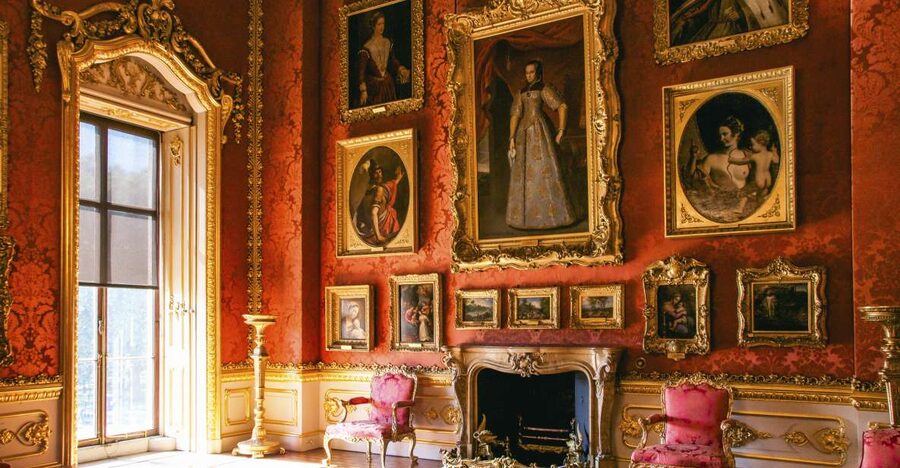
- Number 1 London at Hyde Park Corner: an aristocratic townhouse that is still open to visitors today
- About 3,000 works: paintings, sculptures, and other artwork spread across the house
- Waterloo Gallery: the standout room for anyone who wants the Wellington story in big, visual form
- Rare basement gallery pieces: some works are shown down below, not in the main rooms
- Inner Hall albums: a built-in resting point where you can browse Wellington-themed image books
Apsley House at Hyde Park Corner, why this address matters
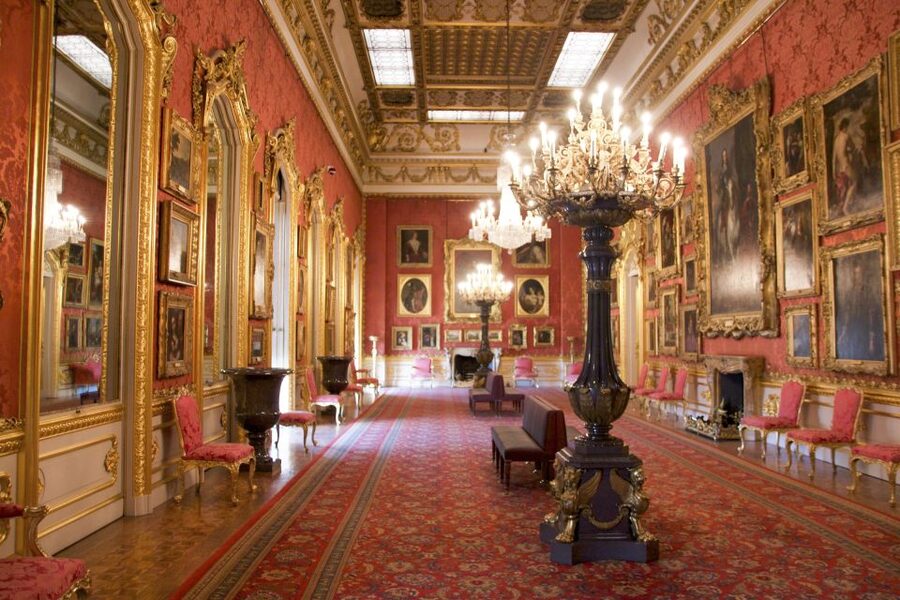
Apsley House sits in a prime spot at Hyde Park Corner, close enough to the center that you can fit it into a busy day without feeling like you are commuting forever. It also carries a nickname that makes sense the moment you start looking at the building. This is Number 1 London, a polite way of saying it was the place to be, and it still looks like it.
What makes the experience feel different from many museums is the mix of art and personal story in the same rooms. You are not just looking at paintings in a white gallery. You are walking through the former home of the first Duke of Wellington and seeing how the family displayed their taste and their status.
And yes, it is the kind of place that many people walk past while rushing to something else. With an entry ticket, you can slow down and let the house do its job.
More London tours and experiences for the shortlist



Entering the rooms, getting your bearings fast
Your visit starts like a classic stately home experience: you move from one room to the next and begin to notice patterns in the decorating. The scale can feel a bit overwhelming at first, especially with the house’s large art collection, but the layout helps you pace yourself.
A smart touch here is the Inner Hall seating area, created so you can take a break without leaving the visit. You can also browse leather-bound albums with images of Wellington, his descendants, and Apsley House itself. That little pause helps a lot, especially if you like context as much as visuals.
If you prefer structure, use the audio guides to follow the main features of each room. Even when you are walking at your own pace, having a guide track can keep you from wandering past your favorite rooms too quickly.
The art collection you did not expect to love this much
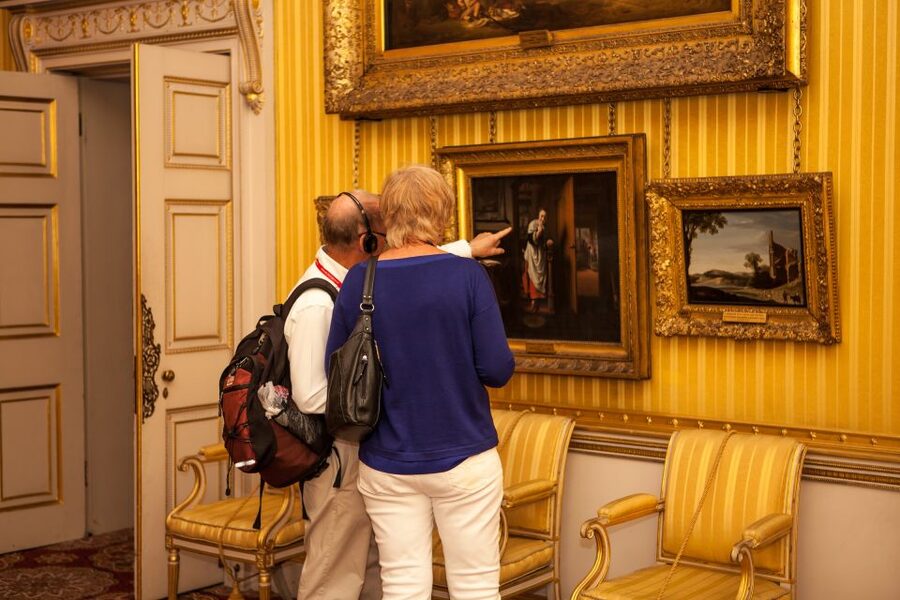
One reason I recommend Apsley House to art lovers is the name-brand painting lineup. You will see major works by Velazquez and Rubens, plus other paintings and sculptures that make the collection feel broad rather than narrow.
But the house is not only about famous creators. What you get is a sense of how the family lived with art and displayed it as part of their daily world. That is why the decorative side matters as much as the paintings. You may notice impressive examples of china and fine metalwork, including gold and silverware, which helps the rooms feel lived-in rather than staged.
If you are the type who likes to focus on a theme, try this approach: pick one room to enjoy slowly for the art, then treat the next room as a context stop. You will end up seeing more than if you sprint from painting to painting.
Waterloo Gallery, where the Wellington story turns visual
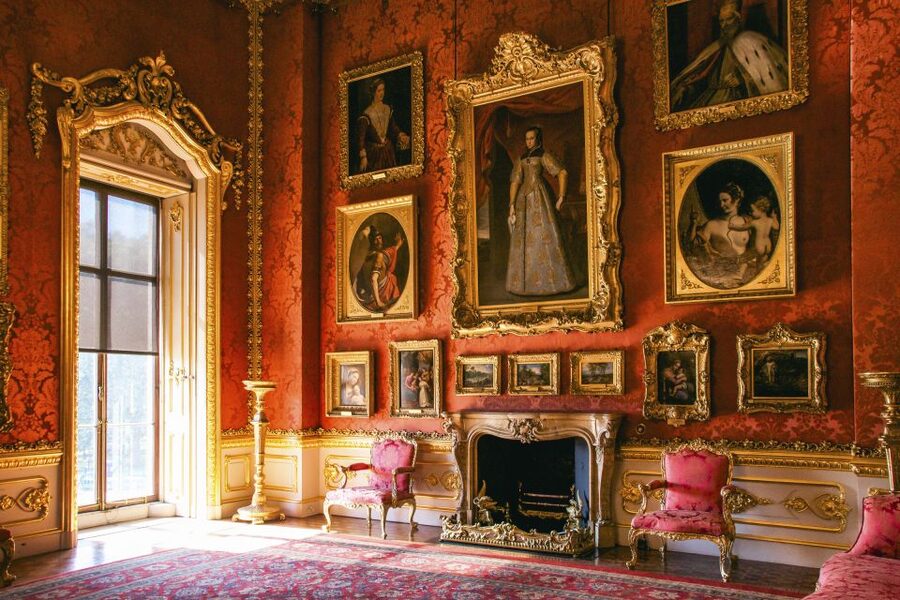
The Waterloo Gallery is the big draw, and it earns the attention. This is where the Wellington story becomes a room, not just a paragraph. It helps connect the first Duke’s professional life to the physical house around you.
Think of it as your moment to switch gears. Up to this point, you might be enjoying the beauty and craftsmanship. In the Waterloo Gallery, you are seeing how the family wanted visitors to understand Wellington, his role, and why he mattered.
Even if you only remember a few historical dates from school, the room format does the work for you. It is dramatic without requiring you to be an expert.
Wellington and his descendants, how the house tells a personal story
Apsley House works best when you stop treating it like a gallery and start treating it like a home. The rooms convey more than what was on the walls. They suggest how the family presented themselves and what they valued.
You also get that personal angle through details aimed at Wellington and his descendants. The leather-bound image albums in the Inner Hall are one of the more user-friendly ways to absorb that theme, especially if you want to rest your feet and keep learning.
If you like when a building feels like it is telling you a story rather than listing facts, you will probably enjoy the way the house connects portraits, collections, and the overall layout into a consistent message.




A basement gallery with works you might not expect
Not all the best parts are upstairs. The basement gallery includes rarely before seen pieces, which means you get at least one surprise layer to the visit.
Basement displays can sometimes feel like an afterthought in other places, but here it helps balance the visit. After you have taken in the grand rooms above, the basement works like a second act, adding variety without breaking the theme.
If you want to maximize value, do not rush past the basement because you think you already know the main collection. The point is that the house reveals more than the obvious highlights.
The lighting story that adds real personality
One detail I love in Apsley House is the way the lighting history becomes part of the experience. In a well-explained moment, the house’s lighting is tied to the practical reality of technology changing over time.
You may hear an explanation that makes you rethink a simple timeline like candle to oil lamp to electricity. The story is that paraffin candles were competitive with oil, and Apsley reverted to candles at one point. Later, the last shift to electricity arrived late, reportedly in the 1940s.
If you find the right staff member in the right room, the explanation can go from quick to surprisingly vivid. It turns the house from a pretty interior into a living record of decisions and tradeoffs.
Art specific moment, Canova’s Napoleon as Mars
One stand-out sculpture moment involves Canova’s Napoleon as Mars. The piece is striking even before you start reading the details, and it becomes even more interesting when you notice what is going on with the sculpture’s fig leaf.
In the house, you may see a note that the fig leaf seems to have been a later addition, and that it has needed replacement occasionally. It is the kind of small detail that makes the artwork feel less untouchable and more real, like it has had a long life of handling, display, and care.
It is also a reminder that these collections do not sit behind glass forever in a static way. They get maintained, repaired, and explained.
How long to plan and how to pace yourself
The ticket is valid for 1 day, and you choose from available starting times. That means it is not a timed rush in the way some attractions feel, but you should still arrive with enough slack to enjoy rooms without feeling pressured.
Apsley House is best as a focused visit rather than a five-minute stop. The collection is extensive, and there are enough rooms and details that a calm pace pays off. If you try to do it like a speed-walk, you will miss the bits that make it special, like the quieter viewing spots and the basement gallery.
A practical tip: build in at least one rest moment. That Inner Hall seating area is designed for it, and giving yourself permission to sit for a few minutes keeps your enjoyment higher for the second half of the route.
Value for money, what $17.51 buys you
At $17.51 per person, this is priced like a serious attraction, but it is still a reasonable cost for what you get. You are paying for entry to a full townhouse interior that stays open to visitors, plus a major art collection with famous painters, sculpture, and special basement displays.
What you are not paying for is a long, complicated tour structure. The experience is straightforward: you enter, follow the main features, and spend time where you want. That makes it good value for independent travelers who enjoy wandering with a plan.
Also, it is London. Real estate prices are extreme. Apsley House is not a small museum space. It is a grand Georgian townhouse, and you get to step inside the kind of setting many people only see from the street.
Who this ticket suits best
This is a great choice if you want:
- A strong mix of fine art and historic interiors
- The feeling of visiting a home, not just a display
- A less crowded, more personal pace than the biggest headline museums
It may be less ideal if you are only after the largest, fastest attractions and do not like looking closely at artworks and decorative detail.
Families can work through it at a calmer speed, but the experience is especially rewarding for adults who enjoy art, architecture, and storytelling inside period rooms.
Should you book this Apsley House entry ticket?
Yes, I think you should book if you want a London interior that feels worth the effort. Apsley House hits a sweet spot: major-name art, a clear highlight room in the Waterloo Gallery, and extra layers like the basement gallery and the practical lighting history.
Book it if you also like details you can absorb at your own pace, including a seating break in the Inner Hall and audio guidance to help you connect the dots. If you hate walking museum-style for a few hours, or if you need a tearoom built into the plan, you might want to prepare with a nearby snack stop.
Either way, this is one of those tickets that makes your day in London feel more lived-in, not just photographed.
FAQ
What is included in the London Apsley House ticket?
The ticket includes entry to Apsley House.
How long is the ticket valid?
The ticket is valid for 1 day.
Do I need to pick a starting time?
Yes, starting times are available, and you should check availability to see what times you can choose.
Is free cancellation available?
Yes, you can cancel up to 24 hours in advance for a full refund.
Is there a reserve and pay later option?
Yes, you can reserve your spot and pay nothing today.
What language is the host or greeter in?
The host or greeter is listed as English.
Are audio guides available during the visit?
Audio guides are available to help you follow the main features of each room in the mansion.
More Tickets in London



More Tour Reviews in London
Not for you? Here's more nearby things to do in London we have reviewed










More London City Tours worth a look.
 ★ 4.6The London Eye Entry TicketTickets from $3935,875 guest reviews
 ★ 4.7From London: Harry Potter Warner Bros Studio TourTickets from $11726,588 guest reviews
Westminster to Greenwich River Thames CruiseTickets from $2222,836 guest reviews
Magical London: Harry Potter Guided Walking TourTickets from $2022,044 guest reviews
★ 4.7From London: Harry Potter Warner Bros Studio TourTickets from $11726,588 guest reviews
Westminster to Greenwich River Thames CruiseTickets from $2222,836 guest reviews
Magical London: Harry Potter Guided Walking TourTickets from $2022,044 guest reviews
 ★ 4.6Madame Tussauds LondonTickets from $3620,915 guest reviews
 ★ 4.5Stonehenge, Windsor Castle, and Bath from LondonTickets from $11118,662 guest reviews
 ★ 4.7Warner Bros. Studio Tour with TransfersTickets from $14417,586 guest reviews
 ★ 4.7Tower Bridge Entry TicketTickets from $2115,560 guest reviews