
REVIEW · LONDON CITY TOURS
Churchill’s Wartime London Walking Tour
Churchill’s London kept moving, even in wartime. This walking tour maps that pressure in Westminster, with expert storytelling tied to Churchill and Franklin D. Roosevelt, plus photo-ready landmarks like Big Ben and Downing Street. I especially like that you’re given live audio headset commentary, so you can focus on the street scenes instead of straining to hear. One possible drawback: it is still a real walking route, and the length is described as 80 minutes (also referred to as about 90 minutes), so plan for steady steps.
You start at the Boadicea and Her Daughters statue on Victoria Embankment, then you move through the political core of London, including Parliament Square and Whitehall. I like that the walk also points out visible reminders of the Blitz, including the remains of a church destroyed during WWII and wartime-related sights in the area. If you need extra flexibility due to illness, note that a strict refund window can be an issue, based on at least one booking experience.
Key highlights you should care about
- Big Ben, Parliament Square, and Downing Street on foot, in one tight loop
- Live guide commentary through personal audio headsets to keep you oriented
- Churchill and Roosevelt wartime context, tied to speeches and decisions in the House of Commons
- Whitehall statues and Allied monuments you can see without searching on your own
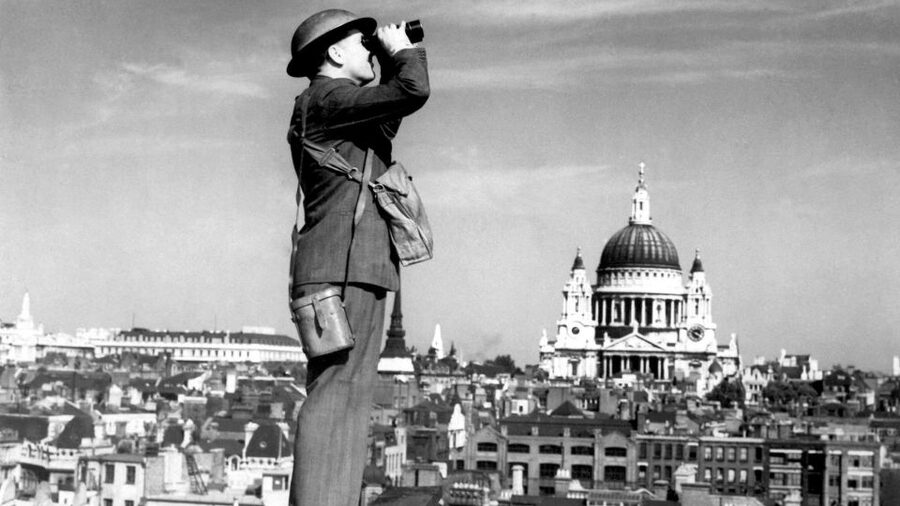
- Visible WWII bomb damage, plus a Blitz church ruin you pass as proof, not just theory
Walking into Westminster’s WWII nerve center
The tour is built around one simple idea: Westminster was not just paperwork during WWII. It was where decisions were argued, leaders were aligned, and the war’s impact showed up in the streets around you. You walk right into that mix.
You meet near Victoria Embankment by the Boadicea and Her Daughters statue. The nearest tube is Westminster (Exit 2), which makes it pretty easy to arrive on time without a lot of taxi drama. From there, the guide keeps the pace practical, while using the landmarks as reference points instead of making you memorize dates.
This is also one of those London experiences where the city helps you. You can actually see how close everything is, and you start to understand why leaders gathered where they did. When the route is short, you get more story per minute.
You can also read our reviews of more walking tours in London



From Victoria Embankment to Big Ben, what you’ll notice first
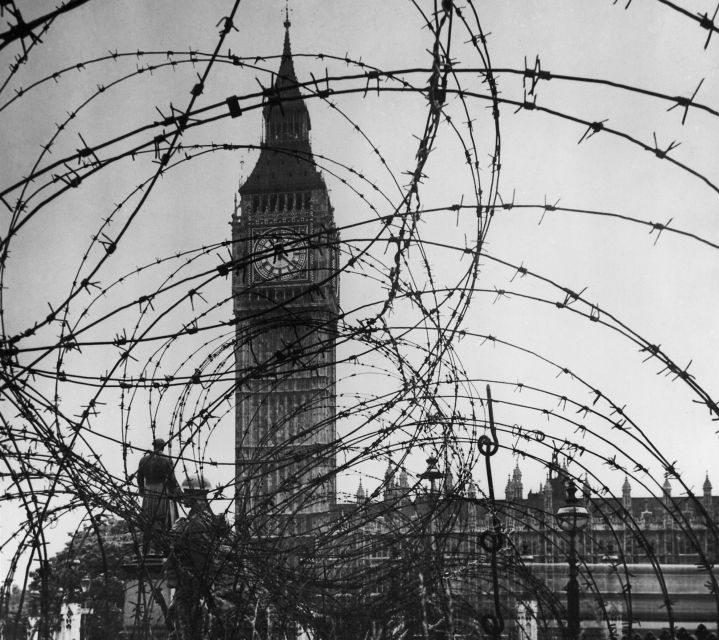
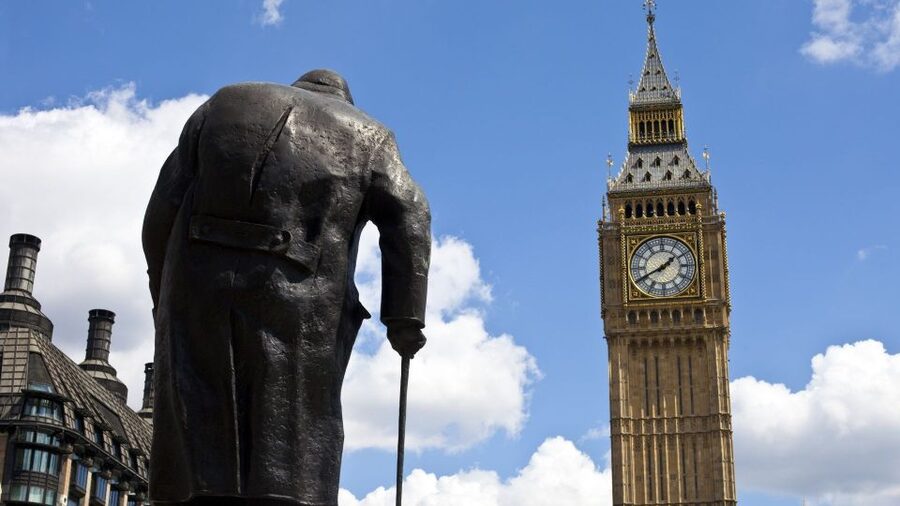
Big Ben is the first major visual anchor, but the tour uses it for more than a classic photo stop. Standing in the Westminster area, you feel how layered the city is, old stone next to modern government life, all within a walk you can finish before your feet revolt.
As you move from the starting point toward the Big Ben area, you’re essentially getting your orientation to central Westminster. That matters, because later stops like Parliament Square and Whitehall feel like they belong together, and they do. The guide’s live narration through the headset helps you follow the logic of the route without guessing which building is which.
Practical tip: if you want a clean shot of Big Ben and Parliament, aim for moments when the crowd shifts. The tour is guided, so you usually get small windows to step aside for photos.
Parliament Square and the Houses of Parliament: speeches made visible
Next comes Parliament Square, the kind of public space where you can feel the civic drama even if you skip museums. It’s also an excellent stage for wartime storytelling, because this is where politics turned into action for the country.
The tour frames Churchill’s WWII role by connecting him to decisions and speeches tied to the House of Commons. You’re not just hearing that Churchill mattered. You’re seeing the physical setting where those debates and choices had to land, and why timing and messaging mattered during the darkest years.
One thing I like about this approach is that it turns famous sites into navigation tools. You start to picture what was happening beyond the street level, because you have an actual sense of place. That’s how you remember facts later.
Downing Street and the Churchill Roosevelt connection
You’ll walk past 10 Downing Street during the route, and the guide’s theme shifts toward the relationship between Churchill and Franklin D. Roosevelt. That bond is central to how WWII leadership worked across the Atlantic, and the tour keeps it tied to visible, recognizable locations.
Downing Street is a symbol first, so it can feel a little abstract if you approach it like a postcard. Here, the narration is meant to give it weight by linking it back to wartime decisions and the broader coordination between leaders. You’re not learning in a vacuum.
Also, note the route is described as subject to change. That’s normal for London walking tours, and it can affect exactly where you pause for the best angles. If you care about the Downing Street viewpoint, stay flexible and let the guide choose the stop timing.
Whitehall statues and war memorials you can walk right up to
In Whitehall, the tour shifts from leader-focused storytelling to a wider map of Allied recognition and commemoration. You’ll see statues dedicated to Churchill, Eisenhower, Franklin D. Roosevelt, and Sir Arthur Harris. That lineup helps you connect names you may have seen in books with the physical streets where remembrance lives.
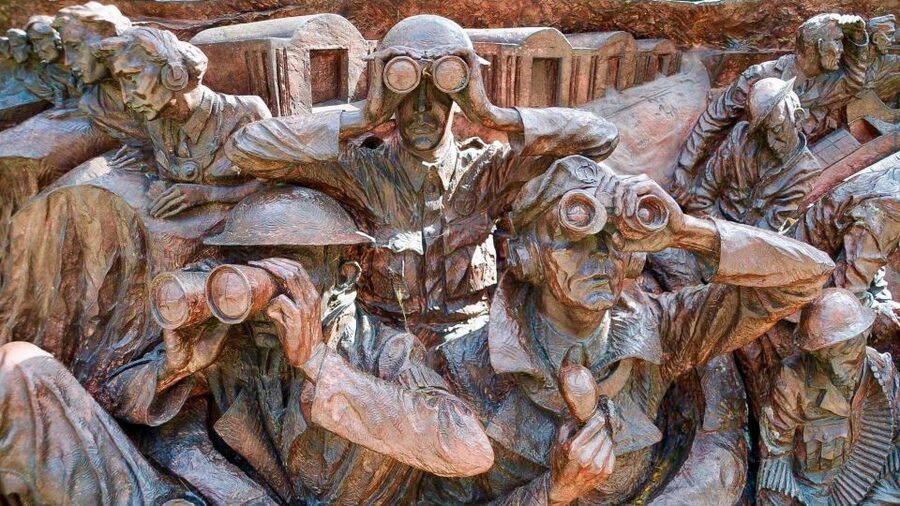
The walk also includes several monuments tied to WWII, including memorials for the Battle of Britain, recognition of Women of WWII, and the Cenotaph, which is Britain’s national war memorial. This is a powerful part of the tour because it changes the tone from strategy to sacrifice.
What I find useful here is the variety. You get multiple angles on the war effort, not only military leaders and big decisions. You see how Britain chooses to remember, and you can notice how the city’s monuments create a timeline you can follow on foot.




Blitz reminders: visible damage and a WWII church ruin
One of the most memorable parts is the focus on what’s still there. You’ll see visible signs of bomb damage from the war and visit the remains of a church destroyed during the Blitz. The guide treats these locations as real-world evidence, not just “history lessons” you passively listen to.
This is where the headset commentary really helps. If you’re standing near a ruin and you’re not sure what you’re looking at, your brain fills in blanks with guesswork. With the guide’s live explanation, the details stick, and the emotional weight lands in a more grounded way.
A note if you’re sensitive to war-related sites: this part of Westminster can feel intense, even though it’s a short walk. It is not graphic, but it is blunt about damage and loss.
Ending at Churchill War Rooms, and what happens next
The tour finishes at Churchill War Rooms. That ending matters because it gives you a clean next step: if you want the indoor bunker atmosphere, you can continue on with the museum entry on your own schedule.
Admission to the Churchill War Rooms is not included in the tour price. That means you control what you add next, instead of being forced into a fixed ticket window. If you do plan to visit, try to have some time buffer afterward so you don’t rush the exhibits.
Why this matters for value: the walking tour gives you the street-level context first. Then the War Rooms entry becomes more meaningful because you already understand the surrounding leadership world that made those wartime spaces necessary.
Price and value: what $40 gets you in central London
At $40 per person for about 80 minutes of guided walking, this is priced like a typical London specialty tour. What pushes value in your favor is that it includes a professional guide and personal audio headsets.
Those headsets may sound like a small thing until you’re in a crowd. They let you walk and listen at the same time, without constant back-and-forth to hear over street noise. In central London, that can be the difference between a good experience and a frustrating one.
What is not included is also important. Food and drinks are on you. Most crucially, War Rooms admission is not included, so the total cost depends on whether you add the museum afterward. If you’re the type who likes artifacts and rooms you can step into, budget for that extra ticket.
How much walking is this, really
This is where you should be honest with yourself. The tour is described as 80 minutes, but also referred to as a 90-minute walking tour, and it is not suitable for guests with reduced mobility. Even if you’re generally fine on your feet, this is not the kind of outing where you’ll barely move.
One booking experience highlighted that there was more walking than advertised, and that an easy-walking description was removed. That doesn’t mean every tour feels identical, but it does tell you to plan for steady strolling and a bit of leg work.
What to bring is straightforward:
- Comfortable shoes
- An umbrella (because London weather loves to surprise you)
If you’re not at your strongest on long walks, consider traveling with supportive footwear and building in a rest plan after. This tour is short, but it asks for consistent movement.
Who this tour is best for (and when it fits less well)
This tour fits best if you want WWII context tied to real places you already recognize. If you like political landmarks, Churchill-related storytelling, and a walk that mixes names with street scenes, you’ll likely enjoy it.
It’s also a good option for first-timers to Westminster. You get a focused route through the heart of the area rather than bouncing between far-flung attractions.
It may fit less well if:
- You strongly prefer low-walking sightseeing
- You need a super forgiving plan because cancellations due to illness might be complicated
- You want the Churchill War Rooms visit included in one ticket
For timing, aim to wear layers. A walking tour lives and dies by weather, and central London can shift quickly.
Should you book this Churchill’s Wartime London walking tour?
If you want a guided, story-forward walk through Westminster with headsets, a professional guide, and a route centered on Churchill and the WWII leadership context, this is a solid pick. I especially like that the walk balances famous landmarks with wartime details you can’t easily recreate on your own, including WWII bomb damage and a Blitz church ruin.
Before you book, be clear about the walking demands and plan shoes accordingly. And if you are juggling health uncertainty, read the fine print carefully and think through your risk tolerance.
If you’re ready for a focused, practical Westminster stroll with Churchill at the center, this tour gives you a memorable way to see the city’s WWII footprint on foot, not just in photos.
FAQ
Where do I meet the guide?
You meet at the Boadicea and Her Daughters statue on Victoria Embankment, London SW1A 2JH. The nearest tube station is Westminster, Exit 2.
How long is the Churchill’s Wartime London walking tour?
The tour duration is listed as 80 minutes. It is also described as about a 90-minute walking tour.
What’s included in the price?
The tour includes a Westminster walking tour, a professional tour guide, and personal audio headset commentary.
Is admission to the Churchill War Rooms included?
No. Admission to the Churchill War Rooms is not included in the tour price.
What should I bring for the tour?
Bring comfortable shoes and an umbrella.
Is the tour suitable for people with reduced mobility?
No. It is not suitable for guests with reduced mobility.
Is the tour offered in English?
Yes, the live tour guide provides commentary in English.
What is the cancellation policy?
Free cancellation is available up to 24 hours in advance for a full refund.
More Walking Tours in London


More Tours in London



More Tour Reviews in London
Not for you? Here's more nearby things to do in London we have reviewed










More London City Tours worth a look.
 ★ 4.6The London Eye Entry TicketTickets from $3935,875 guest reviews
 ★ 4.7From London: Harry Potter Warner Bros Studio TourTickets from $11726,588 guest reviews
Westminster to Greenwich River Thames CruiseTickets from $2222,836 guest reviews
Magical London: Harry Potter Guided Walking TourTickets from $2022,044 guest reviews
 ★ 4.6Madame Tussauds LondonTickets from $3620,915 guest reviews
 ★ 4.5Stonehenge, Windsor Castle, and Bath from LondonTickets from $11118,662 guest reviews
 ★ 4.7Warner Bros. Studio Tour with TransfersTickets from $14417,586 guest reviews
 ★ 4.7Tower Bridge Entry TicketTickets from $2115,560 guest reviews