
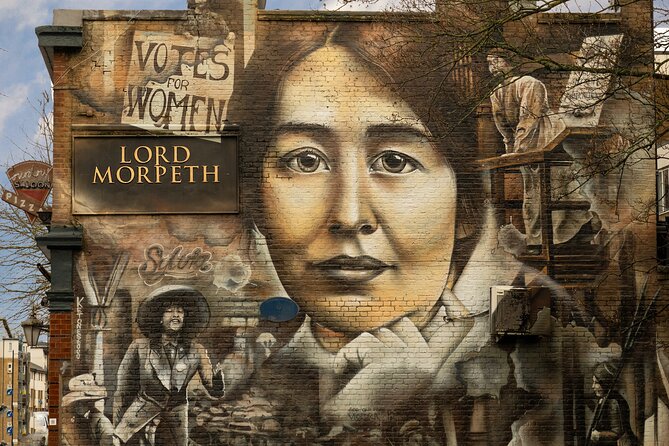
REVIEW · WALKING TOURS
Working Women of the East End Walking Tour
London has layers, and this walk reads them fast. This Working Women of the East End tour is a smart way to see the East End off the usual tourist path, with your guide tying street corners to the women who worked, agitated, and built community. I especially like the way the stories cover real life across class lines, and how the guide brings the area’s darker moments, including the Jack the Ripper era, into clear historical context.
Two more things I really liked: the small group size (up to 20) makes it easy to ask questions, and you get a mid-tour restroom stop that keeps the walk comfortable. One drawback to plan for: it is not a long, slow wander. Each main site stop is brief, so if you want tons of time lingering in one place, you may want to pair it with extra time on your own after the tour ends.
Key Highlights You Should Know Before You Go
- Women’s history focused on the East End, not the usual grand monuments
- Small group limit (20), which helps the guide keep the pace and answer questions
- Spitalfields Market and Brick Lane stops, both with free entry at the points you visit
- Jack the Ripper references handled as part of the broader social story, not just shock value
- Toilet break included, plus the chance for a coffee or tea stop in the middle
The East End Angle: Why This Walk Feels Different
Most London walks tell you where kings stood, what empires built, and which famous building got the postcard. This one flips the script. You’ll spend your time in the East End following places tied to women’s work, politics, and daily survival. That matters because it changes what you notice as you walk. Instead of reading the street as background scenery, you start reading it as evidence.
The best part is the balance. The tour doesn’t treat women’s stories like side notes. It treats them like drivers of real change. In the walk’s storytelling, you’ll hear about working life for women across different circumstances, including women connected to labor organizing and women whose work shaped the area’s social fabric.
And yes, the tour also points at the horrific events linked to Jack the Ripper. This is part of how the guide frames fear, rumor, and the way communities were impacted. If you’d rather avoid grim history altogether, you might find these sections uncomfortable. But if you want the full picture of how the city’s social tensions played out in that neighborhood, it’s a worthwhile inclusion.
You can also read our reviews of more walking tours in London



Price and Value: Is 55.50 Really Fair for 2.5 Hours?
At $55.50 per person for about 2.5 hours, this walk sits in the mid-range for London guided tours. The value comes from a few practical things, not hype.
First, you’re paying for a guide who plans a tight, focused route and tells the stories in context. Second, two of the key stops are places where you do not need to pay entry for the quick moments you spend there. That keeps your costs controlled during the walk.
Third, the guide-led pacing seems designed to keep you engaged without exhausting you. Reviews repeatedly point to guides like Becky and Emily as being structured, engaging, and easy to ask questions to. That kind of skill is hard to fake on a walking tour.
Finally, the included toilet break is not a tiny thing in London walking tours. It keeps the experience from turning into a sprint to find facilities at your own expense.
Where It Starts and Ends: Tower Hill to Spitalfields Market
The tour starts at Tower Hill (London EC3N 4DJ) and finishes at Spitalfields Market (65 Brushfield St, London E1 6AA). That end point is a big practical win. Spitalfields is connected well by public transport, and it also gives you a built-in option for food and a low-stress landing after the walk.
You’ll get a mobile ticket. That’s convenient because you don’t need paper printed confirmation in the middle of your day. Also, the tour is in English, so if you want a story-driven walking experience without translation delays, this fits.
The walk is designed for most people. The company lists that most travelers can participate, and the format is a guided walk rather than something technical. Still, it is a walking tour, so comfortable shoes are not optional. Plan for uneven sidewalks and lots of street-crossing moments in central London.
The Route in Plain Terms: What You’ll Do During the Walk
This tour is built around East End women’s history, with stops in places that connect to themes like work, community, and local power. You’re not just passing by famous street names. You’re being guided to specific corners and landmarks where the guide explains what mattered there.
You’ll move through the area at a steady pace, with time to pause and look. Some stops are short by design, which keeps the tour moving and prevents you from spending all your time in one spot. Expect the route to feel like a sequence of story chapters, rather than a museum-style timeline you study in one place.
The tour also includes a restroom break during the walk. Based on what people mention after the fact, it is the kind of stop that can also work as a quick reset. It may include the chance to grab a hot drink while you’re there, but the only hard promise is that you’ll have access to a toilet break.
Stop 1: Spitalfields Market (A Historic East End Work Hub)
Your first major stop is Spitalfields Market (E1). Admission at this point is free, and you only spend about 5 minutes there as part of the route.
So what’s the point of such a short stop? It’s not about letting you wander the market for an hour. It’s about using Spitalfields as a doorway to the East End’s working rhythm. Market areas historically pulled in labor, trade, and customers, and for women, those spaces often connected to informal work, family economies, and community roles that could be visible one day and precarious the next.
In a tour like this, the time limit forces focus. You’ll likely get a few specific details about why this neighborhood mattered, and then you move on before your attention fades. If you love market streets and want more time, you can always add a longer visit after the tour ends, since you finish in the same area.
One practical thought: markets can be busy and noisy. If you’re sensitive to crowds, plan to treat this as a quick look and keep your expectations aligned with a story stop, not a full market tour.






Stop 2: Brick Lane (Brief Stop, Big Social Context)
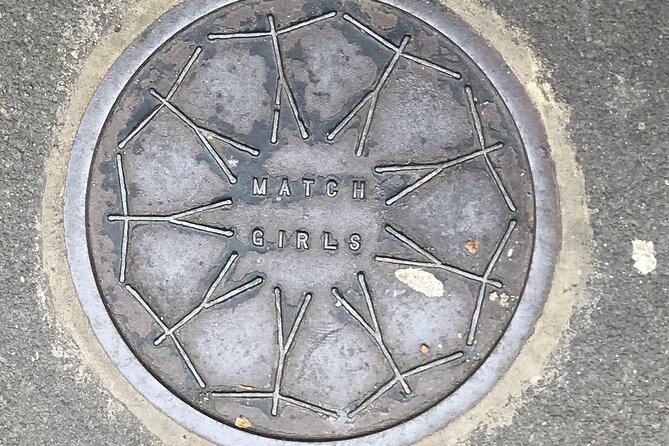
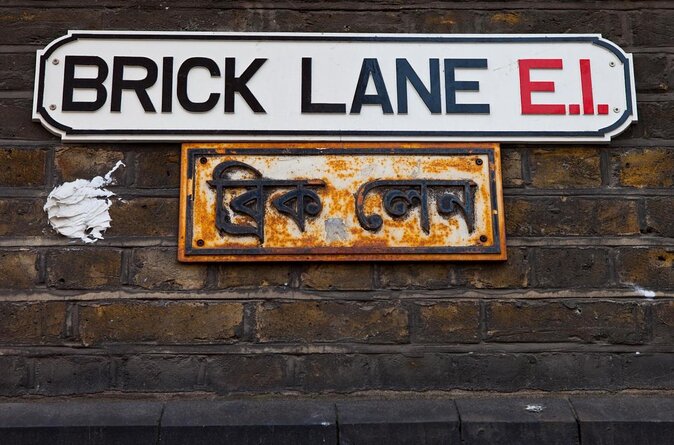
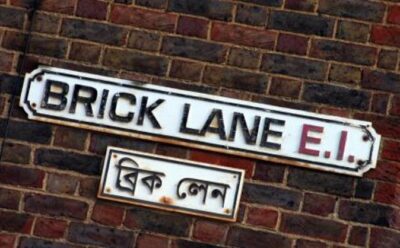
Next up is Brick Lane, another 5-minute stop with free entry. This is where you’ll see how the tour connects place to people. Brick Lane has layers. The tour uses that fact to show how women’s lives in the East End were shaped by the practical realities around them, from work and class pressures to community identity.
Even in a short time window, a good guide can help you read what you see. You’ll be listening for connections: why these neighborhoods evolved, how local economies worked, and what women’s roles looked like in day-to-day life rather than in distant textbook summaries.
This is also a good place to ask questions, because it is the kind of stop where you might think, I’ve seen this street name before, but I never connected it to women’s labor and social organizing. The guide can help you make those mental links fast.
Again, the stop is short. If your priority is spending time photographing buildings, markets, or murals, you may want to do that on your own before or after the walk.
The Women of the Tower Focus: What to Expect Near Tower Hill

The tour includes time to explore the women of the tower. Since the tour starts at Tower Hill, this is the thematic bridge between the meeting point and the rest of the East End route.
What does that mean in practice? You should expect the guide to connect the Tower area and its surrounding neighborhood to women’s stories, likely through institutions, power, and the social consequences of the time period being discussed. It’s not just a viewpoint stop. It is more of a narrative anchor that sets up why the East End became such a magnet for both opportunity and conflict for working people.
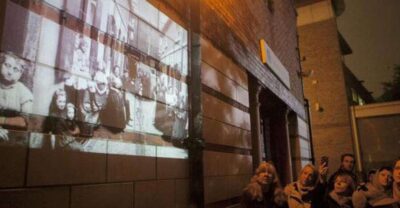
This is also where the tour’s darker history may come into sharper focus. The tour highlights horrific events caused by Jack the Ripper, and that thread is typically strongest when the story moves into the realities people lived with, not just the headline names.
If you prefer tours that stay strictly cheerful, you may want to be selective. But if you want context, this part of the route helps you understand the street-level consequences of crime, fear, and social strain on ordinary life.
How the Storytelling Works: Becky and Emily Set the Tone
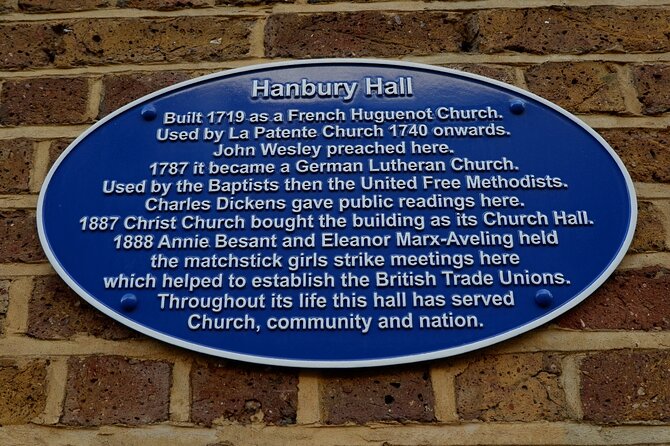
The most consistent praise in the reviews is about the guides. Names that come up again and again are Becky and Emily. The theme is not just that they know facts. It’s that they know how to tell them in a way that keeps you tracking the plot of the neighborhood.
People specifically mention that guides are personable and enthusiastic, and that they cover working women across a wide range of situations, including women who were rich and poor. That matters because it prevents the tour from becoming one-note. You don’t just learn about hardship. You also learn about influence, politics, and the ways women pushed back.
Another standout theme is how guides handle questions. Reviews mention that you can ask things and get answers, and that the guides share detail about where their information comes from. That approach builds trust. You leave thinking, I can follow this up, because I know how the story was constructed.
Finally, the pace is repeatedly described as well judged, meaning you get a lot of information without feeling shoved. That’s not luck. It’s tour craft.
Comfort and Practicalities: What Makes the Walk Easier
This is a walking tour with a target duration of about 2 hours 30 minutes. With London streets, that can feel shorter or longer depending on how often you stop. Here, the structure matters because the guide gives you brief pauses at key locations and a restroom break during the middle.
One review mentions a tea break feel around the stop, with coffee or tea available along with restrooms. You shouldn’t count on a specific drink option, but you can treat the restroom break as your built-in reset point.
What you can do before you go:
- Wear shoes you can walk in for a couple hours.
- Bring a small water bottle if you tend to get thirsty.
- If you’re sensitive to long periods outdoors, plan layers. Weather changes quickly near the City and East End.
This tour also caps the group at 20, which usually means less crowding at stops and more room for your guide to steer the story.
Who This Tour Is Best For
This is a great fit if you want London stories that do not live only in big landmarks. If you care about social history, labor history, and how communities formed, you’ll likely enjoy the way the tour ties women’s roles to local change.
It also works well for people who want a balanced tour. Yes, there are harsh parts of the story connected to Jack the Ripper. But the overall focus stays on women’s contributions, political actions, and how women helped shape the East End.
All ages can work here, based on how the tour experience is described. I’d still say the biggest requirement is curiosity. You’ll get the most out of it if you’re willing to listen and connect the dots between what you see on the street and what you learn about the people who lived there.
A Fair Heads Up: The One Main Tradeoff
The main consideration is time at each site. Spitalfields Market and Brick Lane are each about 5 minutes in the guided flow. That’s perfect for a story-driven route. It’s not perfect if you want to browse, shop, or linger at a slower pace.
So my advice is simple. If you book this, plan a little extra time afterward for the places you want to revisit on your own. The tour ends at Spitalfields, so you’ll have an easy place to extend your day without scrambling for a new plan.
Should You Book This Working Women of the East End Walking Tour?
I think this is a strong booking if your idea of a great London day includes people-centered history. You’ll get a clear East End route, a guide-led narrative focused on working women, and the kind of context that makes street names and buildings feel like they have reasons behind them.
Choose it if you:
- Want an East End walk that stays human, not just architectural
- Like small groups and discussion-friendly guides
- Appreciate labor and social history, including the tough parts of London’s past
- Would enjoy ending in a lively area with food and transport options
Skip it only if you strongly prefer cheerful, light history, or if you want long stopovers at each place. This is a tight story circuit, not a free-form neighborhood ramble.
If you’re the type who loves returning home and looking up what you learned, this one gives you plenty to chase down after the walk ends. And if you want proof that the guide experience matters, pay attention to the repeated praise for Becky and Emily, because that is the heart of why this tour keeps earning top scores.
FAQ
How long is the Working Women of the East End walking tour?
It’s about 2 hours 30 minutes.
Where does the tour start and end?
It starts at Tower Hill, London EC3N 4DJ and ends at Spitalfields Market, 65 Brushfield St, London E1 6AA.
How much does the tour cost?
The price is $55.50 per person.
Is lunch included?
No. Lunch and all food and drink are not included.
Is the tour in English?
Yes, the tour is offered in English.
Are there sites with free admission during the tour?
Yes. The stops listed include Spitalfields Market and Brick Lane with ticket free admission at those points.
Is there a toilet break?
Yes. A toilet break is included.
Can I get a refund if I cancel?
There is free cancellation. You can cancel up to 24 hours in advance for a full refund. If you cancel less than 24 hours before the start time, the amount paid will not be refunded.
More Walking Tours in London


More Tours in London


More Tour Reviews in London
Not for you? Here's more nearby things to do in London we have reviewed










More Walking Tours worth a look.
 ★ 4.7The Original Jack the Ripper Walking TourTickets from $257,833 guest reviews
 ★ 5.0Tour for Muggles The Ultimate Harry Potter Walking Tour in LondonTickets from $234,684 guest reviews
 ★ 5.0London Jack The Ripper Guided Walking TourTickets from $03,131 guest reviews
 ★ 4.7Harry Potter Movies Walking Tour (Kids Go Free)Tickets from $203,071 guest reviews
 ★ 5.0Changing of the Guard Guided Walking Tour in LondonTickets from $251,793 guest reviews
 ★ 4.9The Great British Rock and Roll Music Walking TourTickets from $361,783 guest reviews
 ★ 4.5Jack the Ripper Walking Tour – Ripper Vision ToursTickets from $261,752 guest reviews