
REVIEW · LONDON CITY TOURS
Wildlife Photography Workshop in Richmond Park in London
A park, deer, and a camera lesson in one smart half-day. This Richmond Park wildlife photography workshop takes you into the in the field action for hands-on shooting, led by Matt, with a big focus on both settings and how to think like a photographer. I especially like the evening timing for better light, and the park backdrops that make even a basic shot look polished. The main thing to watch is logistics, you have to get yourself to the park entrance, and if you lose time near closing, getting out can be a headache.
This is the kind of outing that feels like a mini escape from London, without a long train ride or complicated schedule. You learn more than button pushing, the instruction leans into composition and a proactive way to spot photo opportunities. Since the group max is 8, you usually get the help you need, but you should still expect a mix of ability levels and pacing that fits the whole crew.
Key Takeaways Before You Go
- Small group (up to 8): more time to ask questions and get practical guidance.
- Evening workshop timing: built around the best light for nature photography.
- Hands-on in the field: tutorials happen where the wildlife and scenes are.
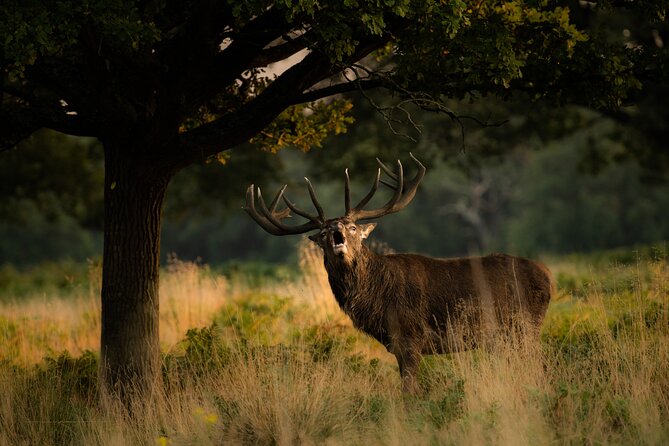
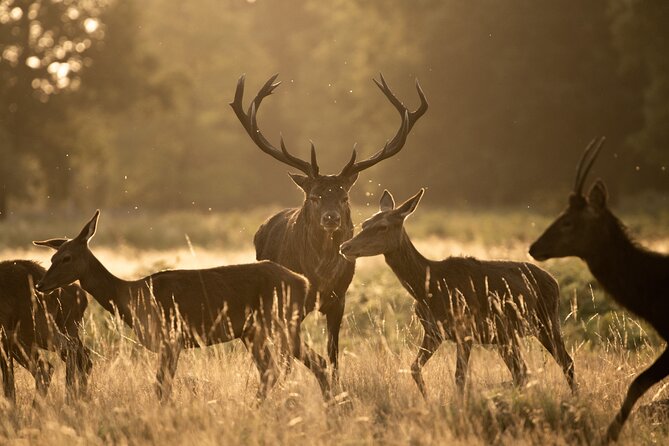
- Deer plus varied scenery: red and fallow deer, birch copses, oaks, ferns, and lakes.
- Mindset as much as settings: composition and seeing like a photographer, not just shooting.
Richmond Park Wildlife Photography, Without Leaving London
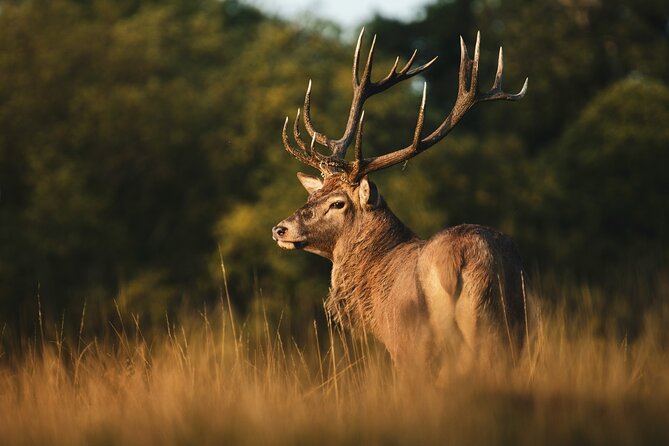
One of the best parts of this workshop is the promise you can get out into real habitat while staying in London’s orbit. Richmond Park is large, wild-feeling, and full of photo-friendly sightlines. In about half a day, you get that nature reset, then you go home with skills you can use anywhere you shoot wildlife or birds.
The setting is also practical. You are not hopping between locations all day, you are working with the same park, so you can build momentum fast. That matters because wildlife photography is all about preparation, patience, and knowing where to stand before the subject does something interesting.
Even better, Richmond Park gives you both wildlife and “supporting cast.” You are likely to frame deer against trees and water, and you also have plenty of texture in the form of birch copses, lone oaks, ferns, and lakes. That mix helps your photos look intentional, even when the animal is not perfectly posed.
You can also read our reviews of more tours and experiences in London.
Matt’s Small-Group Teaching Style (Up to 8 People)
The workshop is led by Matthew Williams-Ellis, and the instruction you will get is credited in reviews to Matt. He runs the session in a way that works for different experience levels, which is exactly what you want in a wildlife class. If you are new, you need basic camera direction and a clear starting point. If you already know your way around your camera, you want refinements that improve your hit rate.
The group size cap of 8 also changes the tone. You are not shouting over a crowd, and you are not waiting forever for help with a setting. Reviews highlight that Matt handled a range of abilities well, blending technical teaching with composition and how to use the lighting.
What I think you should take from this: bring your questions early. Wildlife shooting is fast, and it helps to have your camera set up before you really need it. If you know you struggle with manual settings or tracking movement, this small group setup is where you can fix that.
What You Actually Learn: Settings, Composition, and a Wildlife Mindset
A lot of photography tours stop at technique. This one focuses on technique, yes, but it also trains your thinking. The instruction covers more than how to take a picture, you also learn how to create one.
Here is what that looks like in practical terms:
- You get tips on composition and framing, so your shots look planned instead of accidental.
- You learn how to guide your photographic eye, which is what helps you spot scenes before the moment passes.
- You get a proactive photography mindset, meaning you stop reacting late and start searching deliberately.
If you have an interest in birds in motion, you will like the way the class addresses settings for action. One review notes help programming manual settings for birds in flight. That is the kind of practical detail that can save you hours later, because you learn what to adjust and why, not just what button to press.
And because this is a wildlife workshop, the “how” matters more than the “pretty.” You will spend time connecting exposure and focus choices with what you are seeing in front of you, so you leave with tools you can actually apply on your next outing.
The Richmond Park Shoot: Red and Fallow Deer Plus Real Backdrops
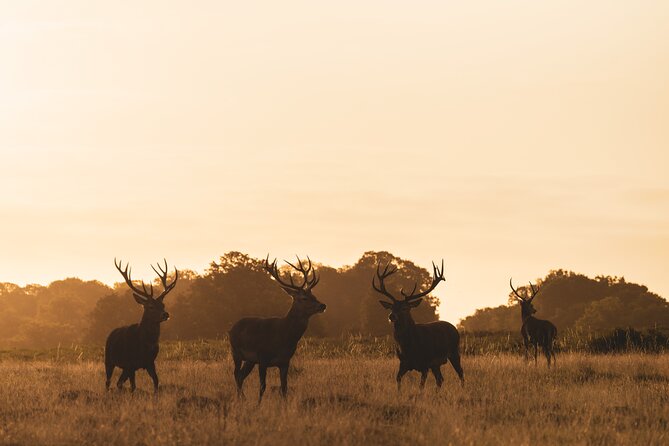
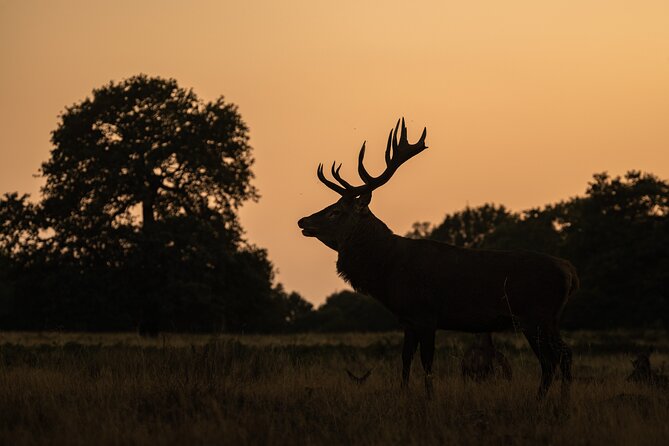
The in-park subjects are a major selling point. You learn in front of the majestic red and fallow deer that live in Royal Park. That is not a distant, hypothetical wildlife scenario. You are practicing in a place where deer are part of the everyday scene.
But the workshop also leans hard into the background. You are not just shooting an animal silhouette and hoping for the best. The park offers visual variety to build layers into your images, including:
- Silver birch tree copses
- Lone oak trees
- Ferns
- Lakes
Those elements matter because wildlife photos often succeed or fail on context. A deer can be beautiful, but if the background is messy, your image can feel flat. Practicing with birch textures, ferns, and water helps you learn how to place your subject in an environment that supports your composition.
One review also mentions finding kestrels, woodpeckers, and a little owl. You should not treat that as guaranteed. Still, it tells you the workshop can produce more than just deer practice, and it reinforces that Matt knows where to look for wildlife opportunities inside the park.
Evening Light and Framing: Why This Timing Helps Your Photos
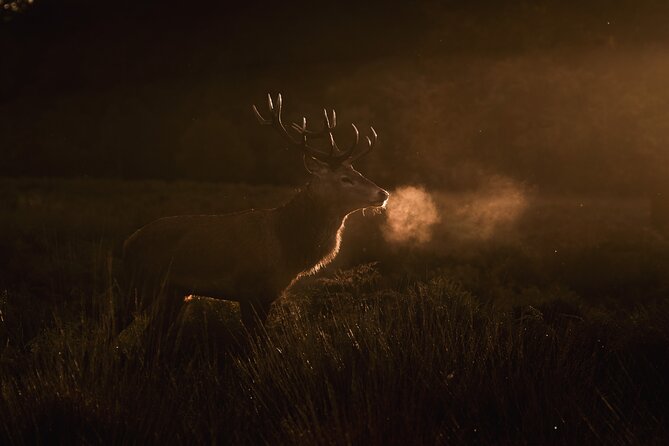
Wildlife photography is brutally honest about light. Good settings can still fail if the light is wrong, and harsh midday light can flatten details in feathers and fur. This workshop tackles that with its evening timing, designed around the best lighting conditions.
What you learn here tends to be the stuff most people miss on their own:
- how to frame with the light direction in mind
- how to manage shadows and contrast
- how to time your shooting when animals move
Even if you are a beginner, you can benefit from this. Evening light is also more forgiving for exposure. It helps skin tones and fur texture look natural, and it makes background colors more usable.
A key point from reviews is that Matt combined lighting and framing with composition teaching. That balance is important. If you only learn composition, you might still struggle with exposure. If you only learn settings, you might end up with technically sharp images that do not feel like real photographs.
You can also read our reviews of more photography tours in London

How the Half-Day Schedule Works at Richmond Park
This experience is built around one main stop: Richmond Park. The session runs about 3 hours. That length is ideal for learning without burning your whole day, and it is long enough to actually apply what you hear from your guide rather than just listening and taking notes.
Meeting point is Queen’s Rd, Richmond TW10 6JJ, UK, and the activity ends back at the meeting point. You meet your guide there, then you make your own way to the park’s entrance to connect for the workshop.
That self-navigation piece is small but important. The negative review you should take seriously is about exit trouble after asking about gate closure times. I would plan your timing like this: give yourself extra margin, and do not assume every gate will be open late. If you tend to linger, set a reminder and build in buffer time so you are not caught searching for the right way out.
If you want the smoothest experience, arrive a little early, find the meeting point clearly, and keep an eye on the time as the session winds down.
Price and Value: Is $161.56 Worth It?
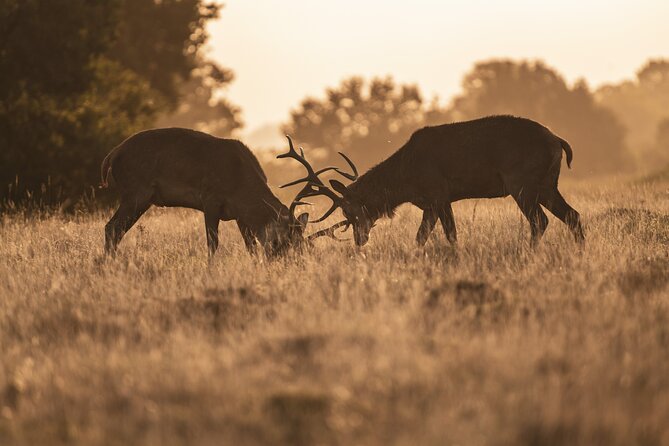
At $161.56 per person for about 3 hours, this is not a cheap casual walk. But it can be good value if you come with a real goal: learn camera technique for wildlife and leave with a more confident approach.
Here is why it can be worth it:
- You get hands-on instruction in a real wildlife location, not just theory.
- The small group size (up to 8) improves the chance you get targeted help.
- The workshop covers both the technical side (settings) and the creative side (composition and mindset).
The reviews help confirm what you are paying for. Multiple people highlight usefulness for new methods, helpful camera guidance, and a guide who knows the best spots to see wildlife. One review even calls out learning how to set manual controls for birds in flight, which is the kind of direct skill transfer that justifies a higher price.
The main reason it might not be worth it for you is if you expect a guaranteed wildlife show with zero effort on your part. This is photography instruction. You are learning to find and capture opportunities in Richmond Park, so you will get more from the session if you actively participate.
Who Should Book This Wildlife Photo Workshop
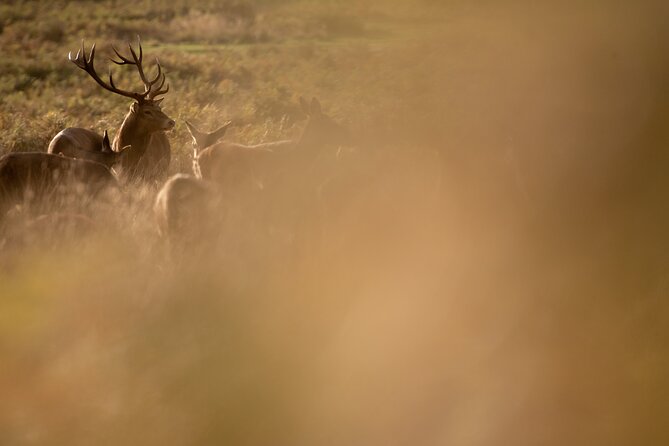
You will enjoy this most if you:
- love nature walks and want to learn camera skills at the same time
- want practical guidance for your current camera, whether you are beginner or intermediate
- like the idea of learning composition and a repeatable shooting mindset
- prefer a small group, not a big bus tour
You might want to think twice if you:
- get stressed about timing and park exits, since gates can be locked and you need to plan
- are looking for a fully guided door-to-door experience with no self-navigation
- are not comfortable with a moderate level of physical fitness, because you will be walking in a park setting
One more smart tip: set expectations. Even with good instruction and good light, wildlife behavior is unpredictable. The workshop is designed to teach you how to respond well, not to control the animals.
Should You Book It?
If your goal is better wildlife photos plus real learning, this workshop is a strong pick. You get an expert guide (Matt), a small group, and practice in front of real wildlife in Richmond Park. The focus on both camera settings and the thought process behind good images is what makes it more than a casual outing.
My only caution is practical, plan your arrival and your exit. If gate timing and walking routes stress you out, go in with extra margin and keep an eye on time as the session ends.
If you want a photo outing that feels like London’s version of a real nature workshop, with skills you can take back to any park, this one is worth booking.
FAQ
Where does the workshop start?
The workshop starts at Queen’s Rd, Richmond TW10 6JJ, UK, and it ends back at the same meeting point.
How long is the workshop?
It lasts about 3 hours.
How much does it cost?
The price is $161.56 per person.
What language is the workshop offered in?
The workshop is offered in English.
Is there a limit on group size?
Yes. The workshop has a maximum of 8 travelers.
What is the meeting logistics once you arrive?
You make your own way to the park’s entrance to meet your guide.
What should the weather be like?
This experience requires good weather. If it is canceled due to poor weather, you will be offered a different date or a full refund.
When do I get confirmation after booking?
Confirmation will be received within 48 hours of booking, subject to availability.
Is service animal access allowed?
Yes. Service animals are allowed.
More Photography Tours in London
More Tour Reviews in London

Not for you? Here's more nearby things to do in London we have reviewed

More London City Tours worth a look.
 ★ 4.6The London Eye Entry TicketTickets from $3935,875 guest reviews
 ★ 4.7From London: Harry Potter Warner Bros Studio TourTickets from $11726,588 guest reviews
Westminster to Greenwich River Thames CruiseTickets from $2222,836 guest reviews
Magical London: Harry Potter Guided Walking TourTickets from $2022,044 guest reviews
 ★ 4.6Madame Tussauds LondonTickets from $3620,915 guest reviews
 ★ 4.5Stonehenge, Windsor Castle, and Bath from LondonTickets from $11118,662 guest reviews
 ★ 4.7Warner Bros. Studio Tour with TransfersTickets from $14417,586 guest reviews
 ★ 4.7Tower Bridge Entry TicketTickets from $2115,560 guest reviews
Continue by place or experience