
REVIEW · BUCKINGHAM PALACE TOURS
Buckingham Palace, St James Palace & Tea at Kensington Palace
Royal palaces plus tea, in one tight route. You start near Green Park and move through the St James area, where politics, aristocracy, and London clubs all overlap. Then you finish at Kensington Palace for high tea in the Orangery, with sandwiches, scones, and cakes.
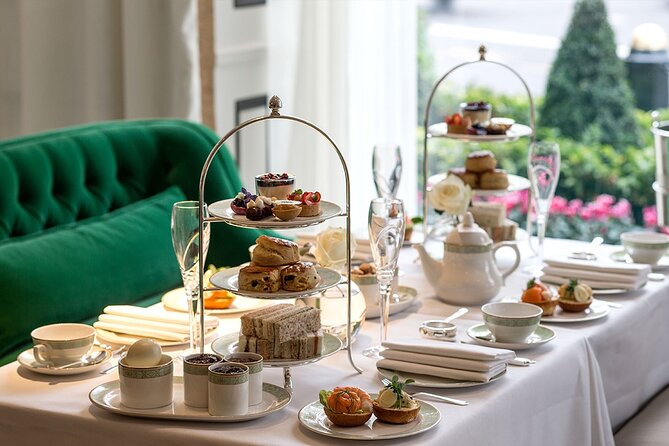
What I like most is the small group size, max 10 and usually 4 to 6. That keeps the pace human and makes it easier to ask questions, especially when the guide can weave the details into what you are actually seeing. The other standout is the food, a proper British afternoon tea that includes Welsh scones with clotted cream and strawberry jam, plus a selection of royal cake.
One thing to consider, this is a walking tour through central London. If you dislike walking between landmarks, wear good shoes and plan for some time on your feet.
Key highlights you should care about
- Small-group pacing (max 10, typically 4 to 6) for a more personal feel
- High tea at Kensington Palace at the Orangery, with sandwiches, scones, and cake
- Royal London route in one go, covering Buckingham Palace and key St James sights
- Backstreets and side streets, not just big-name facades
- Food supports dietary needs with prior request (gluten free, vegan, halal, and more)
- State Rooms access may be available, if you selected it at checkout
Your day of Royal London, from St James to Kensington tea
This is the kind of London tour that works even when your schedule is tight. In about 2 hours, you cover a cluster of royal and landmark sites that normally take a lot more planning. You are not just looking at famous buildings. You are also getting the story behind why each corner matters, and how this part of London grew into the power center it is today.
The tour is set up like a classic city walk with short stops. That sounds simple, but it changes the whole experience. Instead of spending half your time waiting in line or shuffling between far-apart attractions, you get repeated chances to reset your eyes, take photos, and hear context that makes the scenery make more sense.
Price is $173.45 per person, which is not cheap. The value is in two places: the guide-led walk through multiple major sights, and the included afternoon tea at the end. If you were to pay for tea plus a paid guided walk separately, this bundle starts to look reasonable. If you mainly want palace interiors you can walk through for long periods, then you may want a different tour where entrances are guaranteed.
You can also read our reviews of more tours and experiences in London.
Getting oriented at Green Park, and why this start matters
You begin at Green Park, near the underground at Piccadilly. Even before you reach the big royal names, you are learning the geography of the area. Green Park sits right on the edge of the royal zone, and the tour uses that location to steer you away from pure crowd-pressure and into quieter viewing moments.
A useful way to think about this start: it gives you a mental map. You learn what the landscape is doing around the palace district, and how the different neighborhoods connect. That matters later when you are standing near St James Palace and Buckingham Palace and you can actually understand why you are seeing what you are seeing.
Also, it is a free stop for the walk, so you are not losing time to admissions early on. You are setting the tone for the day.
St James’s backstreets, where aristocrats and power met
Next you move into St James’s, the aristocratic quarter. The tour frames this area as a place where the landed gentry and political classes mixed, and it points out how venues evolved over time, including the way informal gathering places became prestigious clubs in the 17th century.
The practical benefit for you is that this is not a dry lecture. You are walking through the kind of street network where the story sounds different depending on where you turn. Small squares, narrow lanes, and side streets let the guide connect the dots between old social spaces and the formal institutions you see today.
This is also a good section if you enjoy street-level history. You get short pauses, not long detours, so you keep moving without feeling rushed.
Spencer House, a standout town house with royal links
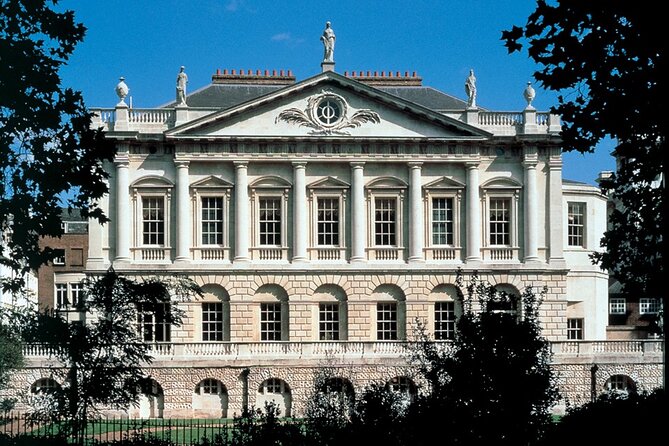
You stop at Spencer House, built between 1756 and 1766 for John, the first Earl Spencer. The tour ties it to the Spencer family, including an ancestor of Diana, Princess of Wales.
This stop is only brief, but it is one of those “wait, I have seen that before” moments if you have watched period dramas. Town houses like this help you understand that royal power is not only in palaces. It also lives in grand residences, in the families who shaped policy and public life, and in architecture that survived when many other structures did not.
If you love British history that feels tangible, this is a nice payoff in the middle of the walk.
The Mall and St James Palace area, royal sites you cannot fully tour
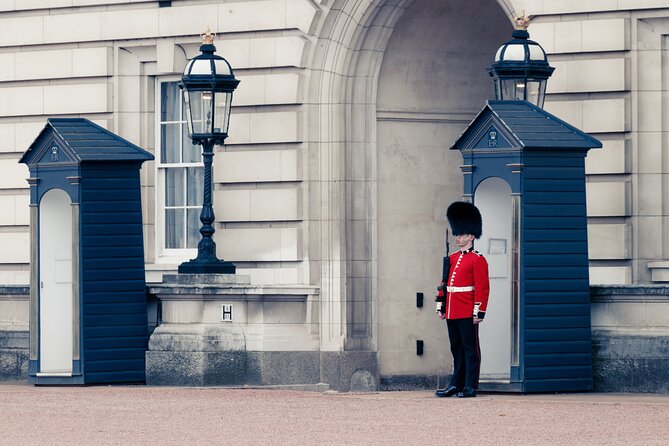
From there you head toward The Mall and the broader St James Palace area. The important nuance here is that St James Palace is not regularly open to visitors. The tour notes that you can attend Sunday services at the Chapel Royal and the Queen’s Chapel.
What that means for you: you will be seeing the palace context from outside, and learning how this place functions, not how it looks inside. If your must-do is walking through royal interiors, confirm whether you selected State Rooms access at checkout, because the standard walking approach does not guarantee palace entry.
Even without interiors, this is still a strong section because The Mall’s layout and sightlines explain the formal feel of royal London. You can almost sense how processions and ceremony shaped the street plan.


Clarence House and the idea of choosing comfort
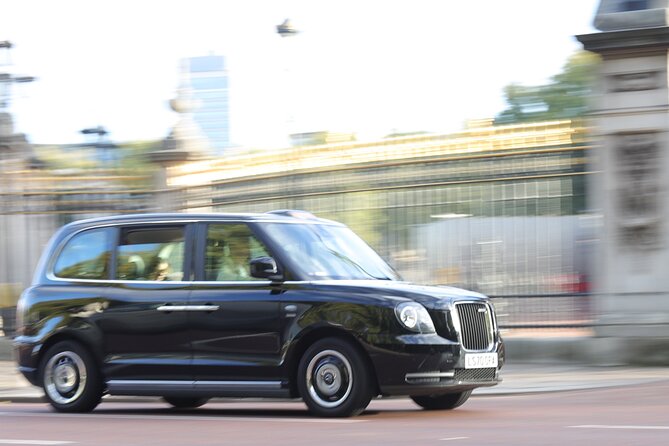
A short stop brings you to Clarence House, built between 1825 and 1827 by John Nash for the Duke of Clarence. The tour connects it to King William IV, and the story is very human: he lived there instead of St James’s because the older Tudor building felt too cramped.
That detail does something valuable. It interrupts the “royalty as statue” view. You start thinking about where people actually preferred to live, what comfort looked like, and how architecture can be a daily-life decision.
If you like when history is not just dates but motivations, you will probably enjoy this stop.
Buckingham Palace, and the river story under your feet
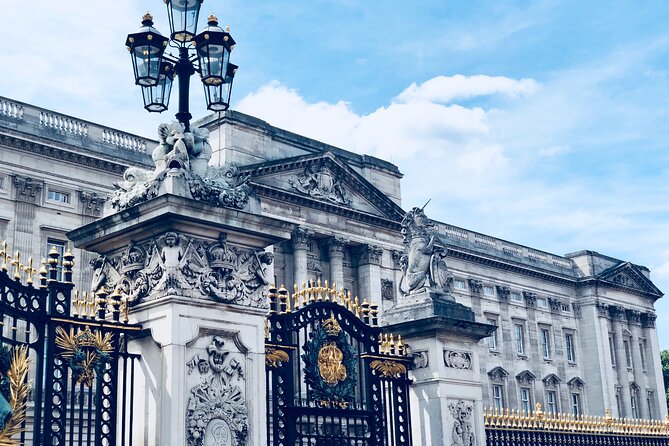
You then reach Buckingham Palace. The tour shares an origin story that goes farther back than most sightseeing narratives. It describes how the site used to be part of the Manor of Ebury, watered by the river Tyburn, which still flows below parts of the courtyard and south wing.
This is a great moment for your camera and your imagination. The big palace facade gets all the attention, but hearing about the water and earlier settlement patterns helps you see why the ground here matters. London is full of layers, and Buckingham is a perfect example.
The stop is short, so if you want longer photo time, you may want to arrive with a clear shot plan. Bring your best angle knowledge and keep moving so you do not lose the momentum of the tea finish.
Wellington Arch, Bomber Command Memorial, and the mix of Britain in one route
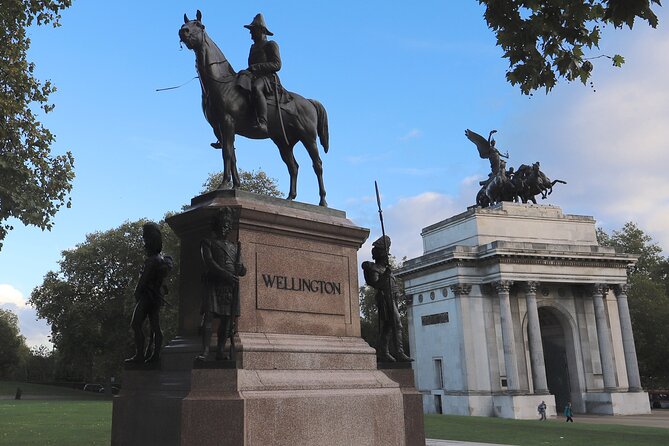
The itinerary continues with major monuments that broaden the day beyond royal storytelling.
First is Wellington Arch (1828, by Decimus Burton). The tour highlights the four-horse chariot with a figure of peace from 1912, and notes that the central passage was reserved for royalty. Again, it is a reminder that ceremony and street design were built for access and status.
Then you stop at the Bomber Command Memorial. This one shifts the tone with a clear wartime focus. The tour explains it commemorates RAF Bomber Command crews who embarked on missions during World War II, marking the sacrifice of 55,573 aircrew from Britain and multiple allied nations, plus civilians killed during raids.
If you are the type of traveler who likes your history complete, not only royal and scenic, this stop adds needed balance. It also encourages you to slow down for a moment, even if the overall tour is fast.
Apsley House, plus the arts and monument stops that fill the final stretch
Next is Apsley House, originally built in red brick by Robert Adam (1771 to 1778) for Lord Apsley, Lord Chancellor. The tour notes surviving Adam interiors like the Piccadilly Drawing Room and Portico Room behind Wellington’s giant Corinthian portico.
This stop works because it connects luxury architecture with politics and administration. You see how high-level government sat close to influential families.
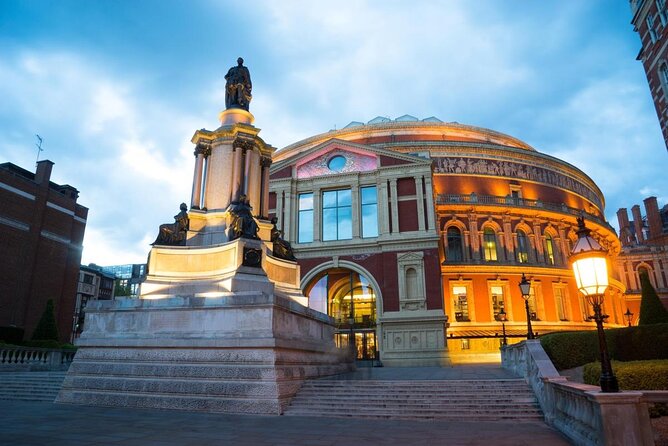
Then the walk reaches the Royal Albert Hall, and the tour frames it as a concert hall opened by Queen Victoria in 1871, with a capacity of 5,272. You get the sense that Britain’s public culture and royal culture occupy the same geography.
A final monument stop is the Albert Memorial in Kensington Gardens, dedicated to Prince Albert, who died in 1861.
By the time you reach Kensington Palace, you are primed for ornate, symbolic spaces. The whole route sets you up for that transition from ceremonial buildings to the quieter, garden-side tea moment.
Kensington Palace grounds, then high tea at the Orangery
The tour ends at Kensington Palace, at the Orangery where high tea is hosted. This is where the experience becomes more than a sightseeing walk.
The Kensington Palace story includes a dramatic detail about George II. It covers his health and death, and how he was succeeded by George III, with burial in Westminster Abbey. Even if you only remember one detail, it adds a human thread to the palace exterior you are seeing.
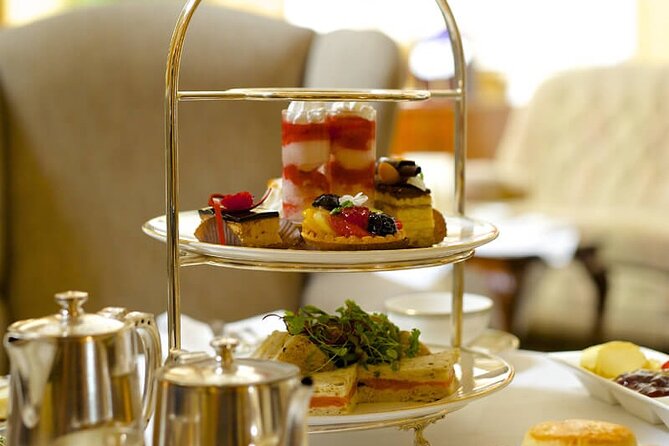
Then you sit down for afternoon tea. The included menu includes:
- Delicate finger sandwiches (variety changes by season, and dietary needs can be accommodated)
- Welsh scones, with and without raisins, plus clotted cream and strawberry jam
- A royal cake selection, with the dessert changing by season
Two practical points make this tea feel worth your time. First, you get a private table at the venue, so you are not eating in a chaotic free-for-all. Second, the tour includes the history of tea drinking in England, which helps you pay attention to the ritual instead of treating it like a snack break.
Alcohol is not included, but you can purchase it during tea.
If you are traveling with kids, there is child tea for those typically 11 and younger.
Also, the tour offers options if you request them in advance, including gluten free, vegetarian, vegan, and halal.
Guides matter here, and you get that personal touch
The strongest theme in the experience is how the guide brings the route to life. Names like Simon show up repeatedly in the kind of feedback this tour attracts. The comments emphasize humor, friendliness, and the ability to tailor stories to different ages. Other guide names like David and Tom also appear, with the same overall pattern: the tour becomes more than landmarks when the guide connects details to what you can see.
Why that matters for your decision: walking tours can be hit-or-miss depending on the storytelling. Here, the guide is part of the value, not just a ticket mechanism.
It also helps that the tour is structured for small groups. With fewer people, you are more likely to get answers to the questions you actually care about, like which site is the real power center and why certain palaces are less accessible to the public.
Price and value, what you are really paying for
At $173.45 per person, you are buying three things:
- A guided walk through multiple central landmarks and royal-area sites
- Included afternoon tea (sandwiches, scones, and cake)
- A small-group format that keeps the pace manageable and the experience interactive
If you compare this to booking tea alone plus a separate paid guide for a similar walking route, the pricing starts to make sense. If you compare it to a self-guided walk with free outdoor views of Buckingham Palace and Kensington Palace, then yes, it costs more. But self-guided sightseeing rarely gives you the “why” behind the street plan, the royal building choices, and the memorial context.
My advice: if tea is a must-do for your London trip, and you want history without long lines, this is strong value. If your priority is palace interior time, you should treat the tour as mostly an exterior and grounds experience unless you selected State Rooms entrance at checkout.
What to expect from the walking route
The stops are frequent and short. That helps you stay engaged, but it also means you should plan for a steady walk.
The good news is the route is designed for a wide range of travelers. The experience notes that most travelers can participate, and it is near public transportation. If you have mobility limits, you should still think carefully, because you are moving through many stops across central London.
Bring comfortable shoes, and keep water handy. The itinerary is compact in time, so you do not want to spend your energy dealing with discomfort while you are trying to enjoy the stories.
Should you book this Buckingham and Kensington Palace day?
I’d book it if:
- You want a guided London walk focused on the royal corridor, including Buckingham Palace area and Kensington Palace
- You care about tea as part of the day, not as an afterthought
- You like small groups and clear pacing, ideally with a guide who tells the story in a lively way
I might pass if:
- You want guaranteed long, inside palace touring at major sites, since the tour notes that palace entry is not part of the standard walking experience unless you selected State Rooms
- You dislike walking between landmarks, since the route is designed as an active city stroll
If you are doing one “royal London” day and you want it to include a proper British meal plus strong context at each stop, this one fits the brief.
FAQ
How long is the tour?
The tour runs about 2 hours.
What group size should I expect?
It is capped at 10 travelers, and it typically runs with 4 to 6 guests.
Is the afternoon tea included?
Yes. Afternoon tea is included, with sandwiches, Welsh scones, and a selection of cakes. Alcoholic beverages are not included, but you can buy them during tea.
Can you accommodate dietary restrictions?
Yes, if you request in advance. The tour offers gluten free, vegetarian, vegan, and halal options.
Are palace interiors included?
Entrance to the State Rooms is offered if selected at checkout. Otherwise, the experience is described as a walking tour without palace entrance.
What are the start and end points?
The tour starts at Green Park (Underground Ltd, Piccadilly, London W1J 9DZ) and ends at Kensington Palace (Kensington Gardens, London W8 4PX), at the Orangery for high tea.
Do I get a mobile ticket?
Yes. The tour includes a mobile ticket.
Is the tour in English?
Yes, it is offered in English.
What is the cancellation policy?
There is free cancellation. You can cancel up to 24 hours in advance for a full refund.
Is it suitable for most travelers?
The experience states that most travelers can participate, and it allows service animals.
More Tour Reviews in London
Not for you? Here's more nearby things to do in London we have reviewed



More Buckingham Palace Tours worth a look.
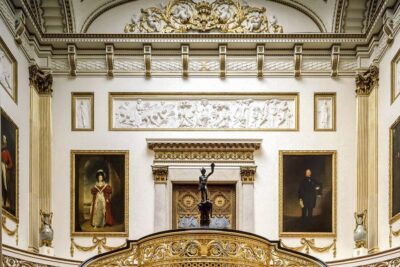 ★ 4.6Buckingham Palace: The State Rooms Entrance TicketTickets from $447,395 guest reviews
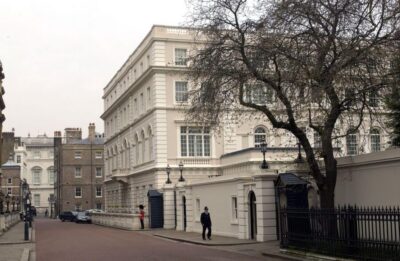 ★ 4.3Buckingham Palace & Changing of the Guard ExperienceTickets from $262,971 guest reviews
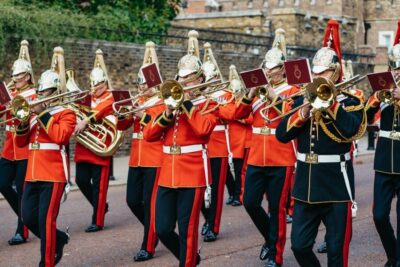 ★ 4.8Changing of The Guard TourTickets from $152,510 guest reviews
 ★ 4.5Westminster and Changing of the Guard TourTickets from $242,171 guest reviews
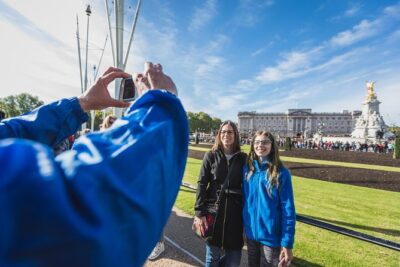 ★ 5.0Changing of the Guard Guided Walking Tour in LondonTickets from $251,793 guest reviews
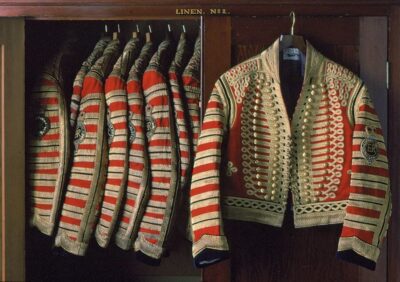 ★ 4.3Buckingham Palace: The Royal Mews Entrance TicketTickets from $221,759 guest reviews
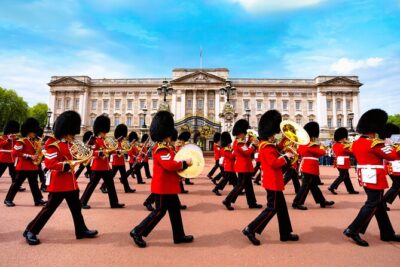 ★ 4.0Buckingham Palace Entrance Ticket & Changing of the Guard TourTickets from $981,720 guest reviews
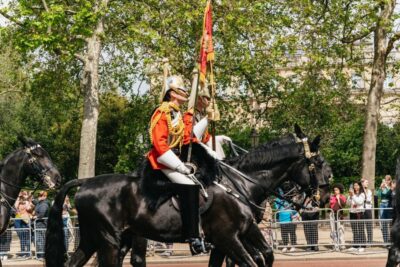 ★ 4.2Changing of the Guard Tour by Buckingham PalaceTickets from $181,655 guest reviews
Continue by place or experience