
REVIEW · BRITISH MUSEUM TOURS
British Museum London Guided Tour Semi-Private 8ppl Max
Mummies and masterpieces, in a tight route. This semi-private British Museum tour keeps you moving with a guide, focused on the big visual moments and the stories behind them, like the Rosetta Stone.
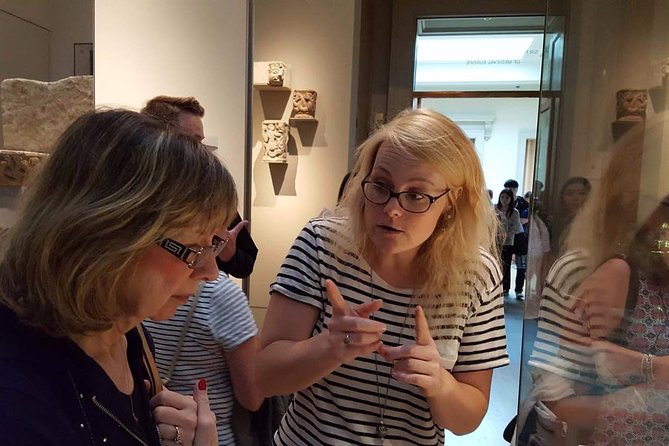
What I like most is the small group setup, capped at eight people, and the fact you get a professional guide for a focused 2.5-hour sweep instead of wandering aimlessly.
I also love that the tour is built for time-pressed visits, with options for different start times and a route designed to cover key highlights efficiently. One possible drawback: this experience is not available for wheelchair users or guests with walking disabilities.
Key things that make this tour work
- Small group limit (8 max) means easier navigation through busy galleries
- A guided highlight route covers standout objects you might miss if you go solo
- Rosetta Stone plus major anchors like the Lewis Chessmen and the Mummy of Katebet
- 6,000 years of objects in 2.5 hours, with context tied to why things matter
- No temporary exhibitions included, so you will need a separate plan if that is your priority
- Security rules for bags (no large bags or suitcases inside) help you travel lighter
Semi-private group size up to 8, and why that matters inside the museum
If you have ever tried to see the British Museum on your own, you know the main problem is simple: too many rooms, too many signs, and not enough time. This tour solves that by keeping the group small, with a maximum of eight guests. That size is big enough for conversation, but small enough that the guide can steer the pace and keep the group together.
In a place like the British Museum, crowd flow matters. The easiest sections can be jammed when tours overlap, and getting stuck in one hallway can eat up your whole visit. With this semi-private format, the guide can shift the order of movement as you go, so you spend more time looking at objects and less time fighting foot traffic.
It also changes how the tour feels. With eight people, you are more likely to hear the explanation clearly, and the guide can respond to quick questions without derailing the schedule. I find that especially helpful for a museum that spans continents and centuries, where it is easy to get lost in dates and names.
You are also not stuck in a huge group format where everyone feels like luggage. You still get the structure of a real route, but you keep more personal space than you would with larger bus-style tours. If you are visiting with kids, this can help too, since the guide can adjust emphasis toward what will hold attention.
One more practical note: this tour requires moderate physical fitness level. You do not need to be an athlete, but you should expect walking and standing inside galleries for the duration.
You can also read our reviews of more guided tours in London


Meeting at Great Russell Street and getting through the British Museum quickly
The meeting point is at the British Museum, Great Russell St, London WC1B 3DG. The tour starts there and ends back at the same spot. That round-trip design is useful because you do not have to re-plan your logistics for the rest of your day.
Timing is part of the value here. You get to choose from several start times when you book, which helps if you are also planning nearby London sights. Being able to pick a slot means you can avoid the worst overlap with other peak attractions.
Once you arrive, plan for museum security. The rules are straightforward: no large bags or suitcases inside, only handbags or small thin bag packs through security. If you are traveling with a bigger bag, it is smart to have a plan before you leave your hotel, because you will likely need to carry less once you get in.
Good small-item advice also comes up in the real-world experience of visiting. Bring comfortable shoes because the museum floor is not made for stiff footwear. A small umbrella can help if your London day turns wet. And if reading labels will matter to you, reading glasses can save frustration during longer stretches.
One operational detail people overlook: you are required to provide a mobile phone number when booking, including your country code. That is there for confirmation and contact, so make sure you enter it correctly.
Finally, keep in mind that some rooms inside the museum may have restrictions on speaking, or feel extra quiet. The guide should handle the rules and clue you in before you enter those spaces, so you are not guessing in the moment.
The highlight route: Rosetta Stone, Lewis Chessmen, and the Mummy of Katebet
The British Museum can feel like an endless buffet. This tour turns it into a short story with clear chapters. The route is built around some of the museum’s best-known objects, but it is not only about famous names.
Expect your tour to include major anchors such as the Rosetta Stone, the Lewis Chessmen, and the Mummy of Katebet. These objects work well as starting points because they each represent a different kind of human achievement: writing and language systems, art and craft tied to games, and the technologies and beliefs around the dead.
What I like about a guide-led route is that it helps you see beyond the object at face value. With the Rosetta Stone, you are not just looking at a rock with carvings. You are getting the historical reason it matters and how it helped unlock understanding. With the Lewis Chessmen, the focus is on how these pieces connect to culture and skill, not just the idea that chess is old.
The Mummy of Katebet is a powerful choice too. It is easy to see mummies as a single category, but a good guide ties them to the specific world that produced them, including what people believed and what they wanted to preserve. That context changes your reaction from spooky curiosity to historical understanding.
You will also get a mix of ancient and medieval highlights, and the guide typically selects objects that are both important and visually compelling. This matters because the museum has countless items behind glass, and not every object is equally gripping when you are standing in a crowded hall.
One more detail that helps: the guide takes a serious, enjoyable approach. You are still learning, but you are not being tested. That makes the time feel faster and the museum feel less overwhelming.
How the guide connects 6,000 years of objects into a simple story
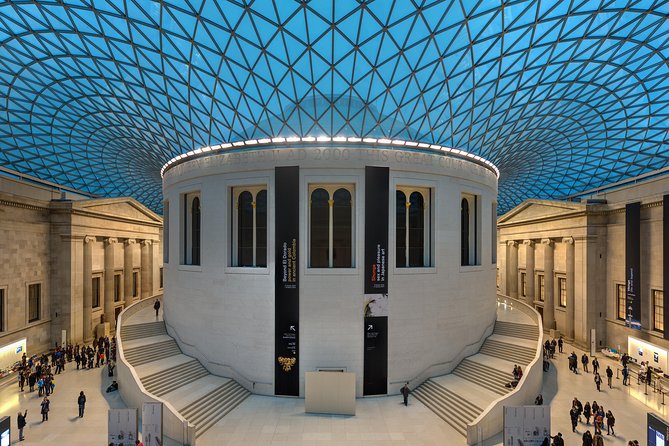
The British Museum houses roughly eight million items, covering about 6,000 years of human history. That scale is why self-guided visits can go sideways. Even if you love museums, you cannot read your way through that much material in one day.
So the real trick in this tour is selection plus interpretation. The guide does not try to explain everything. Instead, you get a chosen set of masterpieces and major artifacts, and the explanation is built around their significance and purpose.
As you move through galleries, you should expect historical context that helps you understand what you are seeing and why it mattered at the time. One practical benefit of this approach is that you start recognizing patterns. You begin to see how empires fall, how trade spreads styles, how technology shifts daily life, and how religion and politics shape what gets preserved.
This is also where the tour can feel more honest than a simple highlights list. Some guides bring up difficult or controversial angles, including context around how certain objects became part of the museum collection. That kind of framing does not ruin the experience. It adds clarity, and it helps you look at artifacts as part of history, not just trophies behind glass.
A name you might see in past experiences is Jake, who was praised for providing context and answering group questions. You might also get guides like Ivo, Andy, Lawrence, or Eleisha, who were specifically called out for turning the visit into a story and keeping it engaging for mixed ages. Your guide might be someone different, but the consistent theme is the same: explanations that make objects feel connected to real human decisions.
Assyrian lion-hunting reliefs and the stuff people forget to plan for
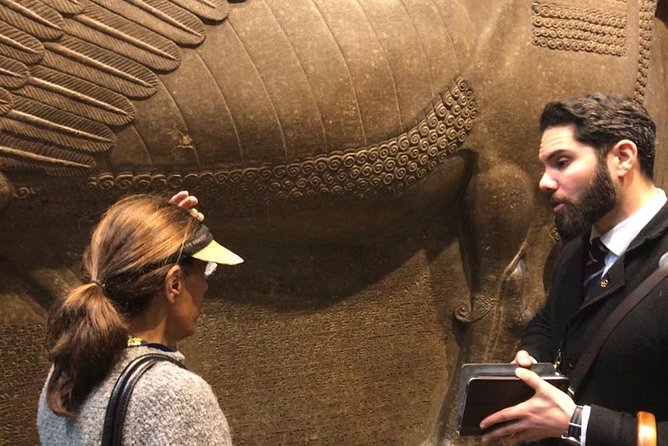
The tour is not only about the five poster children. It is also about the moments that feel fresh when you are expecting the usual stuff.
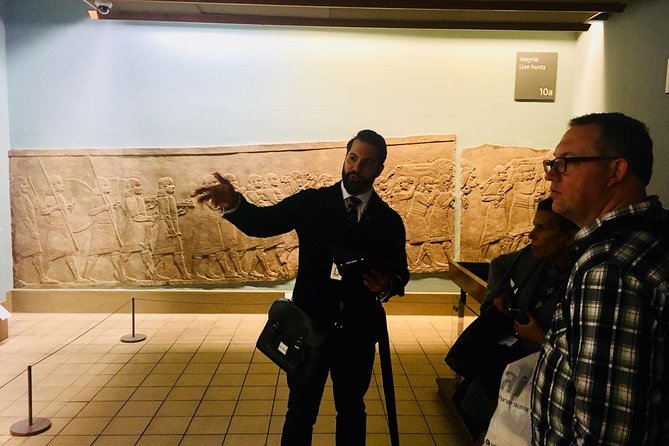
One standout mentioned in the experience of the highlight route is the Assyrian lion-hunting reliefs. These scenes are dramatic and visually intense, and they work well as a contrast to Egypt and classical Europe. When you see them with historical context, the art stops being just decoration and becomes a record of power, performance, and ideology.
You can also expect stops that show how far the museum reaches globally. Examples mentioned include samurai armor and artifacts tied to cultures across the ancient world. Seeing these items in one walk makes the museum’s global scope click. The guide’s job is to connect the dots so you do not just collect trivia.
A small detail that helps you appreciate these less obvious choices is the pacing. In a crowded museum, it is easy to rush through the art because you want to reach the next famous room. A well-run guided route slows you down at the right points and keeps you moving at a speed that still lets you register what you are looking at.
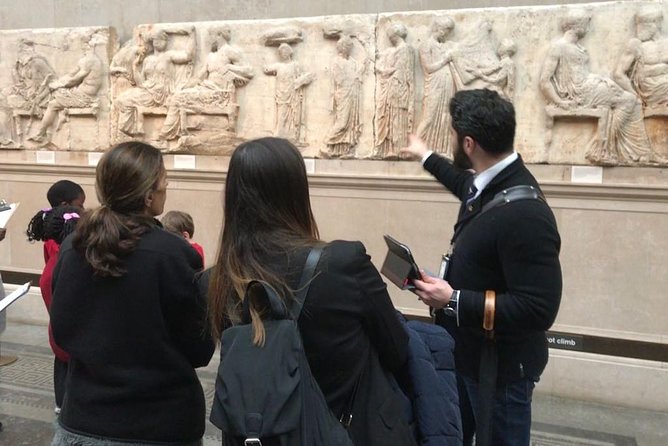
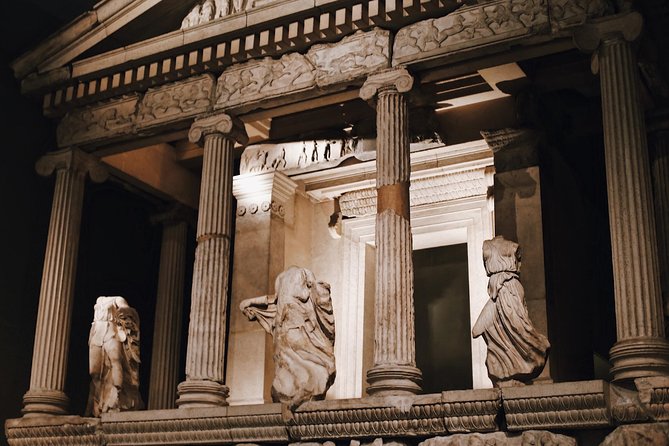
Some tours also weave in other big sculpture moments, and you may see things associated with classical Greece, such as Parthenon statues, depending on how the route plays out. Since the museum changes and certain rooms may be restricted, the exact focus can shift seasonally, but the overall purpose stays the same: a guided sweep of what matters most.
If you have visited the British Museum before and you felt you were mostly skimming, a guided route can help you spot what you missed. And if it is your first visit, it gives you a foundation so future visits feel less like random searching.
You can also read our reviews of more private tours in London




Price and value: what you pay for, and when it makes sense
At $108.44 per person for about 2 hours 30 minutes, this is not a bargain tour, but it is also not trying to be one. The value is in three things: time savings, expert framing, and group size.
First, time. The museum is so big that “just go in” can turn into a half-day of walking with limited returns. Paying for a route gives you a plan that is realistic for a single visit.
Second, context. Look at the objects you care about, but also learn what you did not know you needed. The guide turns labels into meaning. That is the difference between seeing a famous item and actually understanding why it changed the world.
Third, the group size. With eight people or fewer, the tour is easier to navigate during busy periods. That makes your money feel less spent on logistics and more spent on experience.
Who is this best for? I would say it fits:
- Time-pressed visitors who still want more than a selfie-and-skip approach
- People who like asking questions and getting answers in real time
- Families with a mix of ages who need structure to keep momentum
When might you skip it? If you already know exactly what you want to see and you are happy with a self-guided pace, the museum is full of printed maps and labels. Also note that temporary exhibitions are not included, so if you are traveling specifically for a special show, you will need a separate ticket and plan.
Practical do’s and don’ts that make your tour smoother
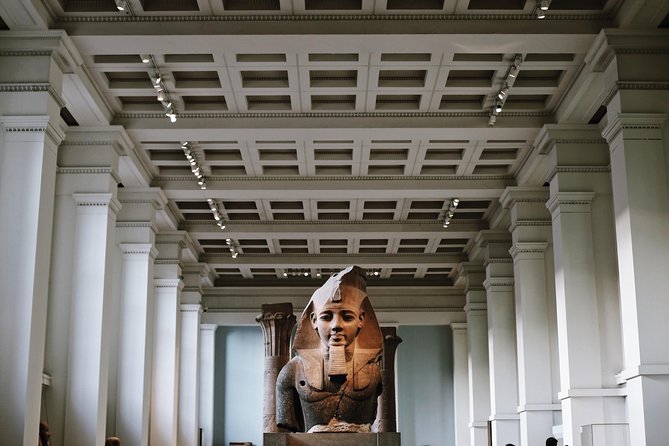
Here are the on-the-ground basics that help the most, based on how the museum operates and what to expect during a guided visit.
Do bring:
- Comfortable shoes
- A light plan for weather, like a small umbrella
- Reading glasses if you like to study object labels
- A handbag or small thin bag pack for security
Do plan for:
- Moderate walking during the 2.5 hours
- Possible quiet or restricted speaking areas where the guide will set expectations
Avoid:
- Large bags and suitcases inside the museum, since security restrictions apply
- Showing up late, because the whole route depends on starting on time
If you like souvenirs, the gift shop is worth a quick stop after your tour. More than one guide recommendation mentioned that it is not to be missed, and it is a nice way to end your visit when your feet finally agree with you.
Also, remember that museum hours and access can change due to occasional closures. If the British Museum opening time is delayed by more than an hour from tour start time, you should get an alternative, but refunds or discounts are not always available in every delay scenario. It is smart to have a flexible day plan.
Should you book this British Museum guided tour?
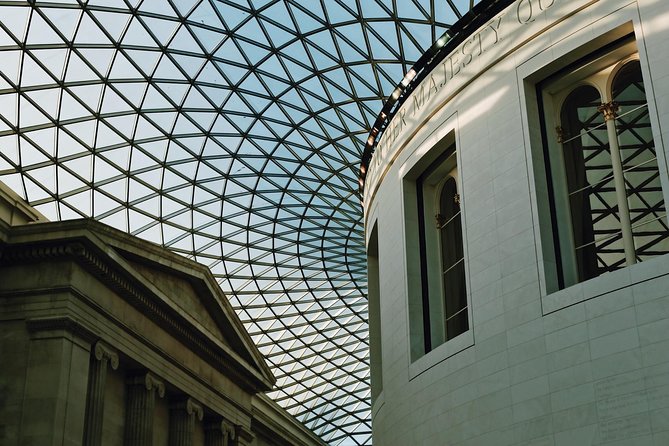
I think this tour is a strong choice if you want a guided sweep that focuses on major objects and actually explains what you are seeing, without turning your day into a sprint.
Book it if:
- You want a small-group route with a professional guide
- You have limited time and want the big highlights like the Rosetta Stone, Lewis Chessmen, and Mummy of Katebet
- You prefer learning in context, including the less comfortable parts of collection history where guides provide framing
Consider skipping or adding something else if:
- You care most about temporary exhibitions, since they are not included
- You have mobility constraints, since the tour is not available for wheelchair users or guests with walking disabilities
- You want to spend the whole day in one wing and follow your interests without a set 2.5-hour structure
If you want your first British Museum visit to feel organized and meaningful, this is one of the more practical ways to do it.
FAQ
How many people are on the semi-private tour?
The semi-private group size is never more than 8 guests total.
How long is the British Museum guided tour?
It runs for about 2 hours 30 minutes.
Where do I meet the guide?
You meet at the British Museum at Great Russell St, London WC1B 3DG, UK.
Is museum admission included?
Yes. The admission ticket is free.
Are temporary exhibitions included?
No. Temporary exhibitions are not included.
Is the tour available for wheelchair users or guests with walking disabilities?
No. The tour is not available for those with walking disabilities or using a wheelchair.
What ticket do I need on the day?
You receive a mobile ticket.
What should I know about bags and security?
The museum security rules mentioned for this tour say no large bags or suitcases are allowed inside. Only handbags or small thin bag packs are allowed through security.
What is the cancellation policy?
You can cancel for a full refund up to 24 hours before the experience starts. If you cancel less than 24 hours before, the amount paid is not refunded.
More Guided Tours in London


More Tours in London



More Tour Reviews in London


Not for you? Here's more nearby things to do in London we have reviewed










More British Museum Tours worth a look.
 ★ 4.3British Museum Guided TourTickets from $231,182 guest reviews
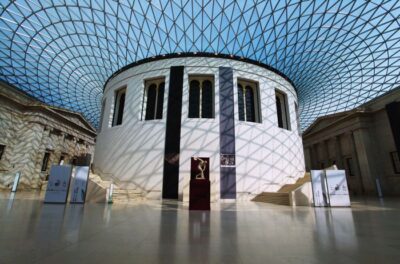 ★ 4.1Tour of the British MuseumTickets from $14678 guest reviews
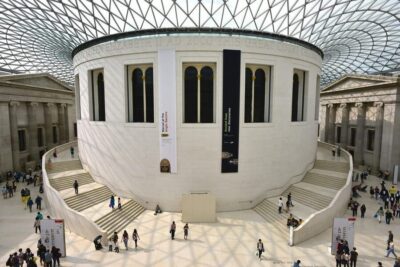 ★ 4.5British Museum Audio Tour & Priority Entrance TicketTickets from $9631 guest reviews
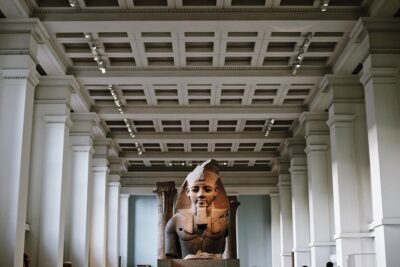 ★ 5.0The British Museum London – Exclusive Guided Museum TourTickets from $108555 guest reviews
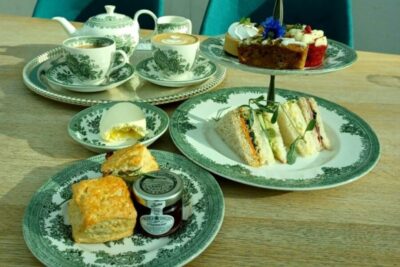 ★ 4.2Afternoon Tea at the British MuseumTickets from $58511 guest reviews
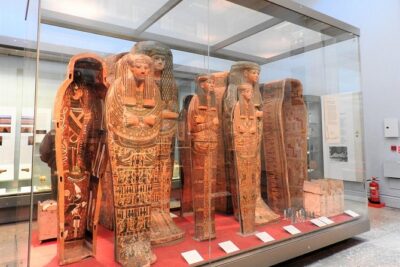 ★ 4.0British Museum Guided TourTickets from $18470 guest reviews
★ 4.5British Museum Guided TourTickets from $39267 guest reviews
★ 4.0British Museum Guided TourTickets from $18470 guest reviews
★ 4.5British Museum Guided TourTickets from $39267 guest reviews
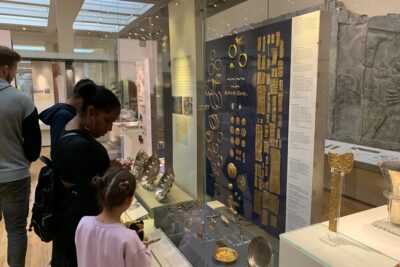 ★ 5.0Private Guided Tour of the British Museum – Tickets IncludedTickets from $187193 guest reviews
Continue by place or experience