REVIEW · LONDON
The Sweet Spots of Covent Garden
Sugar and theatre collide in Covent Garden.
This 2-hour walking tour strings together West End sights, quieter church stops, and a food market break, all built around creatives and performers who shaped the area.
What I like most is the mix of theatre landmarks and small, calm religious stops. I also love the smart idea of pairing sight-seeing with a sweet-tooth friendly payoff, including treats like macarons, pastries, and even a Godiva hot chocolate stop when the timing works.
One possible drawback: not every major building is entered. A few are viewed from the outside, and some theatre access depends on the time of day and whether the building is in use.
Key sweet spots to know before you go
- Paul’s local stories help you understand why this corner of London feels different from the usual postcard route
- Theatre Royal Drury Lane includes a close look at famous royal boxes, with entry sometimes depending on timing
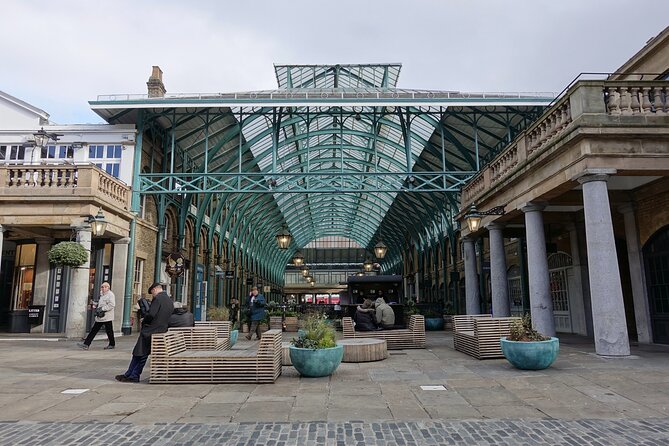
- Street theatre and market bites at Covent Garden make the walking feel like an actual day out, not a lecture
- St Paul’s Church offers a rare, peaceful pause that fits right into acting-world lore
- Seven Dials is where the area’s past danger gives way to a modern mix of art and food
- You’ll see several major theatres from outside, which saves time for stops that feel more alive on the street
Covent Garden sweet spots, not just the main streets
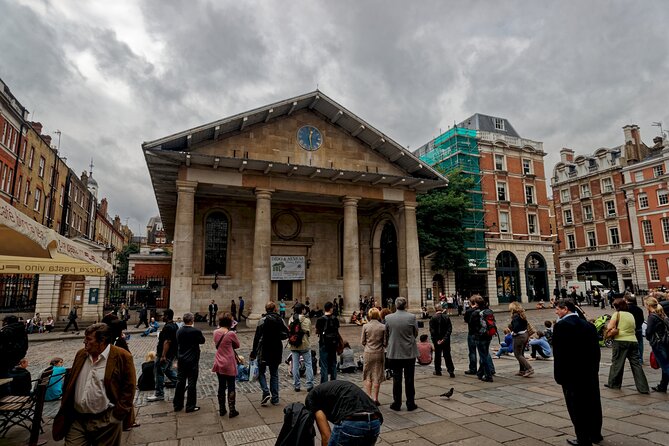
Covent Garden can turn into a stampede if you only follow the loudest streets. This tour takes a quieter route through theatre land, church corners, and foodie stops, so you get the stage atmosphere without feeling stuck in the crowds the whole time.
The big idea here is simple: you’re not just looking at famous buildings. You’re learning how performers, writers, and creative workers lived and worked here across the years, and then you get to feel it in the streets through street theatre and market energy.
You also get a clear rhythm. The tour is long enough to feel like you covered ground, short enough that you will not be dragging your feet for hours, about 2 hours on foot.
You can also read our reviews of more tours and experiences in London.

Price and what you actually get in 2 hours
At $107.26 per person for an approximately 2-hour tour, the value comes from two things: a compact walking plan and the fact that portions of the route are supported by on-the-ground guidance rather than just a self-guided stroll.
Some parts are ticket-free depending on the time of day. Other parts involve architecture viewing outside rather than paying for entry. The sweet element is built into the experience, and the food stops are not an afterthought.
If you enjoy tours where you trade long museum hours for quick, high-impact context, this pricing makes sense. If you’re hoping for lots of paid interior sightseeing at major attractions, the cost might feel less efficient because several theatre and cultural stops are viewed from outside and admissions are not always included.
Meeting at St Martin-in-the-Fields and getting your bearings fast
The tour starts at 6 St Martin-in-the-Fields Church Path, St. Martin’s Pl, and you meet at the covered patio area outside the church, at the top of the stairs. This is a handy location because it gives you an easy launch point into the West End without wasting time crossing London’s more chaotic edges.
The route is set up so you keep moving. Even when you pause at churches and squares, the walking segments connect you from one “mode” to the next, street theatre energy, a quiet break, then back into performance-adjacent streets.
Group size is capped at 20 people, which matters. You are less likely to feel separated from the guide, and the tour stays manageable for the pace.
Theatre Royal Drury Lane and its royal boxes moment
The first theatre-focused stop is Theatre Royal Drury Lane. You’ll stroll through the theatre land and learn key background, especially connected to the theatre’s famous two royal boxes.
One practical consideration: admission depends on time of day and whether the building is in use. That means your experience can shift slightly day to day. If you catch a window where entry is available, you’ll get more of the interior magic. If not, you still get the historical context tied to what you can see.
Either way, the value is in the framing. This is not just, Here’s a big theatre building. It’s, Here’s why royal boxes matter, and how the place has served performers and patrons over time.
Covent Garden covered market, street theatre, and food-stop time
Next you head into Covent Garden itself, where the tour leans into the atmosphere: street theatre, the sites around the market area, and bites at the food market.
This is the part that works best if you enjoy wandering with a purpose. You get to look around, enjoy the street performers, and still have someone explaining what you are seeing and where the creative energy comes from.
And yes, the sweet tooth factor is real. The tour style is set up for indulgence without turning into a sugar-only plan. You might even get famous-name treats like a Godiva hot chocolate, plus pastries and options such as macarons at food stops when timing aligns with what’s available.
If you are the type who likes to taste your way through neighbourhoods, this section is the heart of the trip.




St Paul’s Church, actors’ quiet corner in the middle of the city
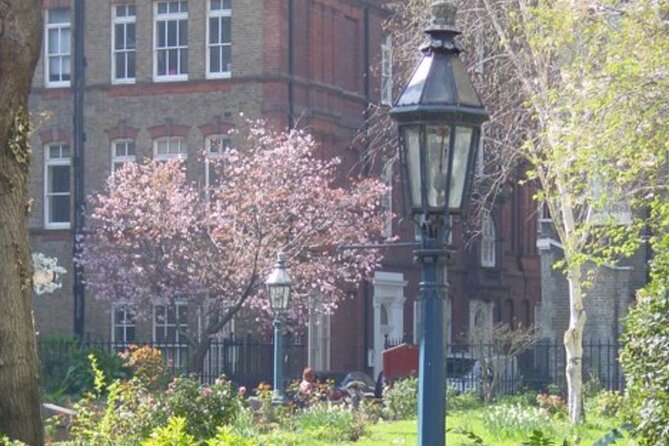
A refreshing reset comes at St. Paul’s Church. The tone here changes from street noise to calm. The church is described as a tranquil haven in the heart of the city, favored by the acting fraternity.
That acting link is what makes the stop more than a photo break. You are not just looking at architecture. You are hearing why performers have long had a relationship with places like this, and how a quiet space can fit into a busy creative world.
This is also one of your best “recharge” points if you walk slower or if you want a mental pause halfway through the tour. In two hours, having at least one true quiet moment makes the rest of the walking feel easier.
Royal Ballet and Opera area through the lens of buildings
From the church you move through the Royal Ballet and Opera area. Here, the guide focuses on the history of the buildings in this area, giving you context for why this zone feels so tightly connected to performance.
Notably, the tour does not frame this as an inside visit. It’s more about understanding the theatre district layout and the architectural story around you. That can be a win if your goal is to keep momentum rather than waiting for ticket lines.
Admission for this stop is not included, so if you were hoping for paid entry, this portion is better for observation and learning rather than “go inside and spend time.”
Seven Dials: from danger to art and food
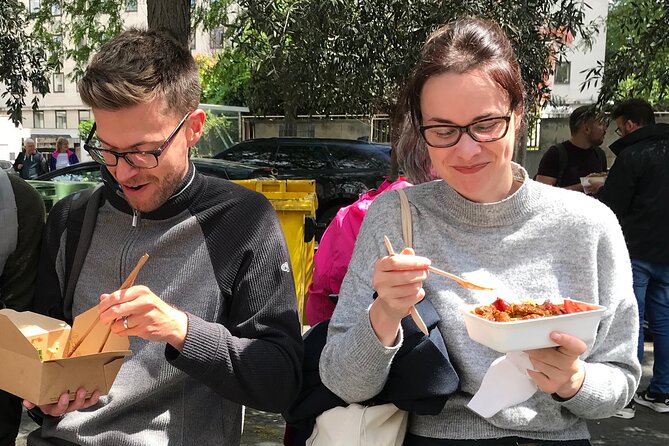
Next comes Seven Dials, a place with a reputation for being once dangerous, now turned into a stylish mix of art and food.
This stop is a good example of why the tour works for more than theatre fans. Even if you are not obsessed with stage history, the change from past to present is visible in the mood of the area. It feels like a neighbourhood with layers, and the guide helps connect those layers to what you see on the street.
Timing-wise, you get a longer window here, about 15 minutes, which is enough for a quick look around and a few photos without rushing. It’s also a nice bridge between the heavier theatre sights and the more square-and-gallery-adjacent part of the route.
Novello Theatre and Cambridge Theatre, admired from outside
Two more theatre stops land in this “architecture from the street” style: Novello Theatre and Cambridge Theatre.
At Novello, you’ll learn the building story, including a light, memorable detail about its origins and that it is not connected to the famous salad myth. The tour admires the architecture but you do not enter the building, so you avoid the time cost of interior access.
At Cambridge Theatre, you’ll hear about its 20s Art Nouveau design by Wimperis, Simpson and Guthrie. You’ll also connect it to pop culture through the fact it’s where Matilda played. Again, you do not enter the building, which keeps things moving.
A practical takeaway: if you love seeing theatres as physical landmarks, these stops deliver. If you want interior sightseeing as the main event, you’ll want to plan separate time for paid theatre or museum entry elsewhere.
Trafalgar Square, Nelson’s Column, and a walk past the National Gallery
The tour meets at Trafalgar Square, and from there you get an easy view stretch that includes Nelson’s Column. You’ll also walk past the National Gallery, which works like a visual waypoint rather than a full visit.
This is helpful because it keeps the walking route connected to iconic London geography. Even if art museums are not your priority, seeing the National Gallery from the outside gives you a mental map of where you are in relation to the rest of the city.
Also, because these are open public spaces, they usually feel smooth for photographs and orientation. If the weather is fine, this stretch can be especially enjoyable.
St Martin-in-the-Fields and the National Portrait Gallery pass
You end up at the meeting area logic again with St Martin-in-the-Fields, since it was your starting reference point. The tour includes a stop-longer pause here, tied to the covered patio location.
After that, you walk past the National Portrait Gallery. Like the National Gallery earlier, this is a “see it and keep moving” moment, not an extended indoor time commitment.
The tour then ends near 90 St Martin’s Lane. That finish point keeps you close to central routes and not far from your earlier starting zone, which is convenient if you planned your day with another stop later.
Sweet treats, without turning the tour into a food crawl
The strongest theme across the experience is that it’s made for a sweet tooth while still being a proper walking tour. You are not stuck eating the whole time. Instead, the treats show up as natural breaks tied to the stops.
From the information available, sweet offerings can include Godiva hot chocolate, pastries, and macarons. The point is indulgent sampling in a context that feels local, not like you are being herded into a single destination.
This approach also helps if you have different tastes in a group. The theatre and church stops keep the experience varied, while the sweet stops give you something memorable and shareable.
If you prefer savory meals over desserts, you might still enjoy the market area, but the tour angle is clearly skewed toward sweet.
What the guide adds, especially if Paul is leading
The guide makes a noticeable difference here. One guide highlighted for this experience is Paul, described as a local who knows the area and brings local context plus funny stories.
That matters because Covent Garden theatre history can feel like a list of names if you do it alone. With a guide who ties stories together, you start to notice details you would otherwise miss, like the significance of royal boxes or why a quiet church might fit in an acting world.
The tour’s small-group size helps, too. You’re more likely to get follow-up explanations when something catches your attention, and the pacing stays friendly.
Who this tour suits best
This is a great fit if you want:
- A short, focused walk through theatre landmarks, churches, and market areas
- A tour that balances context with time outside in London
- Sweet stops that feel like part of the experience, not a random add-on
- A manageable group size and a route that stays in central zones
It’s also a solid choice if you’re visiting with kids or as a family-friendly plan, since the timing is tight and the route has quick visual targets rather than long indoor sittings.
If you’re the kind of person who wants only paid interior entries and long museum time, you may prefer a different style of tour that centers on admissions and guided indoor exploration.
Should you book this Covent Garden sweet spots tour
I think it’s worth booking if your London trip has room for a 2-hour walk that mixes theatre, churches, and a genuinely enjoyable sweet-focused break. The pricing feels fair when you factor in guided context, the small group size up to 20, and the fact that many major sights are woven in without requiring you to commit to multiple paid admissions.
Skip it only if your top priority is inside access to theatres and attractions, or if you do not want a tour where desserts are a core part of the plan.
If you like your sightseeing with a little sweetness and a side of stage-world storytelling, this one is a strong match.
FAQ
How long is the Sweet Spots of Covent Garden tour?
It lasts about 2 hours.
How much does the tour cost?
The price is $107.26 per person.
What language is the tour offered in?
The tour is offered in English.
Do I need a printed ticket?
No, you receive a mobile ticket.
Are there food or sweet stops?
Yes. The experience is designed for a sweet tooth, and food stops can include items like Godiva hot chocolate, pastries, and macarons.
Is admission included for every stop?
Not always. Some stops are ticket free depending on the time of day and whether the building is in use, while other stops have admission ticket not included.
Where do I meet the guide?
You meet at 6 St Martin-in-the-Fields Church Path, St. Martin’s Pl, London WC2N 4JH, UK.
Where does the tour end?
The tour ends at 90 St Martin’s Ln, London WC2N 4AP, UK.
Is it refundable if plans change?
Yes. You can cancel up to 24 hours in advance for a full refund.