REVIEW · LONDON
Shakespeare Promenade
Shakespeare in London, on foot and close up. This walk strings together key Shakespeare-related landmarks with a live actor guide, and it moves at a small-group pace so you can ask questions instead of rushing past everything. I especially liked having guide Dee in the mix, bringing lines from the plays into the streets in a fun, thoughtful way.
The route also gives you photo time that feels practical, not forced, including crossing the Millennium Bridge for big city views. One thing to keep in mind: the tour includes steps and stairs, plus road crossings, so it is not a great fit if you have trouble keeping up on uneven sidewalks.
Shakespeare Promenade Key Points That Matter
- Small-group size (max 6) means less waiting and more back-and-forth with your guide.
- Actor guide narrator turns landmarks into scene-setting, with play quotes worked in.
- Millennium Bridge views give you a classic London perspective between theatre stops.
- Barbican interval and restrooms help you reset during the walk.
- Most stops are free to see, and the tour includes a ticket for the Barbican Centre.
- Ends at New Inn Yard outside the Shakespeare Museum area, near Old Street and Liverpool Street tubes.
Why This Shakespeare Walking Tour Feels Different
A Shakespeare tour can become a checklist. This one stays more human. You are walking through real London streets and learning how theatre, faith, and everyday life bumped into each other, block by block.
What makes it work is the mix of famous sites and “you almost missed this” locations. You get a sense of how playhouses grew in different neighborhoods, while still getting landmarks you can orient yourself by, like St. Paul’s and the Thames.
And since you are limited to a max of 6 people, the pace feels like it was built for conversation. That matters if you want context, not just dates.
You can also read our reviews of more tours and experiences in London.

Starting at Dowgate Hill and Finding the Story Thread
The walk begins at The Tallow Chandlers Company, 4 Dowgate Hill (near central London). From the start, the vibe is guided and theatrical, not lecture-only. You move soon after meeting, so you are not standing around while the group clumps together.
This matters because the whole experience is time-based, about 2 hours total, and it includes walking between stops. If you arrive right on time, you start with momentum and end with enough energy to enjoy the final stretch.
Wear comfortable shoes. Steps and stairs show up during the route, and there are road crossings. Also, bring your own bottled water since no refreshments are provided.
Thames River: Globe Theatre Views From the North Bank
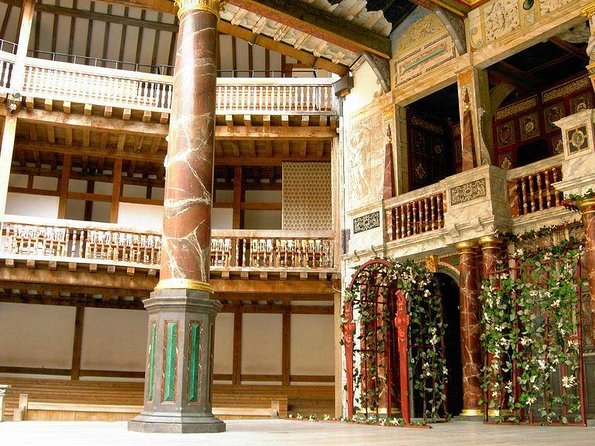
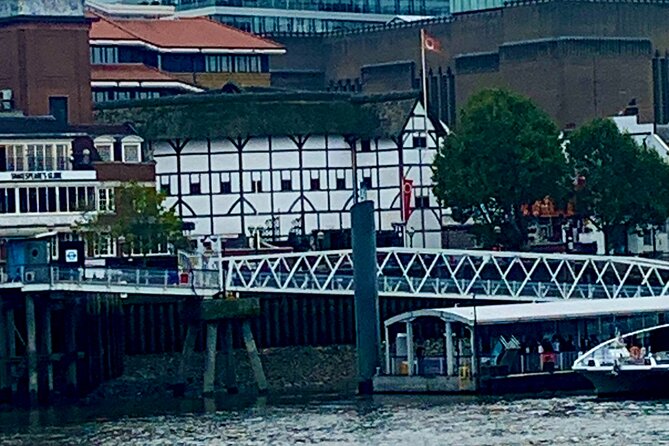
Stop 1 takes you along the Thames path on the north bank. You get an overhead sense of the river and its bends, then shift into theatre geography: you view the Globe Theatre from across the river before continuing on toward Blackfriars.
Two things make this stop valuable. First, it gives you an easy visual anchor. If you later visit the Globe area, you will already understand the river angle and how people moved between spaces. Second, the timing is short but not rushed, around 20 minutes, which is enough for questions and photos without burning the clock.
A quick practical note: the Thames area can be breezy. If weather is unsettled, have an umbrella or rain mac in your bag.
Playhouse Yard: Where Blackfriars’ Layers Overlap
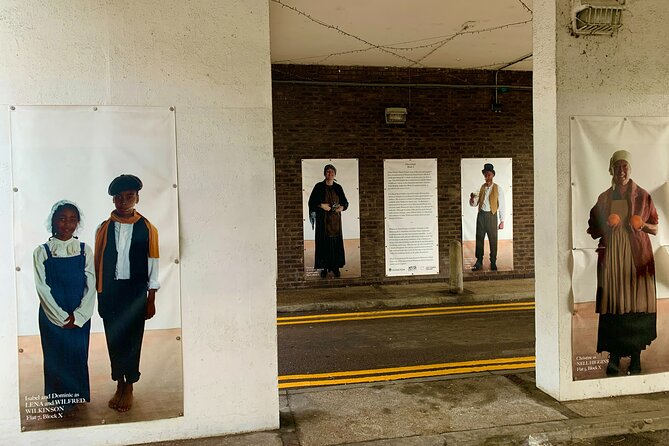
Next is Playhouse Yard, one of those spots where the ground carries multiple eras at once. You will look at the site of the Blackfriars Dominican Monastery and trace where the 1st and 2nd Blackfriars Playhouses once stood.
This is a great example of how the tour avoids pure name-dropping. The point here is to show how theatre locations weren’t isolated bubbles. They sat in places shaped by religion, politics, and neighborhood change.
The stop is brief, about 5 minutes, so treat it like a “before and after” checkpoint. If you have questions about how one playhouse era relates to the next, this is the part to ask while you are standing in the exact footprint area.
St. Paul’s Cathedral Area: Scale and Contrast in Short Time
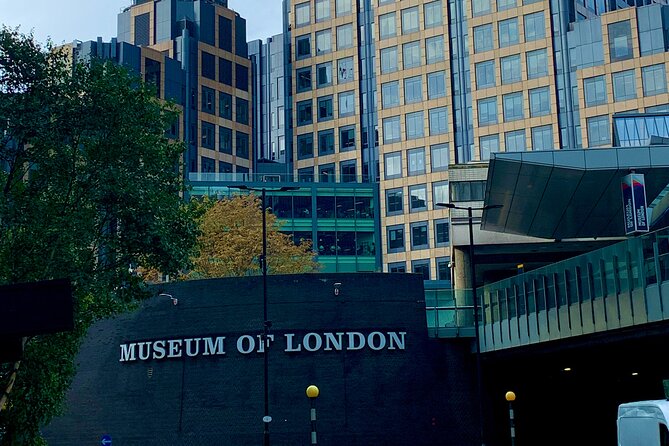
At Stop 3, you encircle St. Paul’s along Cheapside and up Milk Street. This is not about going inside. It is about using the streets around St. Paul’s to reset your mental map, then connecting scale and survival.
Why it works for Shakespeare fans is simple: London keeps evolving, but major landmarks anchor the view. As you walk from playhouse sites toward St. Paul’s, you feel the contrast between theatre-life details and the city’s monumental structures.
Expect another quick, about 5-minute segment. If you want to linger, you can always come back later on your own, but on this tour the goal is flow.




Guildhall and the Heminges and Condell Shakespeare Statue
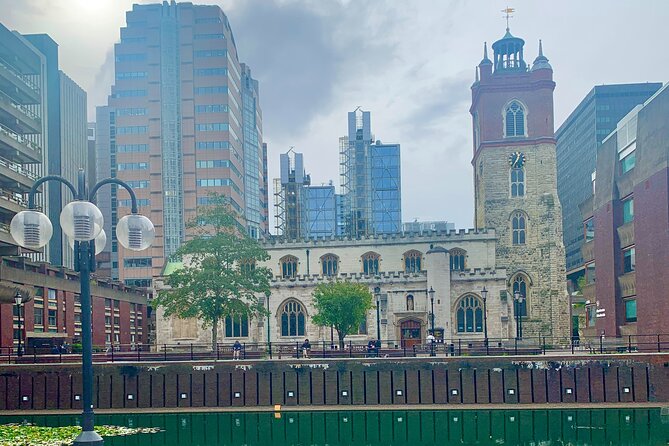
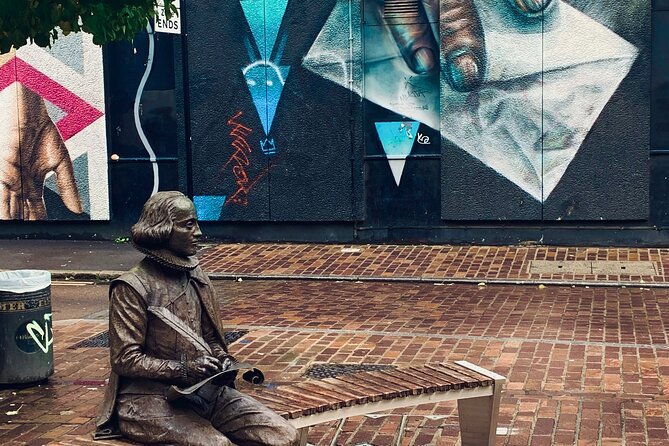
Stop 4 moves you to Guildhall, with a stop at the Heminges and Condell Shakespeare statue on Love Lane. You will also see Shakespeare’s folio held housed in the Guildhall, and you will hear history and a speech in this area.
This is one of the most rewarding stops because it connects the plays to how they survived. The folio idea is central to Shakespeare’s legacy, and seeing it in a civic setting makes the material feel less like a museum object and more like an actual cultural turning point.
The time here is about 10 minutes. That extra minute padding compared with some earlier stops helps you absorb the meaning. It is also a good place for questions if you are trying to understand why his work stayed so influential.
Roman Wall of Londonium and Shakespeare Lodgings Clues
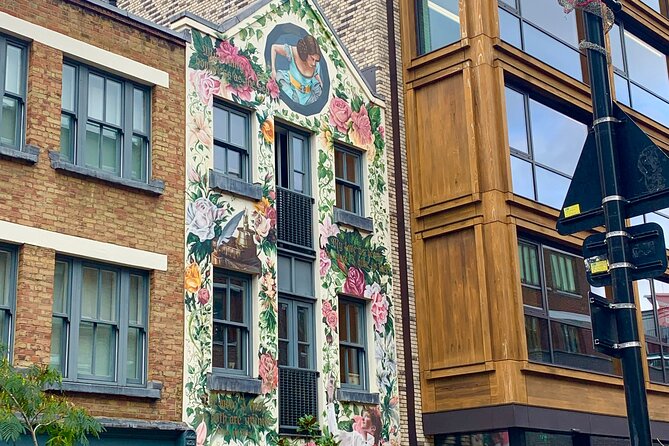
Stop 5 shifts to older London. You will see the ruins of the Roman Wall on Noble Street, plus a plaque showing Shakespeare’s Lodgings on Silver Street.
This stop is quick, around 5 minutes, but it gives you two powerful perspective swaps. First, you remember Shakespeare lived in a city layered over Roman foundations. Second, the plaque element helps you picture his day-to-day London location, not just the theatrical hotspots.
If you like connecting time periods, this is the kind of detail you will appreciate on a return walk later.
Barbican Highwalk: A Little-Known Walkway With Big Views
Stop 6 takes you to the Barbican Highwalk. You will move through a walkway within the Barbican estate, with superb views and history of the estate and the Barbican Centre.
This is one of the tour’s best “slow down and notice” moments. The Barbican area is not always on first-time London routes, so it feels like a smart detour that still fits the Shakespeare theme through London’s continued cultural building.
You get about 10 minutes, plus there is an additional 20-minute interval at Barbican built into the schedule. The tour also notes restrooms available at Barbican, which is a real practical win mid-walk.
Fortune Playhouse Footsteps and Bunhill Fields History
Stop 7 brings you toward Bunhill Fields. You walk up Whitecross street, see the site of the Fortune Playhouse, then cross the boundary to Shoreditch and hear about the burial ground’s history.
This is a strong stop for anyone who wants Shakespeare’s London as a lived world. The Fortune Playhouse reference helps you keep seeing theatre as a neighborhood fixture, while Bunhill Fields adds a human layer that reminds you what existed alongside entertainment.
It lasts about 10 minutes, so it is enough time for a short storyline and a few clarifying questions without turning into a history lecture.
Barbican Centre Entry: Theatre Culture in Plain Sight
Stop 8 includes entry to the Barbican Centre. This is where the tour ties the past to the present, since the Barbican is a London home of the Royal Shakespeare Company.
Even if you are not going deep into exhibits, entering the space matters. It helps you understand how Shakespeare performance culture continues in modern buildings and how London dedicates infrastructure to theatre.
You get about 10 minutes here. If you want more time inside, you might plan a separate visit. On this tour, the goal is context and orientation.
New Inn Yard and The Shakespeare Museum Site
Stop 9 is New Inn Yard, tied to the first playhouse called The Theatre, with the modern site now associated with The Shakespeare Museum. This segment is about 5 minutes, and it functions like a payoff: you arrive where theatre history becomes a current destination.
If you are the type who likes leaving with a list of where to go next, this is a key moment. You end up with a clear “go see that” item rather than just a remembered address.
Shoreditch Toward Curtain Road: Closing the Loop in a Modern District
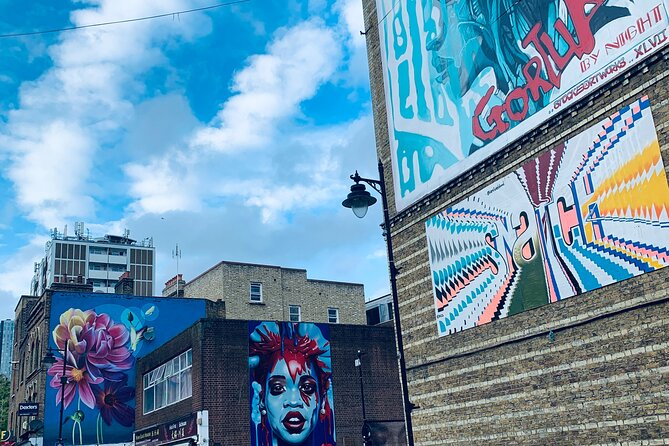
Stop 10 heads through Shoreditch toward Curtain Road, another 15-minute stretch. This feels like a gentle closing, because Shoreditch today is so visually different from the Elizabethan era that it makes the layers of London feel real.
It also helps you land in a place you can navigate after the walk. You finish at New Inn Yard, outside the Shakespeare Museum.
Price and Value for a 2-Hour Small-Group Walk
At $23.08 per person for about 2 hours, this feels like strong value if you want guided walking over self-guided map wandering. You are paying for interpretation, not just sightseeing.
A few things push it into “worth it” territory:
- The group max is 6, so you are not competing for attention.
- Your narrator is an actor guide, and the guides you get are comfortable mixing quotes and storytelling into the route.
- Barbican Centre entry is included, so you get at least one real ticketed component.
- The itinerary points you to sites that are ticket-free to view at most stops, so you are not juggling admission decisions mid-walk.
Downside on value is mainly about your preferences. If you only want the very top headline stops and nothing more, you might find the route feels like a chain of moments rather than one big attraction. But if you like walking, street-level context, and theatre connections, the price is easy to justify.
Practical Tips So You Enjoy Every Minute
Here are the small choices that make the tour smoother:
- Bring bottled water. No refreshments or food are provided.
- Wear supportive walking shoes. Steps and stairs are part of the route.
- Plan for weather. An umbrella or rain mac may be needed.
- Expect road crossings. Build a little extra time for crossing pauses.
- Bring curiosity. The best moments happen when you ask questions, and the small group size supports that.
Also, if you want a photo, aim for stops with wider viewpoints, like around the Thames and the Millennium Bridge. The rest of the time is designed for walking flow.
Who This Shakespeare Promenade Suits Best
This tour is a great match if you:
- Like Shakespeare but also enjoy London’s older layers, Roman to modern.
- Want a guide who mixes theatre storytelling with real location context.
- Prefer small-group walking tours where you can ask questions.
It is not recommended for children under 16, and it is not advised for travelers with mobility issues or who have difficulty walking or keeping up with the group. If you struggle with steps and stairs, you may want a different format.
If you are visiting London for the first time, this can also work as an orientation walk that connects landmark clusters. And if you are a theatre person, it gives you a “where it all happened” sense without needing a full day.
Should You Book Shakespeare Promenade?
I would book it if you want a 2-hour Shakespeare walking tour that feels personal, not rushed. The small-group limit and the actor-style guiding make it worth more than the sum of the addresses, especially if you enjoy hearing play quotes tied to places you can actually see.
Skip it if stairs and walking tempo will be uncomfortable, or if you only want indoor visits and ticket-heavy attractions. The tour is built for streets, views, and conversation.
If you are happy to wear good shoes, carry water, and enjoy London on foot, this promenade is a smart, cost-effective way to see Shakespeare’s London with your eyes open.
FAQ
How long is the Shakespeare Promenade?
The tour lasts about 2 hours, with the total duration including walking time.
What language is the tour offered in?
The tour is offered in English.
How many people are in the group?
The tour has a maximum group size of 6 travelers.
What is included in the price?
An actor guide narrator is included, and the Barbican Centre entry ticket is included.
Are there admission fees for the stops?
The tour lists admission as free for most stops. No entry fees are listed as included otherwise, so you should expect that only what is explicitly included is covered.
Where do I meet the tour, and where does it end?
You meet at The Tallow Chandlers Company, 4 Dowgate Hill, London EC4R 2SH. The tour ends outside the new Shakespeare Museum in New Inn Yard, about 10 minutes from Old Street Tube and 15 minutes from Liverpool Street Tube.
Is it suitable for children or people with mobility issues?
It is not suitable for children under 16. It is not recommended for travelers with mobility issues or difficulty walking or keeping up with the group, and steps and stairs are included.
Is food or drink provided during the tour?
No. Refreshments, food, or drink are not provided, and you should bring your own bottled water.